




Waisenfond
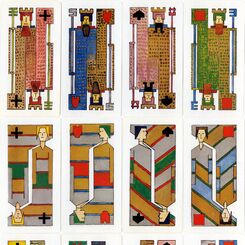
Intended to attract donations on behalf of the Imperial Royal Austrian Military Widows’ and Orphans’ Fund, this elegant and refined deck was designed by Nellie Stern. The deck was printed by Ferdinand Piatnik & Söhne, Vienna in 1916.

Wiener Waisenfond Whist No.1
Manufactured by Ferdinand Piatnik & Söhne, Vienna, 1916.
Intended to attract donations on behalf of the Imperial Royal Austrian Military Widows’ and Orphans’ Fund, established in 1914, this elegant and refined deck was designed by Nellie Stern, a member of the “Wiener Werkstatte” (the “Vienna Workshop”, a community of visual artists which flourished 1903–1932, famous for it's Art Deco designs). The cards display beautiful subtle colours and intricate detail. The deck was printed by Ferdinand Piatnik & Söhne, Vienna in 1916 and reprinted in 1981 by A.S.S.
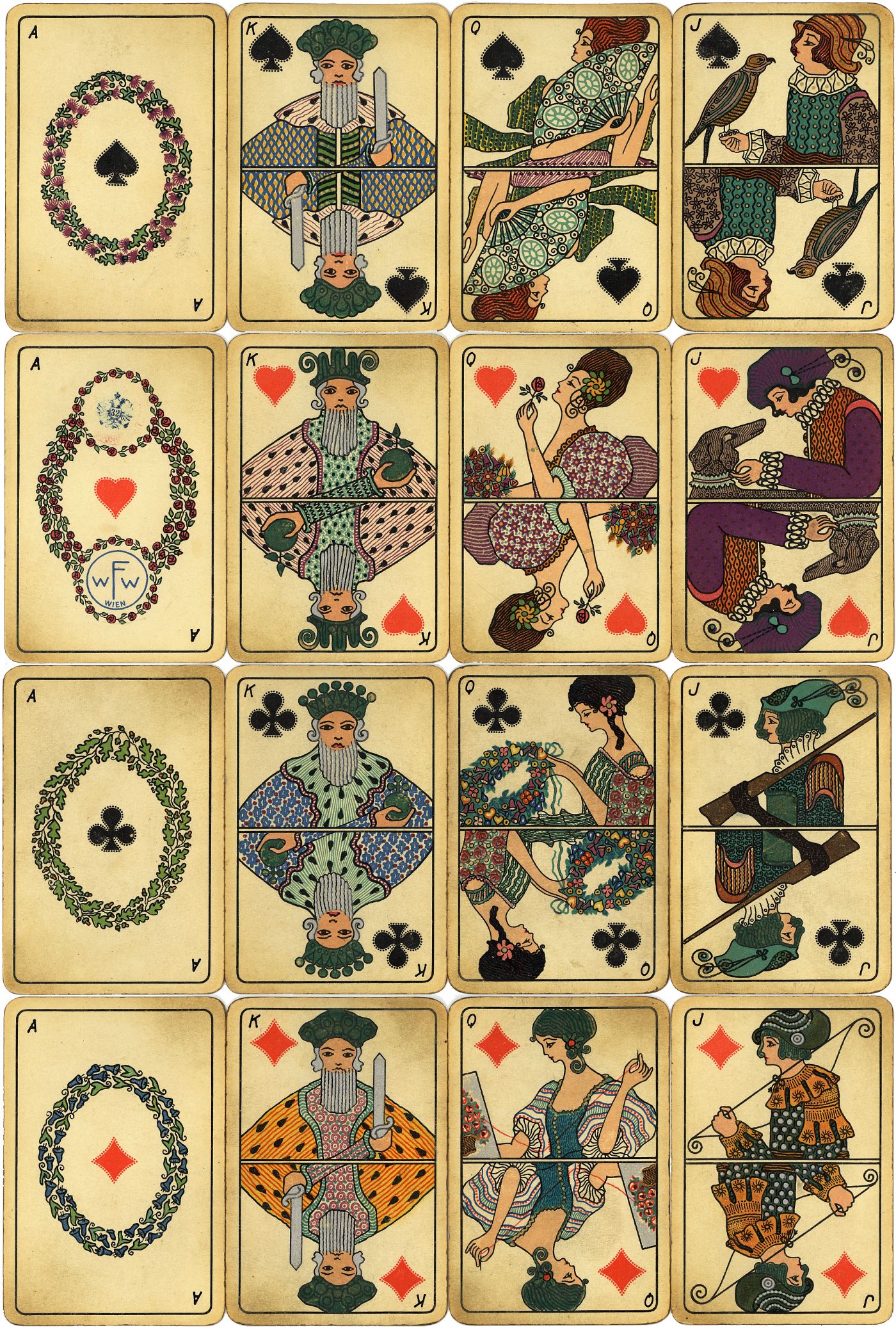
Above: Aces and Court cards from “Wiener Waisenfond Whist No.1”, manufactured by Ferdinand Piatnik & Söhne, Vienna, for the Imperial Royal Austrian Military Widows’ and Orphans’ Fund, 1916. Designed by Nelly Stern. Colour lithography: 52 cards + Joker + 1 extra card: 91mm x 61mm. Images courtesy Barney Townshend.

By Barney Townshend
United Kingdom • Member since October 06, 2015
Retired Airline Pilot, interested in: Transformation Playing Cards, Karl Gerich and Elaine Lewis. Secretary of the EPCS. Treasurer of the IPCS.

Activity for Waisenfond
Sign in to comment or save this article.
Related Articles
Cosmopolitan № 2121 playing cards
“Cosmopolitan” № 2121 playing cards designed by Russian artist Valeri Mishin, 1996
Baroque No.2118
“Baroque” by Ferd Piatnik & Sons, Vienna, reflecting a bygone era of fashion.
48: Ferdinand Piatnik & Sons
Ferd. Piatnik produced a very large range of cards with many different standard and non-standard pat...
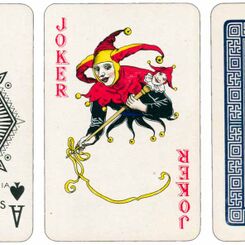
Popular No.257
Piatnik’s “Popular Playing Cards” No.257
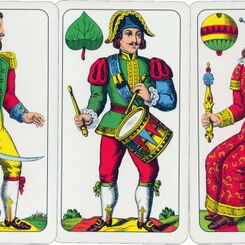
Salzburger Pattern
Salzburger pattern by Ferd. Piatnik & Söhne, Vienna
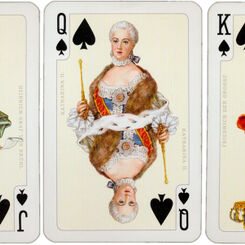
Rococo No.2130
Piatnik: Rococo No.2130 playing cards designed by Prof. Kuno Hock, c.1975
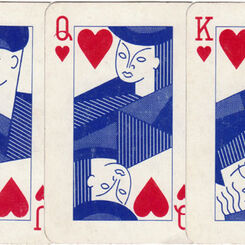
Blue Playing Cards
“Blue Playing Cards” by Piatnik, 1960s, inspired by the Cubism art movement in which objects are ana...
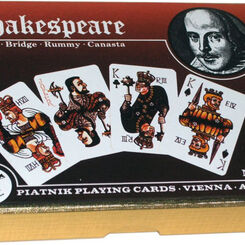
Shakespeare by Piatnik
‘Shakespeare’ playing cards by Piatnik designed by the British actor Donald Burton.
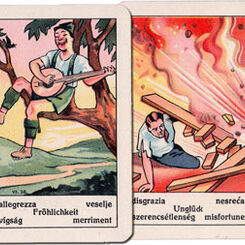
Art Deco Gypsy Oracle
Art Deco fortune telling deck published by Piatnik, 1936.
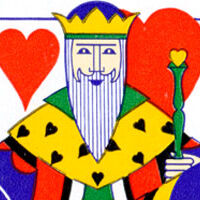
Hycrest Modern Royalty
Published by the Hycrest Playing Card Co., New York, c.1931. The large suit symbol behind each figur...

Cocktail
Aluminium playing cards manufactured by Häusermann United Chemical and Metal Engraving Co., Vienna, ...
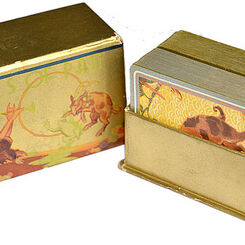
Past-L-Eze Playing Cards
On “Past-L-Eze” playing cards Kings, Queens and Jacks are no longer stodgy and conventional but plea...
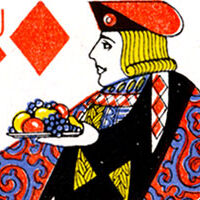
Ritter & Cie, 1933
A colourful re-working of the standard Anglo-American pattern in Art Deco style.
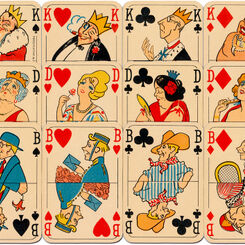
Rummy No.210
Period cartoon images from the 1930s. The Kings are in fancy dress ready to party, the Queens appear...
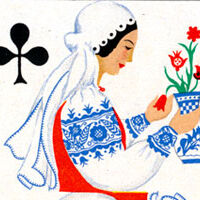
Matyó-Bridge No.50
The court cards in this delightful Art Deco pack represent persons in various colourfully embroidere...
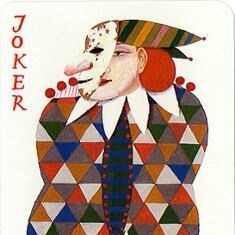
Karl Korab (Ed. Hilger)
Karl Korab was born in 1937 in Falkenstein (Lower Austria), the son of a forester. As a child he exp...
Arnold Schönberg
In around 1909 he created three sets of playing cards. His inventiveness was driven by a passion for...

Cashmere
Bernhard Altmann is from the “The House of Cashmere” and these playing cards honour their best known...
Ferd. Piatnik & Söhne
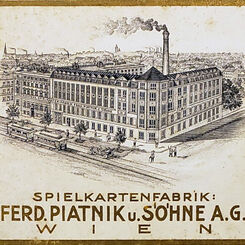
Ferdinand Piatnik was born in Ofen on October 14, 1819.
The History of Playing Cards
Playing cards appear in European records in the late 14th century, but their earlier history lies fu...
Most Popular
Our top articles from the past 60 days


jan merc
20 May 2026, 00:08SavedSaved this article to MOST WANTED