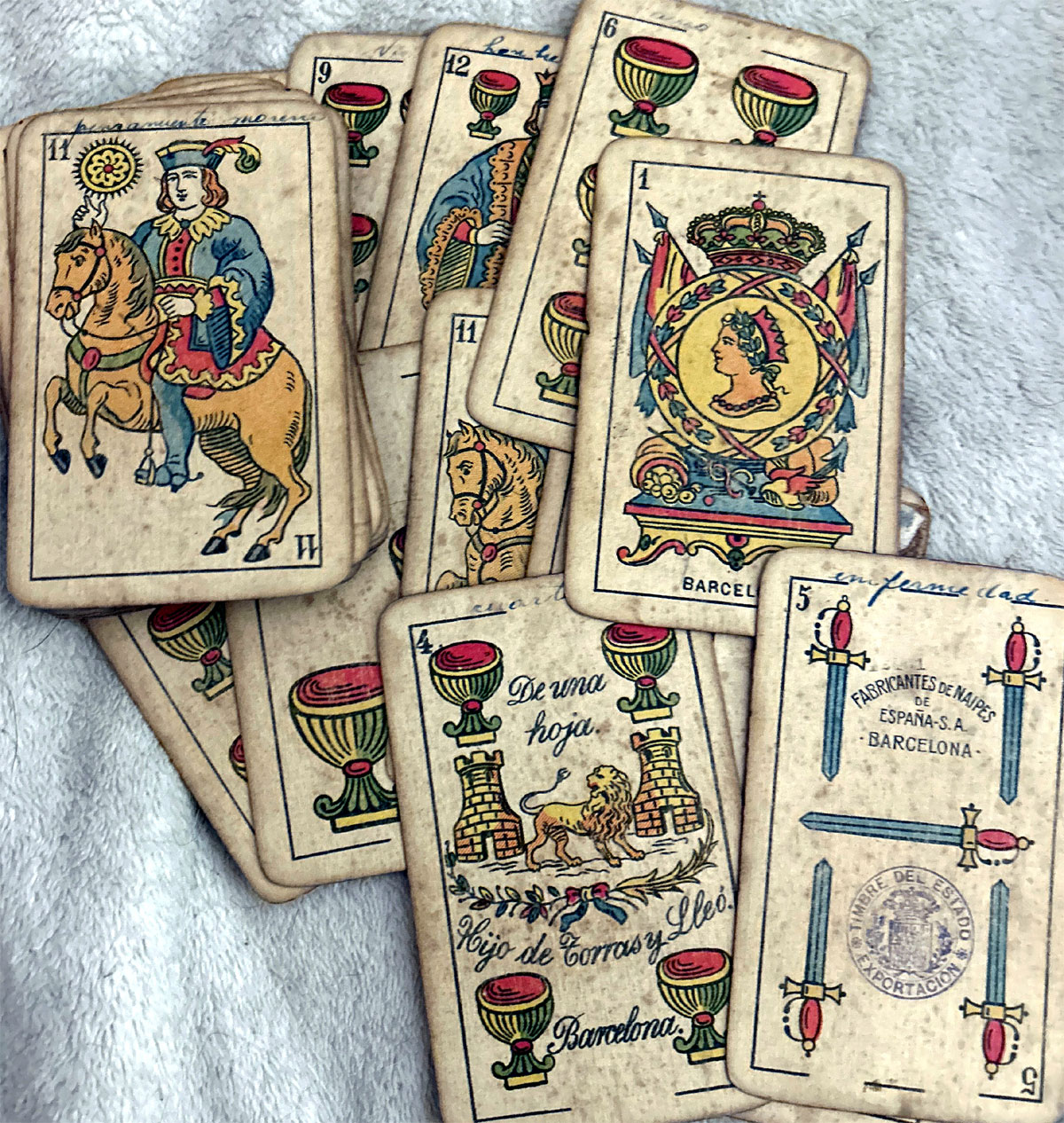
Torras y Lleó, Barcelona, Spain, c.1838-1921
Francisco Torras y Lleó was a playing-card maker in calle Carmen, Barcelona, who flourished during the period 1838-1860.
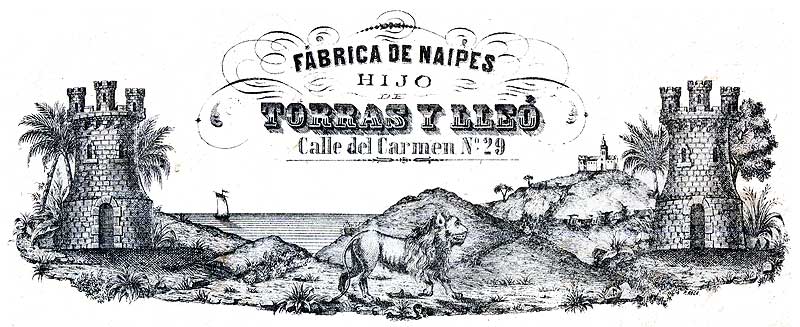
Francisco Torras y Lleó was a playing-card maker in Calle del Carmen 29, Barcelona, who flourished during the period 1838-1860. After his death the company continued trading as Sucesores de Francisco Torras y Lleó (1861-1883), at the same address, and later as Hijo de Torras y Lleó (1884-1921). Over its lifetime the company produced a very extensive range of playing cards in a refined style.
Samples of card backs
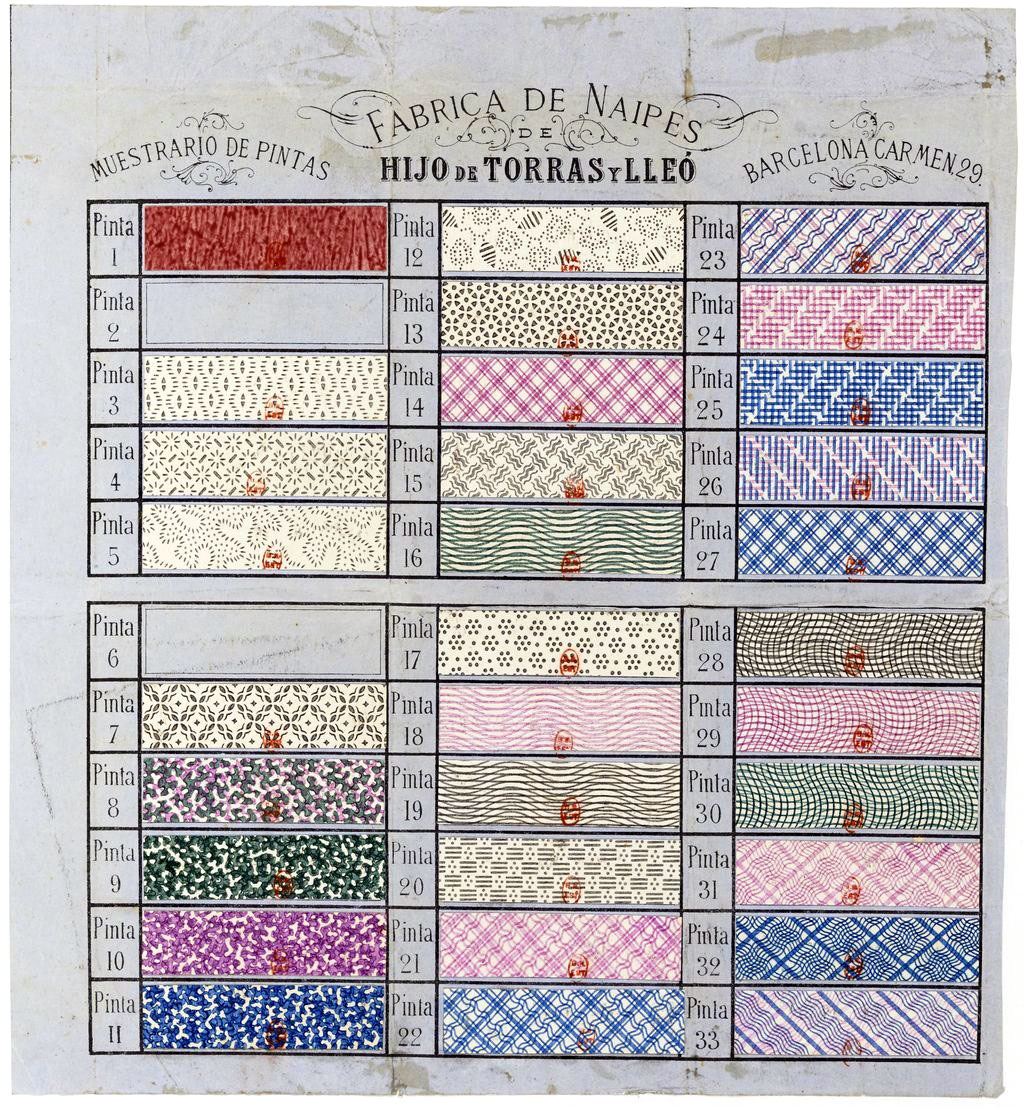
Above: back pattern samples, Hijo de Torras y Lleó, 1888. Source gallica.bnf.fr / Bibliothèque nationale de France
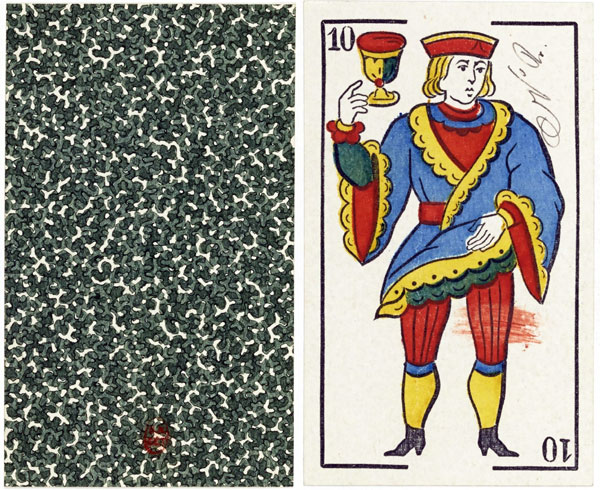
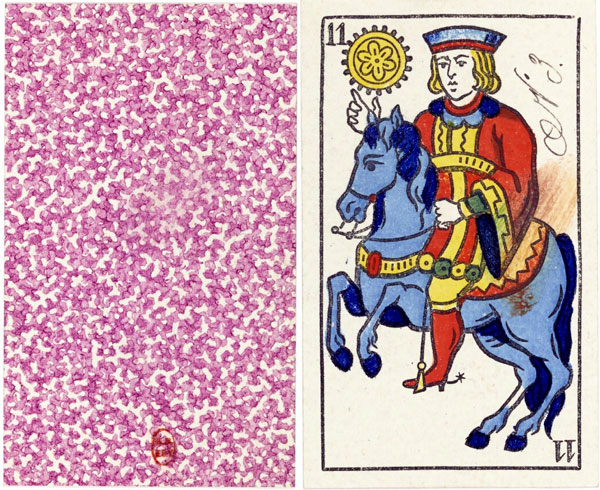
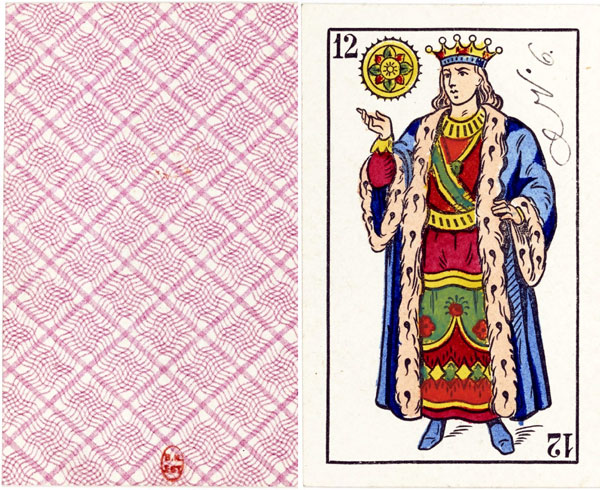
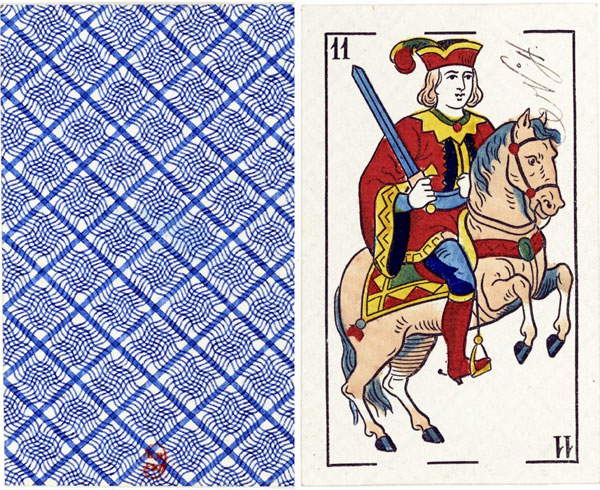
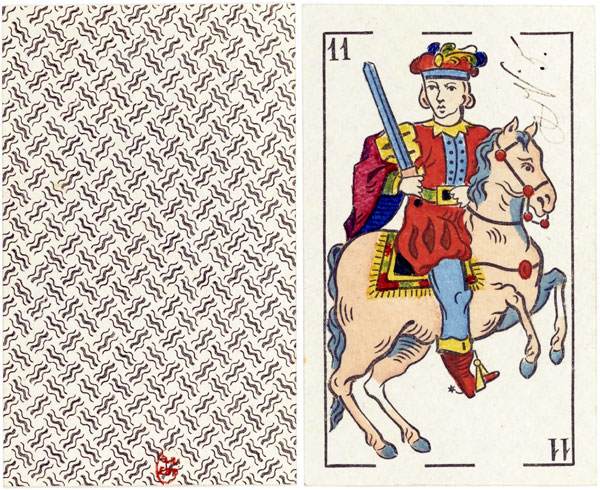
Prices were quoted in Reales, abbreviated as "Rs." Although the Real was officially replaced by the Peseta, it was still a familiar unit of value and used in commerce, with 4 Reales equalling 1 Pts.
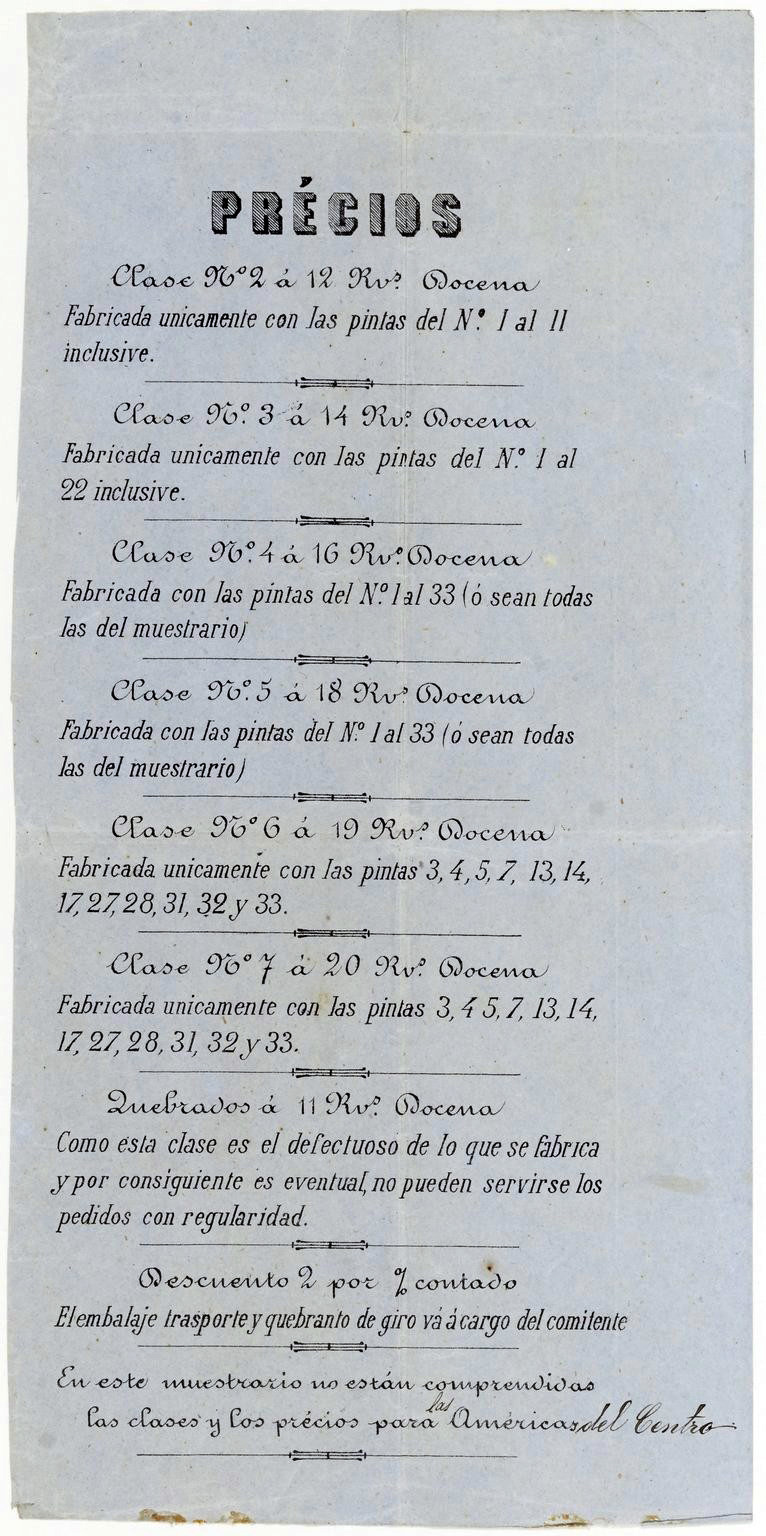
Above: Source gallica.bnf.fr / Bibliothèque nationale de France
The motif of the lion and two towers - a pun on the founder's name - which usually appeared on the four of cups and the wrapper, was often imitated by foreign manufacturers, in particular Francisco Girbau of Buenos Aires (Argentina).
Finally the company became part of the amalgamation known as Fabricantes de Naipes de España S.A. (1917-1934) which in turn was absorbed by Hijos de Heraclio Fournier in 1934.
References
Bibliothèque nationale de France: Échantillons de dos de cartes et prix courants de la maison Hijo de Torras y Lleó►
See also : Torras y Sanmartí y Cía, Barcelona, 1830►

By Simon Wintle
Spain • Member since February 01, 1996
I am the founder of The World of Playing Cards (est. 1996), a website dedicated to the history, artistry and cultural significance of playing cards and tarot. Over the years I have researched various areas of the subject, acquired and traded collections and contributed as a committee member of the IPCS and graphics editor of The Playing-Card journal. Having lived in Chile, England, Wales, and now Spain, these experiences have shaped my work and passion for playing cards. Amongst my achievements is producing a limited-edition replica of a 17th-century English pack using woodblocks and stencils—a labour of love. Today, the World of Playing Cards is a global collaborative project, with my son Adam serving as the technical driving force behind its development. His innovative efforts have helped shape the site into the thriving hub it is today. You are warmly invited to become a contributor and share your enthusiasm.

Activity for Torras y Lleó, Barcelona, Spain, c.1838-1921
Sign in to comment or save this article.

Related Articles
The Dark Knight Joker Calling Cards
Joker “Calling Card” set issued in connection with the film The Dark Knight (2008).
Three Rare Playing Card Back Designs
The Norwood 85 (USPC, c.1909): a very scarce American deck with two fine art back designs, apparentl...
59: Owen Jones (1809-74) and De La Rue
A selection of examples of Owen Jones's artwork printed by De La Rue.
14: Back Designs
A few examples of the many interesting back designs.
Waddington Back Designs
Waddington back designs found in John Berry's Archive volume, spanning from the 1920s to the 1940s.
Wenceslao Guarro Catalan Pattern
Wenceslao Guarro ‘Escudo de Barcelona’ Catalan Pattern by Fabricantes de Naipes de España, c.1925.
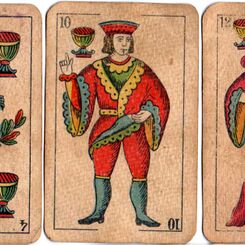
Luis Guarro, c.1920
Luis Guarro’s “El Caballo con Manta” Catalan pattern by Fabricantes de Naipes de España, c.1920.

Waddington’s Encore Series
Waddington’s Encore Series 1933.
Barribal Series
William H. Barribal (1873 - 1956) was a London artist who created the Waddingtons 'Barribal' playing...
Owen Jones (1809-1874)
Owen Jones (1809-1874) was a Welsh architect and interior designer who designed the backs of playing...
Playing Card Design
The playing card calls for artistic treatment and although the constrained size imposes some limitat...

Most Popular
Our top articles from the past 60 days