





Playing cards combine many aspects of our history including paper-making, printing technologies, innovation, symbolism, graphic design and how these have changed over the years. Whatever your interest in cards, you'll find something interesting here.
Sweetule Natural History cards
Small cards featuring natural history subjects, given away with packets of sweet cigarettes.

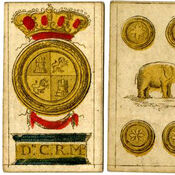
Miniature spanish-suited playing cards
Pack of 48 miniature spanish playing-cards published by C R.
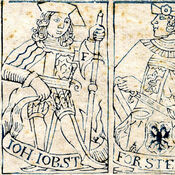
Uncut Sheet by Johann Jobst Forster
A proof sheet containing twelve court cards of conventional French type.
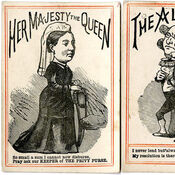
Lend Me Five Shillings
or “Her Majesty’s Privy Purse” - a merry round-the-table game published by D. Ogilvy.
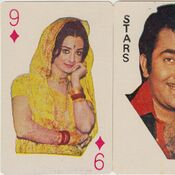
Eves Playing Cards
A pack of cards with colour photos of Indian film stars from the era
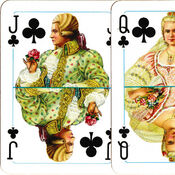
Poker Lusso
Richly costumed courts on a luxury poker pack from Masenghini.
Laughing Made Easy
a Victorian card game published by D. Ogilvy.

EPCS November 2005 Newsletter Members Only
Top Trumps • Clifford Toys / Tricklico • Blackpool Souvenir • Squiggles • Esquire • Alberto Vargas • A Find? • Early Playing Cards • Fortune Telling Cards • Court Fools & Jesters (cont) • The Rolls Ra...
The English Playing Card Society • 4 hours ago
EPCS June 2005 Newsletter Members Only
Nederland Shipping Line • Iranian Playing Cards • Trump Indicators • Municipal Honours • Coney People Happy Tribes • Hand Drawn Whist Cards • The Cabinet Pack • SSAFRA • Lexicon Competitions • The Lan...
The English Playing Card Society • 4 hours ago
EPCS February 2005 Newsletter Members Only
Plucking the Goose • Lake District • Blanche Handler • Moods And Faces • Nelson Bicentenary - Worshipful • Face card Lithography • The Power Deck • Grand Slam • Buying and Selling on Internet • Nederl...
The English Playing Card Society • Yesterday at 05:07
EPCS October 2004 Newsletter Members Only
40 Thieves • SDP & Waddington • Scottish Educational Cards • Kan-u-go Singing / Mystery • Waddington Catalogue 1979 cont • Two Goodall Aces • Redline • Golf Cards • Great Storm • Warning to Gamblers a...
The English Playing Card Society • Yesterday at 03:08
French Watermarks
Hello everyone,I've noticed that there are multiple different Wat...
Matt B • 20 April 2024, 05:35 • 0 Comments
Sweetule Natural History cards
Small cards featuring natural history subjects, given away with packets of sweet cigarettes.
Roddy Somerville • 17 April 2024, 12:47
Miniature spanish-suited playing cards
Pack of 48 miniature spanish playing-cards published by C R.
Simon Wintle • 15 April 2024, 19:34
Uncut Sheet by Johann Jobst Forster
A proof sheet containing twelve court cards of conventional French type.
Simon Wintle • 15 April 2024, 13:50
Lend Me Five Shillings
or “Her Majesty’s Privy Purse” - a merry round-the-table game published by D. Ogilvy.
Simon Wintle • 11 April 2024, 23:09
Laughing Made Easy
a Victorian card game published by D. Ogilvy.
Simon Wintle • 11 April 2024, 23:00
Eves Playing Cards
A pack of cards with colour photos of Indian film stars from the era
Paul Symons • 09 April 2024, 16:07
Poker Lusso
Richly costumed courts on a luxury poker pack from Masenghini.
Roddy Somerville • 09 April 2024, 10:25
Music playing cards
Portraits of 13 classical music composers.
Roddy Somerville • 08 April 2024, 10:03
Classic Card Games for Kids
A boxed set of playing cards, Happy Families and an alphabet pack with rules for 22 games.
Roddy Somerville • 08 April 2024, 10:00
L Day
Antique cards forming a composite pack by L.Day, Kingdom of Ireland, 1780.
Simon Wintle • 07 April 2024, 20:50
Les plaques émaillées d’Antoine Vollon
54 different enamel plaques depicting silk manufacture, by the Lyon artist Antoine Vollon.
Roddy Somerville • 07 April 2024, 11:49
Asha Industries’ Castilian pattern
Colourful Spanish (Castilian) pattern cards made by Asha Industries in India for Mexico.
Roddy Somerville • 07 April 2024, 08:49
Le Roi bridge
Reprint of a Piatnik (Budapest) pack of 1927 with Hungarian historical figures and scenic aces.
Roddy Somerville • 06 April 2024, 21:09
Manara: baraja de poker
Exotic illustrations by Italian comic book artist and writer Milo Manara.
Peter Burnett • 06 April 2024, 12:31
Club Soft Drinks
Promotional pack for Club soft drinks with amusing illustrations of different kinds of ‘club’.
Roddy Somerville • 06 April 2024, 11:41
Mit Rhino auftrumpfen
Black rhinos on a publicity pack for Armstrong, a flooring company, with comic designs by Pit Flick.
Roddy Somerville • 05 April 2024, 18:46
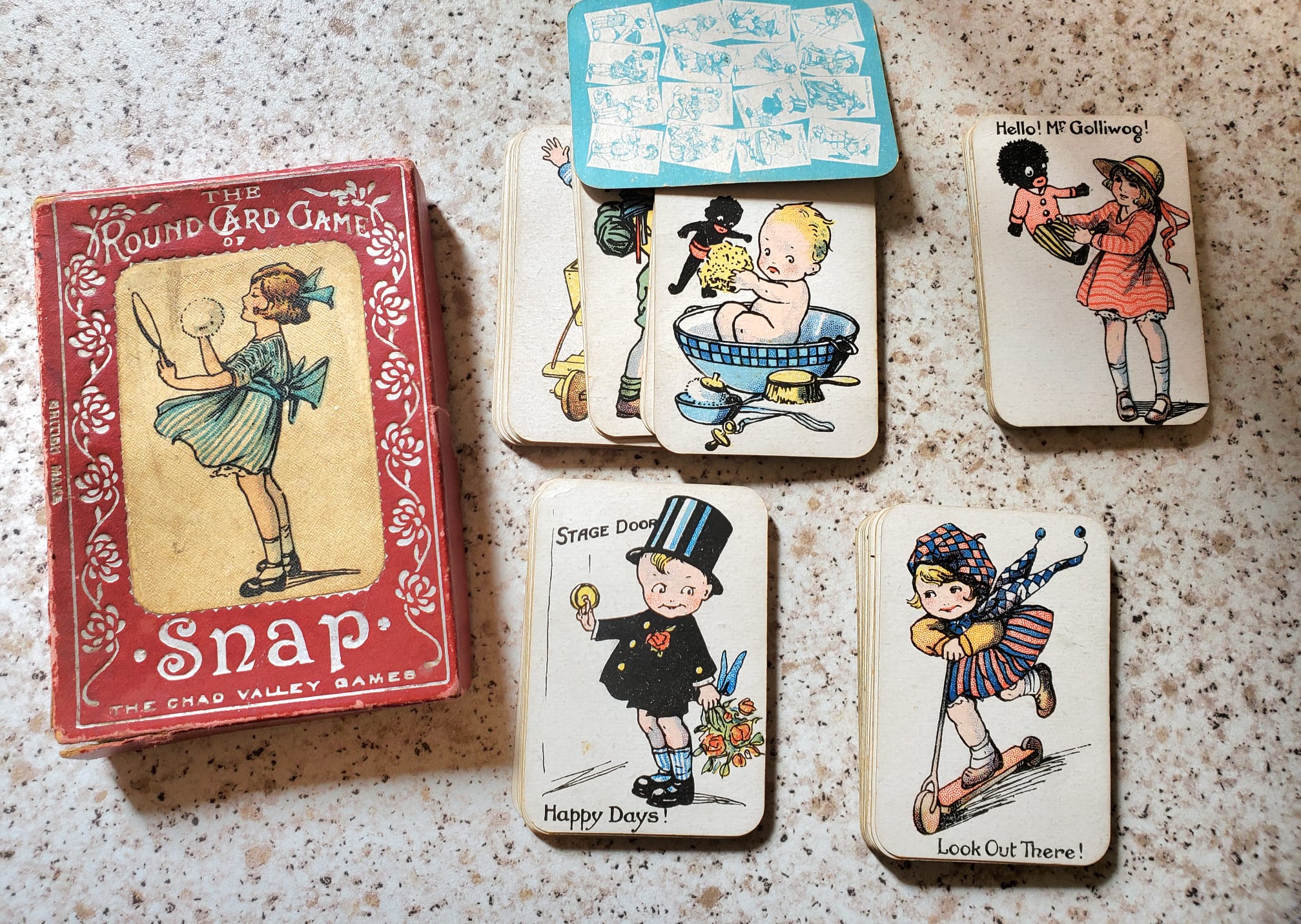
Early Chad Valley Snap, Linda Edgerton
I'm sorting out my box of memories and found an old game of snap which I...
David Phillips • 05 April 2024, 15:54 • 2 Comments
Valhalla spillekort
Characters from the Valhalla comics, designed by Peter Madsen, as commemorated on a Danish stamp.
Roddy Somerville • 05 April 2024, 11:05
So-Lah – A Game of Music
An early 20th century domino-type musical card game by Goodall.
Roddy Somerville • 04 April 2024, 20:28
High School Musical 3: Senior Year
American teen film depicting students staging their last spring musical.
Peter Burnett • 04 April 2024, 19:31
Marmite
Fifty-Four images celebrating a UK savoury spread, that has been around one hundred and twenty two years! It's about time!
Ian Taylor • 04 April 2024, 04:27
Word Making and Word Taking
How crossword and spelling games became popular.
Tony Hall • 03 April 2024, 21:09
Pinocchio playing cards
Comic book drawings inspired by Carlo Collodi’s children’s classic, Pinocchio.
Roddy Somerville • 03 April 2024, 13:36
Le Ore playing cards
Caricatures of famous personalities from the late 1970s for the Italian magazine Le Ore.
Roddy Somerville • 02 April 2024, 18:07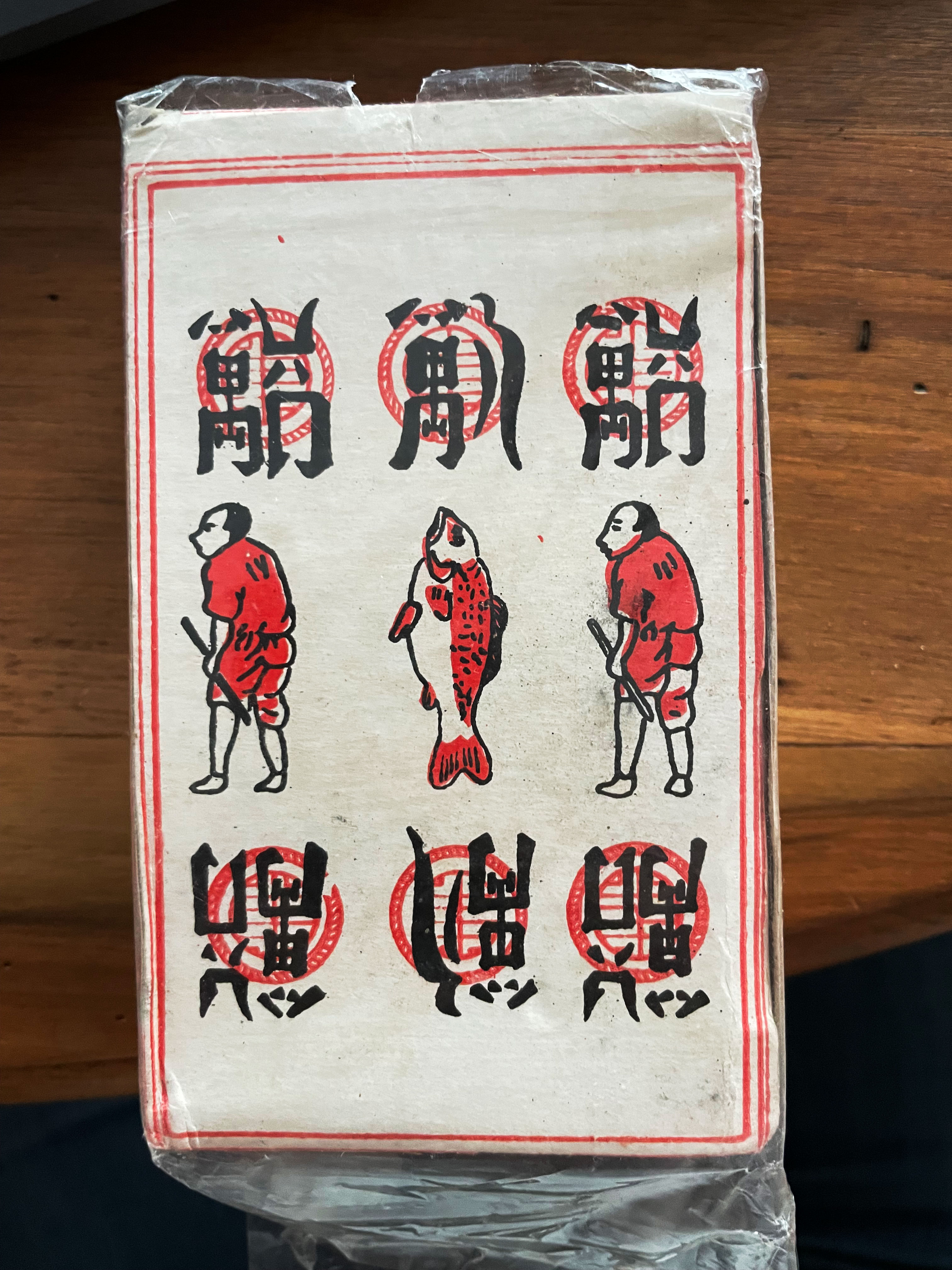
Jeux de cartes To Tom
Bonjour Je possède un jeux de cart...
Plourin • 02 April 2024, 17:14 • 1 Comments
G&G Armament playing cards
G&G Armament Airsoft replica gun playing cards from Taiwan.
Peter Burnett • 02 April 2024, 13:43
Carte Romantiche Italiane
Scenes of life and the theatre in Milan towards the second half of the 19th century.
Peter Burnett • 01 April 2024, 19:14
Walt Disney Cards II
Mickey, Minnie, Pluto and other familiar Disney characters.
Roddy Somerville • 01 April 2024, 13:06
Postabank 3
Caricatures of German personalities on a promotional pack for a Hungarian commercial bank.
Roddy Somerville • 31 March 2024, 20:11
Managing cards without corner indices
For many hundreds of years cards had no corner indices, were square cut and mostly made from card without the smooth, slippery surfaces we enjoy today.
Tony Hall • 30 March 2024, 13:44
Guanlangaoshou / Slam Dunk playing cards
Basketball-themed manga animated playing cards from Japan.
Peter Burnett • 30 March 2024, 11:57
Whatever you’re up to, stay safe
Safety advice playing cards by New Zealand Police and the Wellington City Council.
Peter Burnett • 30 March 2024, 10:45
Postabank 1
Caricatures of Hungarian politicians on a promotional pack for a commercial bank.
Roddy Somerville • 29 March 2024, 13:22
Le Jeu des Musiciens
Artist Silvia Maddonni’s gently humorous take on musicians and their instruments.
Roddy Somerville • 29 March 2024, 11:45
New bond playing cards
I have a pack of new bond playing cards with a fabric finish still inner...
Steve J Hall • 29 March 2024, 02:15 • 1 Comments
Mechanical Decks – Part 2
This article examines the Rough and Smooth principle in mechanical decks used in magic, detailing several types such as the Invisible, Brainwave, Split, and Nudist Decks. It explores their history and...
Roy J Hopwood • 29 March 2024, 02:02
Film Noir
A deck of 55 cards, celebrating hard boiled heroes, wise-cracking women, mean streets, guns and gumshoes!
Ian Taylor • 29 March 2024, 01:43
Science Fiction
A deck of 55 cards, celebrating a time when Science Fiction truly was, Science Fiction.
Ian Taylor • 29 March 2024, 01:43
Absolut Deck
Promotional deck published for Absolut Vodka in Sweden.
Peter Burnett • 28 March 2024, 20:34
Lo Stampatore
‘Lo Stampatore’ linocut images created by Sergio Favret, published as a deck of cards by Editions Solleone / Vito Arienti in 1977.
Peter Burnett • 28 March 2024, 12:15
Les Saints Guérisseurs et Protecteurs
Healing and patron saints portrayed in paintings, manuscripts, altarpieces and statuary.
Roddy Somerville • 28 March 2024, 09:31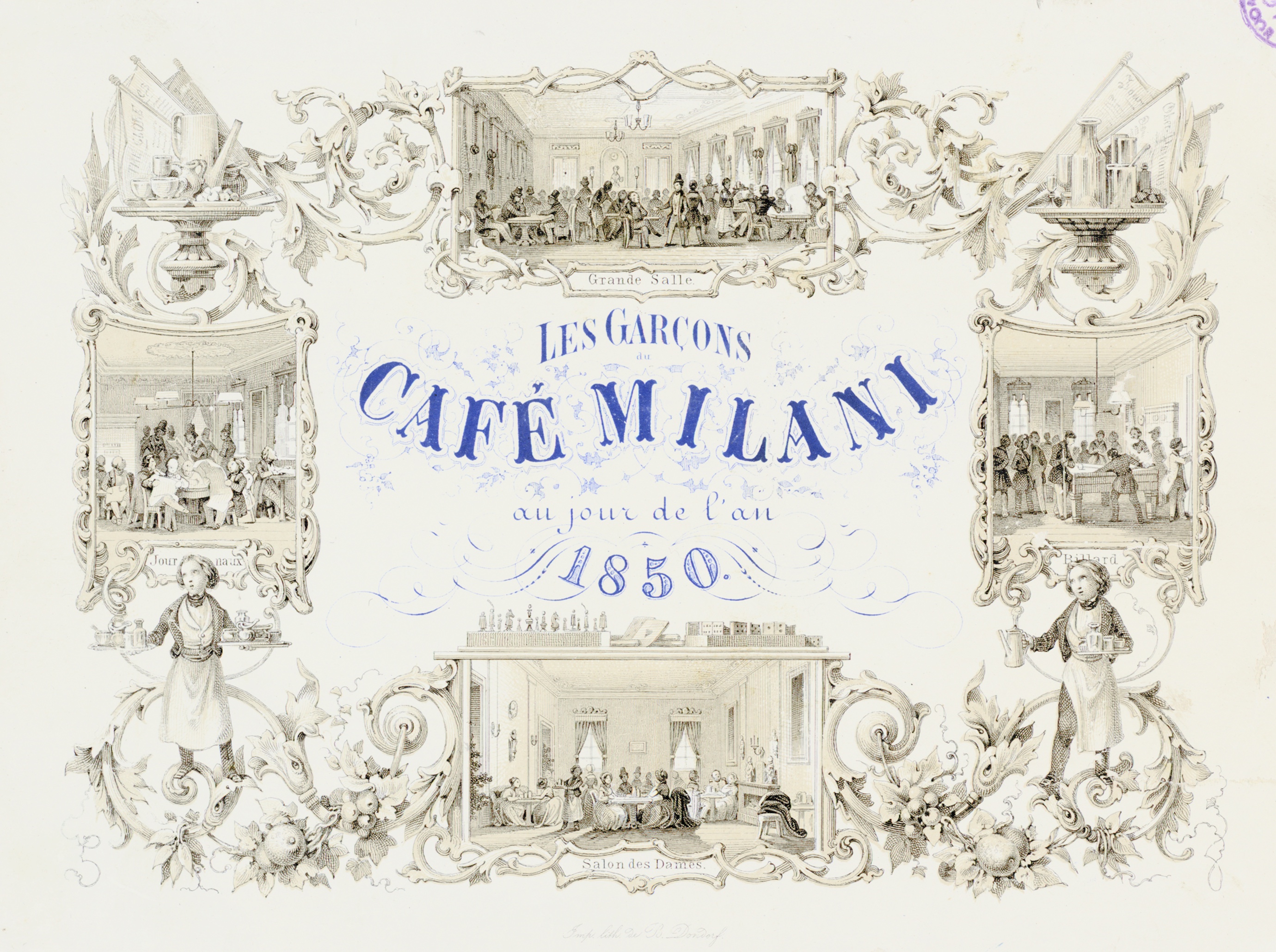
Bernard Dondorf
For an assignment I have to make a...
Jelte Jacops • 28 March 2024, 07:25 • 0 Comments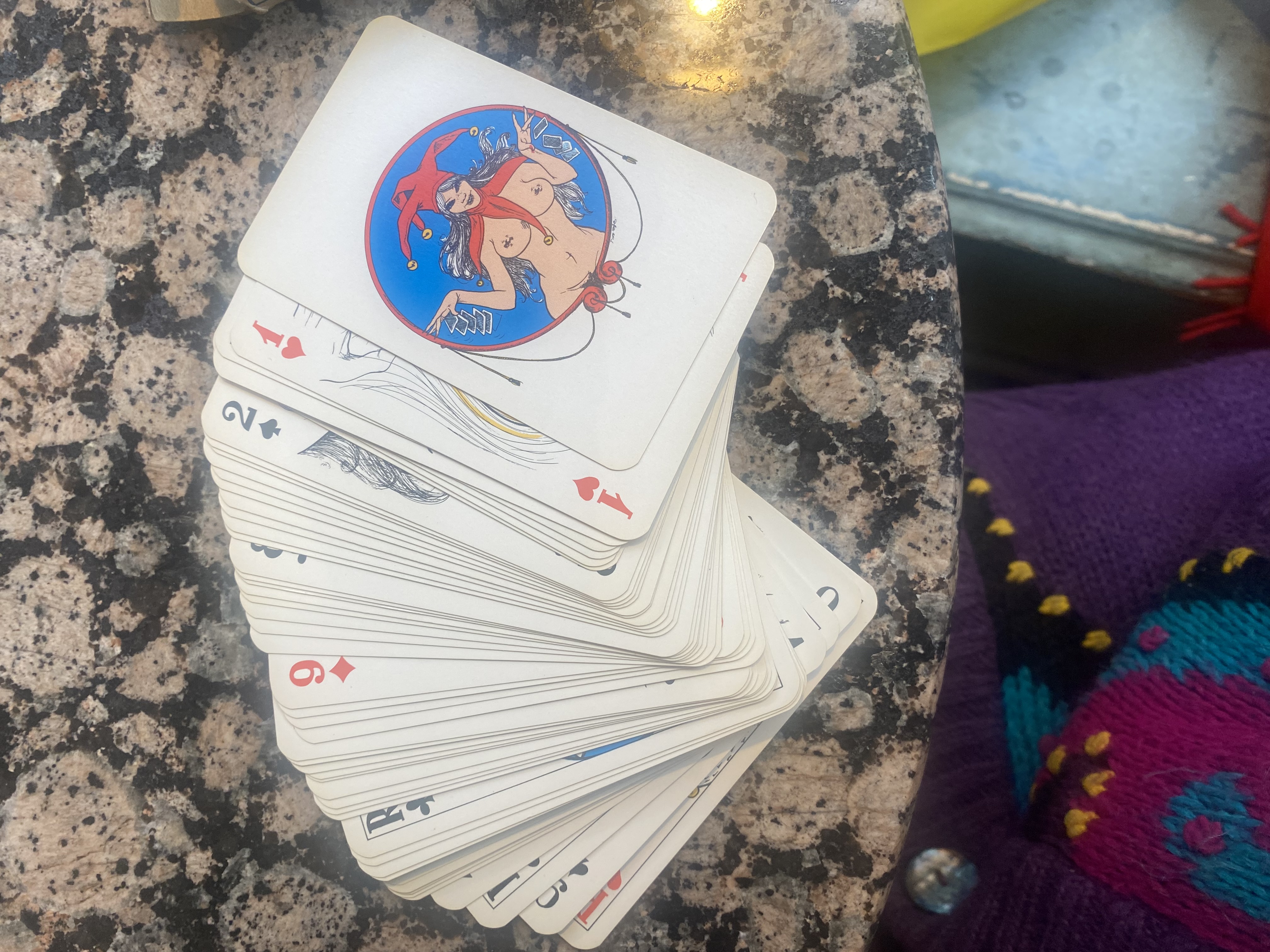













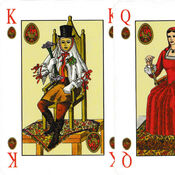
Modet Sardegna
Costumes, masks and symbols from the island of Sardinia, with designs by Luciano Dettori and Tonino ...
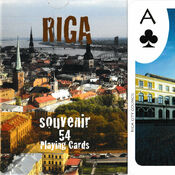
Riga Souvenir playing cards
54 different photographs of Riga, Latvia’s capital.
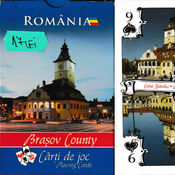
Braşov County, Romania
Souvenir pack featuring fortresses, museums, traditions, folk costumes, flora and fauna of Braşov Co...
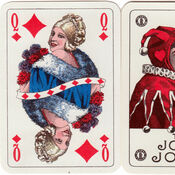
Reo Rex Luxus bild
Celluloid playing cards made in Vienna
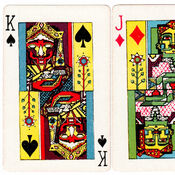
ORIENT The Queen of Cards
A unique Art creation of Subho Tagore
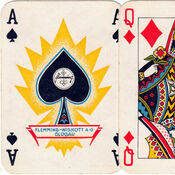
Art Deco playing cards
by Flemming-Wiskott A.G.of Glogau, Germany.
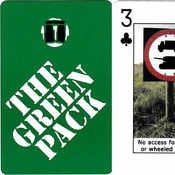
The Green Pack: Salisbury Plain
The Green Pack: Salisbury Plain, United Kingdom, 2004.
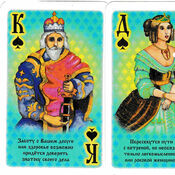
Karty Derzhavnye
Karty Derzhavnye (Sovereign cards) with artwork by S. Zaitsev, Russia, 1997.
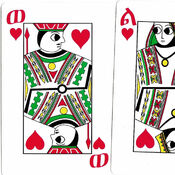
Habesha playing cards
Habesha playing cards published by “Ethiopian Reflection”
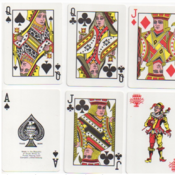
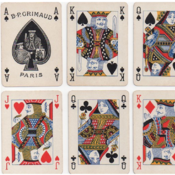
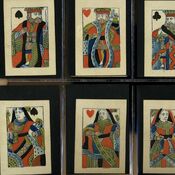
19: 19th Century Breaks With Tradition - Unusual Versions of the Standard English Pattern
The centuries-long tradition of English court cards was subject to misinterpretation and in some cas...

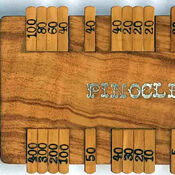
Pinochle
I have always been intrigued by the game Pinochle.
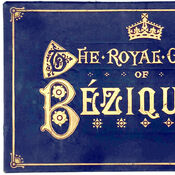
The Evolution of Bezique boxed sets, 1869 to 1990
The first company to register Bezique materials with Stationers’ Hall was Josh Reynolds & Son in Sep...
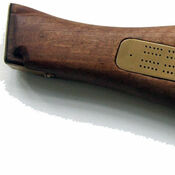
Cribbage Board Collection part 6
A collection of antique and vintage Cribbage Boards by Tony Hall, part 6

Karl Gerich No.19
An unpublished design by Karl Gerich showing 12 court cards, a Joker and two additional cards produc...

B. Dondorf GmbH: Neue Klubkarte No.422
The designs are a meld between the standard international pattern and German-style French-suited car...
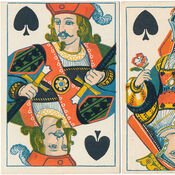
Englische Karten nr.190
Dondorf Nr.190“Englische Karten”, 1867-1895.

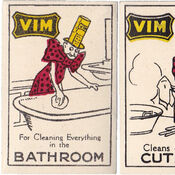
Lever Brothers miniatures
Two miniature card games promoting Vim Scouring Powder and Sunshine Soap, 1930s.
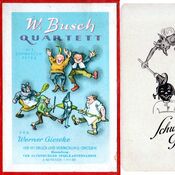
Schwarzer Peter Quartett
“Schwarzer Peter Quartett” game published by VEB Altenburger Spielkartenfabrik with cartoons by Wilh...

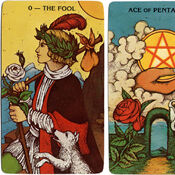
Morgan-Greer Tarot
Based on the knowledge, wisdom and interpretation of Paul Foster Case and Arthur Edward Waite.
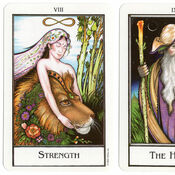
New Palladini Tarot
“The New Palladini Tarot” by David Palladini published by U.S. Games Inc., in 1996.
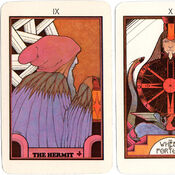
The Aquarian Tarot Deck
The Aquarian Tarot Deck illustrated by David Palladini, published by Morgan Press, Inc., 1970.

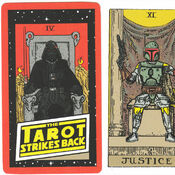
The Tarot Strikes Back
Roy Huteson Stewart's The Tarot Strikes Back combines Star Wars with Rider-Waite tarot imagery.
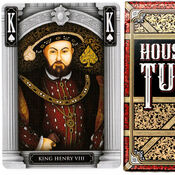
House of Tudor
Randy Butterfield's House of Tudor playing cards feature detailed art in a high-quality collectible ...
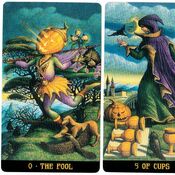
Jack-O’-Lantern Tarot
Giuliano Costa's Jack-O’-Lantern tarot blends Rider-Waite symbolism with the rich and atmospheric th...

Miniature spanish-suited playing cards
Pack of 48 miniature spanish playing-cards published by C R.
Uncut Sheet by Johann Jobst Forster
A proof sheet containing twelve court cards of conventional French type.
Lend Me Five Shillings
or “Her Majesty’s Privy Purse” - a merry round-the-table game published by D. Ogilvy.
The History of Playing Cards

Playing cards arrived in Europe the late 14th century and rapidly became a part of popular culture. Antique playing cards are like a visit to the local museum and evoke images of past eras and ways of life and also demonstrate archaic technology or production methods. So what do the oldest surviving playing cards look like?
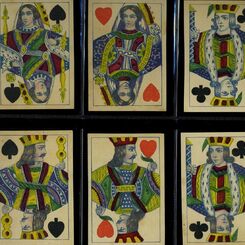
21: Belgian Makers: Brepols and Biermans
Brepols started making playing cards in 1826, although he had been in the printing trade since 1800....
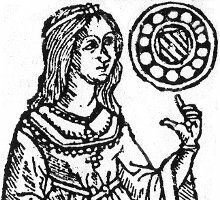
Gothic Spanish-suited cards
These cards may be a typical example of early 'standard' Spanish playing cards, maybe from before Co...

The Combination of Images and Text on early playing cards
When playing cards have titles or legends these reference a written/literary tradition of some form....
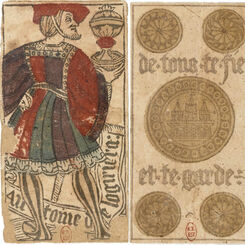
Antoine de Logiriera
Archaic Spanish-suited playing cards published in Toulouse by Antoine de Logiriera (1495-1518).
Art & Design
Design Caricatures Abstract Cartoon Celtic Deco Jugendstil Renaissance Rococo Surrealism
 The playing card calls for artistic treatment and although the constrained size imposes some limitations there is an almost bewildering wealth and variety of designs in playing cards and their tuck boxes. The serious player requires design to be unobtrusive so that aesthetic considerations remain in the background. However, with modern manufacturing technology more eye-catching designs are becoming popular as gifts, collectibles and for their attractive appearance.
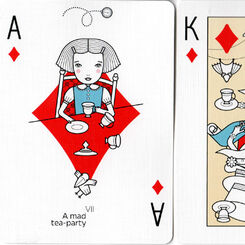
Alice in Wonderland by Sasha Dounaevski
Alice in Wonderland playing cards designed by Sasha Dounaevski, 2018.
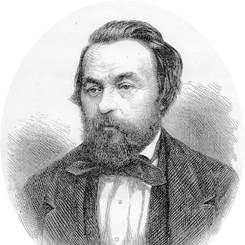
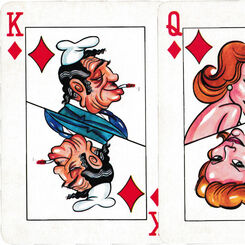
Le Ore playing cards
Caricatures of famous personalities from the late 1970s for the Italian magazine Le Ore.
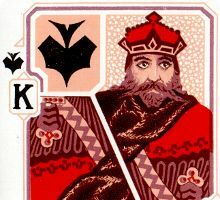
Gedimino Stulpai
Gedimino Stulpai playing cards made in Lithuania by Spindulys Printing Co., Kaunas, depicting Lithua...
Oracle, Divination & Tarot
More recently, Cartomancy and modern esoteric tarot packs have been produced in a wide variety of conceptions and involve use of imagination and intuition to assess one’s thoughts and feelings from the view point of the symbolic images and numbers.
It is possible for an object to be construed as a game in one context, and as something other than a game in a different context.
Tarot, originally a 15th century card game, has evolved into a popular system of personal mysticism, self-exploration and spirituality Learn more about tarot►
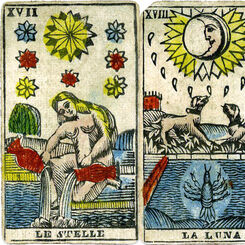
Tarocco Piemontese by Giovanni Rossi
18th c. Piedmont Tarocchi by Giovanni Rossi, Turin.
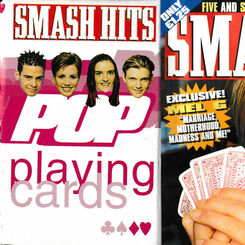
Smash Hits playing cards
Pack of playing cards with pop stars offered free with the Smash Hits magazine.
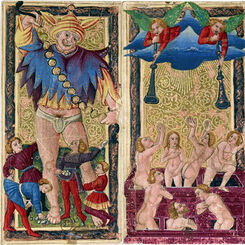
Hand-Painted Tarocchi Cards
Hand-painted Tarocchi cards sometimes known as ‘Charles VI tarot’, North Italy, 1475-1500.
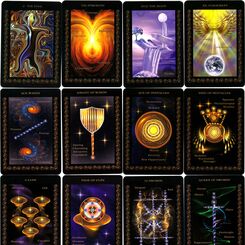
Inner Realms Tarot
Inner Realms tarot was designed by Saleire, conceived from sacred geometry, and aims to reflect this...



The games we play mirror the world we live in, like popular art. There was a time when friends and family played indoor games by the fireside and enjoyed countless hours of pleasure and amusement. Children don’t play card games so much because they prefer computer games, the ultimate excitement. Antique and vintage card games offer documentary evidence, as well as nostalgic memories, of the social interaction, fashions and stereotypes of bygone days and are a study in social anthropology.
French card games are mostly Jeux des Sept Familles. German games are often pleasing on the eye, and they seem to favour quartet games. USA love quartets of world worthies like authors, painters, composers. Games are not simply an escape from the real world, they are also educational and provide a place to process what it all means.
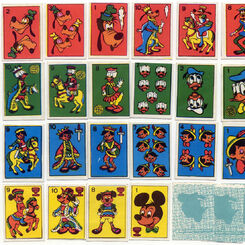
Walt Disney playing cards
‘Naipes Donald’, children's miniature Spanish-suited Walt Disney playing cards, Uruguay, c.1990.
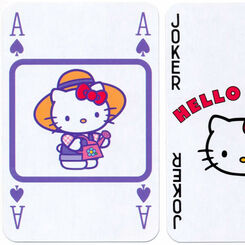
Hello Kitty
Waddington’s “Hello Kitty” themed deck produced in 2009.
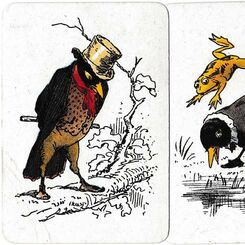
Bread & Honey
A charming Victorian family card game involving Clowns, Queens, Kings, Maids and thirty-seven Blackb...
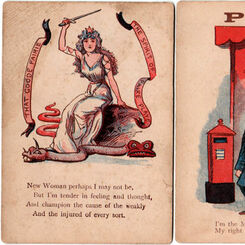
District Messenger
District Messengers were uniformed young men wearing little pill-box hats and mounted on bicycles wh...
The Big Picture
Playing cards have a universal appeal and are a reflection of human culture.

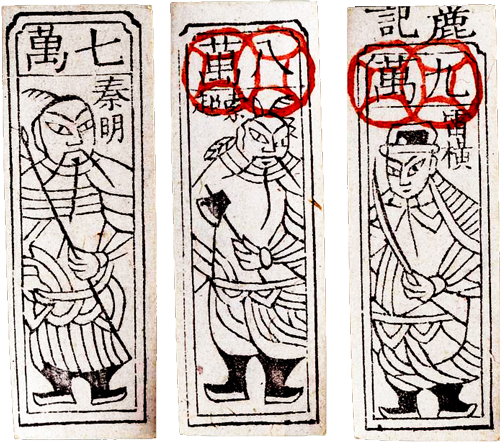
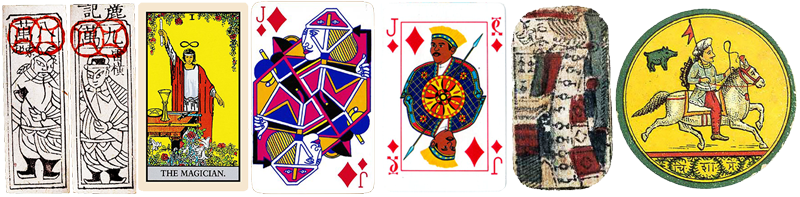
Above: Chinese money-suited cards. Some of the earliest cards have origins in the Far East.
Playing cards are a part of almost every culture and society around the world. These small, rectangular pieces of paper have been a source of entertainment for generations and are still enjoyed by people of all ages today. Whether it’s a simple game of solitaire, a high-stakes game of poker, or a magic trick that delights, there’s something about playing cards that captures the imagination and inspires creativity. As Delef Hoffmann once said “whether we consider cards as mere merchandise or as the bond which unites people with one another, just think of what we would be if we had no cards! How boring and unsociable our lives would be without this invention!”
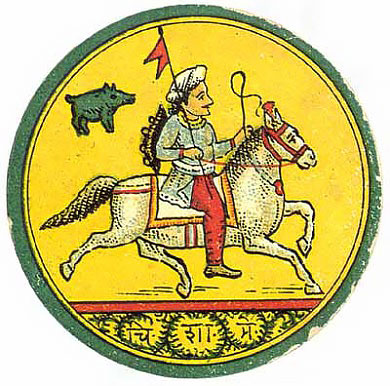
Above: Dasavatara Ganjifa from India. Playing cards from India are often circular.
The origin of cards can be traced back to China, where they were first used as early as the 9th century. From there, the cards travelled across Asia and the Middle East, and finally found their way to Europe in the 14th century.
Since then, playing cards have been used for a wide range of purposes, including fortune-telling and even propaganda. But the most significant impact they have had on humanity is through their use in games, which have brought people together for centuries.
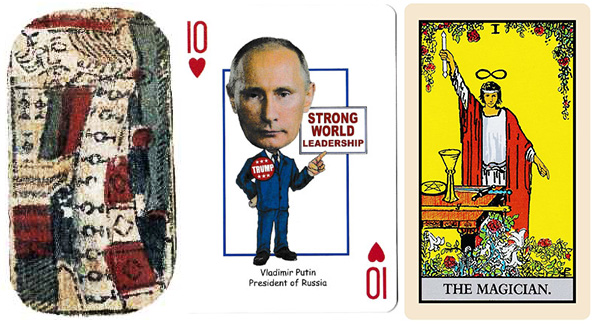
Above left: a set of Spanish playing cards from 1638 was discovered inside a prison wall during demolition, likely used for gambling by prisoners. Above center: Trump Presidential playing cards, playing cards are often used for political messages. Above right: the Magician from the popualr Rider-Waite tarot, which has become the template for modern tarot decks.
While playing cards have brought people together for fun and play, they have also been a source of disruption in the form of gambling. For many, gambling has become an addiction, leading to financial ruin and even anti-social problems.
The artistic value of cards cannot be overlooked, with their intricate details and unique designs of each card reflecting the creativity and ingenuity of artists. Playing cards are a reflection of our society, with each country and region having its unique designs and styles. As Sylvia Mann put it “there are fashions in cards, and these fashions very often reflect the history of the times”. From the bold and colourful designs of India to the intricate and detailed patterns of Russia, playing cards are a testament to the creativity and diversity of the human experience.
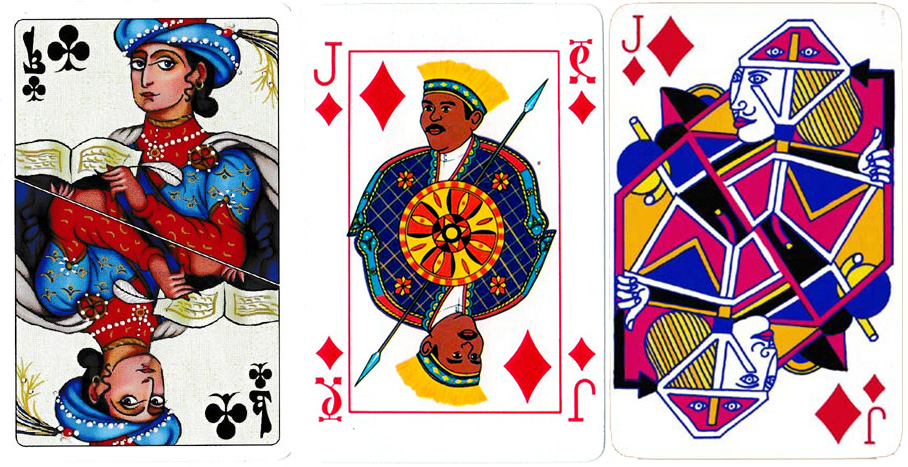
Above left: Kashmir Playing Cards, above center: Ethiopian Air Lines playing cards produced by Nintendo, above right: striking playing cards designed by Masuo Ikeda.
Playing cards have a wide embrace, spanning across cultures and countries, with a scope of diverse subjects that reflect the values and beliefs of their respective societies.
Playing cards are an enduring symbol of human connection and creativity, transcending language, borders and cultures. Through the power of games, they have brought people together for centuries, creating shared experiences that have fostered friendships, learning and social bonds. While their role in gambling has been disruptive, their stunning artistic designs elevate them to works of art, worthy of appreciation and admiration. Playing cards are a testament to the power of human creativity and a reflection of the rich cultural tapestry of our world.
References
- The Playing Card, Delef Hoffmann, 1972
- Collecting Playing Cards, Sylvia Mann, 1966
Contribute to the World of Playing Cards
We are searching for fresh voices to collaborate with and contribute to the growth of the World of Playing Cards.
If you have an interesting perspective, idea, theory, opinion, observation, or how-to guide related to playing cards that you’d like to share, then fill in the form below.
We are currently in search of:
- Reviews of card decks
- Reviews of literature related to playing cards (such as books on tarot, playing card magic or card games)
- Previews of upcoming playing card projects
- Interviews with designers
- Academic articles
- Research-based articles
Additionally, you can:
- Advertise a list of items for sale
- Promote a Kickstarter project
- Create your own playing card blog
- or just share your personal collection
It is important that the article you submit be entirely original content. Every article published will include an "About the Author" section with a link to your website, an avatar photo and a one-sentence bio.
How to Contribute?
Fill in the form below and we will get back to you.
About the World of Playing Cards
Our aim is to increase awareness and appreciation of the cultural and historical significance of playing cards.
The World of Playing Cards was established in 1996 as a place where you can learn about playing cards, their history, design and manufacture, and see cards from around the world.

Simon Wintle (right) with Adam Wintle (left) visiting Ayutthaya in Thailand, 2016.
They reflect the traditions of many countries. They vary widely in size, style, shape, artistry, usage and many other purposes in education, marketing or even for fortune telling. There is a fascination in playing card design: the neat symmetries and quirky symbols. The composition of the pack - court cards, suits, pips - provides endless scope of play.
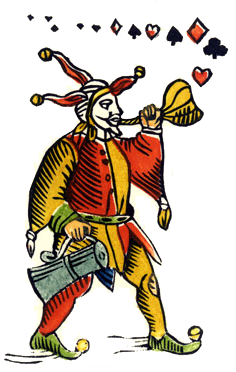
They are recognised everywhere around the world - we rarely question their origins.
Since their invention, cards have lost none of their popularity. Playing cards have a long history and it's in the art that the richness of playing cards is to be discovered.
Simon & Adam
We humbly ask for your help
We’re a team of two that depends on donations to ensure the site remains online and thriving.
We intentionally keep the site ad-free. Whilst revenue generated from advertisements could give us the resources to improve the website, on the other hand, advertising may be at odds with our mission and our aims to educate. By their very nature ads are biassed content intended to influence people.
The amount you donate is up to you and we are grateful that so many people find value in the World of Playing Cards and want to sustain its future.


