


Torras y Sanmartí
Torras y Sanmartí y Cía, Barcelona, 1830.
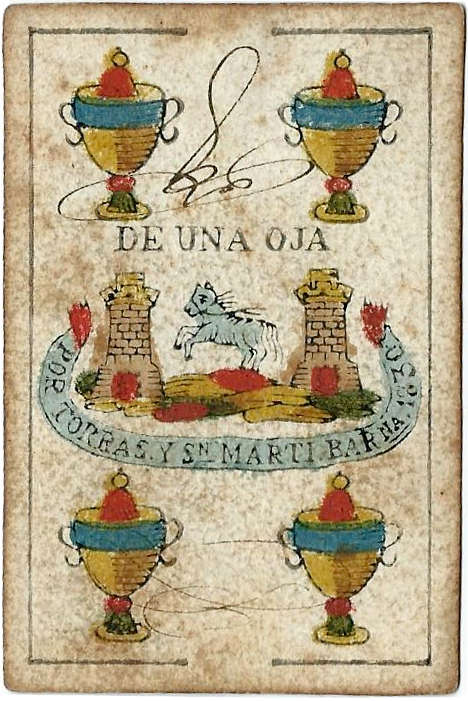
Torras y Sanmartí, Barcelona, 1830
Torras y Sanmartí is registered as a cardmaker in Barcelona between 1823-1834. The design of the cards is an early version of what evolved into the “Spanish Catalan” pattern by the end of the century, moving away from archaic or baroque traditions towards simpler designs, although this example still retains features from the former “Spanish National” pattern. The Four of Cups (click image to right) has a device of a horse between two towers, and bears the tax collector’s signature. The Ace of Coins has a medallion with a laurel-crowned head above an angel carrying a cornucopia. The court cards stand on little plinths.
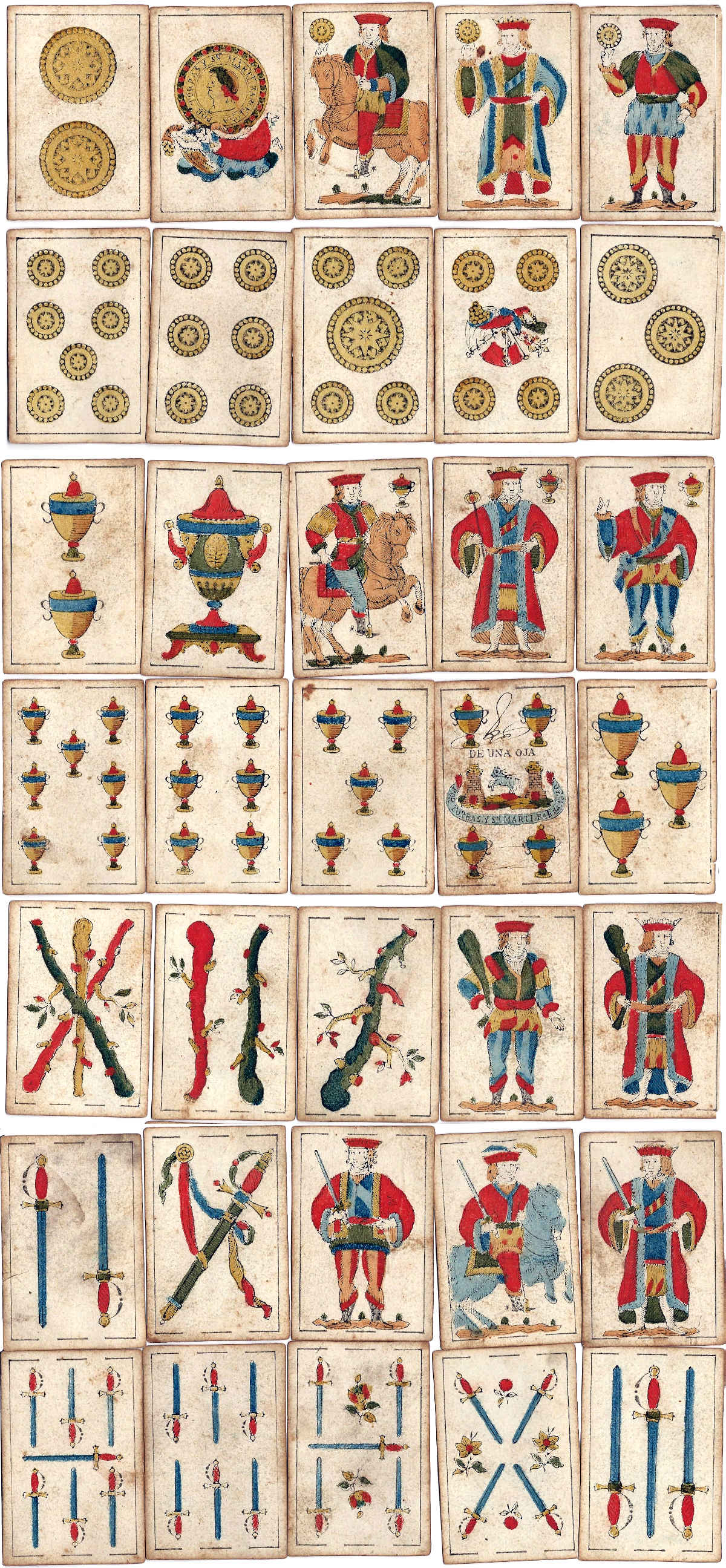
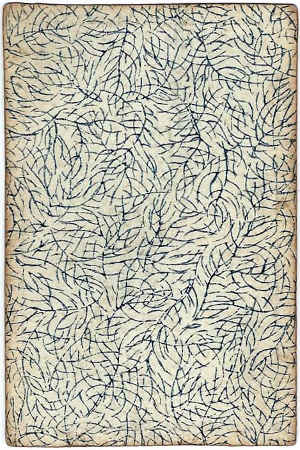
Above: these cards are from Fort Madison Iowa (USA). This is the first part of the state of Iowa to be settled. Very early in the 1800s a Fort was established on the Mississippi River. It was as an early trading area for traffic going west in the settlement of the United States. The backs are decorated with a randomised repeating pattern in blue. The words “De Una Oja” on the Four of Cups refers to the manufacturing process, in that the cards are printed on a single sheet of card, not a 2 or 3-ply laminated cardboard. Images courtesy Larry and Tammy Northup.
See also: Sanmarti, 1840 →
REFERENCES
Ferro Torrelles, Victor: Registro de Naiperías Españolas 1380-2004, Asescoin, Madrid.
O'Donoghue, Freeman M: Catalogue of the collection of playing cards bequeathed by Lady Charlotte Schreiber, Trustees of the British Museum, London, 1901
An earlier example dated 1829
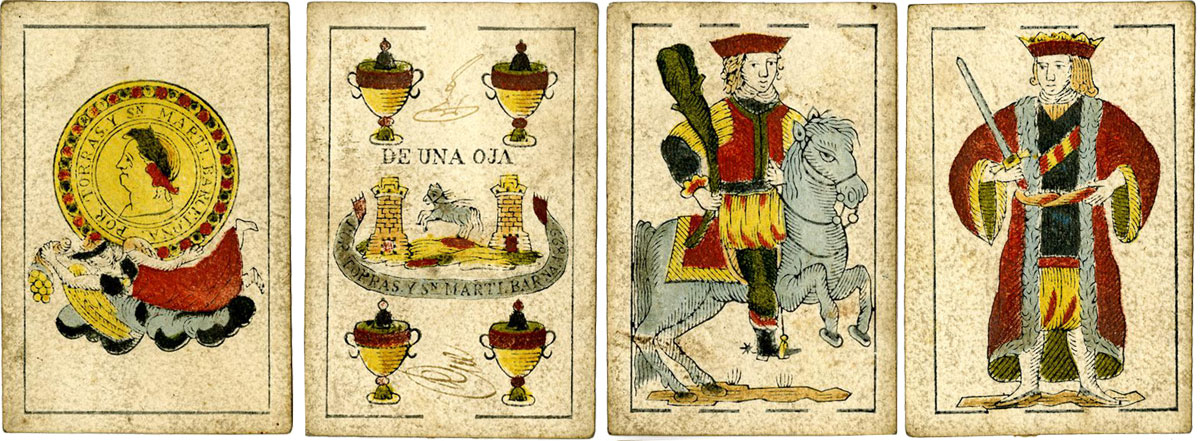
Above: four cards from a similar pack produced by Torras y Sanmartí, dated 1829 on the four of cups. Backs printed in blue with a small pattern. © The Trustees of the British Museum • Museum number 1896,0501.828►

By Simon Wintle
Spain • Member since February 01, 1996
I am the founder of The World of Playing Cards (est. 1996), a website dedicated to the history, artistry and cultural significance of playing cards and tarot. Over the years I have researched various areas of the subject, acquired and traded collections and contributed as a committee member of the IPCS and graphics editor of The Playing-Card journal. Having lived in Chile, England, Wales, and now Spain, these experiences have shaped my work and passion for playing cards. Amongst my achievements is producing a limited-edition replica of a 17th-century English pack using woodblocks and stencils—a labour of love. Today, the World of Playing Cards is a global collaborative project, with my son Adam serving as the technical driving force behind its development. His innovative efforts have helped shape the site into the thriving hub it is today. You are warmly invited to become a contributor and share your enthusiasm.

Activity for Torras y Sanmartí
Sign in to comment or save this article.

Related Articles
Illustrated Playing Cards
Illustrated (or “pictorial”) playing cards replace the standard faces with scenes and text, turning ...
Sant Jordi playing cards
Catalonia’s patron saint celebrated on cards with non-standard suits designed by Jan Baca and Marta ...
Giovanni Battista Marcovich
An early example of the Triestine pattern.
Are Playing Cards a Good Investment?
Playing cards can appreciate modestly, with historical annual gains of 2-3%. Rare cards offer higher...
José Maria Durán
Spanish Catalan pattern by José Maria Durán, Barcelona, c.1870.
Gaudí playing cards
Gaudí playing cards with photography by Ramon Manent, Spain, 2002.
Gaudí poker
Gaudí poker playing cards illustrated by Josep Opisso, Spain, c. 1992.
Festa Major de Vilafranca 1988
Colourful figures associated with the annual festival held in Vilafranca, Catalonia.
Chinese Money-Suited Playing Cards from the British Museum
This deck of Chinese playing cards, donated to the British Museum in 1896, is believed to have been ...
XV Century Spanish-suited playing cards
XV Century Spanish-suited playing cards with moorish influences
Heráldica Castanyer
Spanish Catalan pattern No.6 by Heráldica Castanyer, Sabadell (Barcelona), c.1980.
Mas-Reynals Catalan Pattern
Mas-Reynals standard Catalan pattern comes in several slightly different versions.
Baraja Cartomántica Chocolates Nelia
Some examples of playing cards made in Catalonia from the collection of Iris Mundus, Barcelona.
Artistas del Cine
Advertising pack designed by J. Passos and first printed by Cromografía Irández, Barcelona, c.1926. ...
XV Century Catalan playing cards
XV Century Catalan Playing Cards, featuring four female Sotas, four Aces and four cards from the sui...
Vic Joc de Cartes
Vic Joc de Cartes, happy families quartet game, 1990.
Gothic Spanish-suited cards
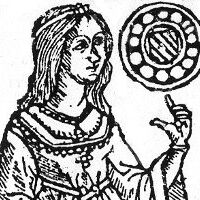
These cards may be a typical example of early 'standard' Spanish playing cards, maybe from before Co...
Spanish National Pattern
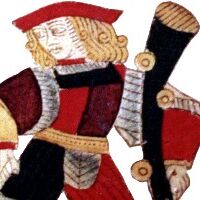
Probably originating in Spain in the seventeenth century or even earlier, this pattern became strong...
Juan Roura, Barcelona (1872 - 1962)
Juan Roura produced a range of popular designs including Catalán, Castilian and Cádiz patterns for d...
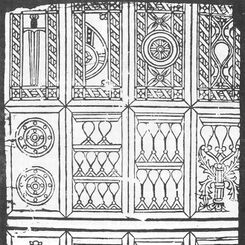
A Moorish Sheet of Playing Cards
This article was originally published in “The Playing-Card”, the Journal of the International Playin...
Most Popular
Our top articles from the past 60 days


