


Some Facts About Facsimiles
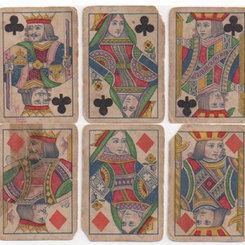
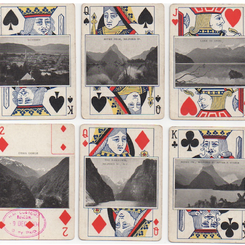
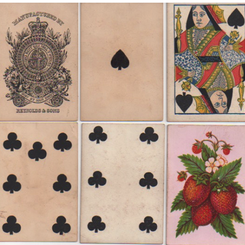
A short note on facsimile decks: what counts as a facsimile, how reprints differ from originals, and examples that show where collectors can be caught out.
Unable to preview PDF directly.
Download PDF to View
By Rod Starling (1936-2023)
United States • Member since January 09, 2013
Rod Starling was one of the founding members of the 52 Plus Joker card collectors club. He authored many articles for the club's quarterly newsletter, Clear the Decks. His collection encompasses both foreign and American decks. Rod also authored a book titled The Art and Pleasures of Playing Cards.

Activity for Some Facts About Facsimiles
Sign in to comment or save this article.

Related Articles
The Dark Knight Joker Calling Cards
Joker “Calling Card” set issued in connection with the film The Dark Knight (2008).
The Place of the Fool
This paper considers three questions relating to the Fool-card in the tarot-pack.
Three Rare Playing Card Back Designs
The Norwood 85 (USPC, c.1909): a very scarce American deck with two fine art back designs, apparentl...
Tales from the Stage
Theatrical and film souvenir playing cards (c.1895–c.1925), with notes on selected performers and pr...
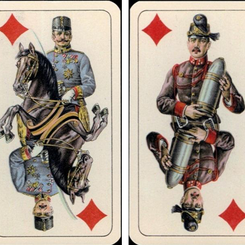
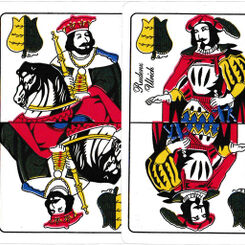
Fake ‘Four Seasons’ pattern
More than just a copy, this is a fake!
Shipman’s Guide: early card-packs and the Arcana
In late medieval Europe, among the various forms of card-sets that were tried, two were apparently f...
-altenburger-vss/cover/ass-west-and-east-altenburger-vss.31fd9370.jpg "ASS (West & East), Altenburger, SS")
Most Popular
Our top articles from the past 60 days


