


Moorish Deck
Review of “Trzes’ Moorish Deck” facsimile published by Ulrich Kaltenborn, Berlin, 2023.
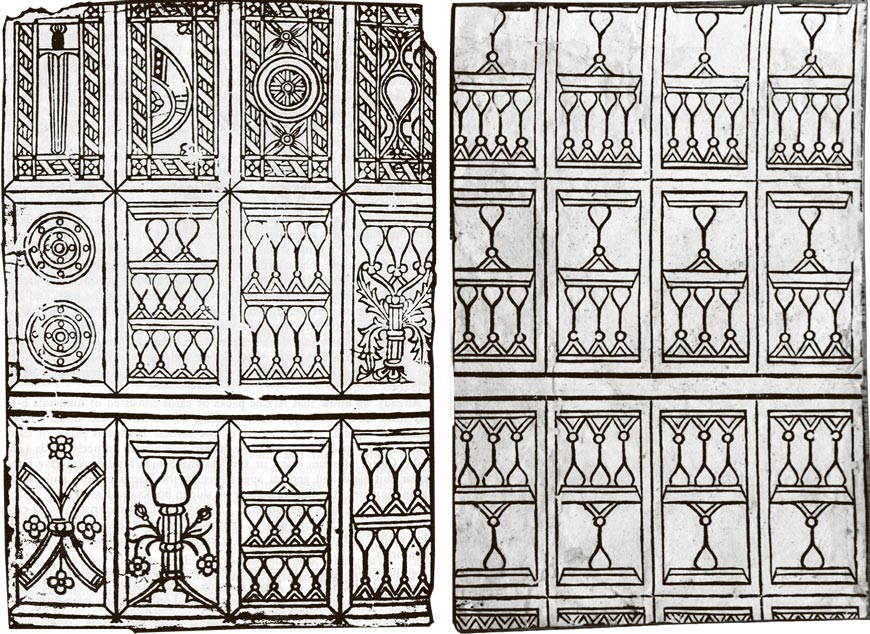
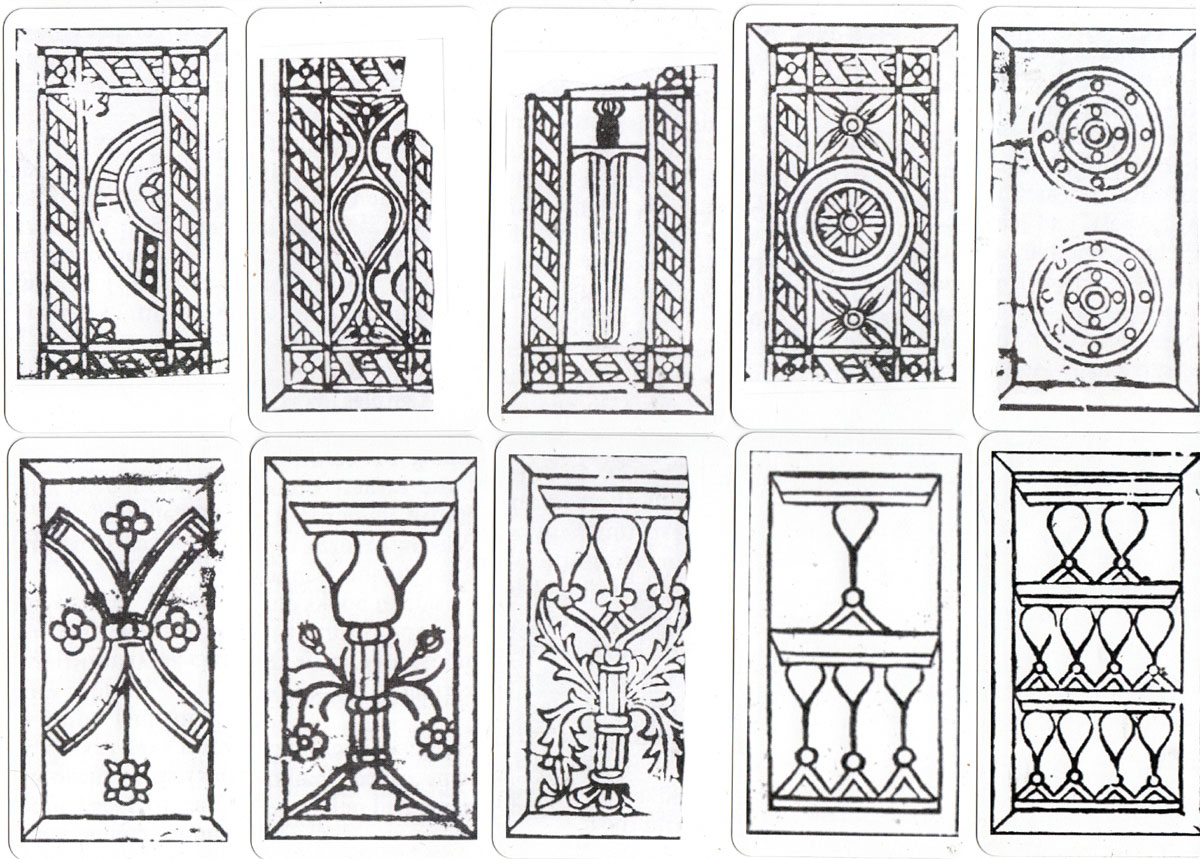
Above: the two uncoloured sheets of early Moorish playing cards (c.1420) formerly preserved in the Instituto Municipal de Historia in Barcelona.
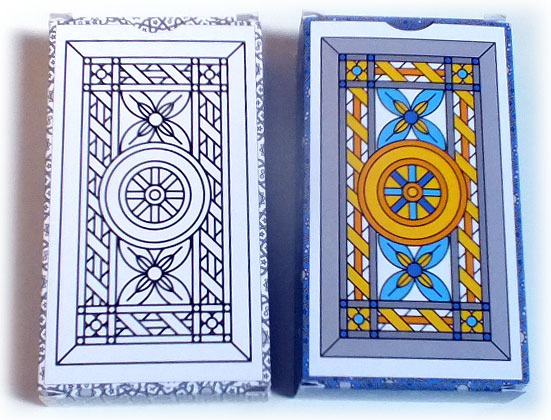
Above: there are two versions of Ulrich Kaltenborn's new edition, an uncoloured and a coloured version.
This is a recreation produced by Ulrich Kaltenborn based on the two sheets of Moorish playing cards which I discovered in the Instituto Municipal de Historia in Barcelona in 1987. Having made a prior appointment to view some early playing cards I was greeted on arrival and presented with a selection which turned out to include two sheets of Moorish cards. This was quite an unexpected surprise.
Over 35 years later, Kaltenborn has taken a fresh look at these cards and produced an original and plausible new perspective. His Kickstarter campaign for this project raised €4,288 from 75 backers.
First, some background data.
We know from documentary evidence (dictionaries, inventories, wills, etc) that the Catalan word for playing card, ‘naip’ or ‘nayp’, has been recorded since 1371 and derives from the Arabic word na’ib (deputy, viceroy or governor who is a court figure). This word is ‘naipe’ in Spanish.
In a Barcelona inventory from 1414 we find an entry “j joch de nayps moreschs” which means “1 pack of Moorish playing cards”. Another inventory dated 1439 records "x jochs de naips moreschs; iij altres jochs de naips plans petits" (10 moorish packs and three other small plain packs). "Moorish" playing cards were evidently recognised in Barcelona at that time, and distinguished from other varieties of cards.
None of these early literary references mention how many cards the Moorish packs contained, nor the structure of the pack. These references are also earlier than the Topkapi museum Mamluk pack, which is a luxury and more evolved version of the Moorish cards or “nayps moreschs”. Thus the Moorish cards are a link between Arabic playing cards and the emergence of playing cards in Europe; Kaltenborn coined the phrase “the little sister of the mother of all European playing cards".
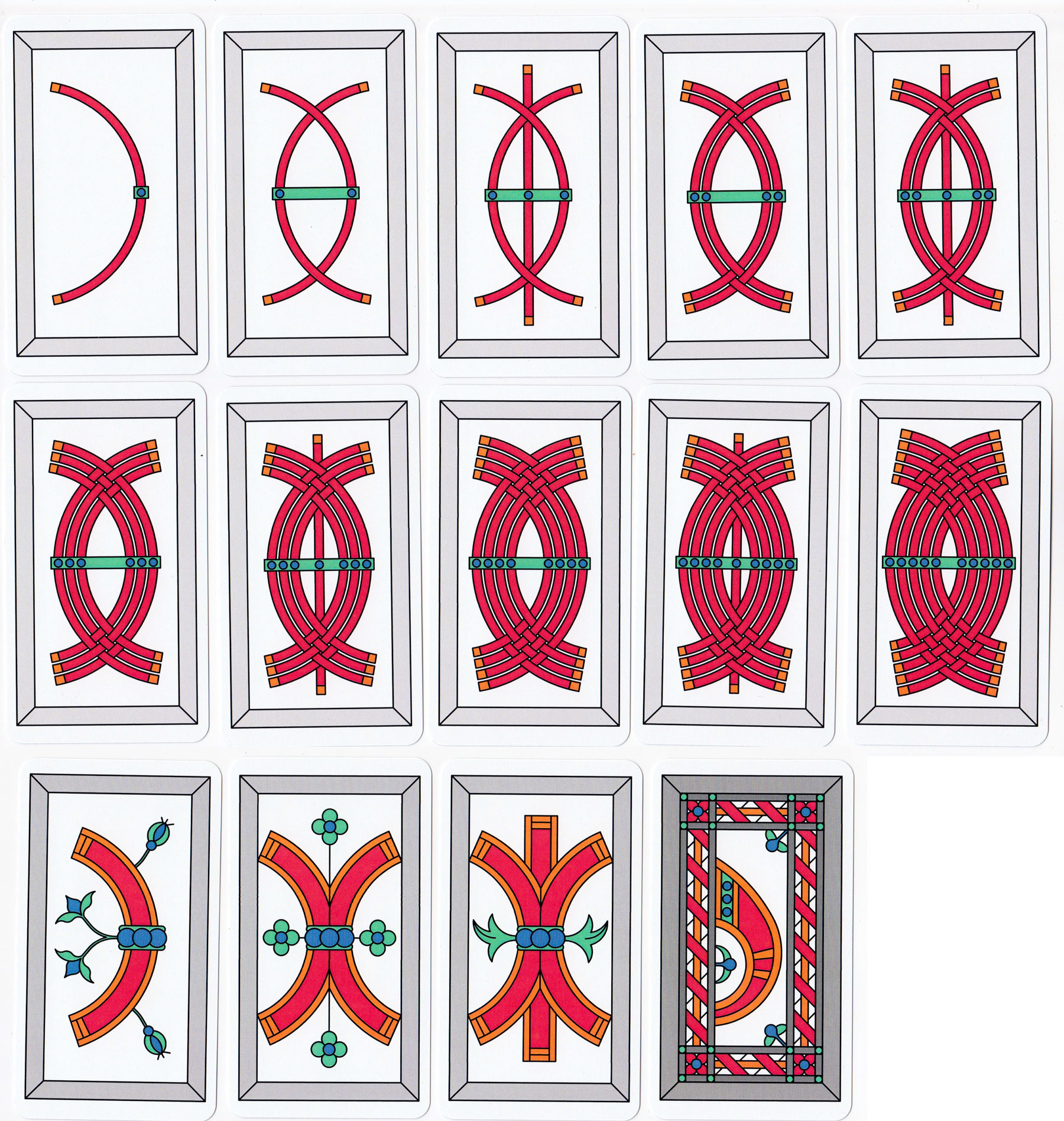
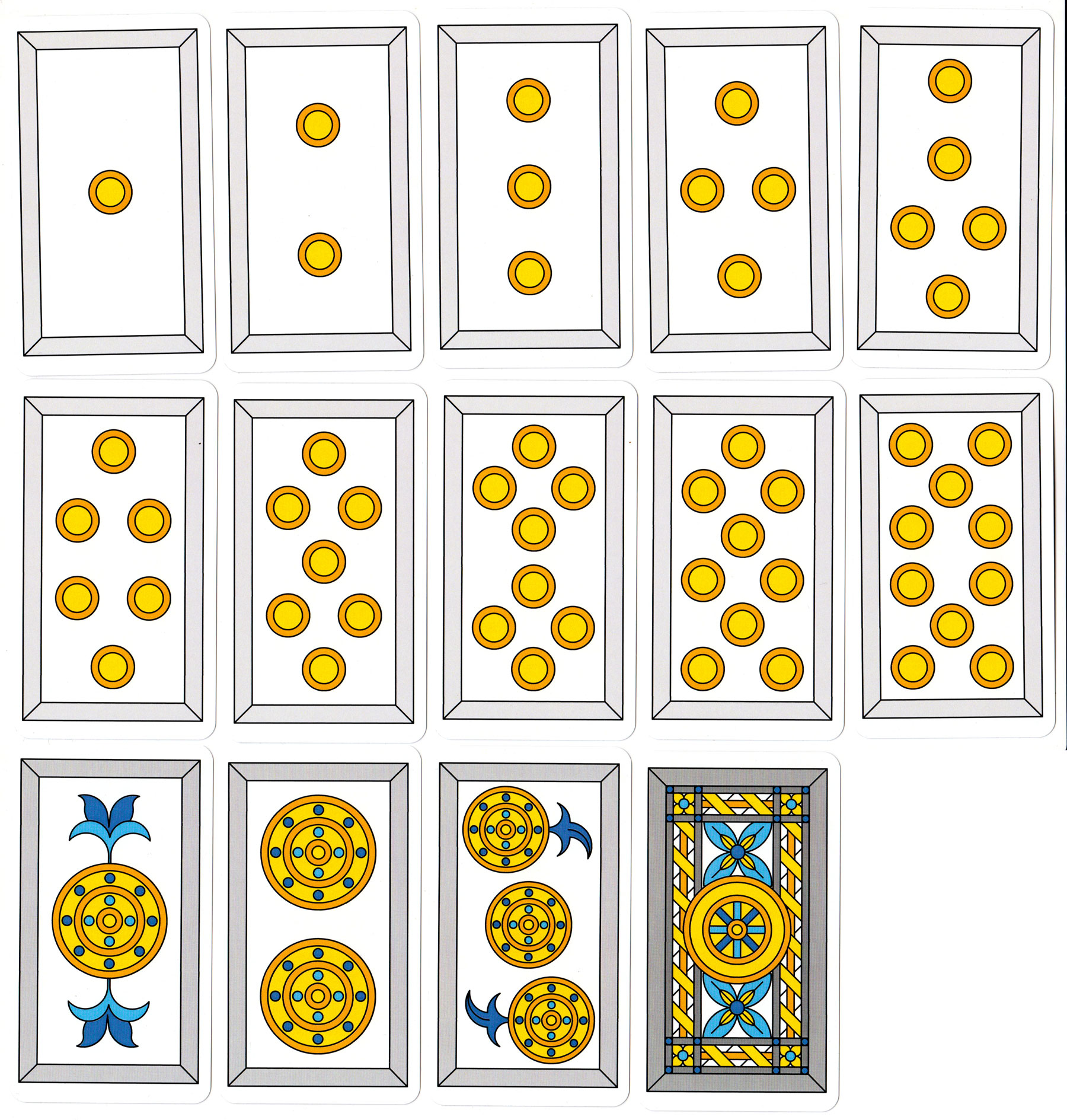
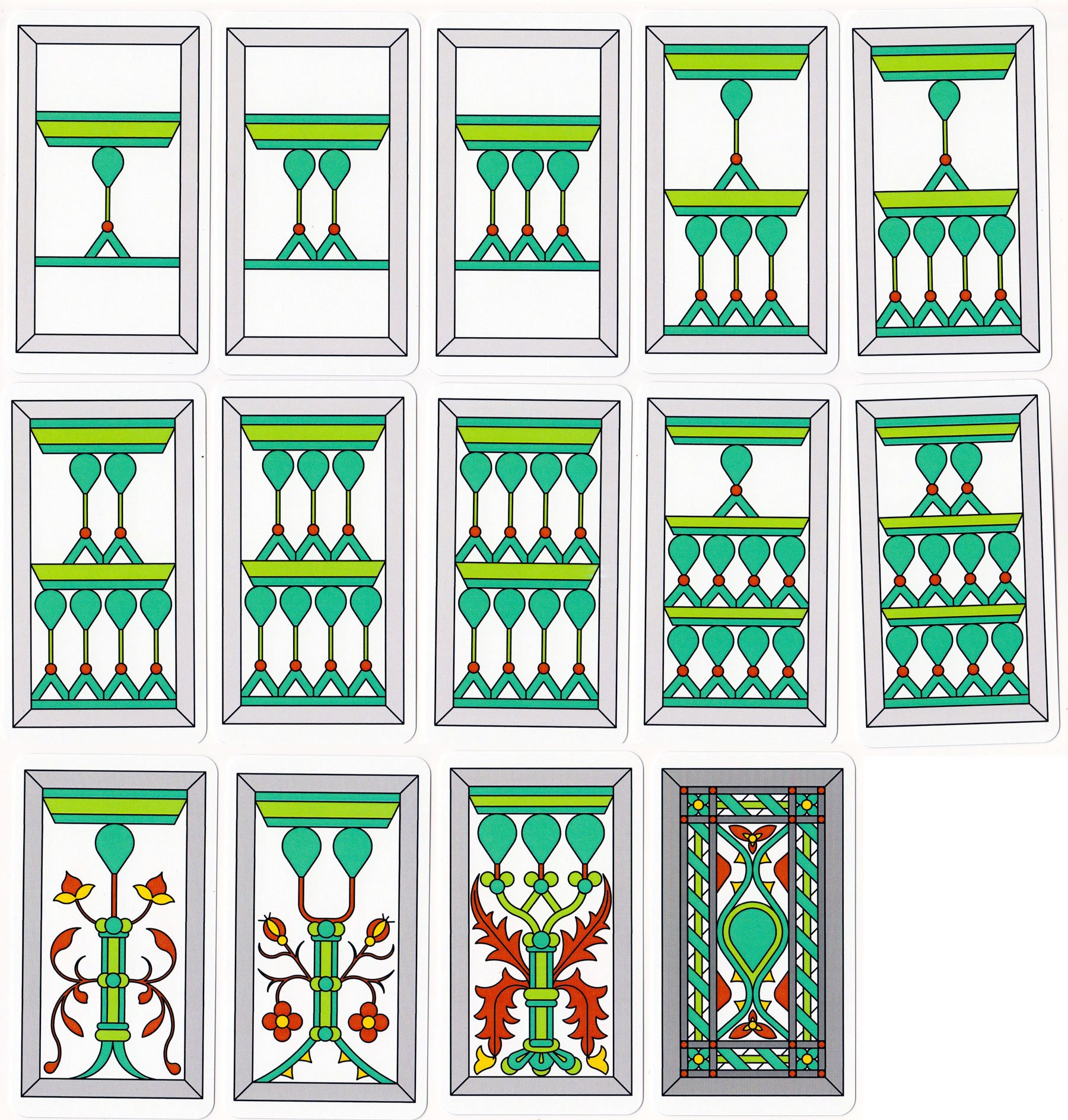
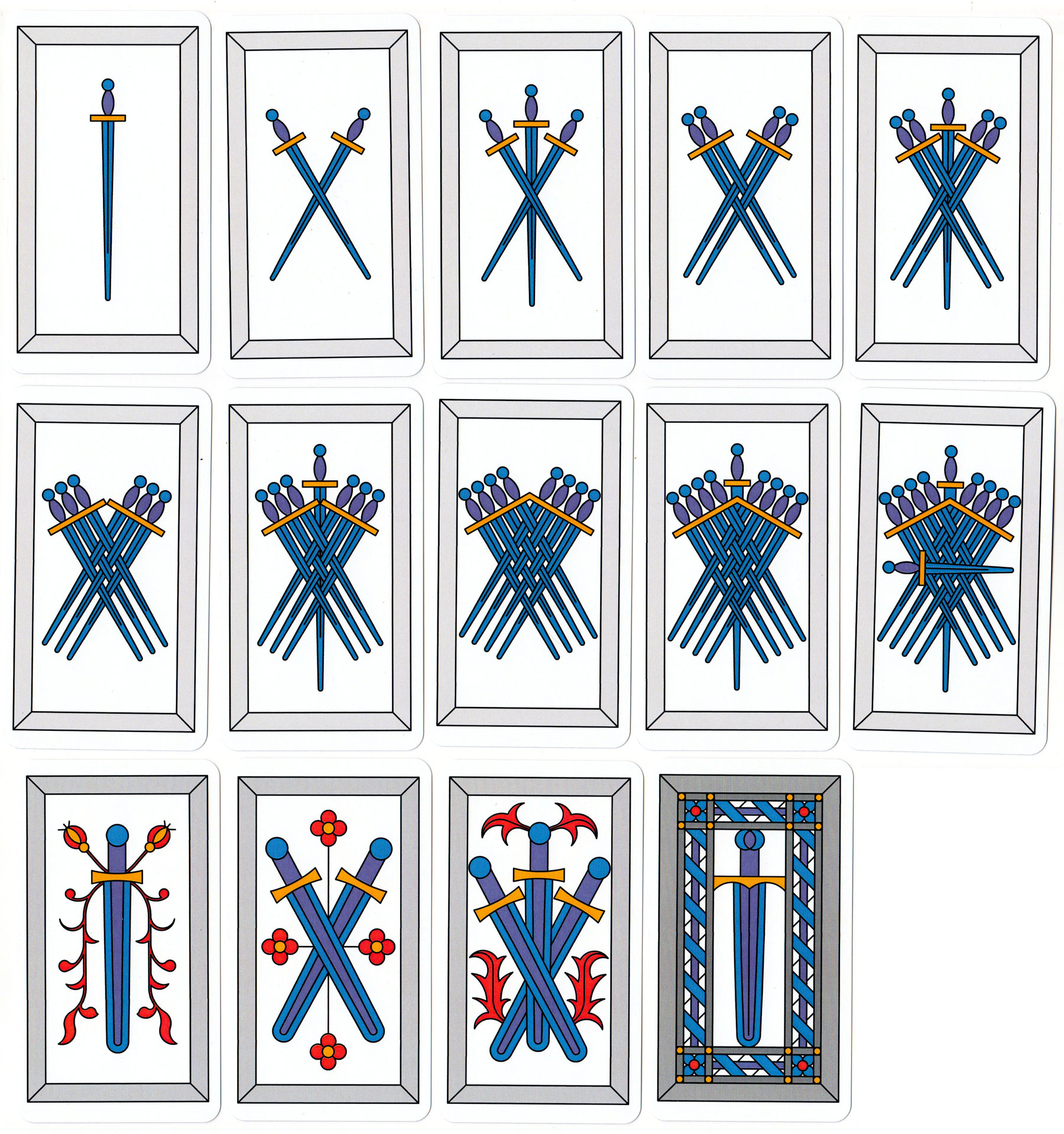
Kaltenborn’s new edition of the Moorish deck comes in two versions: black-and-white and coloured. It includes facsimiles of the surviving original cards, plus a 56-card recreated pack in which the missing cards have been imaginatively conceived. Interestingly, he has reconstructed it as a 56-card pack with numerals 1-10 plus four court cards per suit, in line with the format in which early Italian playing cards and tarot appeared, and also featured in his facsimile of the Mamluk deck.
Uncoloured version
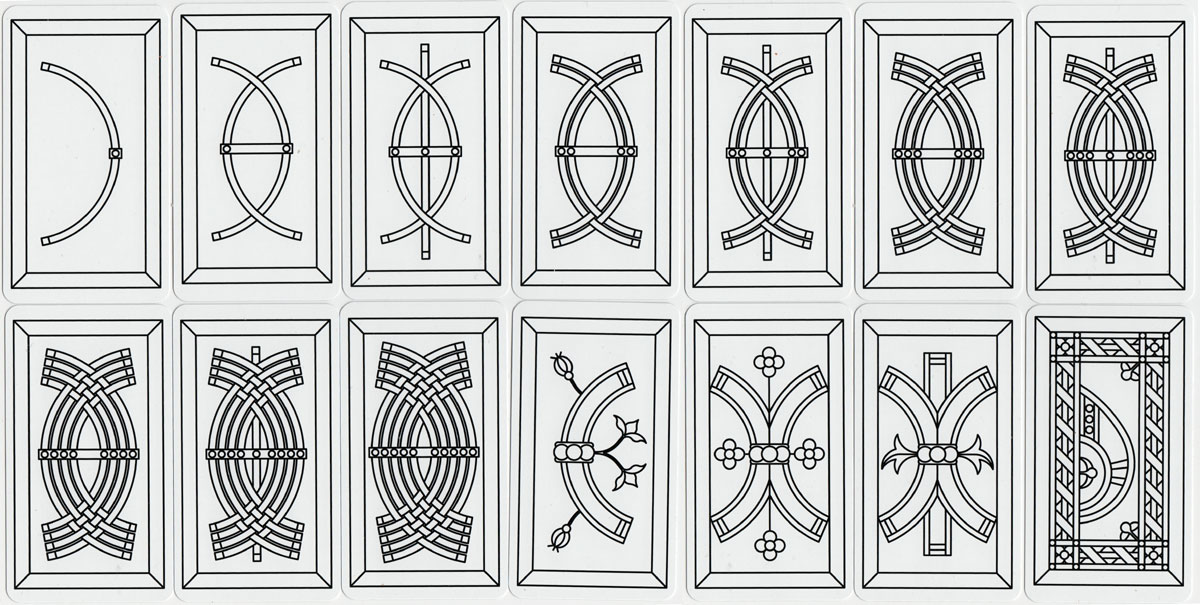
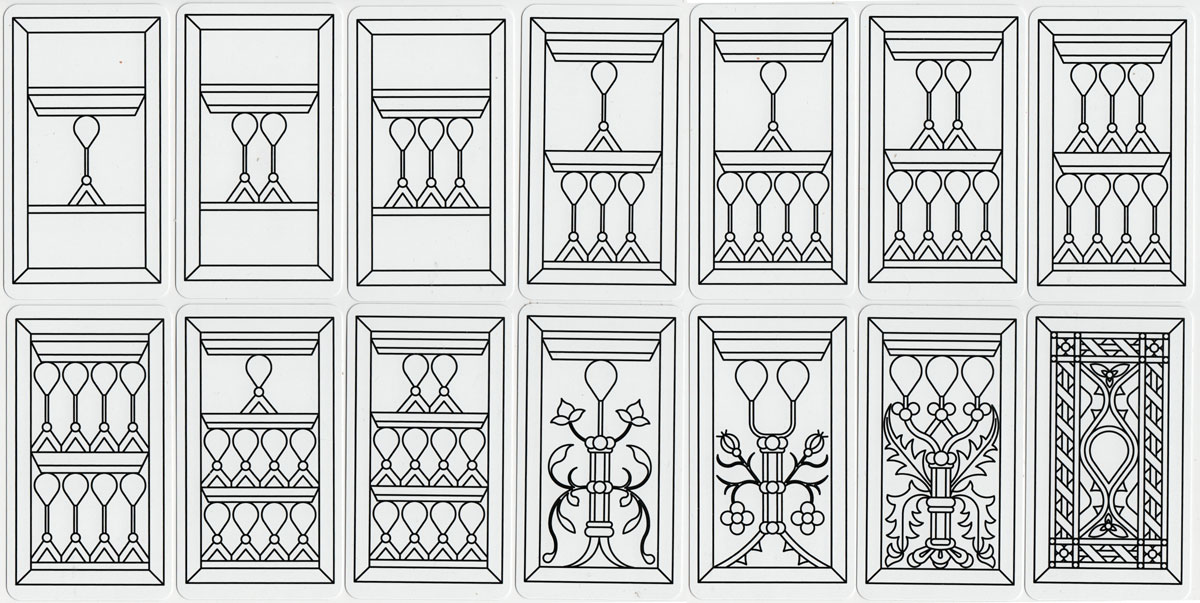
Above: the suits of polo sticks (batons) and cups from Ulrich Kaltenborn’s 2023 edition of the Moorish deck, uncoloured version. The number cards run from 1 - 10, with first deputy, 2nd deputy, 3rd deputy and king. Islamic cards do not contain images of human figures but have abstract representations only. Cards measure 56x100 mm.
After comparing the designs of the Topkapi museum Mamluk deck, Kaltenborn contends that the cards with more elaborate ornamentation must be court cards. Although speculating, he suggests that there were four court cards per suit, namely king, 3rd deputy, 2nd deputy and 1st deputy, as can be seen in the illustration above. This amouts to a significant re-interpretation of the structure of the deck.
There are interesting affinities with another contemporary, early Catalan pack, the “Baraja Morisca” where the cavalier of swords holds a Saracenic shield and the suit system may derive from early Arabic cards, reinforcing the link between the two systems.
Coloured version
In his kickstarter campaign, Kaltenborn discusses the uncertainty regarding the original colouration of the pack. He mentions that the original sheets only contain outlines, with no information about the colours which might have been used. Whilst not intended to be historically accurate he decided on a creative reinterpretation in the coloured version of the pack, “a modern take on the card design that is nice to look at”.
Polo Sticks (Batons)
Coins
Cups
Swords
Further References
- Trzes' Moorish Deck | Kickstarter►
- Both decks available while stocks last: Spiorad Webshop►

By Simon Wintle
Spain • Member since February 01, 1996
I am the founder of The World of Playing Cards (est. 1996), a website dedicated to the history, artistry and cultural significance of playing cards and tarot. Over the years I have researched various areas of the subject, acquired and traded collections and contributed as a committee member of the IPCS and graphics editor of The Playing-Card journal. Having lived in Chile, England, Wales, and now Spain, these experiences have shaped my work and passion for playing cards. Amongst my achievements is producing a limited-edition replica of a 17th-century English pack using woodblocks and stencils—a labour of love. Today, the World of Playing Cards is a global collaborative project, with my son Adam serving as the technical driving force behind its development. His innovative efforts have helped shape the site into the thriving hub it is today. You are warmly invited to become a contributor and share your enthusiasm.

Activity for Moorish Deck
Sign in to comment or save this article.

Related Articles
Sevilla 1647 reproduction
Facsimile of Spanish-suited pack produced in Sevilla, Spain, 1647.
Cards on Cards (E.H. Locker)
Artist Edward Locker’s view of London life in 1799, using every card in the pack as part of the pict...
Baraja Napoleónica
Re-edition of a French-suited Spanish pack from the Napoleonic era, with designs by J. Carrafa.
Naipes Heraclio Fournier 130th Anniversary
Baraja conmemorativa del 130 aniversario de naipes Heraclio Fournier (1868-1998) Spain, 1998.
Calliope: a Renaissance band
Facsimile of cards attributed to Hans Schäufelein (c. 1480-1540) produced by ‘Calliope’, a New York ...
Spielkarten in Bromsilber-Photographie
“Spielkarten in Bromsilber-Photographie” facsimile edition by Vito Arienti of Edizioni del Solleone,...
Baraja El Quijote
Baraja El Quijote, facsimile of original deck designed by E. Pastor, reprinted by Naipes Heraclio Fo...
Histoire de France
“Histoire de France” facsimile of French historical deck of 1820.
“Deck with French suits”
A facsimile of an early 19th century French-suited deck from the collection of F.X. Schmid.
Musikalisches Kartenspiel
Facsimile of Dondorf’s “Musikalisches Kartenspiel” (c.1862) published by Lo Scarabeo, 2004
Goyesca
Baraja ‘Goyesca’ facsimile of original deck published in Madrid by Clemente de Roxas, 1814.
Antike Götter
“Antike Götter” - facsimile of antique playing cards originally manufactured by C. A. Müller, Berlin...
Hans Sebald Beham
Playing cards designed by Hans Sebald Beham (1500–1550).
Joan Barbot
Joan Barbot, San Sebastian c.1765-1810.
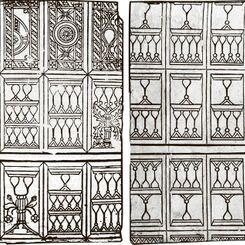
Moorish playing cards
These two uncoloured, uncut sheets of early Moorish playing cards were formerly preserved in the Ins...
Phelippe Ayet, 1574
49 assorted cards were found hidden in the lintel of a doorway, in an old building in Toledo, during...

Hand-made Spanish Suited Playing Cards
Decks are made on two-ply pasteboard which reproduces the tactile quality of antique cards.
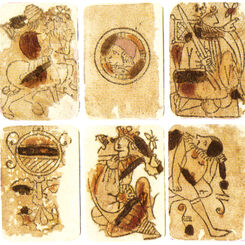
Baraja Morisca — Early XV century playing cards
Primitive Latin suited pack, dated by paper analysis as early XV century, which makes this one of th...
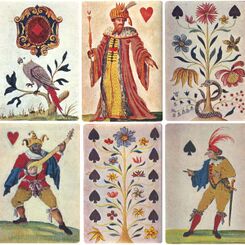
Silk Inlaid playing cards for Charles I.
Silk Inlaid playing cards said to have been made for Charles I
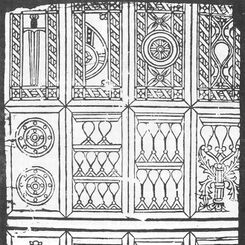
A Moorish Sheet of Playing Cards
This article was originally published in “The Playing-Card”, the Journal of the International Playin...
Most Popular
Our top articles from the past 60 days


Stephen Scharber
07 April 2026, 17:11SavedSaved this article to Stephen Scharber's Collection
Adam Wintle
17 April 2026, 13:56SavedSaved this article to Strange Decks and Unusual Systems