


Flemish Hunting Deck
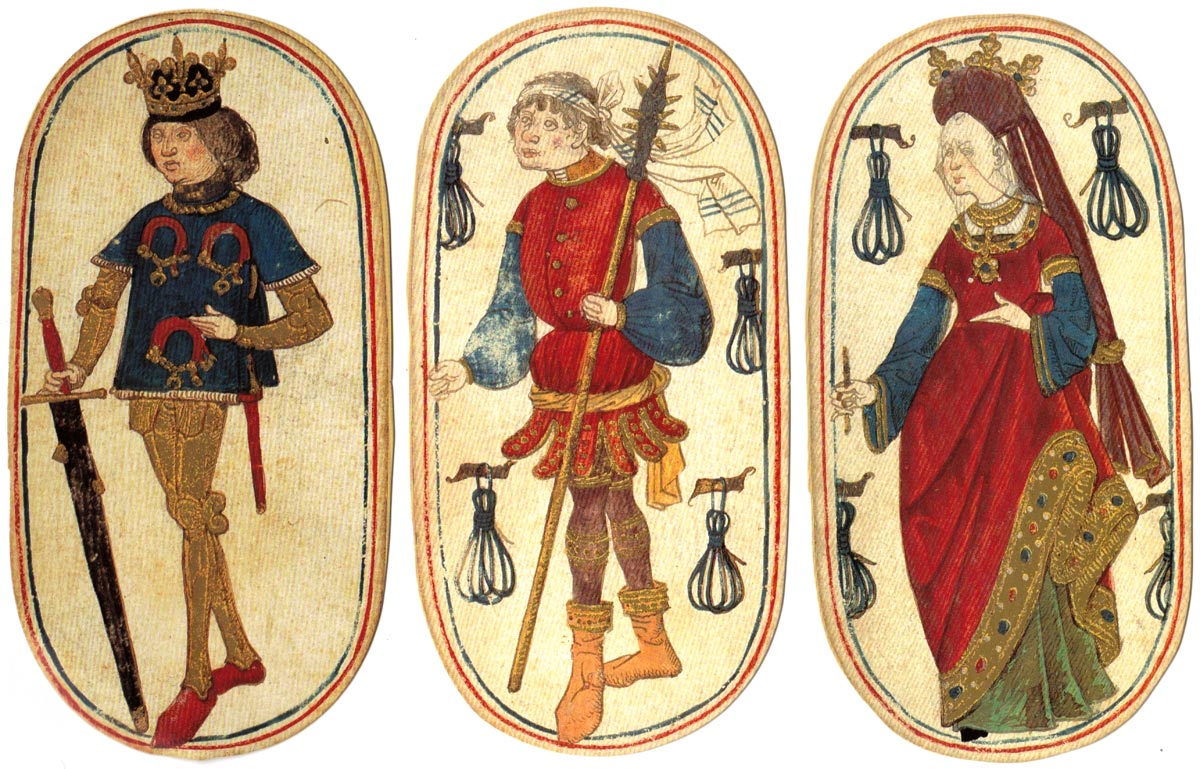
Set of medieval playing cards with King, Queen, Knave and numeral cards from one to ten in each of four suits which refer to the activity of hunting, as practiced by the nobility.
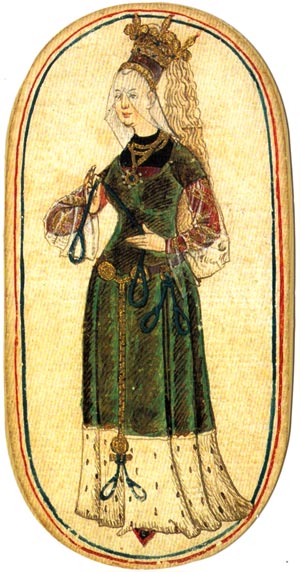
Flemish Hunting Deck, c.1475-80
South Netherlandish (Burgundian Territories). Pasteboard with pen and ink, tempera, applied gold and silver.
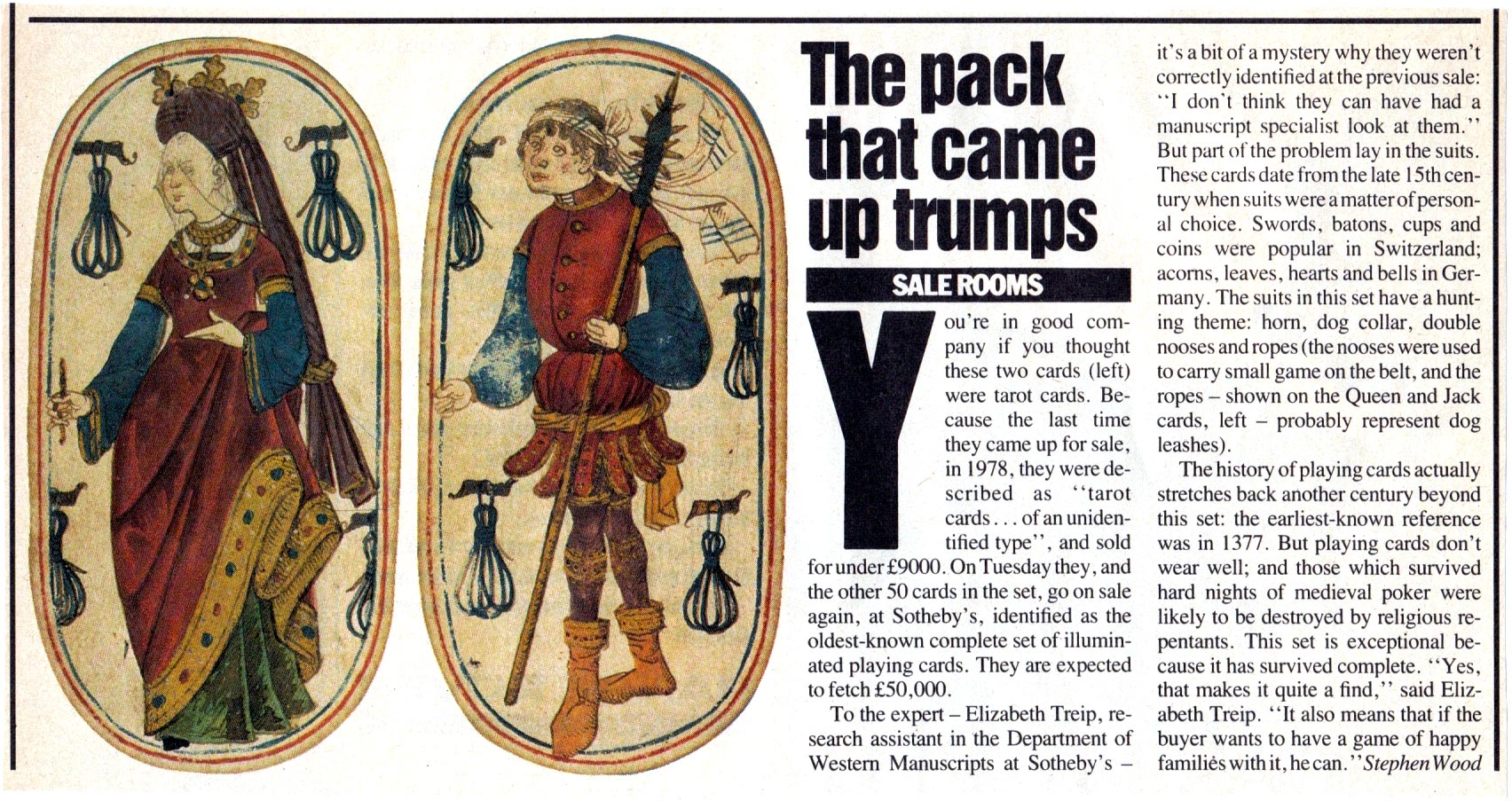
Fifteenth century playing cards display little conformity amongst themselves in terms of the number of cards, their shape, suit symbols or court card hierarchy. This unique set of medieval playing cards has 52 cards with King, Queen, Knave and numeral cards from one to ten in each of the four suits of dog collars, tethers (for the hounds), gaming nooses (for birds or small game), and hunting horns. The collars and horns are red and the tethers and nooses are blue. These suits refer to the pursuit of hunting, as practised by the nobility. See: press article►
The cards are made from four sheets of paper glued together to form a stiff pasteboard. The oval outline of each card was traced onto the card and the unpainted cards were then cut out. The border around each card was then scored so that the blue and red lines could be painted in afterwards. Stencils were probably used to ensure the uniformity of the suit symbols, whilst the court cards were produced entirely freehand. Representation of court figures was not yet bound by any convention, so these figures uniformly stand in three-quarter profile with one foot leading forwards, holding objects in their hand. The artist's style suggests an origin in the Burgundian Lowlands (former French province and modern-day French région). The backs of the cards are plain paper, unpainted.
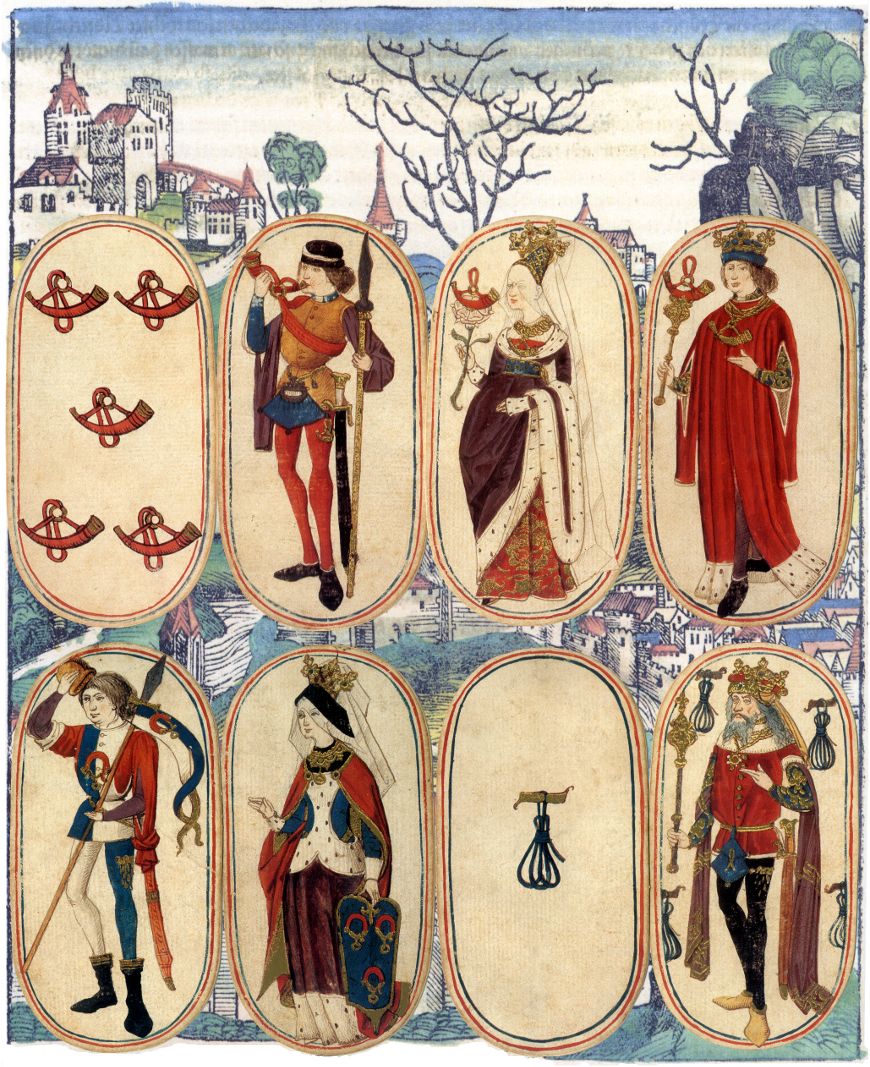
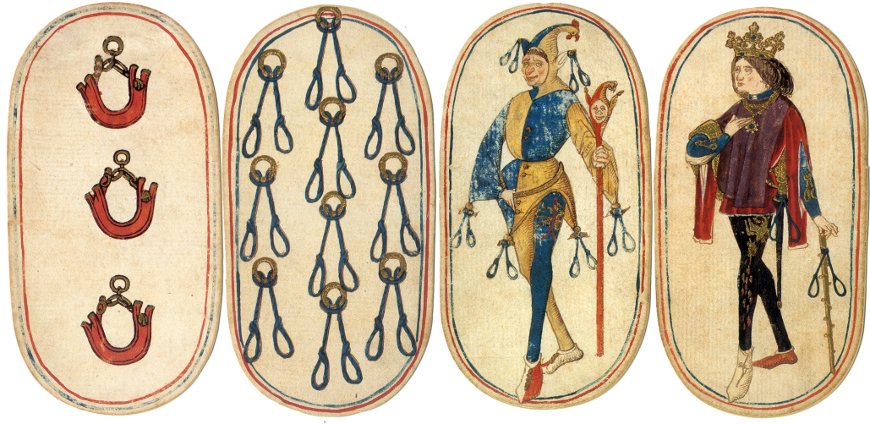
Above: cards from the hand-drawn and painted Flemish Hunting Deck believed to have been produced in France or Burgundy, late XV century. The court cards are dressed in costumes fashionable at the courts of the Burgundian dukes in the second and third quarters of the fifteenth century. The Knave of Collars is apparently a Jester and holds a Jester's staff in one hand, whilst hooking the thumb of his other hard under his belt. The colour pigments include red ochre, earth green, azurite and lead-tin yellow, bound in gum arabic, as well as gold and silver. The techniques employed in the manufacture of these cards suggest that they were the product of a workshop whose operations were governed by a division of labour and by regulations which would have been in force in the local area. The cards shown are from the facsimile edition published by Piatnik, Vienna, 1994, which contains a descriptive booklet written by Timothy B. Husband. The original cards are preserved in The Cloisters Collection, The Metropolitan Museum of Art (1983.515.1–.52)►
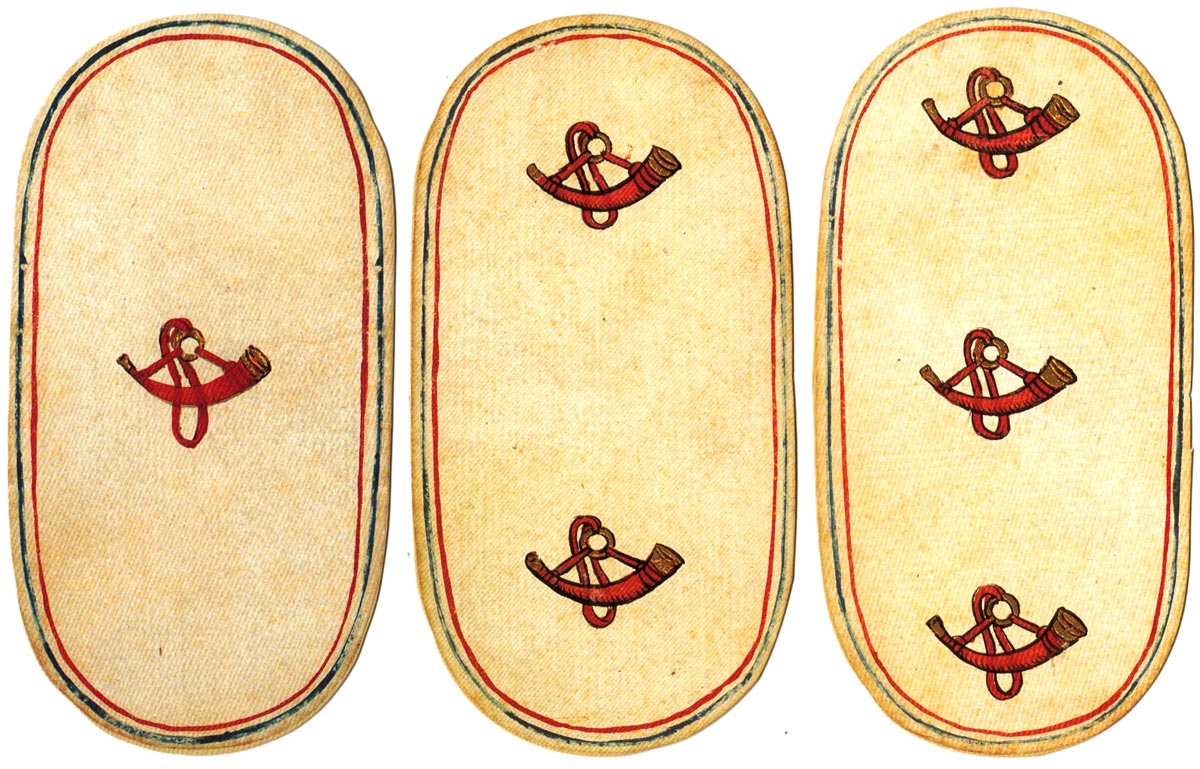
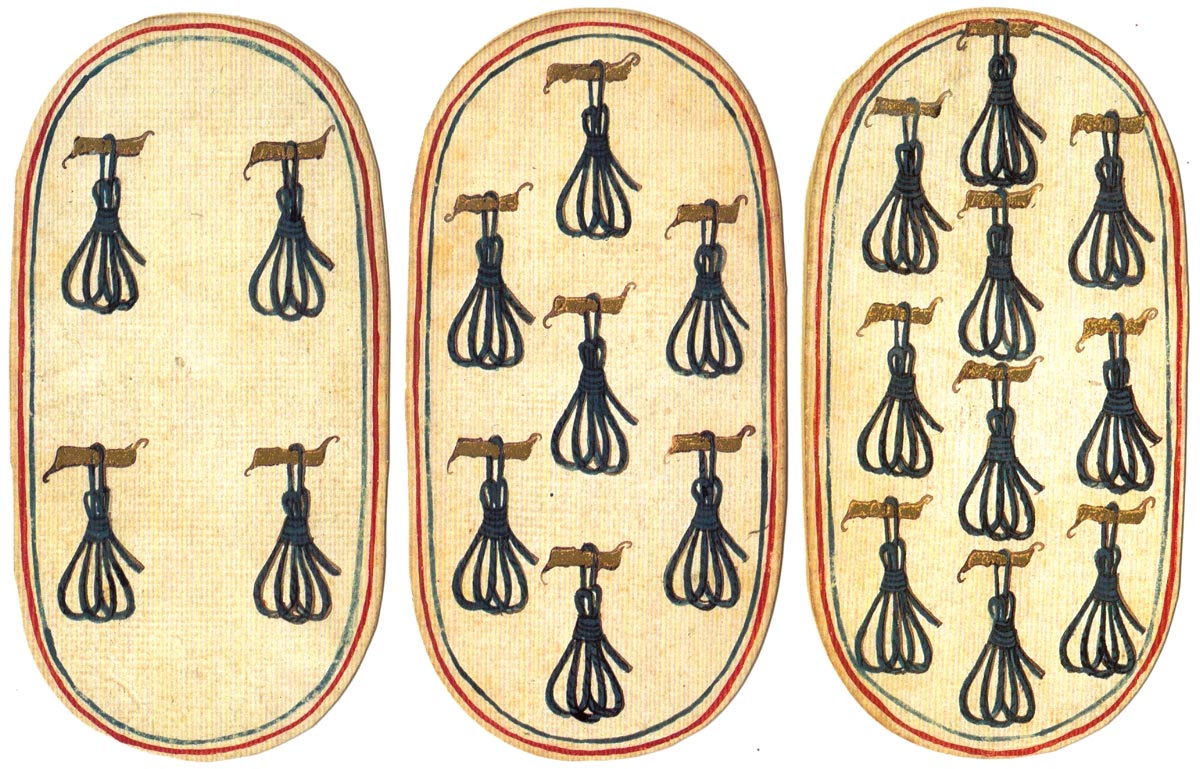
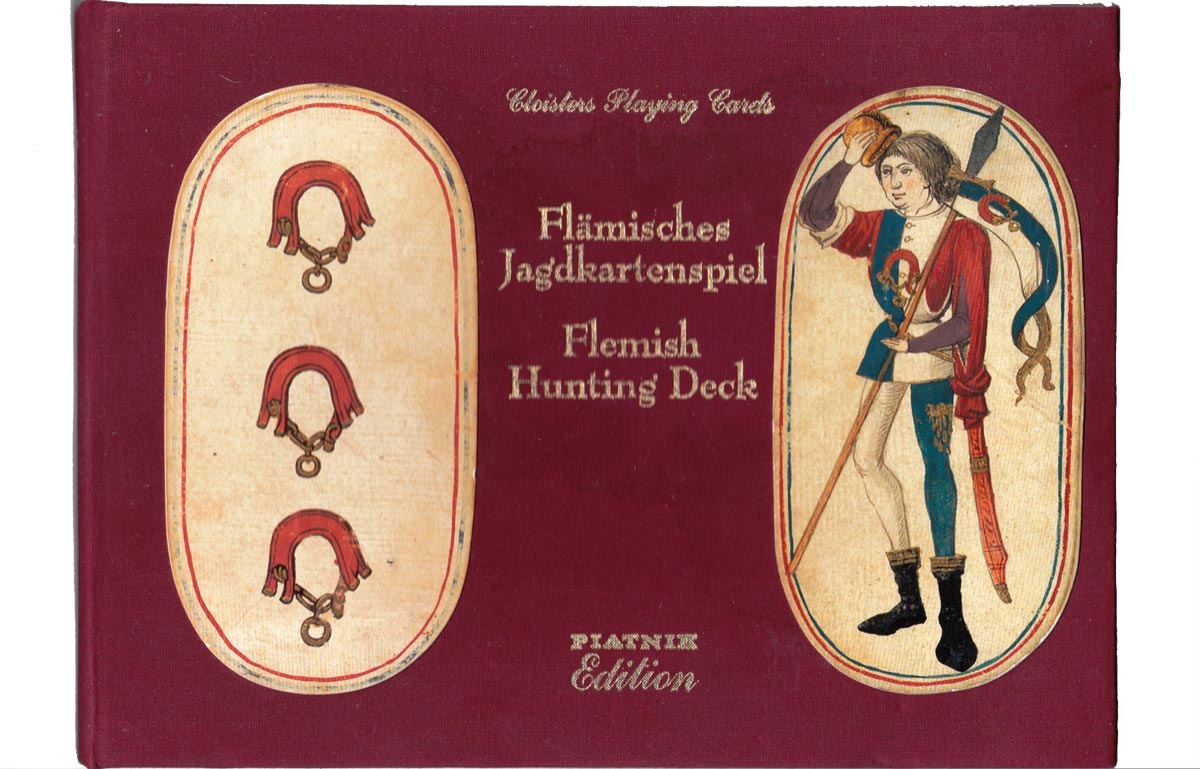
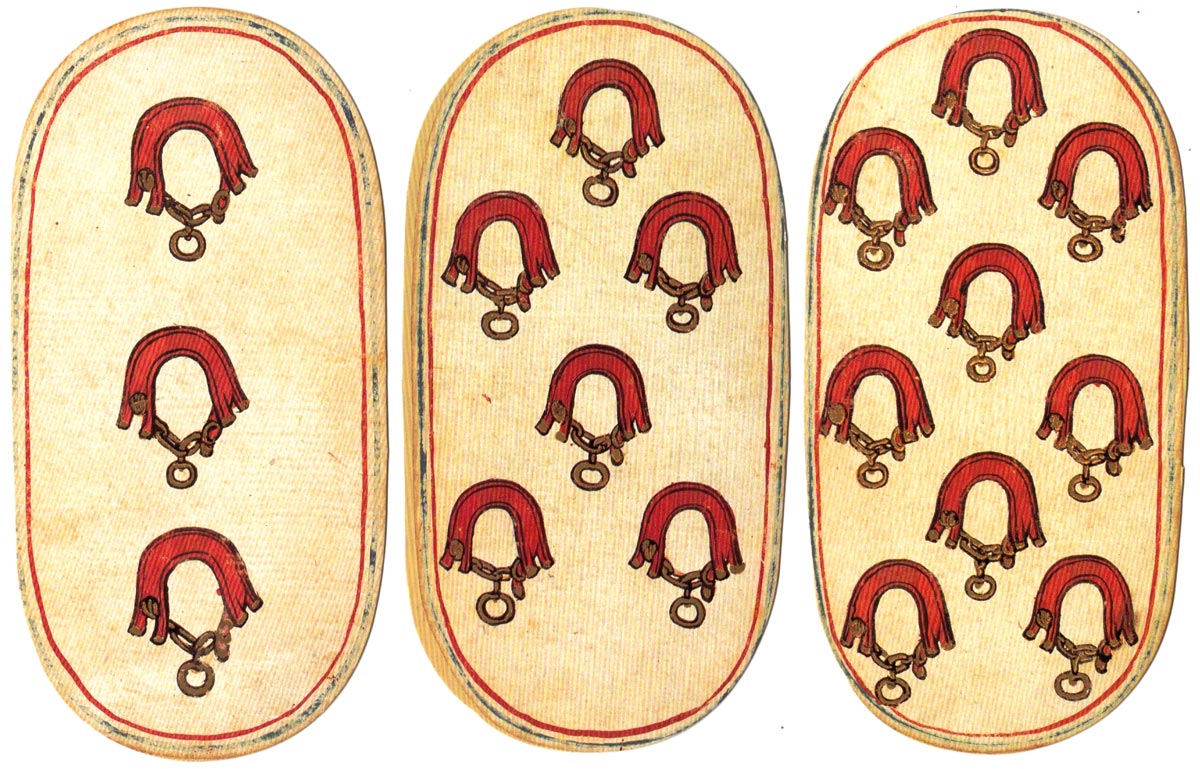
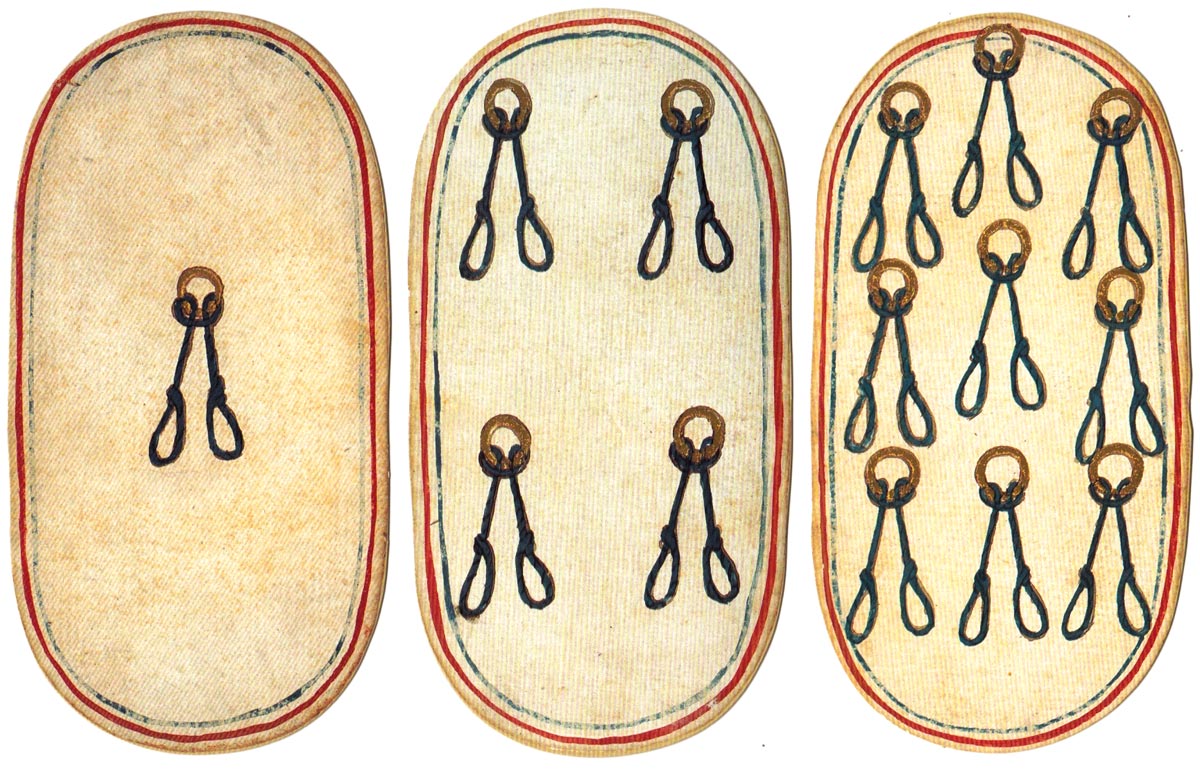
This is one of a short series of ancient reproductions by Piatnik. See also: Ambraser Hofjagdspiel Stuttgart Hunting Pack Hunting depicted in Playing Cards►

By Simon Wintle
Spain • Member since February 01, 1996
I am the founder of The World of Playing Cards (est. 1996), a website dedicated to the history, artistry and cultural significance of playing cards and tarot. Over the years I have researched various areas of the subject, acquired and traded collections and contributed as a committee member of the IPCS and graphics editor of The Playing-Card journal. Having lived in Chile, England, Wales, and now Spain, these experiences have shaped my work and passion for playing cards. Amongst my achievements is producing a limited-edition replica of a 17th-century English pack using woodblocks and stencils—a labour of love. Today, the World of Playing Cards is a global collaborative project, with my son Adam serving as the technical driving force behind its development. His innovative efforts have helped shape the site into the thriving hub it is today. You are warmly invited to become a contributor and share your enthusiasm.

Activity for Flemish Hunting Deck
Sign in to comment or save this article.

Related Articles
Les Chevaliers de la Toison d’Or
Medieval manuscript art at its finest.

Les Jeux de Pastor
Striking designs by Edouard Pastor focusing on the heads of figures from the medieval period.
Le Jeu des Personnages de l’Antiquité et du Moyen-Age
Edouard Pastor’s designs in black and gold inspired by Antiquity and the Middle Ages.
Sevilla 1647 reproduction
Facsimile of Spanish-suited pack produced in Sevilla, Spain, 1647.
“Deck with French suits”
A facsimile of an early 19th century French-suited deck from the collection of F.X. Schmid.
Jeu Mythologique
“Jeu Mythologique” facsimile 18th century pack by J M Simon, 1983.
Le Jeu de la Guerre
Facsimile of “Le Jeu de la Guerre” designed by Gilles de la Boissière in 1698.
Prisoners of War
Hand-made playing cards by French prisoners of war in Porchester Castle, Hampshire, c.1796.
64: The descendants of the French regional patterns: 2
A continuation oF the development of the off-spring of the Paris patterns and a few examples of how ...
63: The descendants of the French regional patterns: 1
A great many regional patterns were exported from France and subsequently copied elsewhere. Some of ...
Jeu de la Géographie
“Jeu de Géographie” educational playing cards etched by Stefano Della Bella and published in c.1644....
Rois de France
Cartes des Rois de France (1644) facsimile edition by Edizioni del Solleone, 1986.
Hidden meanings in painting by Jheronimus Bosch
Medieval View of Gambling in the ‘Garden of Earthly Delights’ by Jheronimus Bosch
Stuttgart pack, c.1430
The luxury, hand-painted Stuttgart Cards (Stuttgarter Kartenspiel) dated c.1430, with suits of ducks...
Hans Sebald Beham
Playing cards designed by Hans Sebald Beham (1500–1550).
Pierre Marechal
Rouen became an important centre for card-making whose influence extended far afield. Cards from Rou...
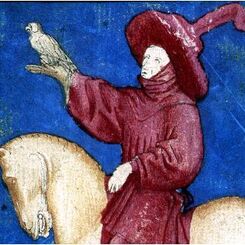
The Princely Hunting pack, c.1440
The Princely Hunting Pack, c.1440/45, is attributed to Konrad Witz and his workshop in Basle.
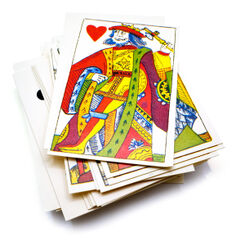
16th Century French Playing Cards based on Illustrations by Gurney Benham
This pack of cards by Rose & Pentagram is said to be based off Pierre Marechal, Rouen pack from the ...
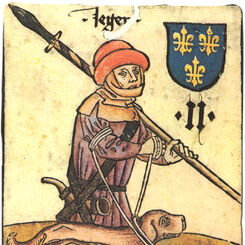
Hofamterspiel, c.1460
Hofamterspiel, c.1460
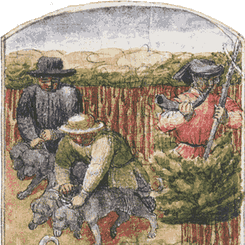
Hunting Depicted on Playing Cards
In the Middle Ages hunting was an integral part of life.
Most Popular
Our top articles from the past 60 days


Stephen Scharber
07 April 2026, 17:17SavedSaved this article to Stephen Scharber's Collection