


Le Jeu de la Guerre
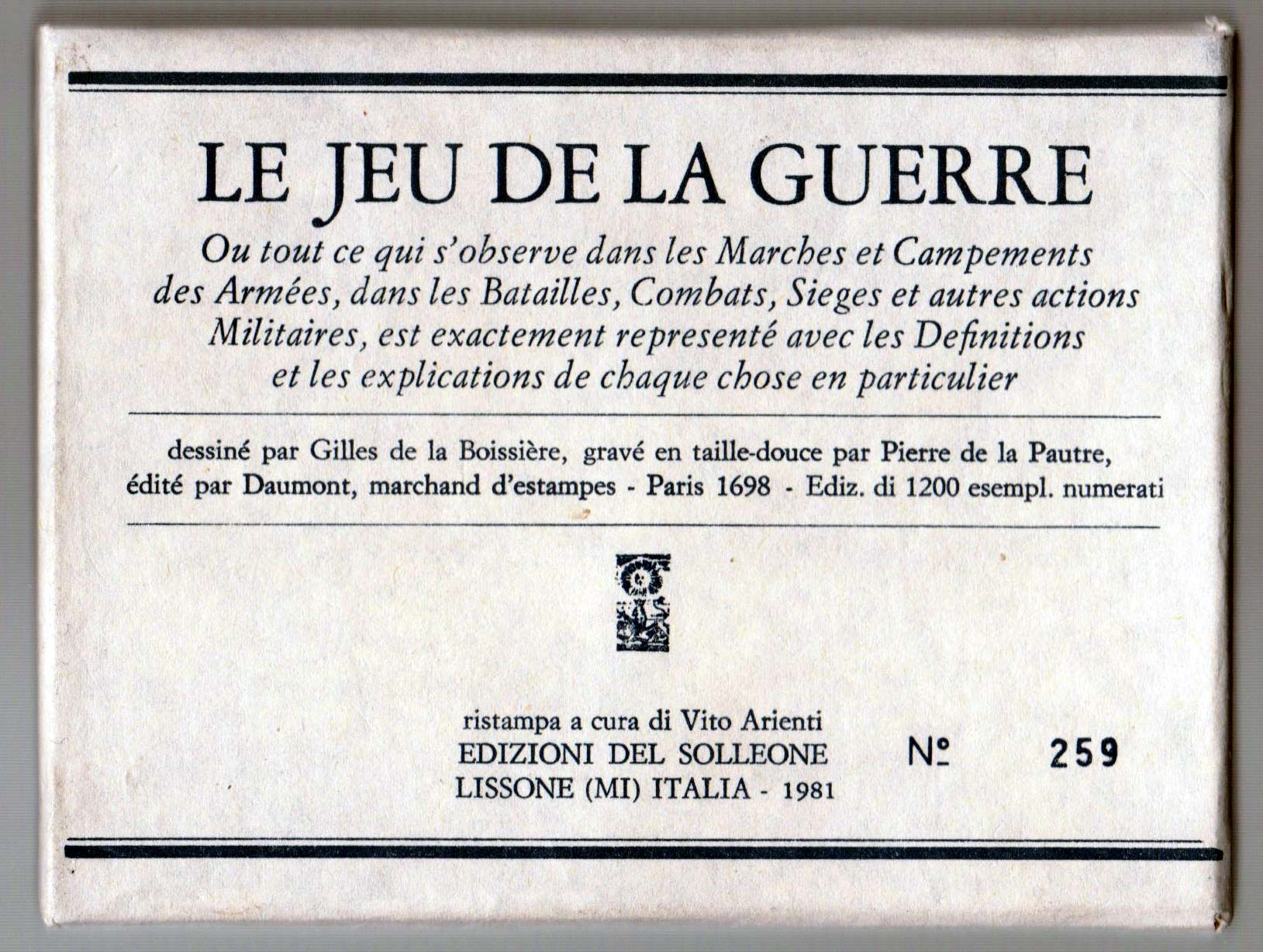
Facsimile of “Le Jeu de la Guerre” designed by Gilles de la Boissière in 1698.
Facsimile of “Le Jeu de la Guerre” designed by Gilles de la Boissière in 1698.
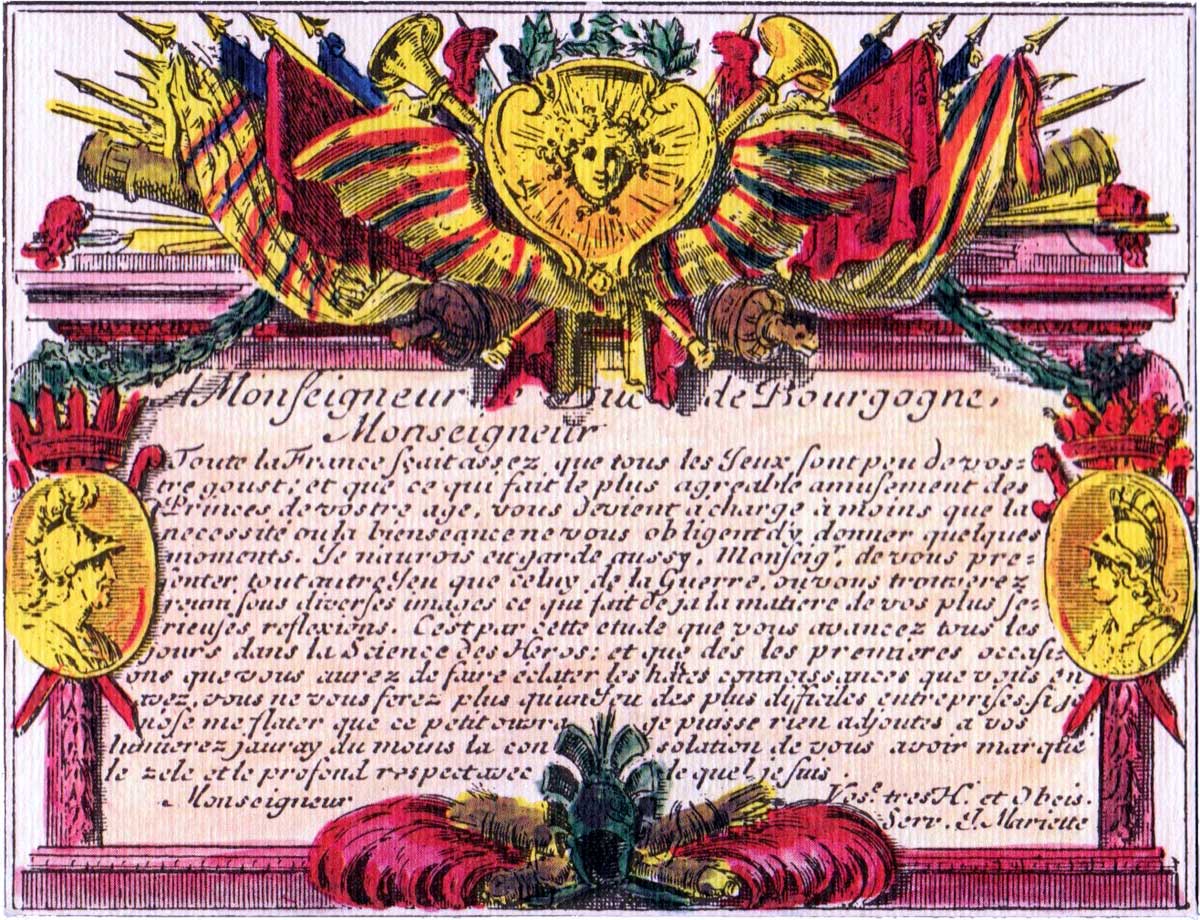
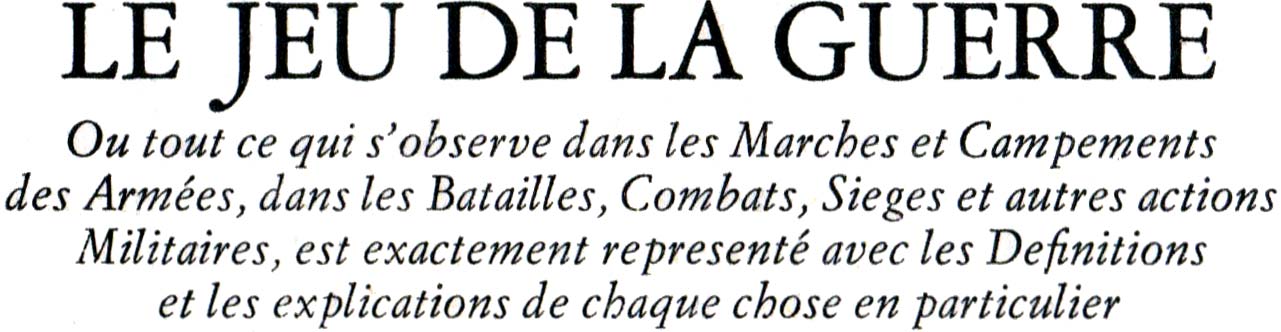
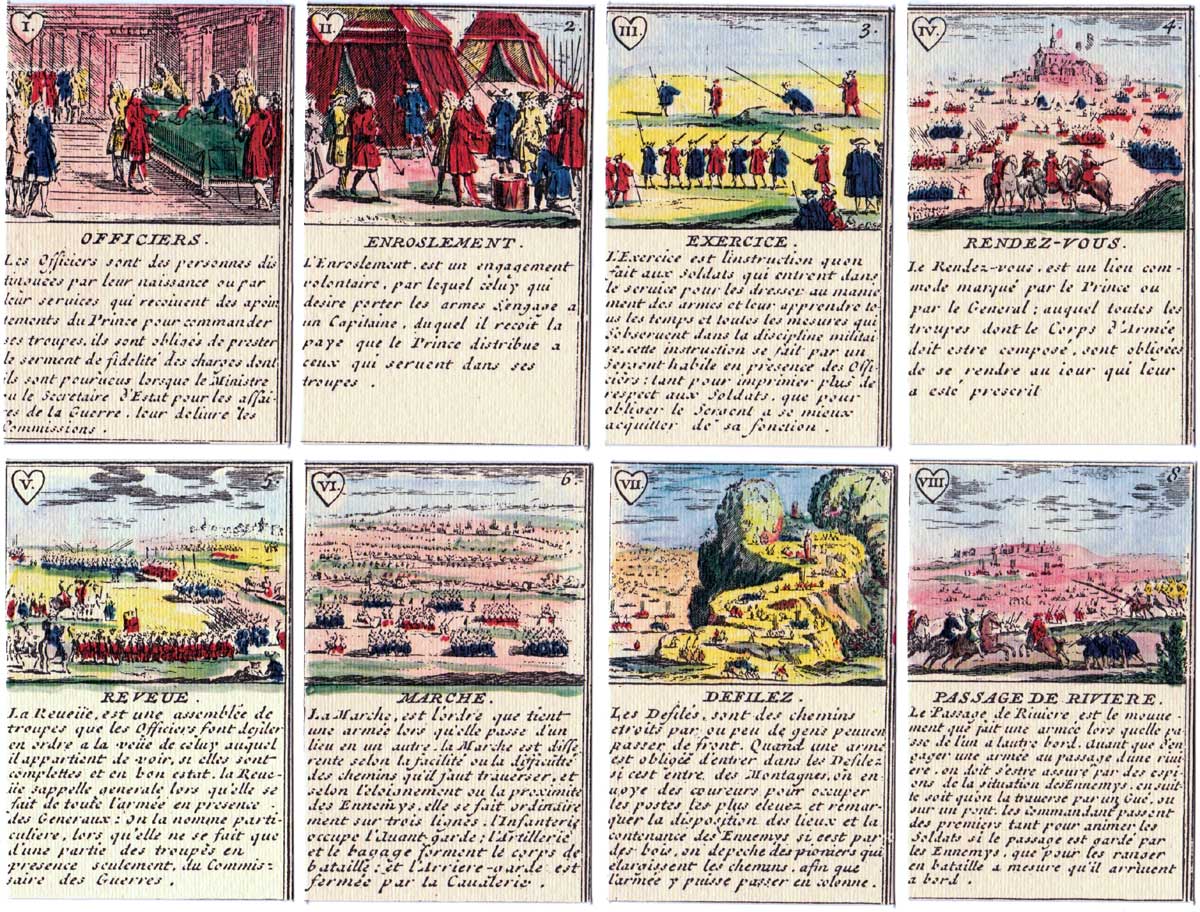
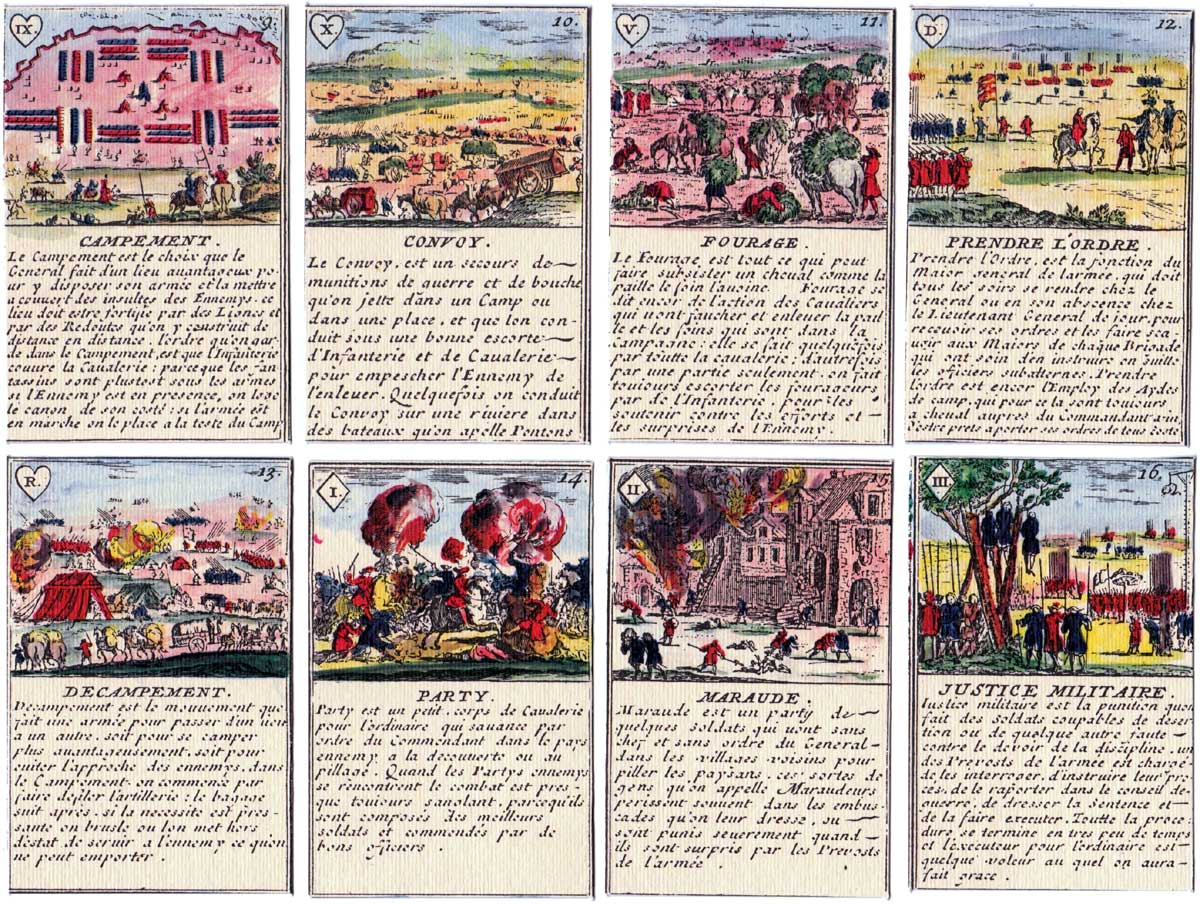
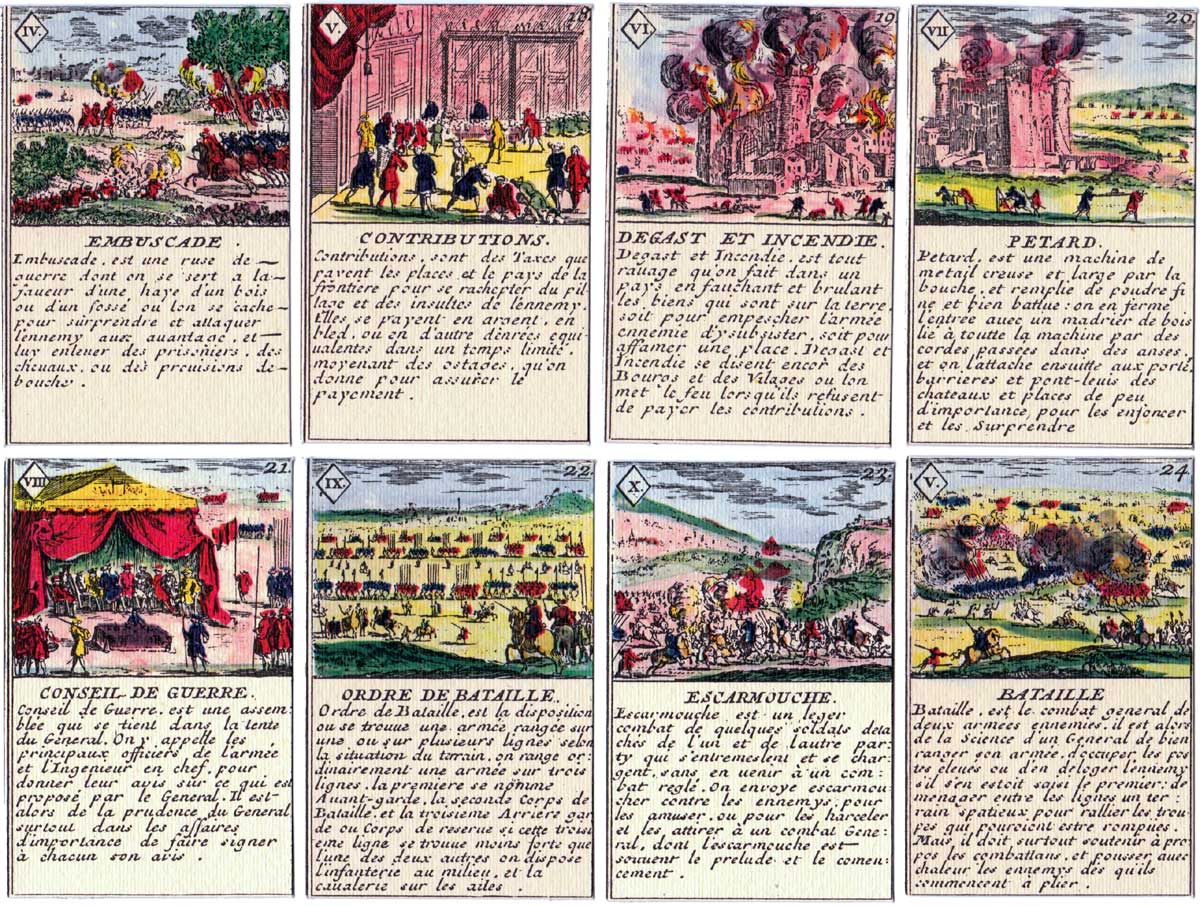
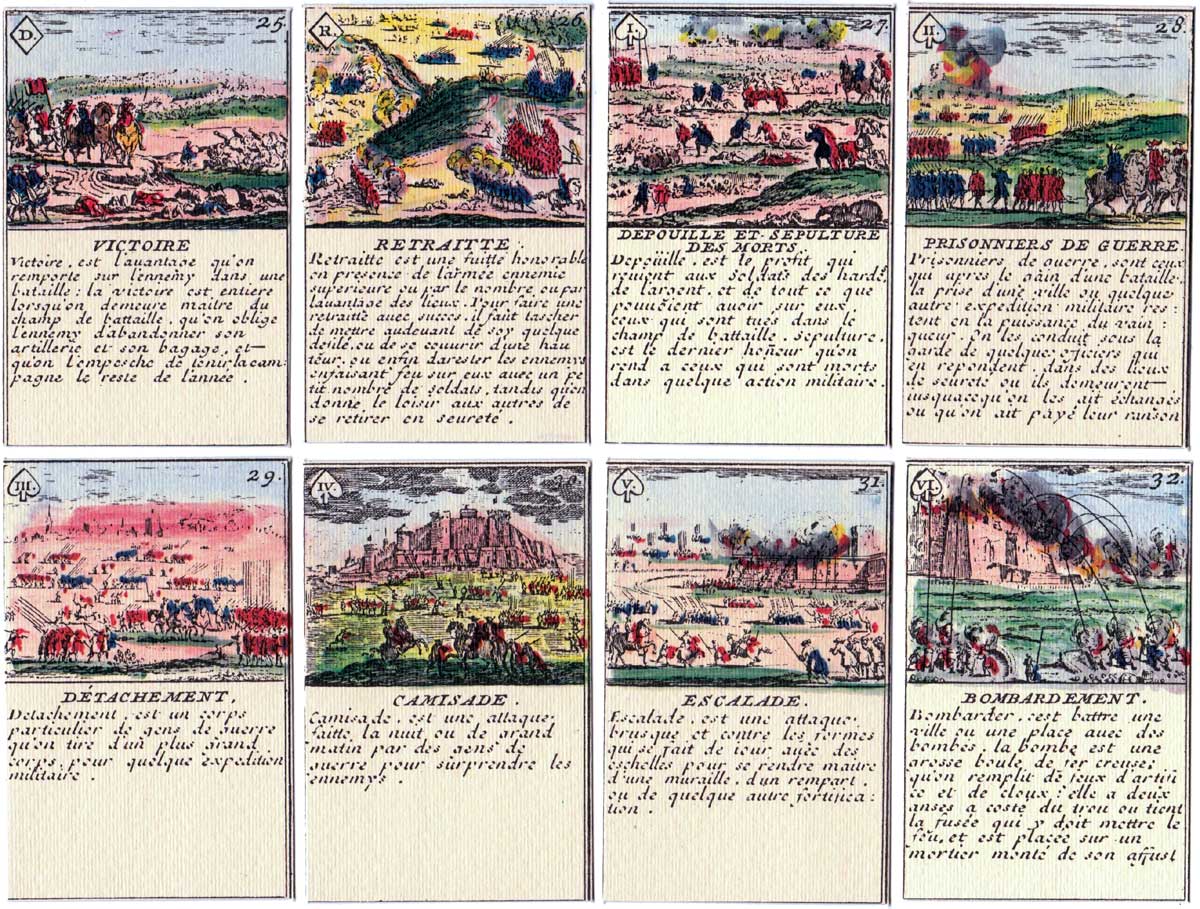
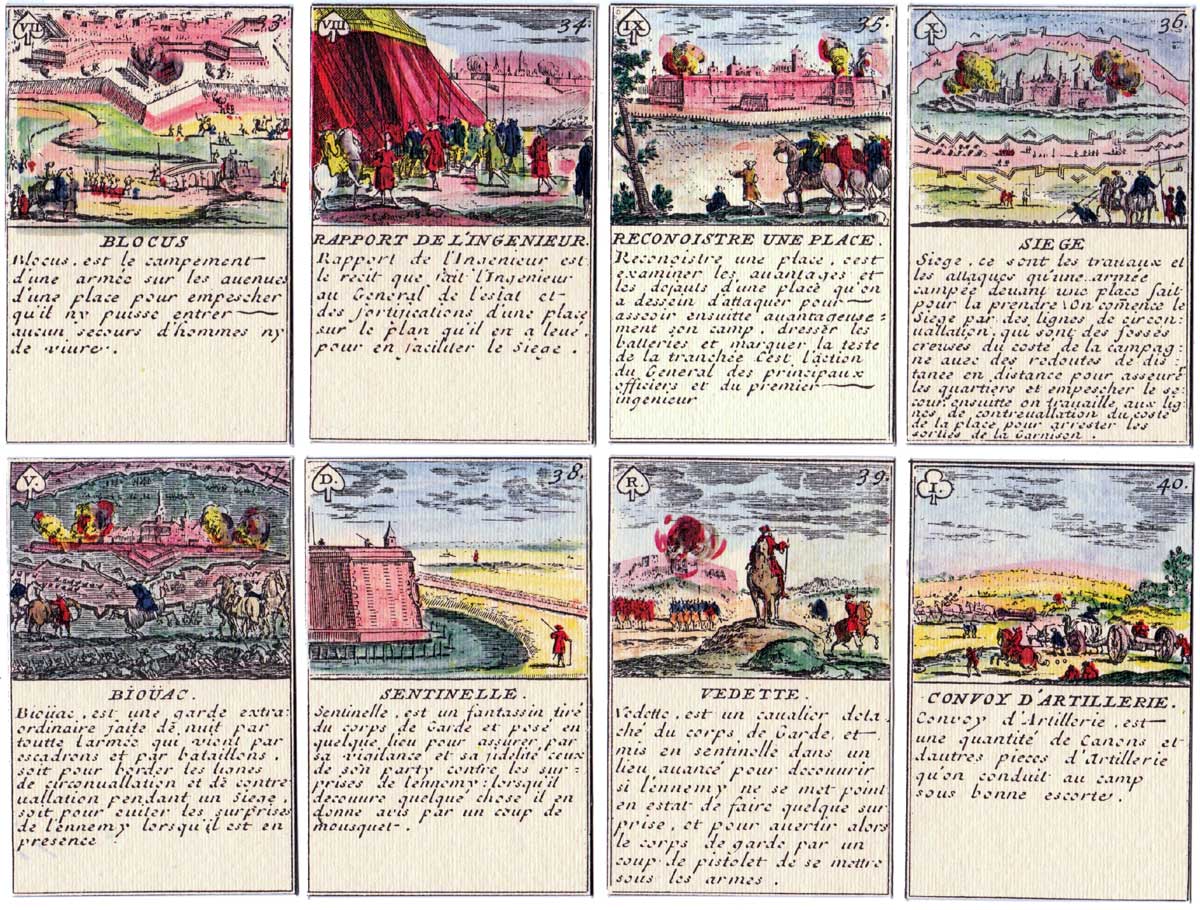
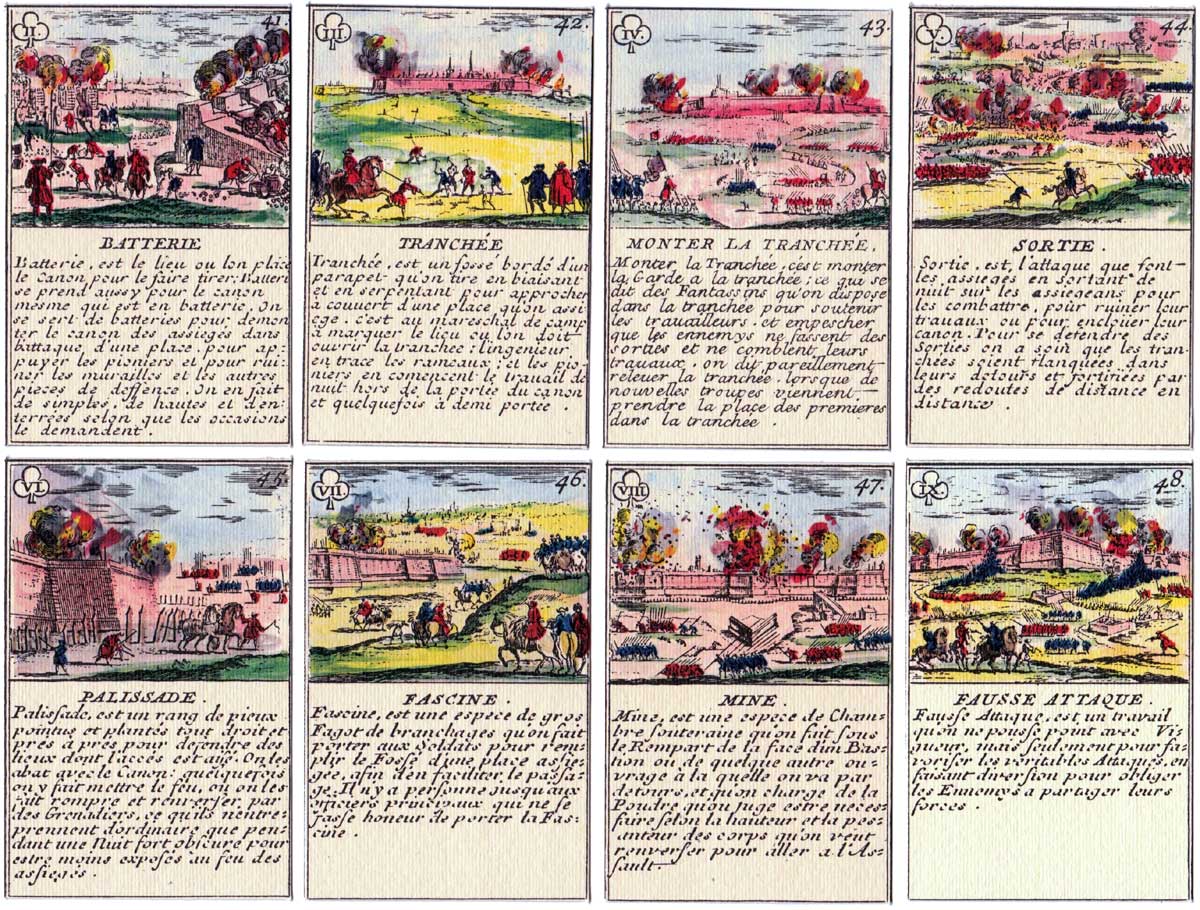
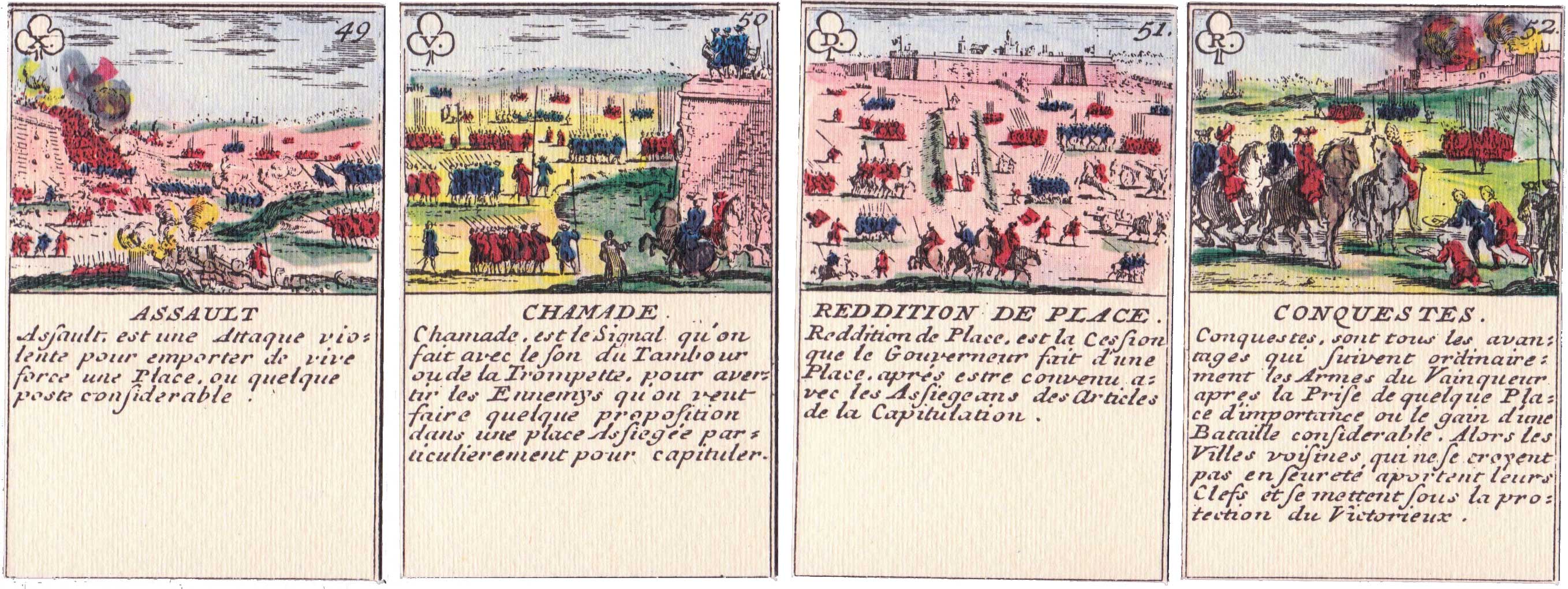
Above: Facsimile of “Le Jeu de la Guerre” designed by Gilles de la Boissière and engraved by Pierre de la Pautre in 1698 - facsimile produced by Edizioni del Solleone in limited edition of 1200 boxed sets, Lissone, 1981.
See the Box►

By Rex Pitts (1940-2021)
United Kingdom • Member since January 30, 2009
Rex's main interest was in card games, because, he said, they were cheap and easy to get hold of in his early days of collecting. He is well known for his extensive knowledge of Pepys games and his book is on the bookshelves of many. His other interest was non-standard playing cards. He also had collections of sheet music, music CDs, models of London buses, London Transport timetables and maps and other objects that intrigued him.
Rex had a chequered career at school. He was expelled twice, on one occasion for smoking! Despite this he trained as a radio engineer and worked for the BBC in the World Service. Later he moved into sales and worked for a firm that made all kinds of packaging, a job he enjoyed until his retirement. He became an expert on boxes and would always investigate those that held his cards. He could always recognize a box made for Pepys, which were the same as those of Alf Cooke’s Universal Playing Card Company, who printed the card games. This interest changed into an ability to make and mend boxes, which he did with great dexterity. He loved this kind of handicraft work.
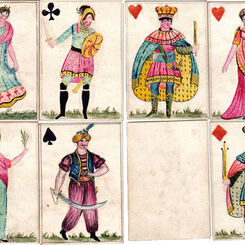
His dexterity of hand and eye soon led to his making card games of his own design. He spent hours and hours carefully cutting them out and colouring them by hand.

Activity for Le Jeu de la Guerre
Sign in to comment or save this article.

Related Articles
The Dark Knight Joker Calling Cards
Joker “Calling Card” set issued in connection with the film The Dark Knight (2008).
Le Jeu Des Fortifications
An innovation from the time of Louis XIV by Gilles de la Boissière.
Le Monde Primitif Tarot
Facsimile edition produced by Morena Poltronieri & Ernesto Fazioli of Museo Internazionale dei Taroc...
Carte Méthodique
Reproduction of a French pack by François Silvestre intended to teach heraldry, produced in Paris in...
Spielkarten in Bromsilber-Photographie
“Spielkarten in Bromsilber-Photographie” facsimile edition by Vito Arienti of Edizioni del Solleone,...
“Deck with French suits”
A facsimile of an early 19th century French-suited deck from the collection of F.X. Schmid.
Prisoners of War
Hand-made playing cards by French prisoners of war in Porchester Castle, Hampshire, c.1796.
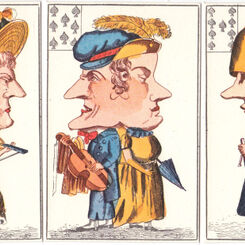
Jeu Grotesque
Jeu Grotesque was first published in France c.1800.
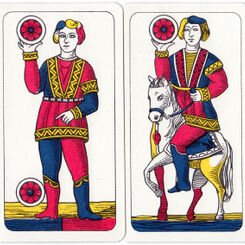
Trentine Pattern
Trentine Pattern
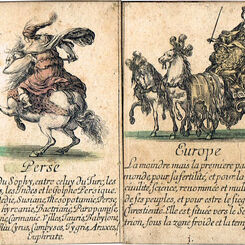
Jeu de la Géographie
“Jeu de Géographie” educational playing cards etched by Stefano Della Bella and published in c.1644....
Rois de France
Cartes des Rois de France (1644) facsimile edition by Edizioni del Solleone, 1986.
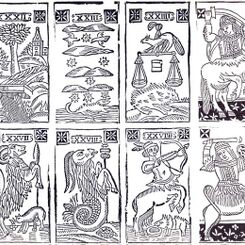
Minchiate Fiorentine, 17th C.
17th century Minchiate cards reprinted from the original woodblocks.
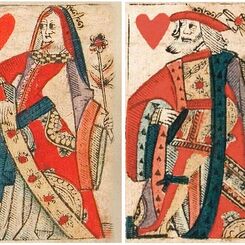
Pierre Marechal
Rouen became an important centre for card-making whose influence extended far afield. Cards from Rou...

Tarocco Neoclassico
Gumppenberg published several new decks by artists or engravers of the day. The designs are clear an...
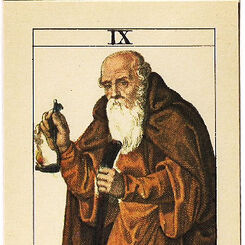
Tarocchino Lombardo, c.1835
“Tarocchino Lombardo c.1835”, a facsimile edition of 2500 by Edizione del Solleone, Italy, 1981.
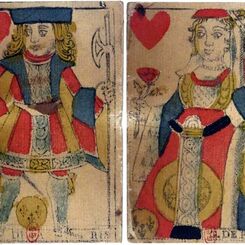
Paris Pattern
The Paris pattern was established as such around the middle of the seventeenth century (based, perha...
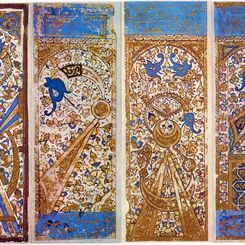
Mamluk Playing Cards
Nã'ib, the game of lieutenants... these cards are amongst the earliest Arabic playing cards ext...
Italian Playing Cards
The first reliable evidence that playing cards were being used in Italy is from 1376, when a game ca...
16th Century French Playing Cards based on Illustrations by Gurney Benham
This pack of cards by Rose & Pentagram is said to be based off Pierre Marechal, Rouen pack from the ...
The History of Playing Cards
Playing cards appear in European records in the late 14th century, but their earlier history lies fu...
Most Popular
Our top articles from the past 60 days


Zoyander Street
04 April 2026, 05:00SavedSaved this article to Narrative decks