



Joseph Losch
French-suited pack with full-length courts by Joseph Losch, c.1800.
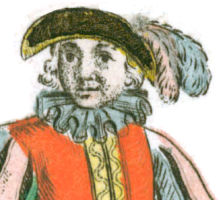
Chur Ober-Pfälzische Französisch Karten by Joseph Losch, Amberg, c.1800
A French-suited pack with full-length courts derived from the French Paris pattern, like the Bavarian cards of Göbl who first produced this type of cards about 1750, but with contemporary costume and imperial symbolism, manufactured in Amberg (Bavaria) by Joseph Losch. Finely engraved on copper plates, hand-coloured with brush and stencils.
"Chur Ober-Pfälzische": The "Chur Pfalz" was a part of the Holy Roman Empire divided into "Ober-Pfalz" (Upper Pfalz) and Unter-Pfalz (Under Pfalz). Amberg, where Losch produced the cards, is a town located in the Ober-Pfalz.
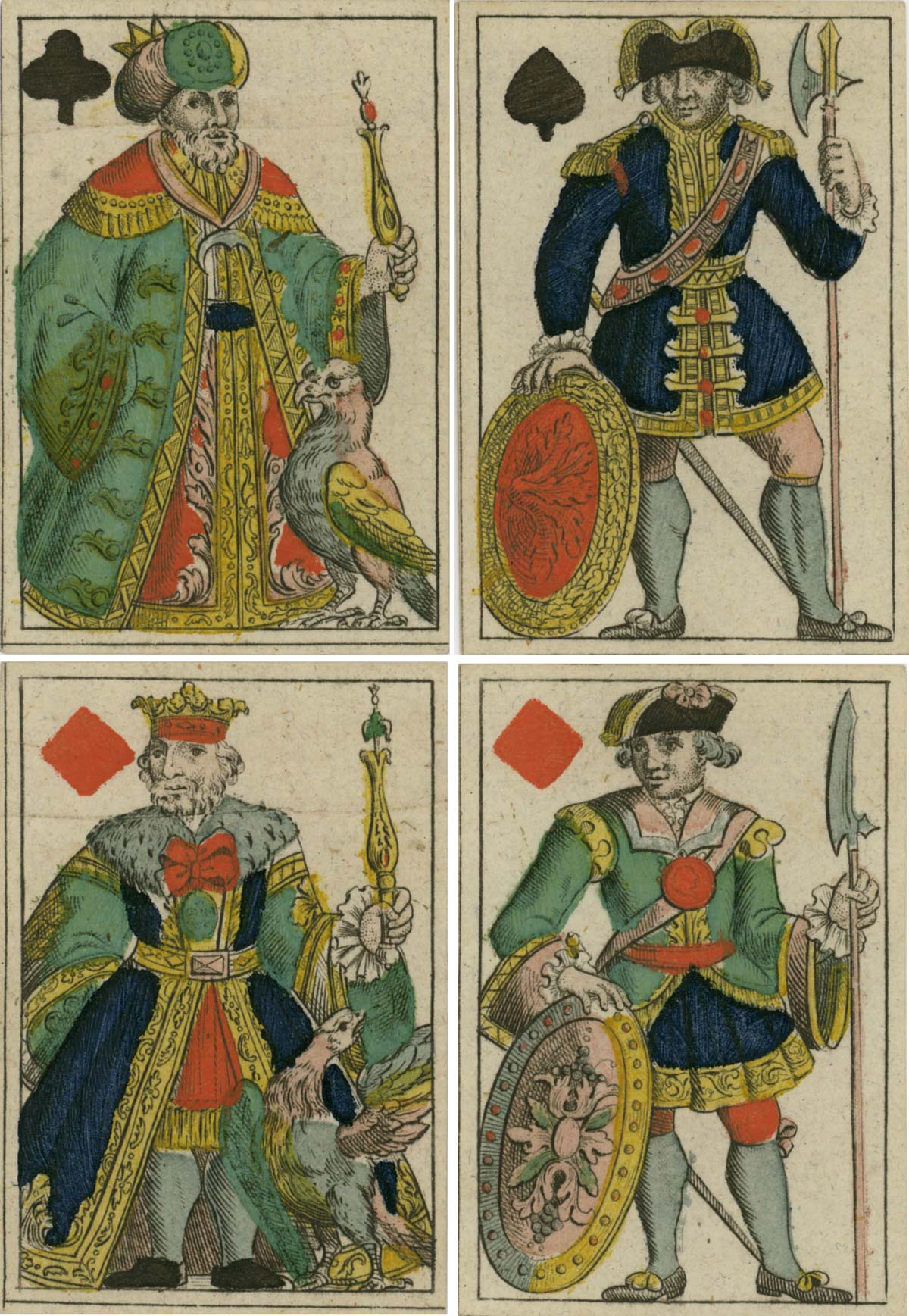
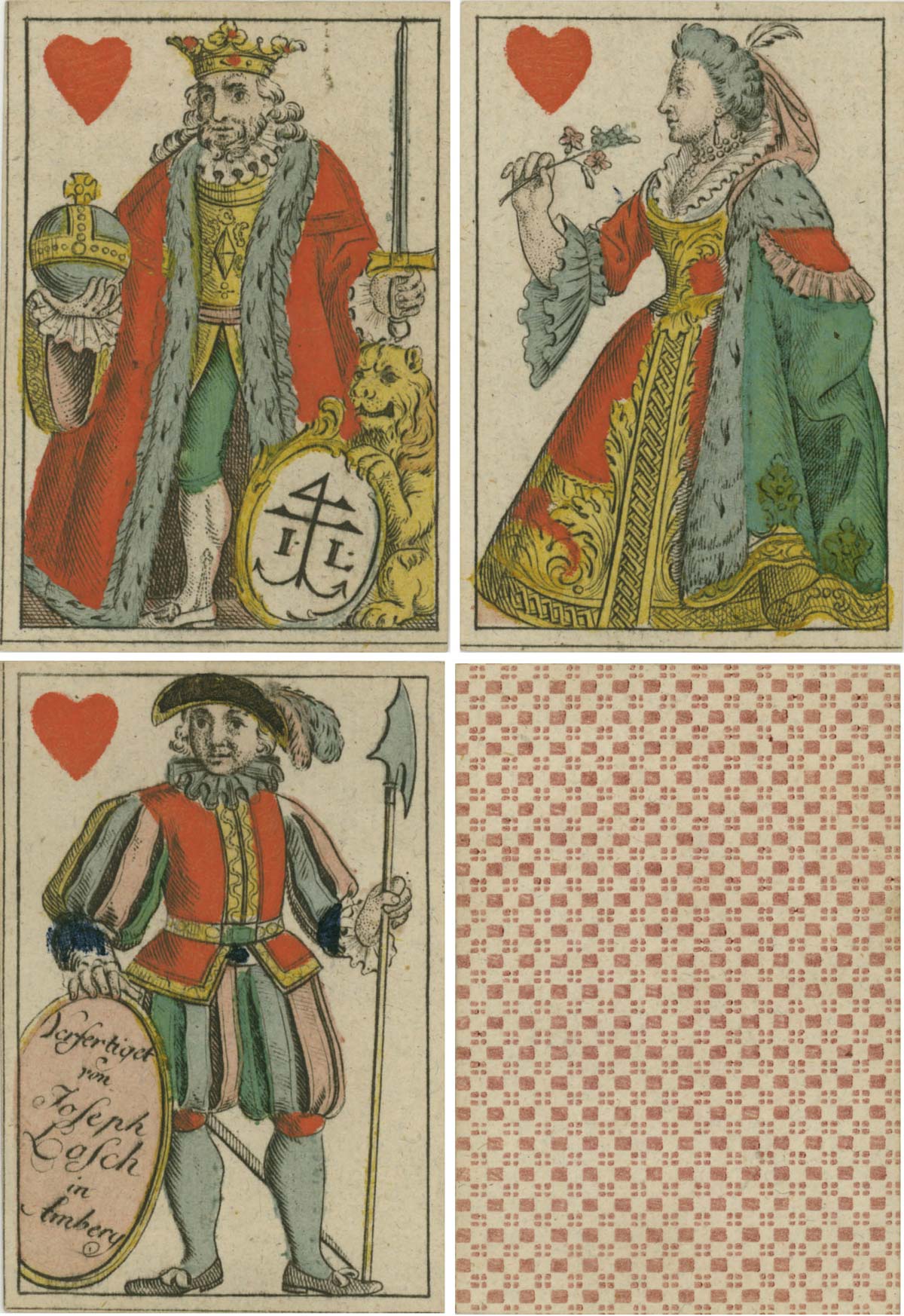
Above: “Chur Ober-Pfälzische Französisch. Karten” by Joseph Losch, Amberg, c.1800, copper engraved, stencil coloured, 52 cards

By Klaus-Juergen Schultz (1948-2025)
Germany • Member since February 03, 2024
From the collection of Klaus-Jürgen Schultz.

Activity for Joseph Losch
Sign in to comment or save this article.

Related Articles
Early German playing cards
Some early examples of popular German playing cards from the XV and XVI centuries.
History of Playing Cards explained in 5 Minutes
Video by Art of Impossible. In this video you will get a short overview of the most important histor...
Master of the Playing Cards
Animal suited playing cards engraved by the Master of the Playing Cards, Germany, c.1455
Unknown Maker
Early German deck by unknown maker, c.1825
Old Bavarian pattern
Uncut sheets of playing cards of the Old Bavarian pattern by Michael Schatzberger, Passau, c.1780.
Das Kupferstichspiel des I.M.F. von 1617
Playing cards had been made as precious objects for wealthy clients since the late 14th century. The...
German History by Johann Conrad Jegel
Historical Deck with characters and emblematical figures published by Johann Conrad Jegel, Nürnberg,...
Anti-Napoleon
Deck from the liberation war against Napoleon, c.1815.

Victory Deck
Victory deck commemorating the Liberation war by Friedrich Gotthelf Baumgärtner, Leipzig, 1815.
Fortune Telling Deck, c.1818
Fortune Telling Deck by Industrie Comptoir, Leipzig c.1818.
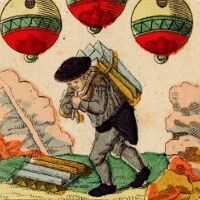
Bergmannskarte
Bergmannskarte, manufactured by Industrie Comptoir, Leipzig, c.1816.
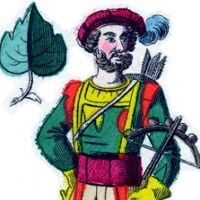
Schiller deck
Schiller deck made by Conrad Ludwig Wüst, Frankfurt/Main, ca. 1834.
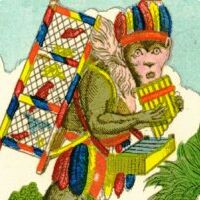
Verkehrte-Welt-Tarock
"Verkehrte-Welt-Tarock” (reverse world ?) manufactured by Christian Theodor Sutor (fl. 1823-1854), N...

Narren-Karte, c.1860
Narren-Karte by Christian Heinrich Reuter, Nürnberg, c.1860.
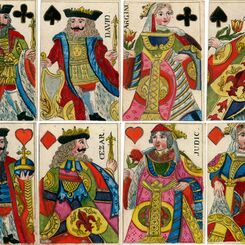
Johann Jobst Forster
Deck made by Johann Jobst Forster, Nürnberg, first half of 18th century in the Paris pattern.
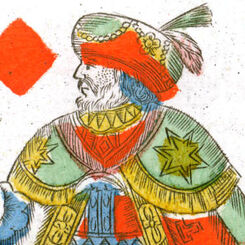
Johann Matheus Backofen
French-suited deck manufactured by Johann Matheus Backofen, Nürnberg c.1800.
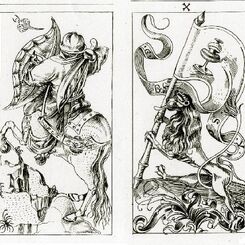
South German Engraver
A pack of 52 cards with banner 10s, female 'Sotas', horsemen and kings, the pack was engraved in the...
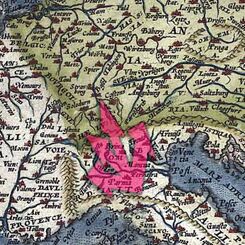
Playing cards in the Upper Rhine region
Documentary evidence suggests that card playing established itself in Italy in 1376, and then spread...
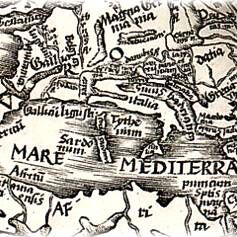
The History of Playing Cards
Playing cards appear in European records in the late 14th century, but their earlier history lies fu...

Early German Engraved Playing-cards
During the second half of the fifteenth century, with printing technology commercially established a...
Most Popular
Our top articles from the past 60 days


