


Cosi Fan Tutte
Cosi Fan Tutte was published in 1994 and is based on Mozart's opera. The pips (heart-shaped locket, magnet, marriage contract and poison bottle) are key objects in the development of the operatic plot.
Karl Gerich No.36: Cosi Fan Tutte, 1994
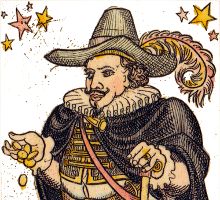
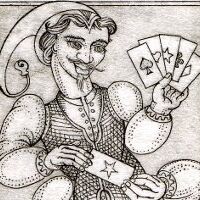
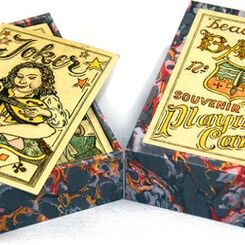
Cosi Fan Tutte was published in 1994 and is based on Mozart's opera. The pips (heart-shaped locket, magnet, marriage contract and poison bottle) are key objects in the development of the operatic plot. The Kings are the two male lovers in their normal costume and then dressed as Albanians. The Queens are the female leads with their lovers, in and out of disguise, in the background. The Jacks show Despina in and out of her disguises while the fourth is Fiordiligi. The Aces are embellished with cupids, satyrs, angels and witches. The standing Joker is Don Alfonso.
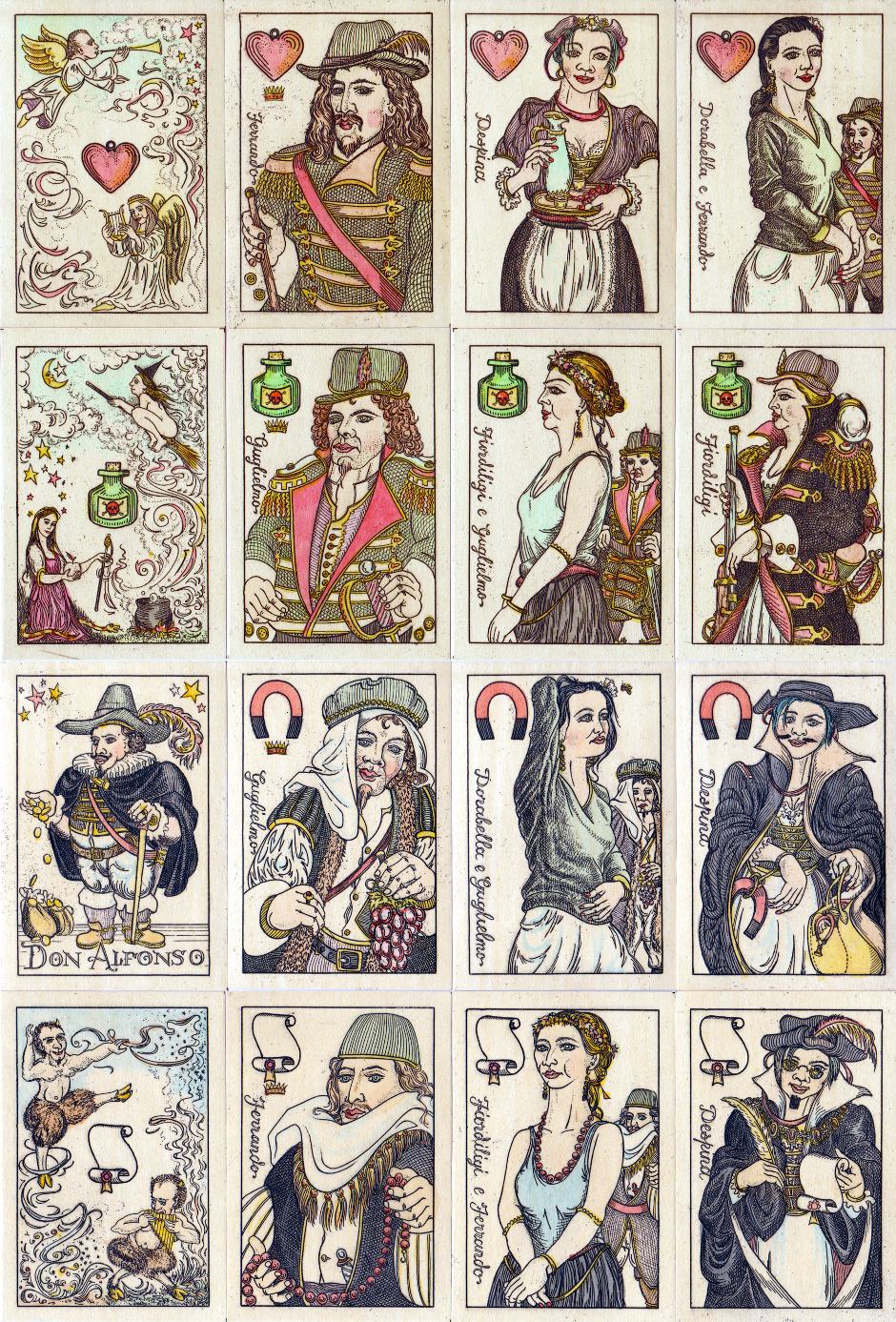
Above: Karl Gerich pack no.36 titled "Cosi Fan Tutte", published in 1994. 52 cards + Joker. Cards measure 85mm x 96mm.
References:
♠ Tregear, Mike and Daphne, "Karl Gerich: Card Designer and Maker", privately published.

By Barney Townshend
United Kingdom • Member since October 06, 2015
Retired Airline Pilot, interested in: Transformation Playing Cards, Karl Gerich and Elaine Lewis. Secretary of the EPCS. Treasurer of the IPCS.

Activity for Cosi Fan Tutte
Sign in to comment or save this article.

Related Articles
Leadmill playing cards
Promotional pack for an arts centre in Sheffield with designs by Martin F. Bedford.
Ken McCarthy
An unknown deck by Ken McCarthy, c.2018.
Karl Gerich No.22: “Rouennais”
Karl Gerich’s hand-made design No.22: “Rouennais”, Victoria P.C.C, Bath (UK), 1990.
Monsters
A collective of artists known as Monster Illustration produced a deck entitled “Monsters” in 2004.
La Traviata
“La Traviata” playing cards designed by Erté, c.1985.
Karl Gerich No.20: Rouennais A
The Aces are decorated with the pip in a central circle and two different figures at each end of the...
19: 19th Century Breaks with Tradition - Unusual versions of the Standard English Pattern
The centuries-long tradition of English court cards was subject to misinterpretation and in some cas...

Cartes Turques
"Cartes Turques" was published in 1985. Intricate designs with a hint of orientalism, double borders...
Deutche Karten
Karl Gerich's ‘Deutche Karten’ playing cards No.9, printed from copperplate etchings.
Karl Gerich No.1
The first entry in the catalogue, dating from c.1982, shows full-length figures with their symbols o...
Trappola Française v.1
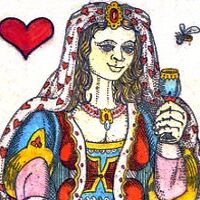
Inspired by Piatnik's ‘Trappola’ of c.1890, with double-ended courts, a Jester and decorated Aces, t...

Patience No.21
‘Patience No.21’ is a 52-card miniature deck with double-ended courts and a Joker holding a fan of c...
Karl Gerich No.27
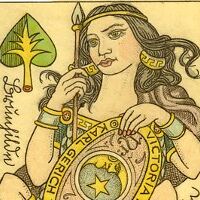
The courts are characters from Wagner's opera “The Ring of the Nibelungs”, beautifully etched and ha...

Karl Gerich No.12
Karl Gerich's 12th deck is titled “Rheinland Playing Cards” and was published in 1991. lt is derived...
Karl Gerich No.3
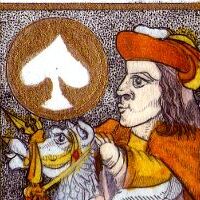
Four Elements is Karl's third attempt at manufacturing playing cards.

Karl Gerich No.19
An unpublished design by Karl Gerich showing 12 court cards, a Joker and two additional cards produc...
No.6 Austrian
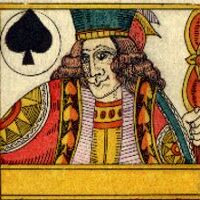
This early Gerich work is an adaptation of the English pattern with continental stylisation. The dou...
Karl Gerich
Karl Gerich's interest in playing-card production came to the fore while studying at Bath Academy of...
The History of Playing Cards
Playing cards appear in European records in the late 14th century, but their earlier history lies fu...

About Karl Gerich (1956-2016)
About Karl Alexander Gerich, 23rd April 1956 — 4th January 2016
Most Popular
Our top articles from the past 60 days


