


Small Tuscan Pattern
Small Tuscan Pattern
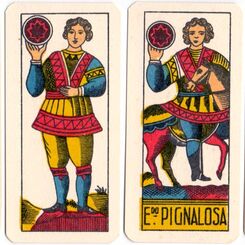
This pattern is usually referred to as The Small Tuscan Pattern ("Toscane formato piccolo"). It emerged during the 18th century and gradually replaced earlier designs. The full-length courts are dressed in Venetian rounded costume. Packs usually have 40 cards. The cards shown on this page are from an uncut sheet by Edoardo Pignalosa, Rampe Brancaccio 76, Napoli, c.1946.
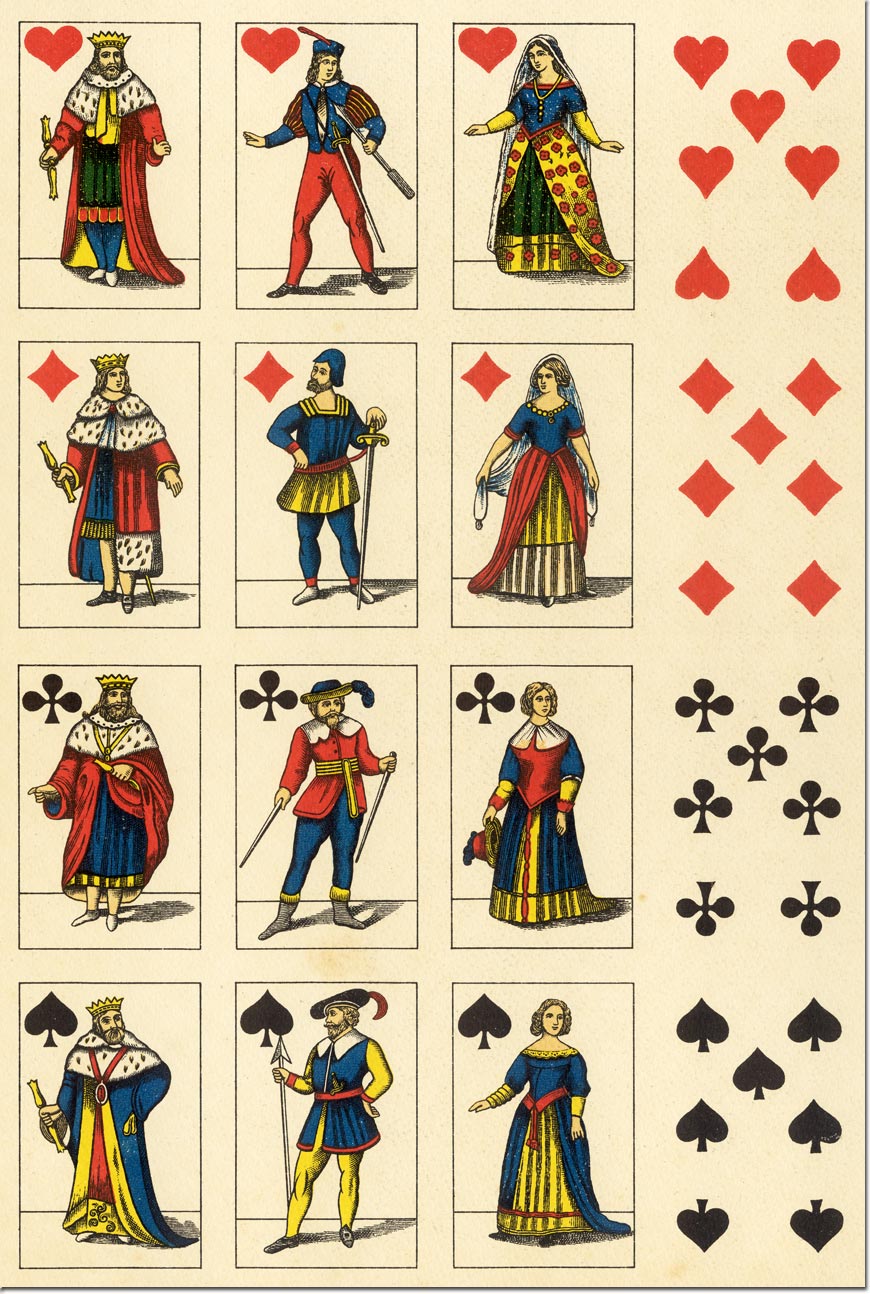
Above: Small Tuscan pattern from uncut sheet by Edoardo Pignalosa, Rampe Brancaccio 76, Napoli, c.1946.

By Simon Wintle
Spain • Member since February 01, 1996
I am the founder of The World of Playing Cards (est. 1996), a website dedicated to the history, artistry and cultural significance of playing cards and tarot. Over the years I have researched various areas of the subject, acquired and traded collections and contributed as a committee member of the IPCS and graphics editor of The Playing-Card journal. Having lived in Chile, England, Wales, and now Spain, these experiences have shaped my work and passion for playing cards. Amongst my achievements is producing a limited-edition replica of a 17th-century English pack using woodblocks and stencils—a labour of love. Today, the World of Playing Cards is a global collaborative project, with my son Adam serving as the technical driving force behind its development. His innovative efforts have helped shape the site into the thriving hub it is today. You are warmly invited to become a contributor and share your enthusiasm.

Activity for Small Tuscan Pattern
Sign in to comment or save this article.

Related Articles
Neapolitan pattern by Luigi Pignalosa, Naples
Two versions of the Neapolitan pattern from the British Museum by Luigi Pignalosa, Naples, 1875 & 18...
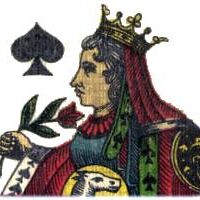
Piedmont Pattern
The Piedmont pattern is a very close relative to the French 'Paris' pattern. The courts are not name...
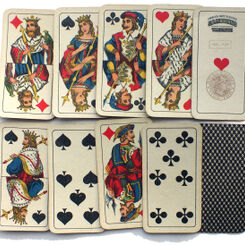
Lombardy (or Milanesi) pattern
The origins of the Lombardy pattern probably lie in the early 19th century when it was a full-length...
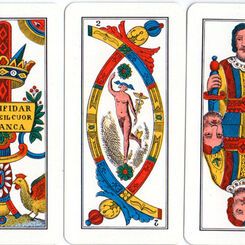
Trevisane pattern
The double-ended version of the ‘Trevisane’ pattern originated in the early 19th century.
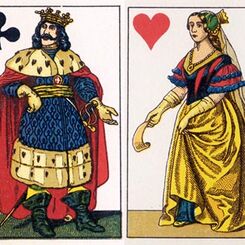
Florentine Pattern
Originally one of several designs which emerged during the nineteenth century, the Florentine patter...
Brescia pattern
The Brescia pattern contains elements which come from a past age.
Most Popular
Our top articles from the past 60 days


