Piedmont Pattern
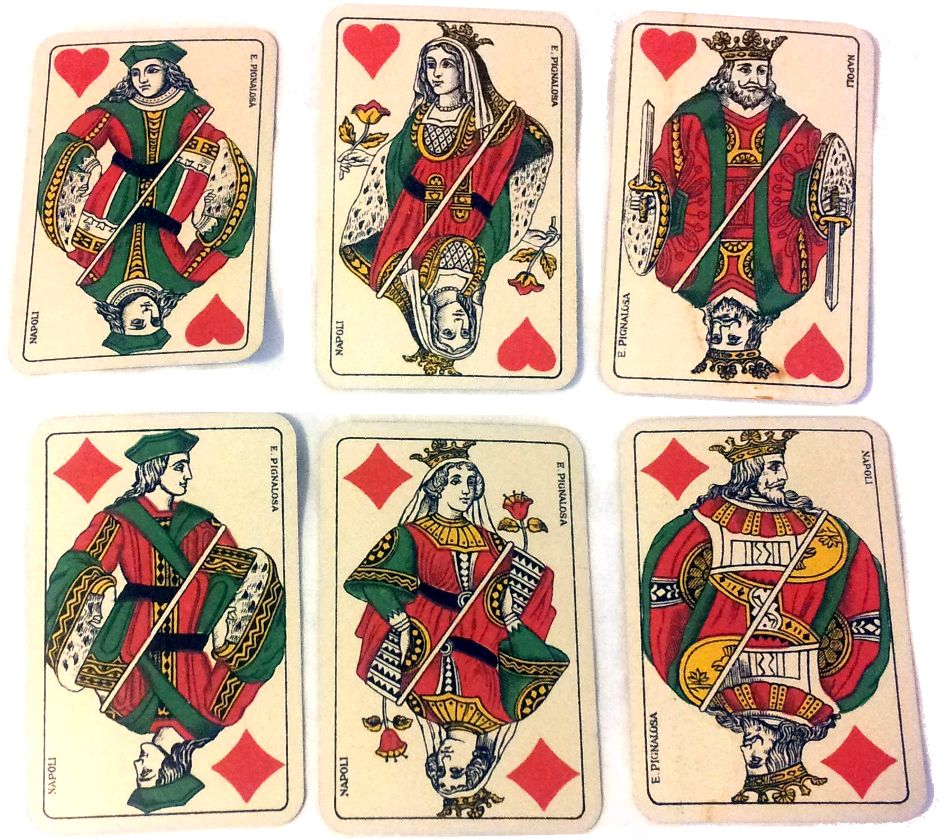
The Piedmont pattern is a very close relative to the French 'Paris' pattern. The courts are not named, however, and are divided horizontally (rather than diagonally).
Carte Piemontesi
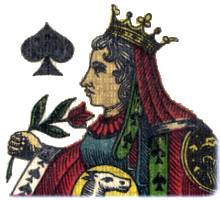
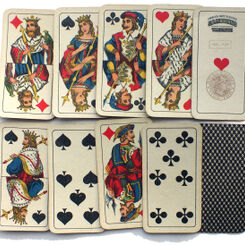
The Piedmont pattern is a very close relative to the French 'Paris' pattern. The designs also have resemblances to the archaic French Dauphiné pattern which was used in Piedmont until superseded by the one shown on this page, as well as the Genoese Pattern. Early 19th century examples have full-length courts, but they became double ended within a decade or two. The courts are not named, however, and are divided horizontally (rather than diagonally). There are no indices.
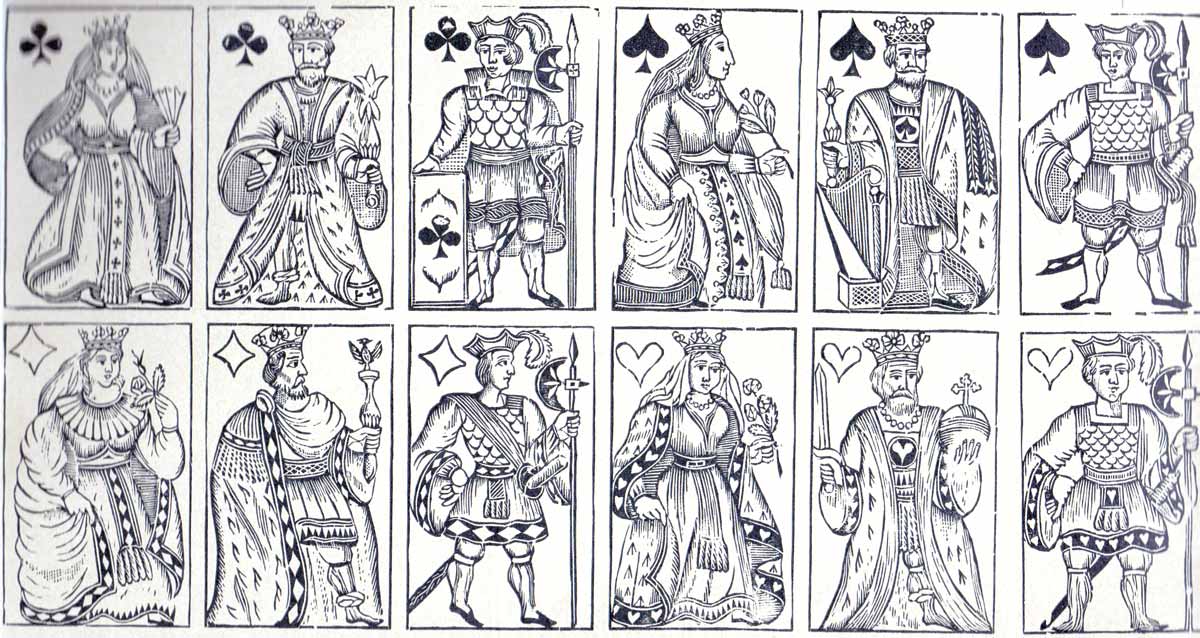
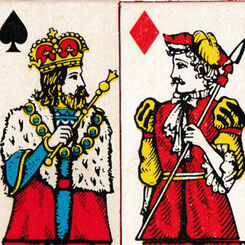
Above: full-length 'Carte Piemontesi' printed from woodblocks carved by an anonymous artist in imitation of cards of the 19th century. Published by Vito Arienti, Edizioni del Solleone, 1970.
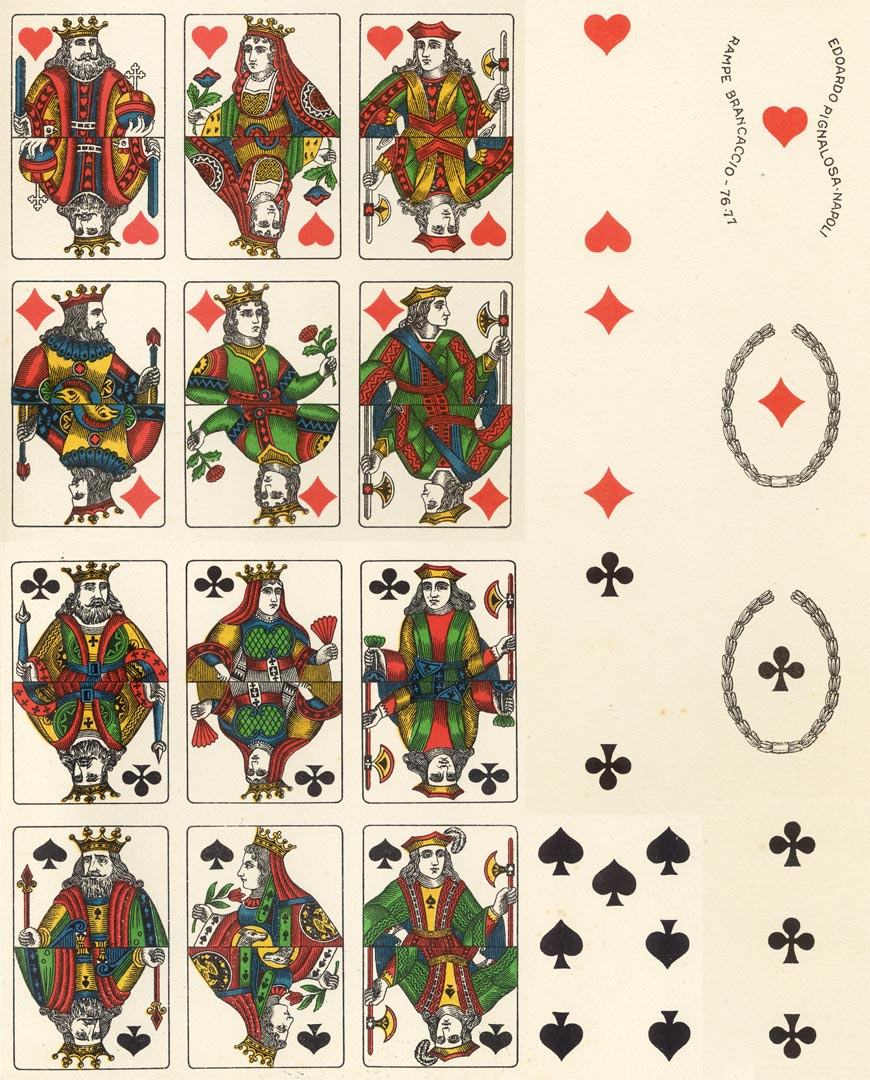
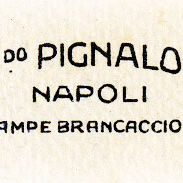
Above: cards from an uncut sheet by Edoardo Pignalosa, dated 1949.
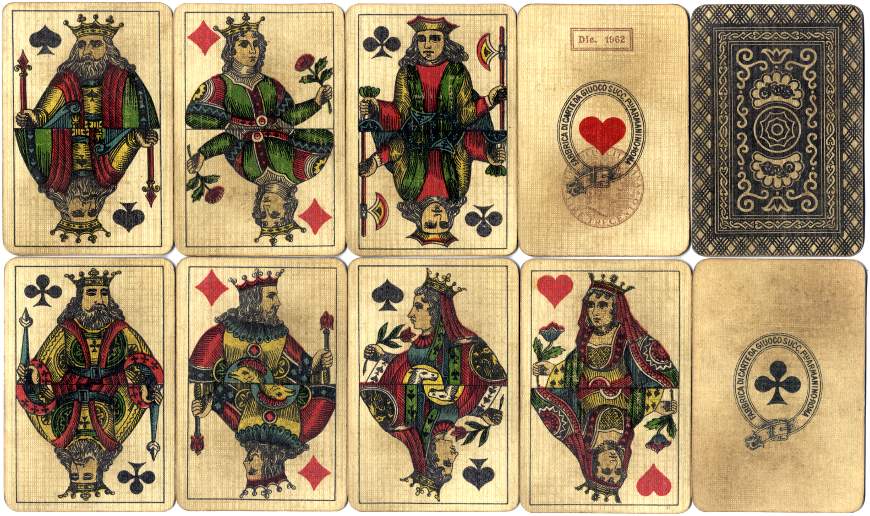
Above: cards from a soiled example of 'Carte Piemontesi' manufactured by Armanino, Rome, dated 1962. The Ace of Hearts has a 300 lire tax stamp. The back design incorporates two small motorcycles.
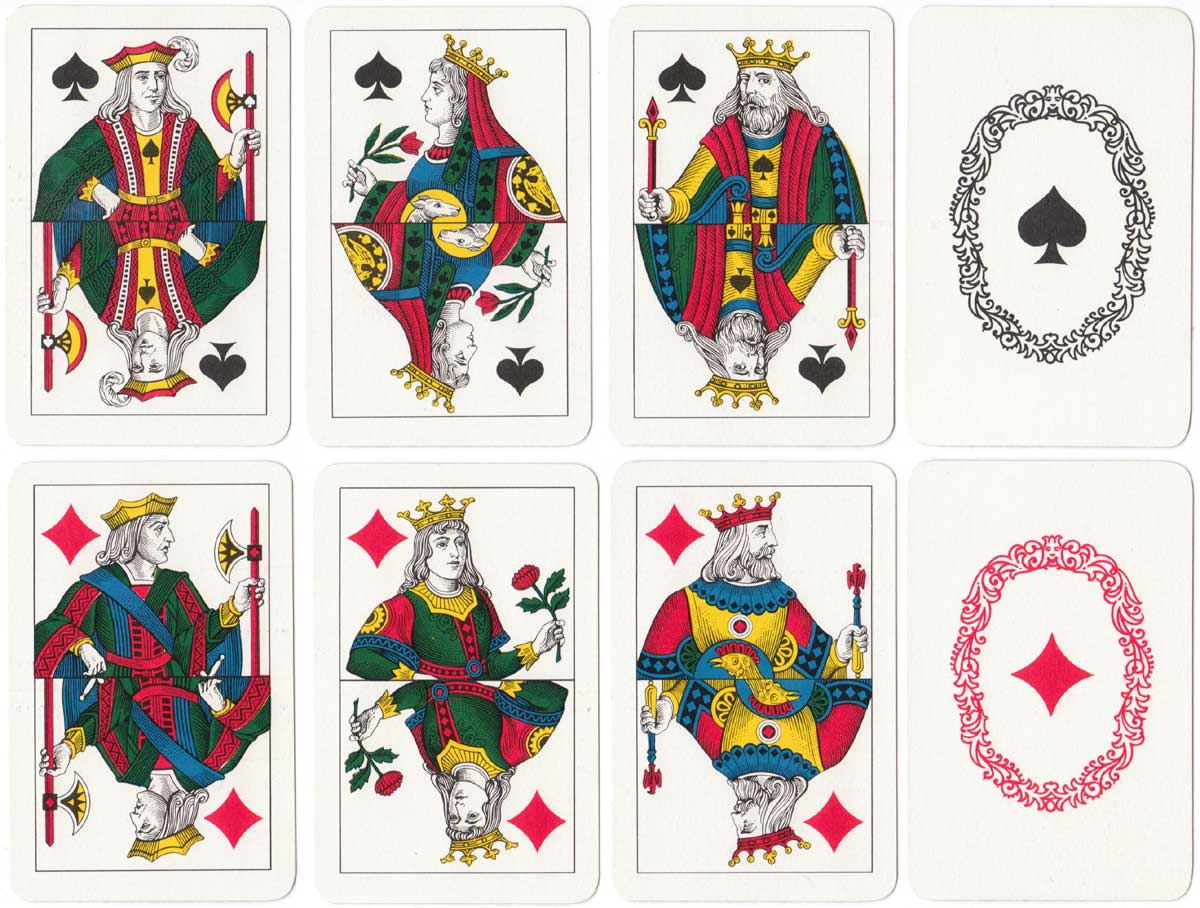
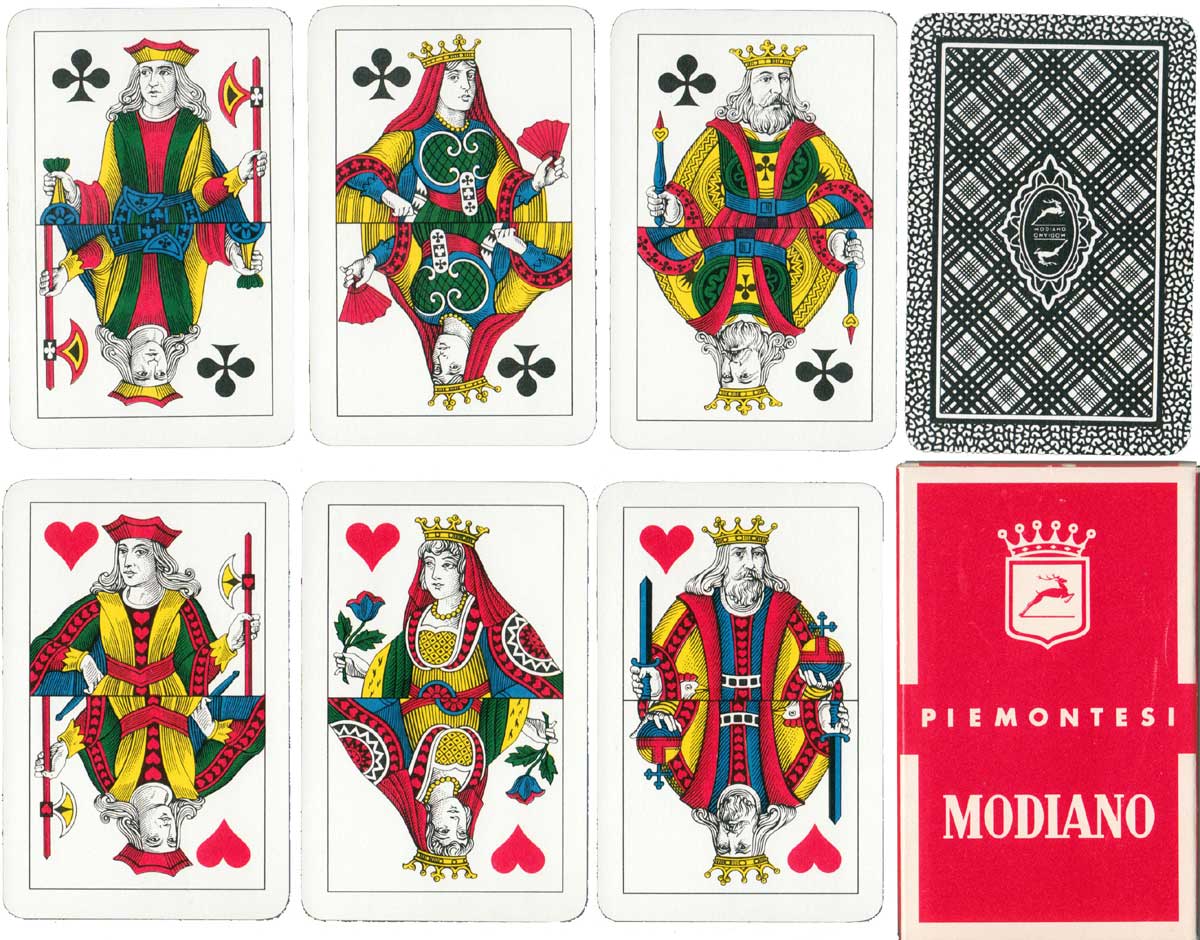
Above: Carte Piemontesi manufactured by Modiano, 1970s.

By Simon Wintle
Spain • Member since February 01, 1996
I am the founder of The World of Playing Cards (est. 1996), a website dedicated to the history, artistry and cultural significance of playing cards and tarot. Over the years I have researched various areas of the subject, acquired and traded collections and contributed as a committee member of the IPCS and graphics editor of The Playing-Card journal. Having lived in Chile, England, Wales, and now Spain, these experiences have shaped my work and passion for playing cards. Amongst my achievements is producing a limited-edition replica of a 17th-century English pack using woodblocks and stencils—a labour of love. Today, the World of Playing Cards is a global collaborative project, with my son Adam serving as the technical driving force behind its development. His innovative efforts have helped shape the site into the thriving hub it is today. You are warmly invited to become a contributor and share your enthusiasm.

Activity for Piedmont Pattern
Sign in to comment or save this article.

Related Articles
Modiano Napoletane Cards
From Trieste with Pride – a 150th Anniversary Edition of the Neapolitan Pattern.
Czech National Patterns by S.D. Modiano
Modiano produced cards with the Prague and Trappola patterns in the early 20th century.
Neapolitan pattern by Luigi Pignalosa, Naples
Two versions of the Neapolitan pattern from the British Museum by Luigi Pignalosa, Naples, 1875 & 18...
Carte Romantiche Italiane
Scenes of life and the theatre in Milan towards the second half of the 19th century.
Schwarze Katze (or Gioco del Gatto Nero)
Reproduction of a 40-card transformation pack with designs by “WS”, adapted for the game of Black Ca...
Italia playing cards
Small, narrow cards designed by Osvaldo Menegazzi, bearing a strong resemblance to a Swedish pattern...
Art Nouveau playing cards from Italy
from the Armanino factory in Genoa
Il Quinto Seme
An Italian pack with a fifth suit of “amici” (“friends”).
Triestine Pattern
The Triestine pattern is derived from the Venetian (Trevisane) pattern but with its own characterist...
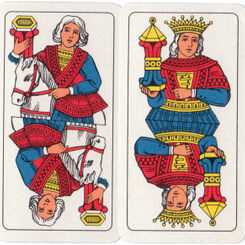
Bergamasche Pattern
Bergamasche Pattern by Modiano, 1970s.
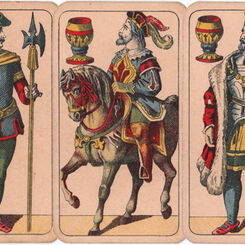
Fantasy Italian style
Fantasy latin-suited pack with court figures in pseudo-medieval style, Fratelli Armanino, Genova, c....
Piacentine Pattern
Piacentine Pattern, several double-ended versions.
Lombardy (or Milanesi) pattern
The origins of the Lombardy pattern probably lie in the early 19th century when it was a full-length...
Trevisane pattern
The double-ended version of the ‘Trevisane’ pattern originated in the early 19th century.
Tarocco Piemontese | Piedmontese tarot
The double ended version of the Piedmontese Tarot evolved during the second half of the nineteenth c...
Small Tuscan Pattern
Small Tuscan Pattern
Sicilian Pattern
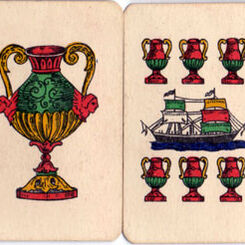
The Sicilian pack has a similar composition to the Neapolitan pack, and is small and squat in appear...
Neapolitan Pattern
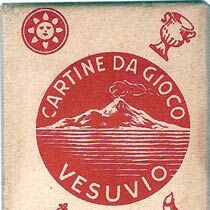
Cartine da Gioco Vesuvio miniature Neapolitan pattern.
Brescia pattern
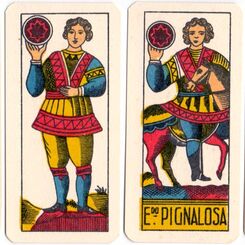
The Brescia pattern contains elements which come from a past age.
Most Popular
Our top articles from the past 60 days