


Le Jeu d’Issy
Bold designs by Jacques Auriac representing people and enterprises for which the town of Issy-les-Moulineaux is famous.
Jacques Auriac (1922-2003) was a French artist and poster designer who spent many years living and working in Issy-les-Moulineaux, just outside Paris. In 1986, he devised the striking logo for the French National Playing Card Museum in Issy which can be seen on the Jokers and on the back of the box. In the pack itself, famous people connected with the town (Matisse, Dubuffet, Farman, Blériot, etc.) and businesses for which the town became famous are depicted in Auriac’s bold and colourful gouaches. The four suits represent aviation (H), history (C), art (S), and business (D). The pips are arranged in a non-standard fashion. The original gouaches were presented to the Museum on the occasion of an exhibition devoted to the artist’s work in the year 2000.
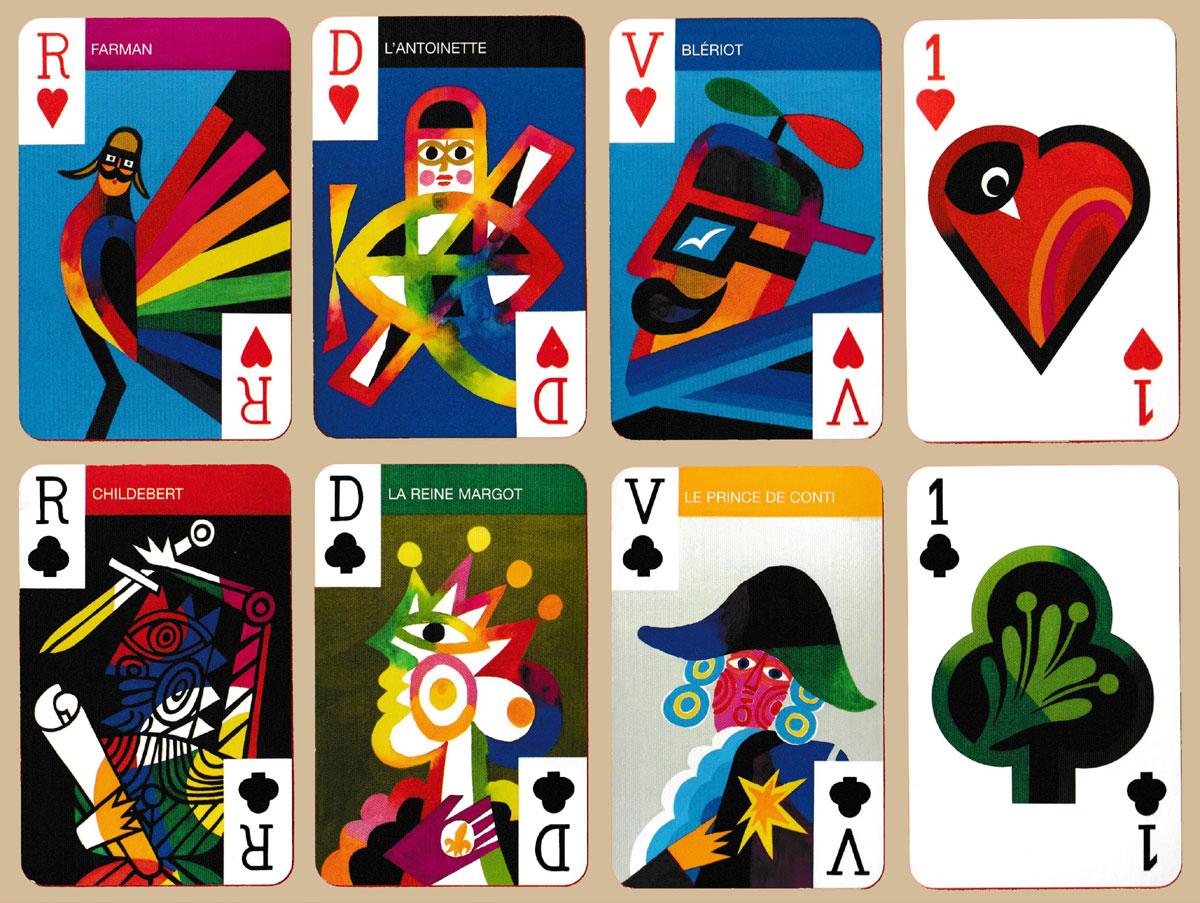
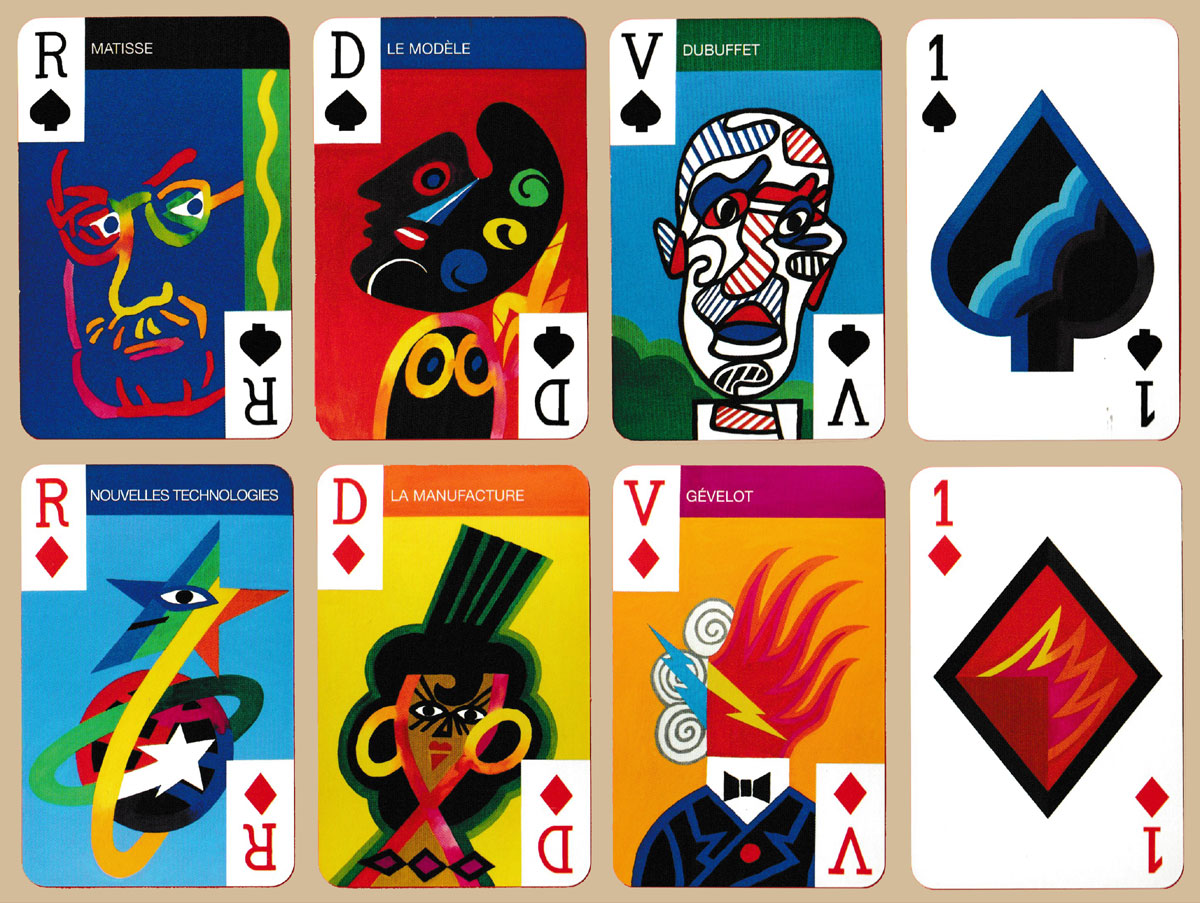
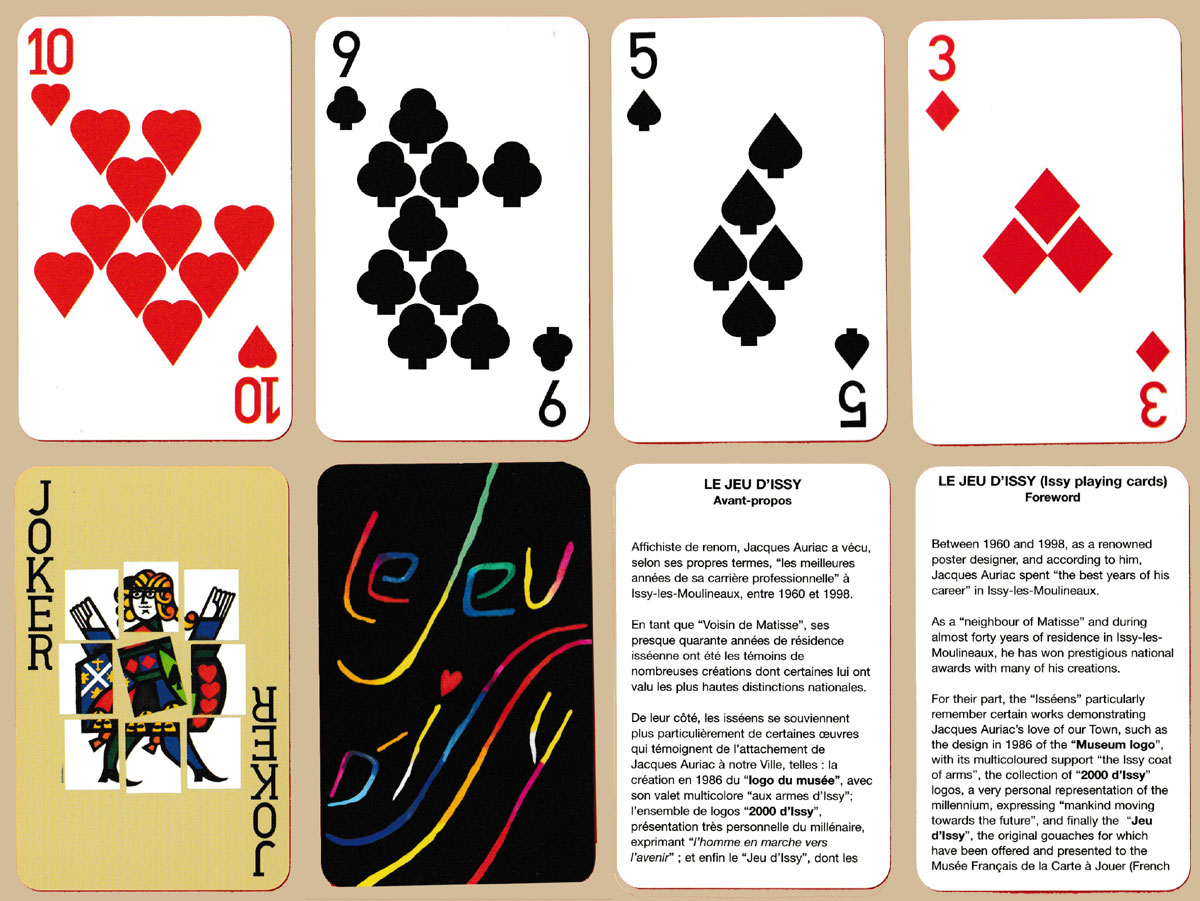
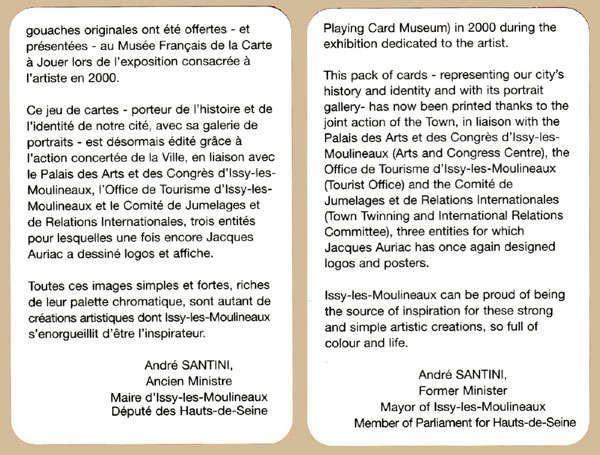
Above: Le Jeu d’Issy published by the Musée Français de la Carte à Jouer & Galerie d’Histoire de la Ville, Issy-les-Moulineaux, France, 2002. Maker unknown. 52 cards + 2 (identical) Jokers + 2 extra cards (with explanatory text in French and English) + fold-out leaflet (in French and English), in tuck box. Size: 56 x 87 mm. © 2002 Musée Français de la Carte à Jouer / Issy-les-Moulineaux.

By Roddy Somerville
France • Member since May 31, 2022
Roddy started collecting stamps on his 8th birthday. In 1977 he joined the newly formed playing-card department at Stanley Gibbons in London before setting up his own business in Edinburgh four years later. His collecting interests include playing cards, postcards, stamps (especially playing cards on stamps) and sugar wrappers. He is a Past President of the Scottish Philatelic Society, a former Chairman of the IPCS, a Past Master of the Worshipful Company of Makers of Playing Cards and Curator of the WCMPC’s collection of playing cards. He lives near Toulouse in France.

Activity for Le Jeu d’Issy
Sign in to comment or save this article.

Related Articles
The ACA Liège Game
A curious art-game from the Royal Academy of Fine Arts of Liège, issued in 2000.
Jeu Roman
The splendour of early medieval France, courtesy of Éditions Dusserre.
Jeu du Musée de la Compagnie des Indes
Paintings and treasured objects from the Indies, on display in a museum in Port-Louis.
Knoll International
Geometric designs by the French artist Jean Garçon for Knoll International, the furniture company.
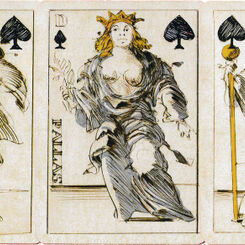
Claude Weisbuch
Free reinterpretation of the traditional Paris pattern courts by the artist Claude Weisbuch.
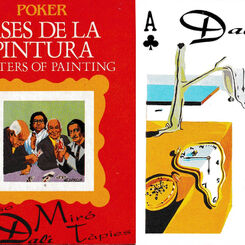
Ases de la pintura / Masters of painting
Ases de la pintura / Masters of painting playing cards made by Naipes Comas, Spain, c.1990.
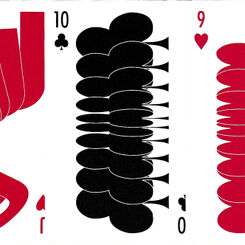
Museum of Modern Art
Museum of Modern Art playing cards designed by Takenobu Igarashi.
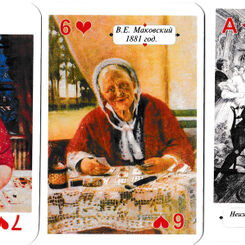
Playing cards in Russian life
Playing cards in Russian life - Karty v zhizni Rossii - published by Aleksandr Lutkovskii in 2004.
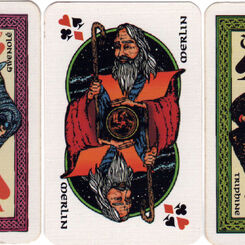
Les Grandes Figures de L’Histoire Bretonne
Les Grandes Figures de L’Histoire Bretonne
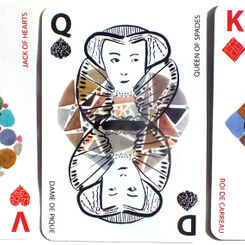
Virginie Houdet
Virginie Houdet “Cartes à Jouer” limited edition, 2017.
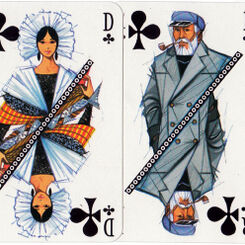
Boulogne-sur-Mer Chamber of Commerce
Boulogne-sur-Mer Chamber of Commerce & Industry playing cards illustrated by James Hodges, c.1974.
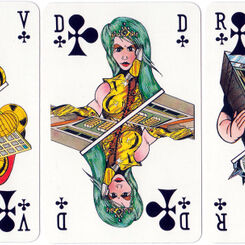
Alcatel
Alcatel playing cards published by Éditions Dusserre, c.1970s

Versailles
Sumptuous ‘Versailles’ playing cards created by Matéjà and printed by B. P. Grimaud, c.1970
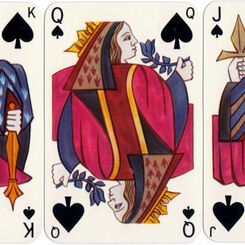
Classique
“Classique” by Draeger Frères, Paris, c.1949 with designs reminiscent of early French cards.
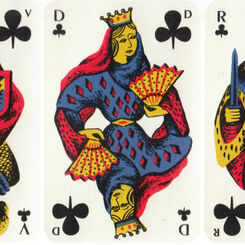
Banque Nationale de Paris, c.1962
Special deck made for La Banque Nationale de Paris by Van Genechten, Turnhout, c.1962.

1900 Jeu de Cartes
‘Jeu de Cartes 1900’ designed by Marie Christine Schira in the Art Nouveau or Jugendstil style, 1979...
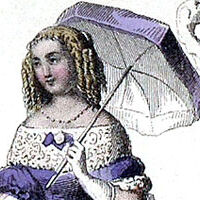
Jeu des Rois de France
This beautifully engraved and pleasing deck designed in 1856 has French Kings and consorts as the Ki...
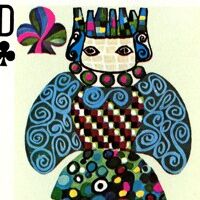
Geneviève Lirola
Stylish modern designs by the painter, decorator and ceramist Geneviève Lirola, featuring unity of c...

Jean Picart le Doux
Jean Picart le Doux playing cards, issued in 1957 to celebrate the company's 125th anniversary, feat...
The History of Playing Cards
Playing cards appear in European records in the late 14th century, but their earlier history lies fu...
Most Popular
Our top articles from the past 60 days


