


I Trionfi d’Amore
Tarot trumps designed by Juan Ballesta and inspired by 1970s pop culture, promoting Baci chocolates.
Juan Ballesta (born 1935), the Spanish artist who designed these cards, worked in Perugia from 1965 to 1978 so it is not surprising that he created these designs for Baci, a company based in Perugia. The style is inspired by 1970s pop culture and is somewhat reminiscent of the animations in Monty Python’s Flying Circus. A single, strong background colour is used for each card. The titles are in Italian. This limited edition set was never sold separately but rather it was offered to customers buying Baci chocolates. See the box►
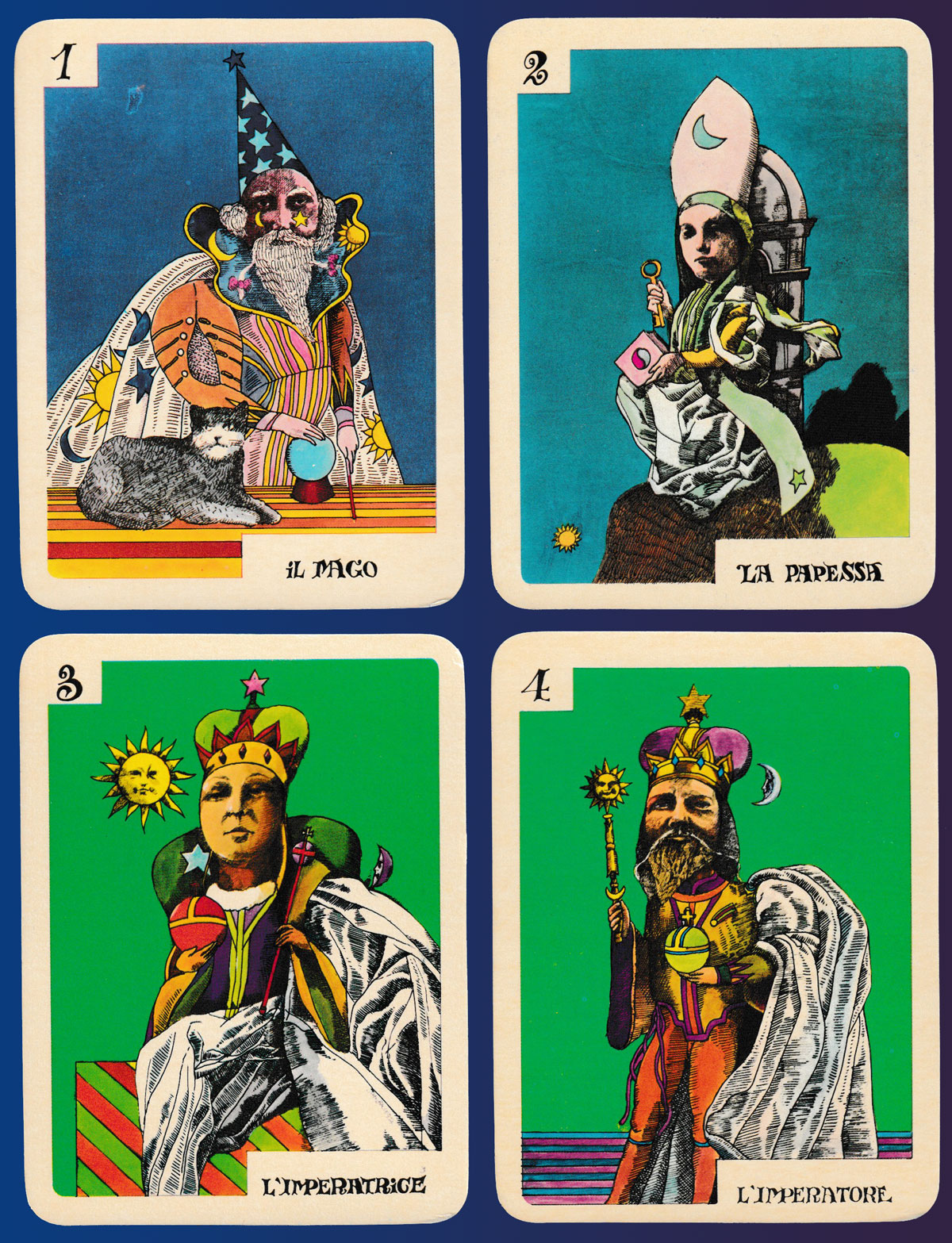
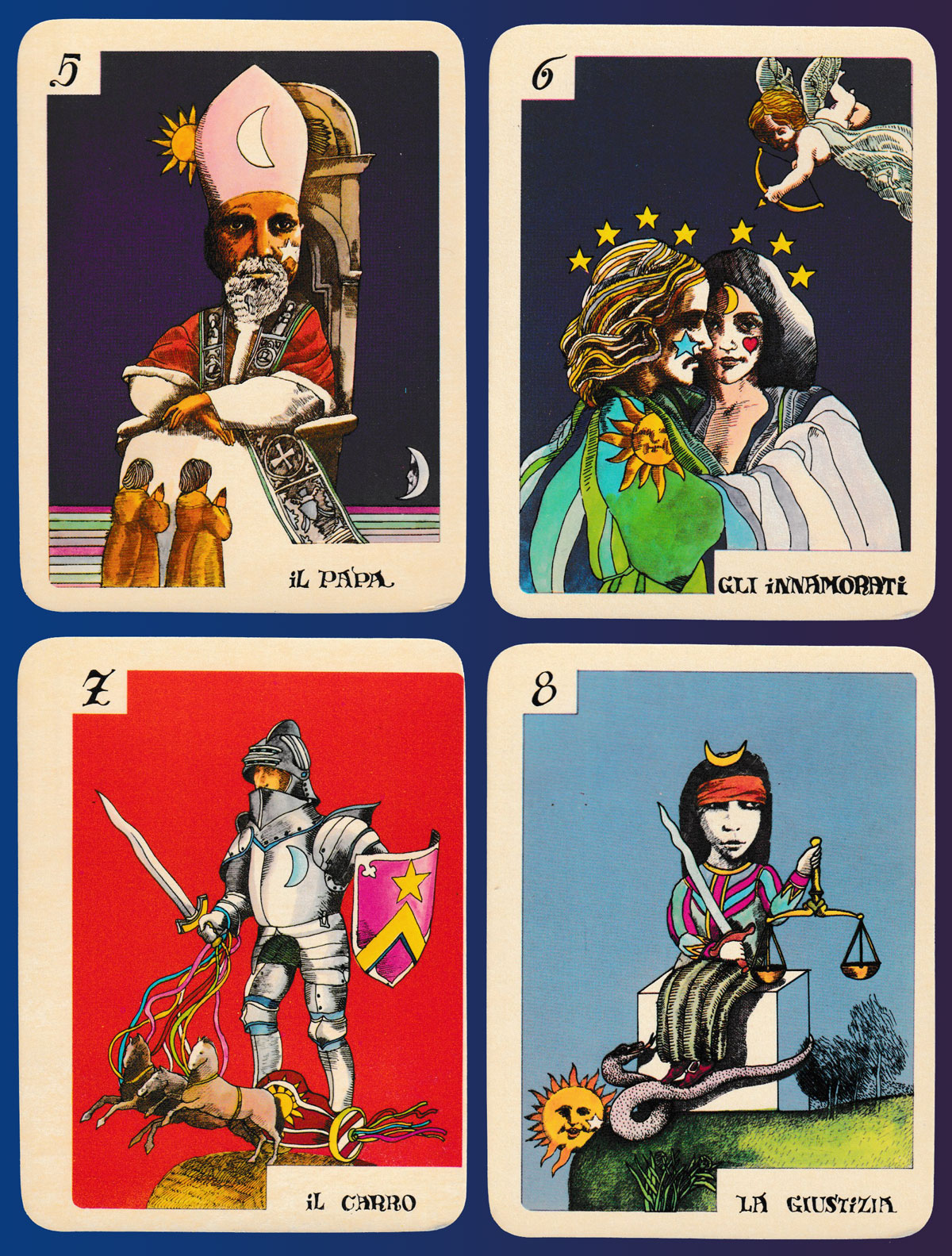
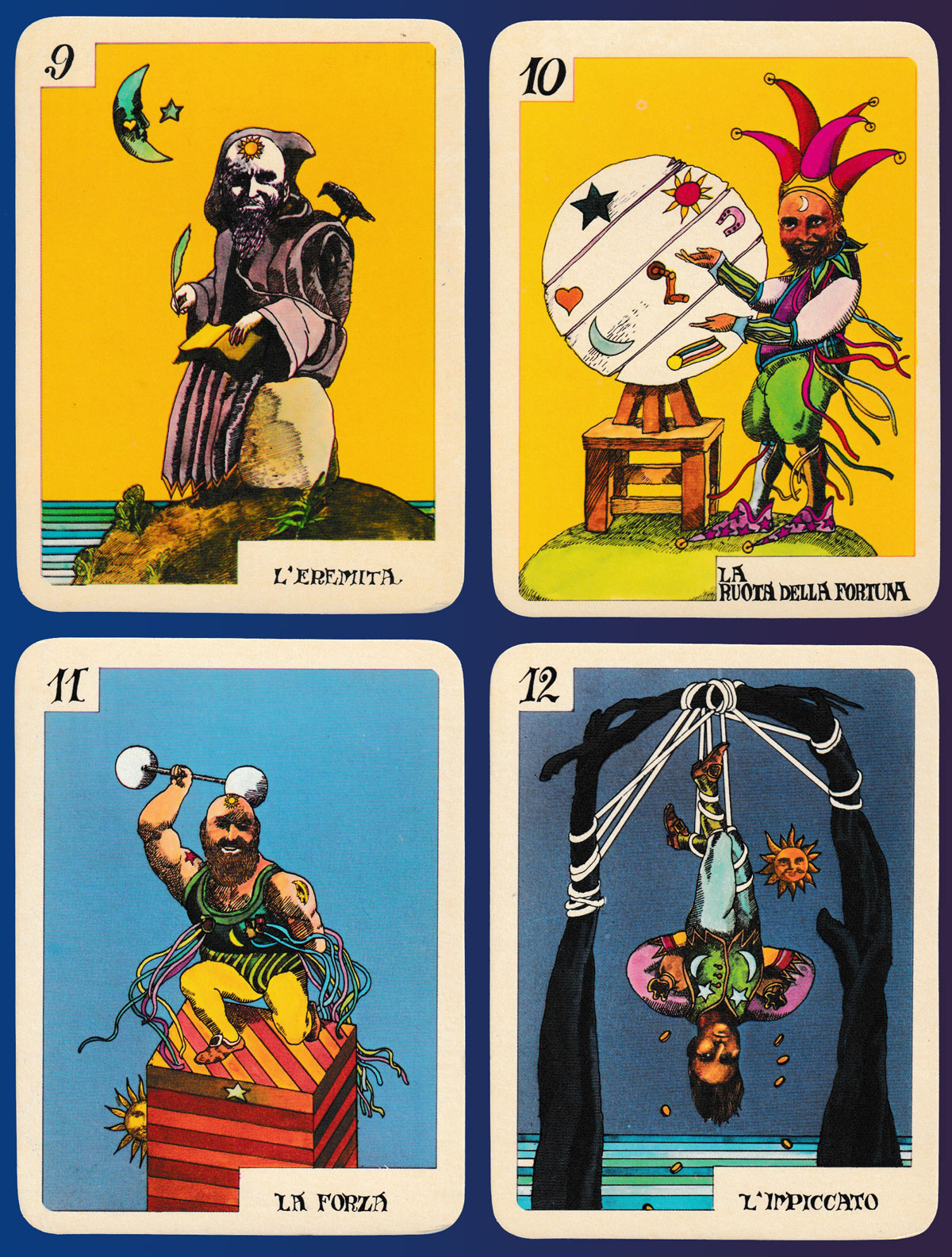
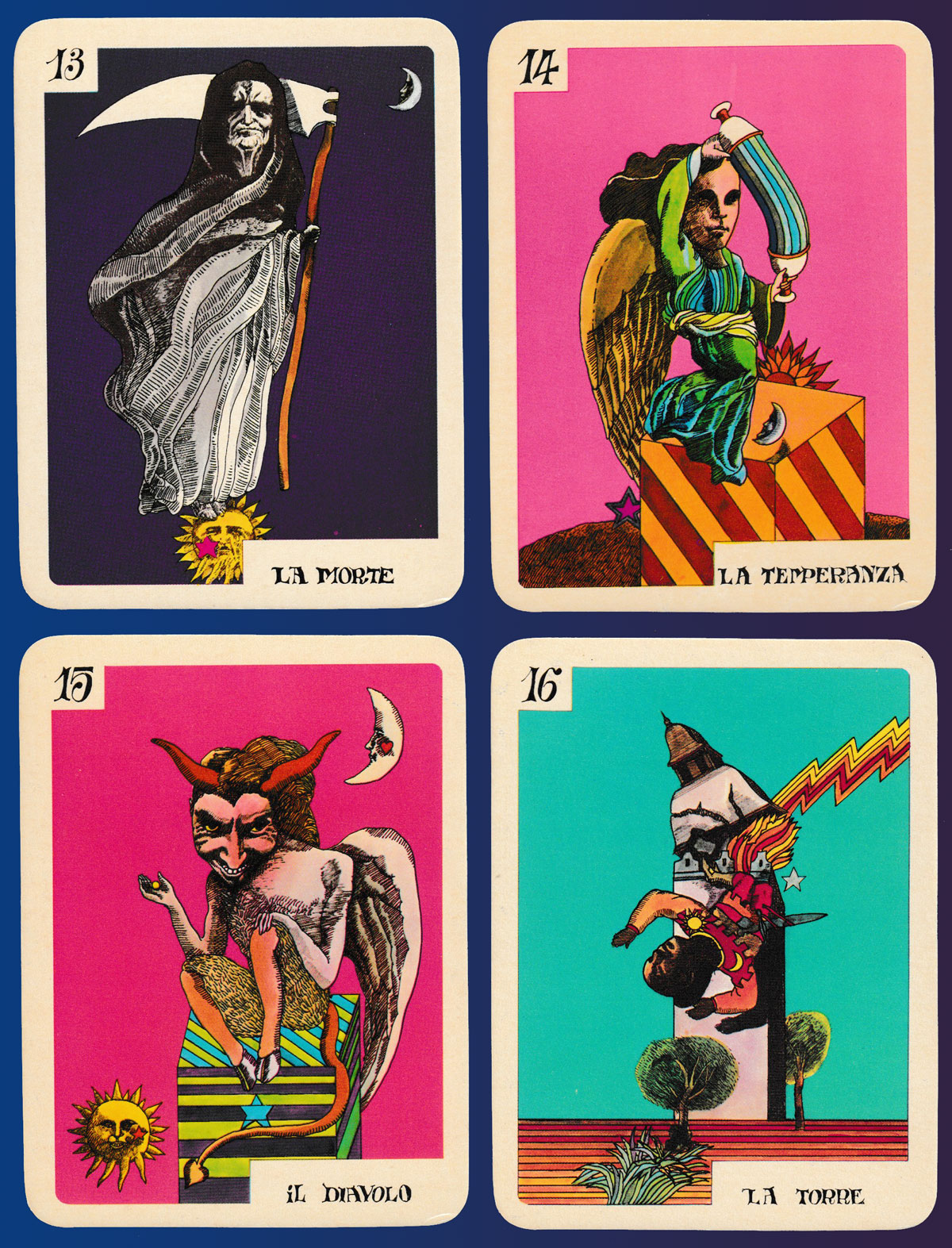
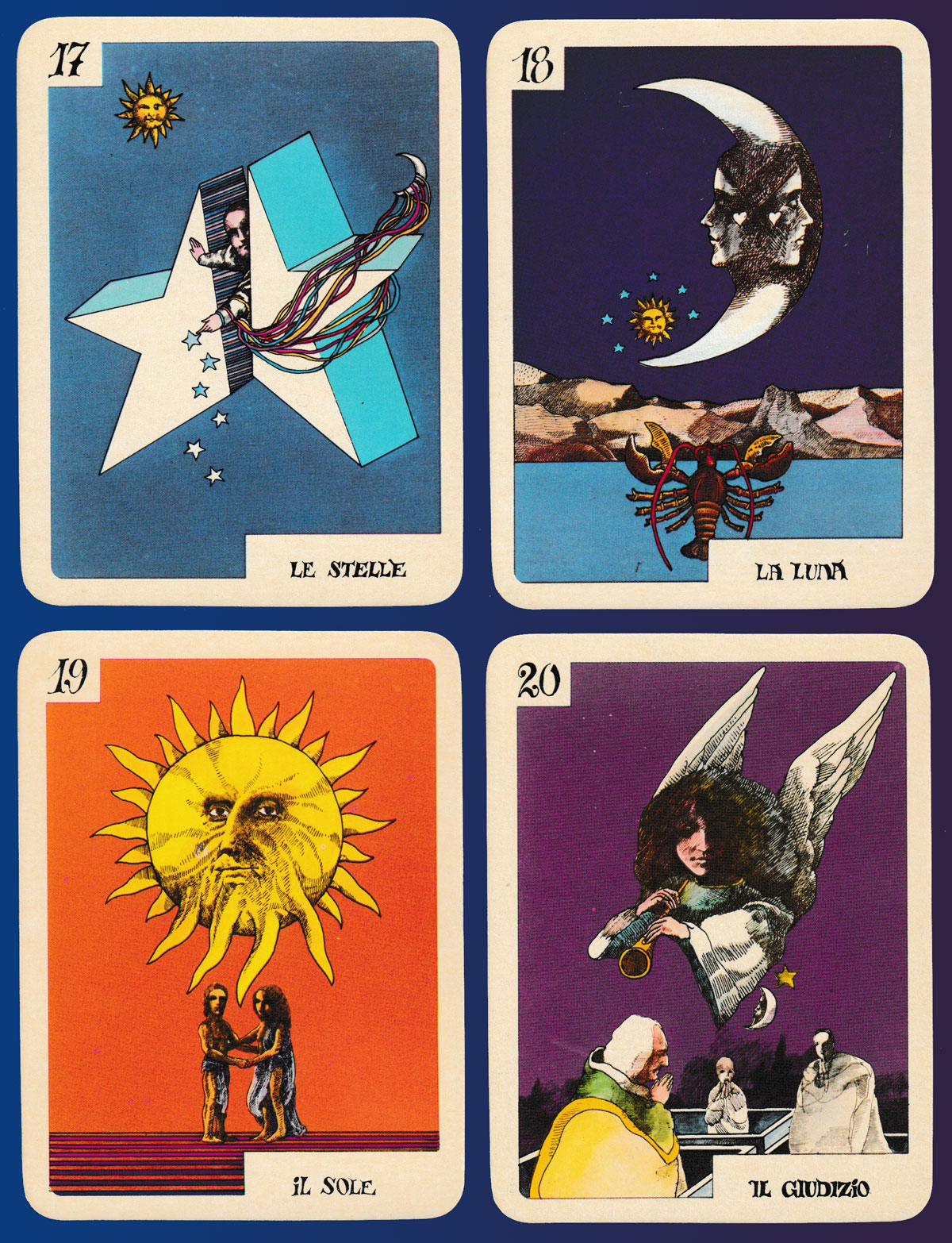
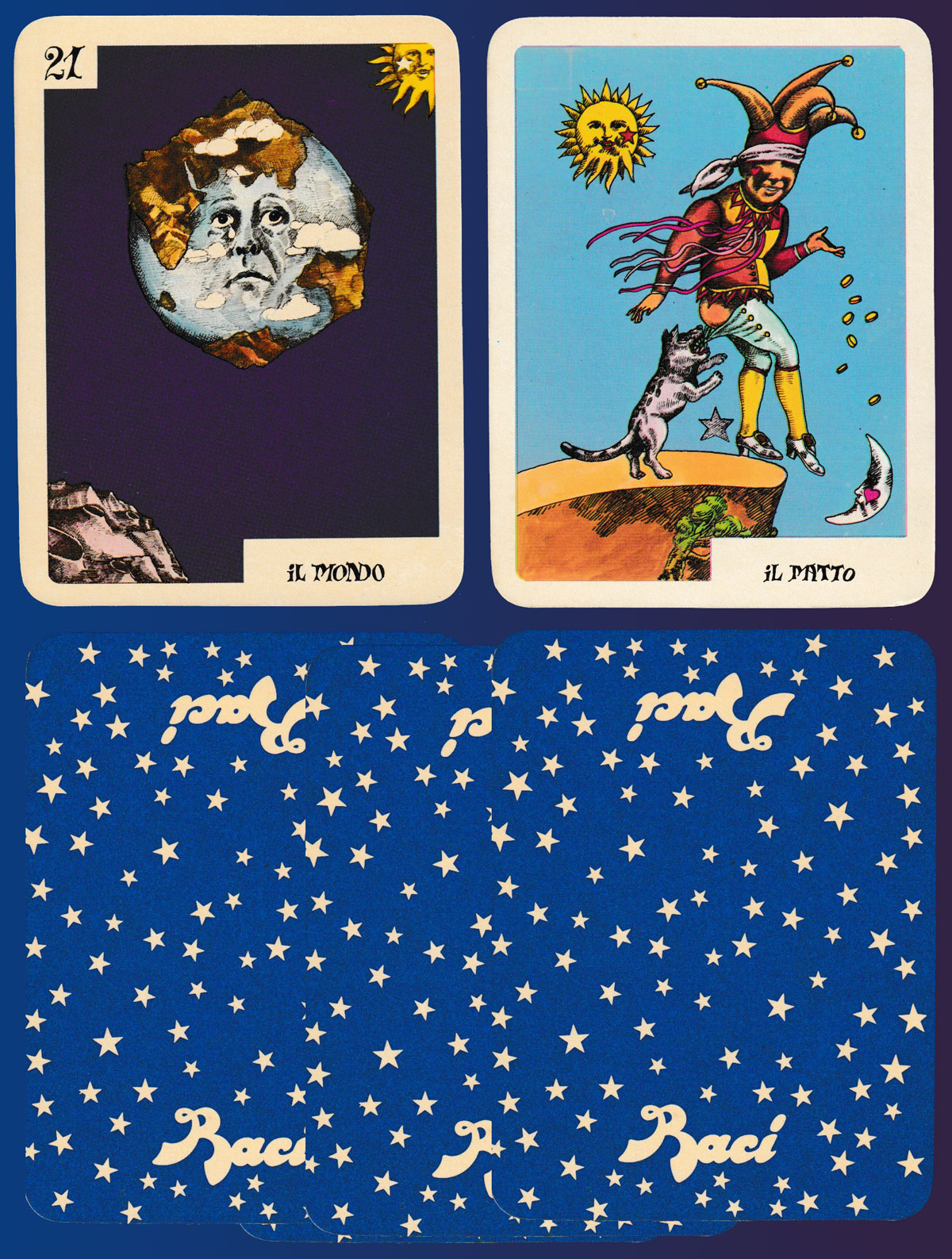
Above: I Trionfi d’Amore published for Baci chocolates by Baci Perugina, Perugia, Italy, 1978. Maker unknown. 22 cards + 24-page booklet in Italian, in a side-opening container with a pull-out two-part sleeve (one for the cards and one for the booklet). Size: 80 x 106 mm.

By Roddy Somerville
France • Member since May 31, 2022
Roddy started collecting stamps on his 8th birthday. In 1977 he joined the newly formed playing-card department at Stanley Gibbons in London before setting up his own business in Edinburgh four years later. His collecting interests include playing cards, postcards, stamps (especially playing cards on stamps) and sugar wrappers. He is a Past President of the Scottish Philatelic Society, a former Chairman of the IPCS, a Past Master of the Worshipful Company of Makers of Playing Cards and Curator of the WCMPC’s collection of playing cards. He lives near Toulouse in France.

Activity for I Trionfi d’Amore
Sign in to comment or save this article.

Related Articles
Tarot del Toro
Tomás Hijo makes Tarot del Toro from hand-painted linocut prints of characters and settings from Gui...
Buffy the Vampire Slayer Tarot
A Buffy the Vampire Slayer tarot pack that replaces Swords with scythes and Wands with stakes.
Murder of Crows Tarot
Corrado Roi’s 2020 tarot pack presents a dark, watchful world of crows and ritual figures.
History of Tarot and Playing Cards: Timeline & Origins
An alternative history of tarot and playing cards – from Mamluk Egypt to the invention of tarot in R...
Austrian Tarock by S.D. Modiano
Modiano’s Austrian Tarock with country scenes has been in production for over 100 years.
Jeu de Cartomancie pour l’amusement des Dames
Early French Cartomancy deck "for the amusement of Ladies" but also referred to as "Jeu divinatoire ...
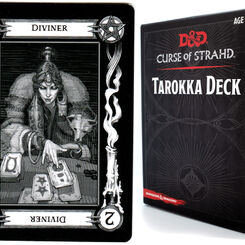
Dungeons & Dragons “Curse of Strahd” Tarokka Deck
Enhance your Dungeons & Dragons game with the Tarokka Deck, a tarot-inspired set of cards that bring...
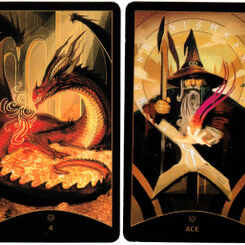
Dungeons and Dragons Tarot
This 78-card officially licensed Dungeons & Dragons (D&D) tarot deck offers a visually appealing var...
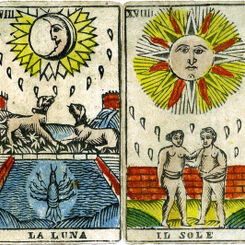
Tarocco Piemontese by Giovanni Rossi
18th c. Piedmont Tarocchi by Giovanni Rossi, Turin.
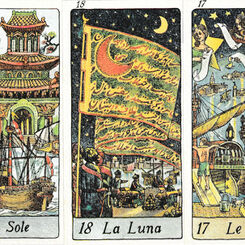
Venetian Tarot
Scenes from the history of Venice on a set of the major arcana.
V. F. Solesio Tarot
V. F. Solesio Tarot, Genoa, mid-late 19th century.
Alitalia
Alitalia advertising deck produced by Premier Portfolio International Ltd.
Rider Waite Tarot early editions
Rider Waite Tarot early editions
Stairs of Gold Tarot
Whilst the titles of the cards are in Italian, the Hebrew and Sanskrit letters on the Trump cards de...
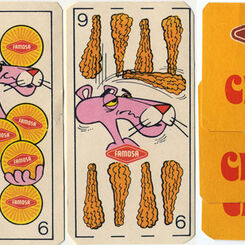
Chocolondo by Famosa
Chocolondo Waffle deck for Famosa.
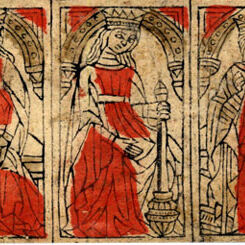
XV Century Italian Playing Cards
Cards from a pack of an early form of north Italian playing cards, with the swords back-to-back and ...
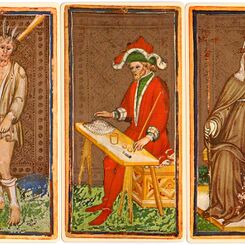
The Visconti-Sforza Tarot, c.1460
This pack of tarot cards appears to have have been made in the Bembo workshop in Cremona for Bianca ...
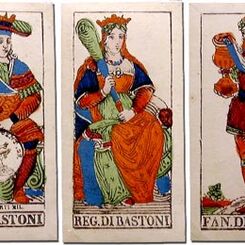
Tarocco Milanesi by Lamperti (Milan) c.1850
Tarocco Milanesi by Lamperti (Milan) c.1850
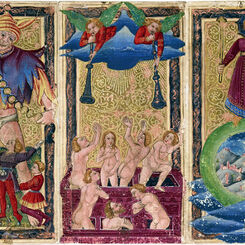
Hand-Painted Tarocchi Cards
Hand-painted Tarocchi cards sometimes known as ‘Charles VI tarot’, North Italy, 1475-1500.
Significado de los Naipes Españoles
Cartomantic meanings of Spanish playing cards by Benita the Witch (XVI century), published by Chocol...
Most Popular
Our top articles from the past 60 days


