


Illustrated Playing Cards
Illustrated (or “pictorial”) playing cards replace the standard faces with scenes and text, turning a pack into a miniature picture book. Popular in Britain from the late 1600s into the 1700s, many depict contemporary events, satire and everyday life.
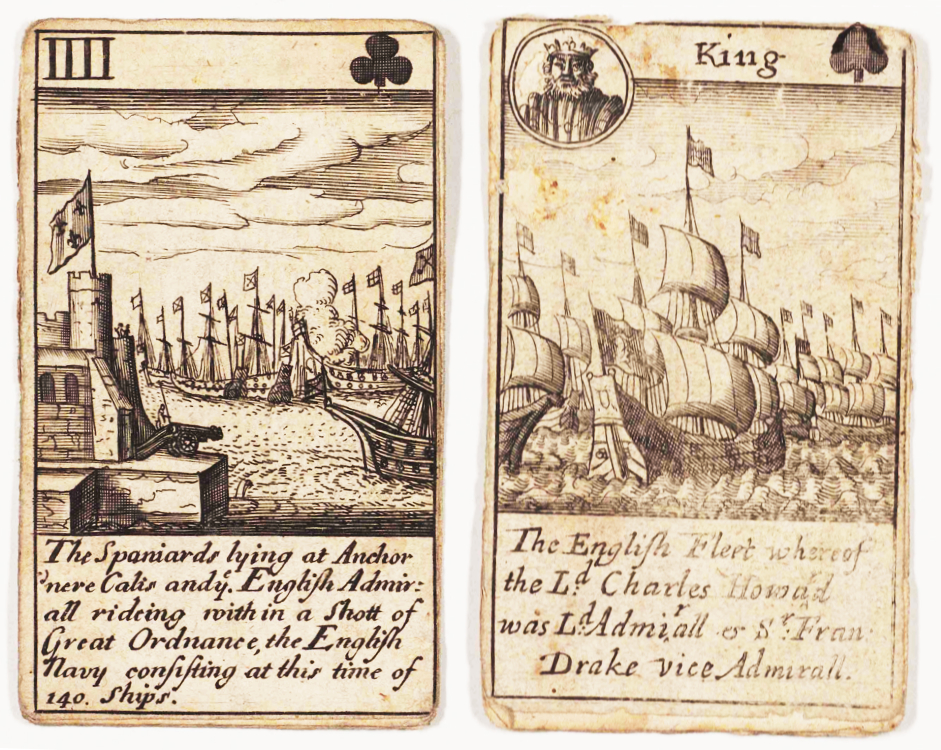
Above: Two illustrated cards from c. 1679 depicting episodes from the Spanish Armada of 1588. WCMPC Collection.
Illustrated (or ‘Pictorial’) playing-cards are a highly collectable type but these days fairly rarely seen. They reached the height of popularity from around 1680 until the 1750s or so. Relative to standard cards it seems that they are better survivors – not surprisingly perhaps, since they would rarely have been worn out through play and they may well have been bought as something to keep in the first place.
In ‘illustrated’ or ‘pictorial’ packs, the standard card faces are replaced with drawings and text. A common format is for the cards to be used like a storyboard with illustrations and text telling the reader all about a specific historical event. Well known examples cover topics like The Spanish Armada, The Popish Plot, The South Sea Bubble and similar.
The Worshipful Company of Makers of Playing Cards, in the City of London, UK, has a good many fine examples in its collection and I have used these in all the illustrations here.
For those interested in finance, several early packs tell the story of the famous ‘East India’ trading company, the early days of stock trading in London and the ‘South Sea Bubble’. This was one of the earlier known and most extreme of the many financial ‘bubbles’ – market conditions in which prices rise and rise as the bandwagon gains momentum.
One of the cards (shown) is titled “Furnishing of Funerals to all parts of Great Britain” and the caption reads:
Come all ye sickly mortals die apace
And Solemn Pomps your Funeral shall grace
Old Rusty Hackneys shall attend each Hearse
And Scarecrows in black gowns complete the farce
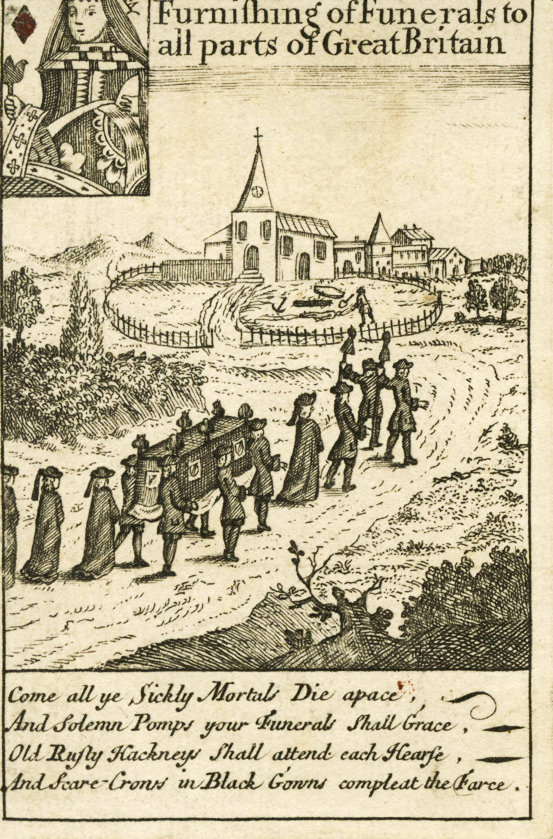
Above: “Furnishing of Funerals to all parts of Great Britain” (“bubble card”), Bowles and Bowen, London, 1720–1745. WCMPC Collection.
The second deals with an ealy offer of life assurance:
Come all ye generous Husbands, with your Wives,
Insure round sums, on your precarious lives,
That to your comfort, when you’re Dead and Rotten
Your widows may be rich when you're forgotten.
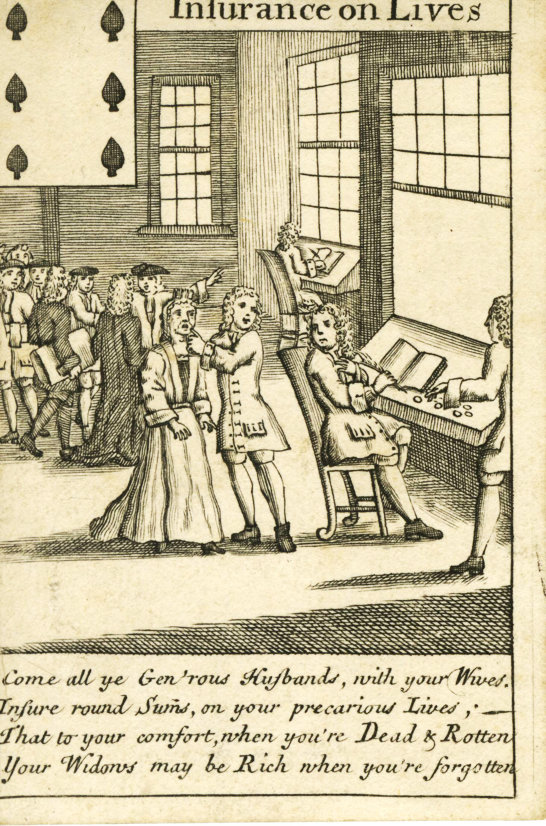
Above: “Insurance on Lives” (“bubble card”) on early life assurance, Bowles and Bowen, London, 1720–1745. WCMPC Collection.
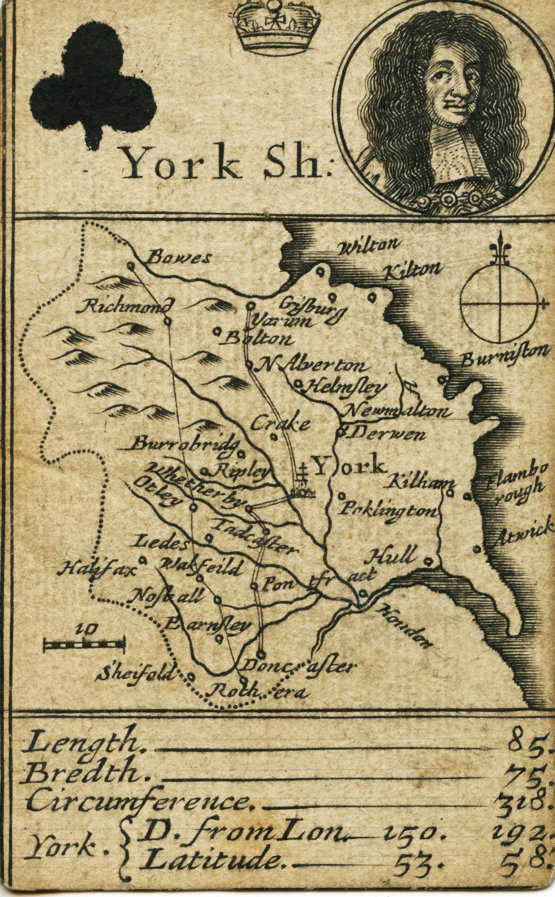
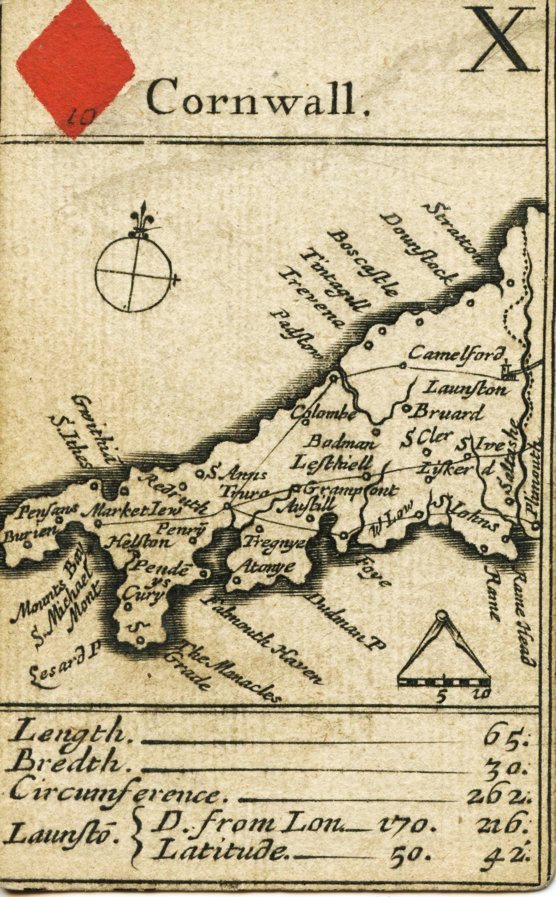
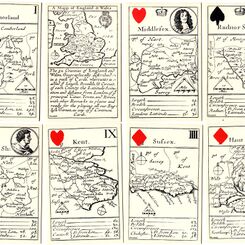
Above: county map cards of Yorkshire (left) and Cornwall (right) from Morden’s Maps, London, 1676. WCMPC Collection.
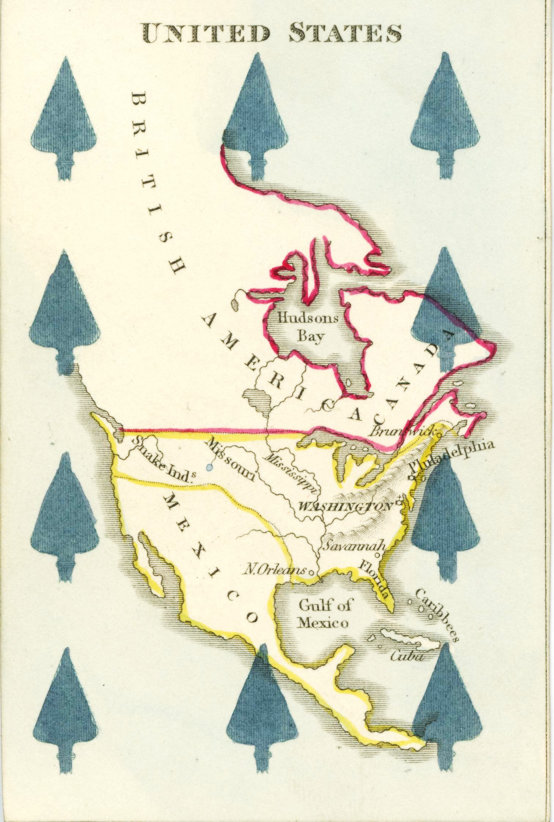
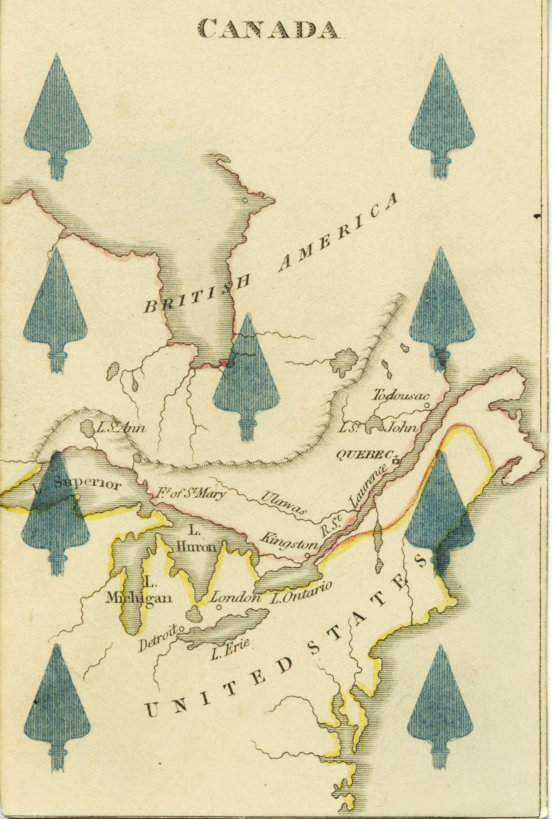
Above: map cards of the United States (left) and Canada (right) from “Hodges Geographical”, 1828. WCMPC Collection.
As in every bubble since – from Dutch tulip bulbs to “dot com” internet start-ups with no plans, the folly of it all becomes much clearer with hindsight, and much mockery can be made at the expense of those who lost out.
Once this idea of illustrated cards had gained popularity, many variations followed. There are satirical packs, entertaining packs, educational packs (covering numeracy, literacy, etc) historical and geographical packs. The Geographical packs (for example, the Counties of England and Wales) are early examples of printed maps can reach tens of thousands of pounds at auction.
Many examples of these various kinds have survived even from the seventeenth century. As well as the Worshipful Company Collection (examples shown here), The British Museum has an excellent collection inherited from a very wealthy and equally knowledgeable Victorian expert, Lady Charlotte Schreiber. Lady Schreiber also prepared a comprehensive catalogue of her collection, which encompasses many countries and many kinds of cards besides her obvious interest in illustrated examples.
The Geographical cards seem popular as they continued to be made for a long long time. Our second example comes roughly 150 years after “Morden’s Maps” in the previous illustration. This is “The New Royal Playing Cards – Hodges Geographcal” and is very luxuriously made around 1728.
While the geography of the USA seems well understood, there is apparently very little known about Canada at that time. Here (see the image above) much of modern Canada is claimed as “British America” and this was fairly early in the period of British occupation following the earlier French rule.
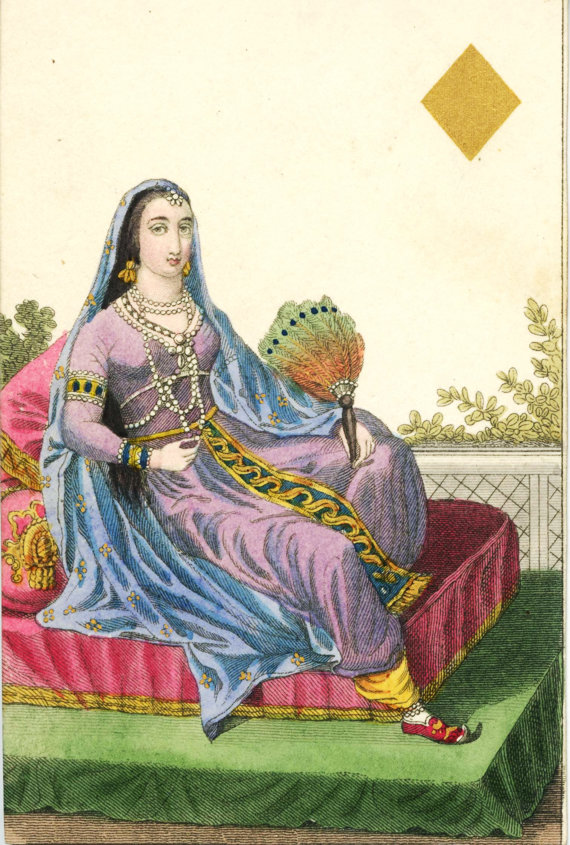
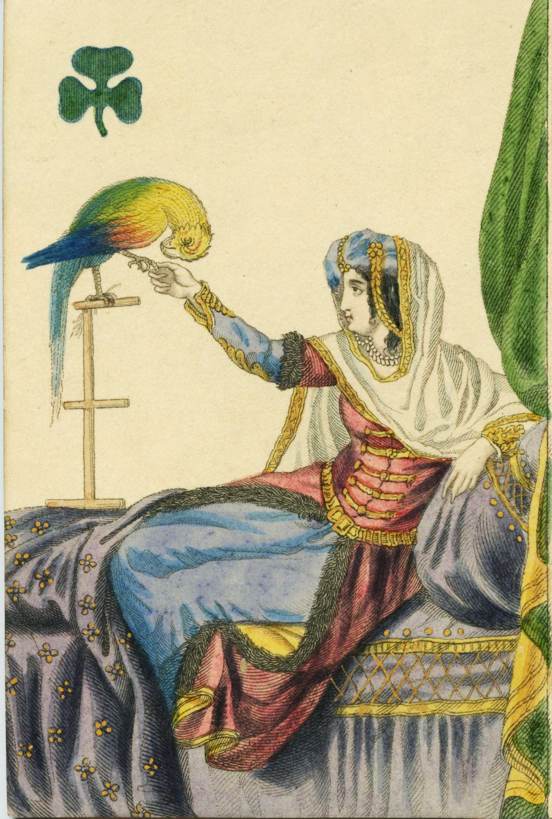
The court cards from the Hodges set are quite something too. In keeping with the maps and the geographical theme, they illustrate people from different nations around the world. Two of the Queens are shown above (and note also the unconventional suit signs (gold diamonds, green clover for clubs).
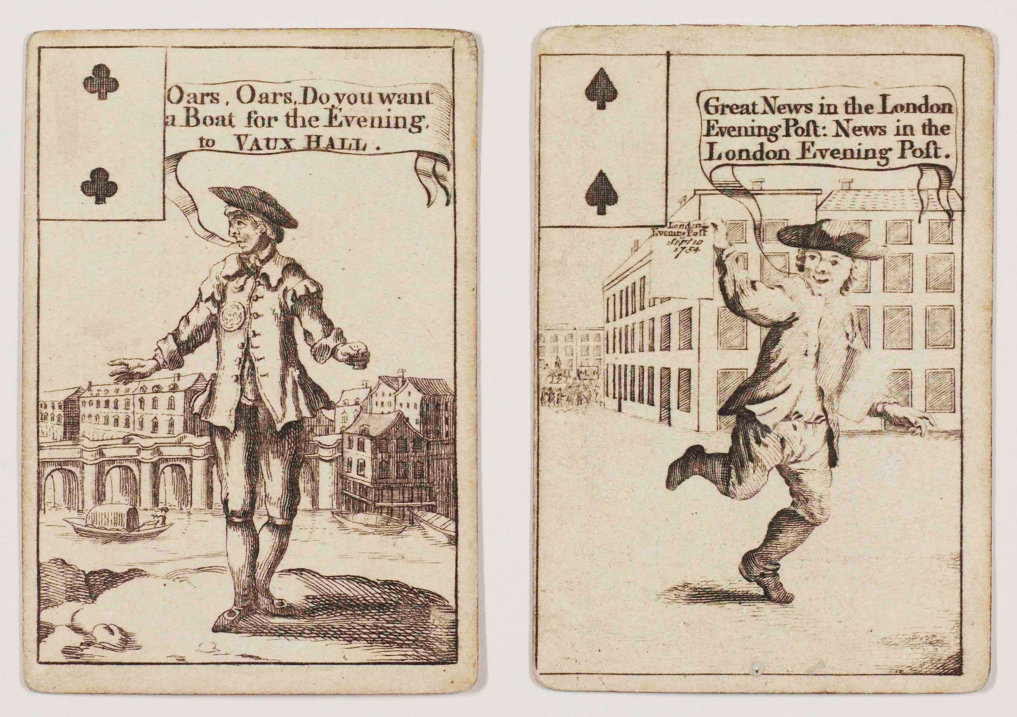
Above: illustrated card after John Kirk, “Cries and Humours of London”, 1750s.
Many of the sets capture contemporary life and offer us a glimpse of times past.
Some of these cards are particularly appealing, and my own favourite among these is a pack that leaves behind the weighty events of the day and looks at the people on London’s streets – the sellers of bread, fruit, flowers and fish, the polishers of shoes and so on. In the illustration below , the oarsman is offering transport to Vauxhall Gardens, a grand evening venue at the time, and the seller of the Evening Post has a job that we are still familiar with today.
References
- Bostock, Paul; Clear the Decks, 52 Plus Joker (2019).

By Paul Bostock
United Kingdom • Member since May 07, 2024
Paul has been a collector of playing cards since his early teenage years, the mid 1970s. In the last 20 years or so he has specialised in standard English cards and their story. His collection, including many other English Standards, are featured on his website plainbacks.com. Paul is currently editor of Clear the Decks, the Journal of 52 Plus Joker, the American club for playing card collectors, and is a member of the IPCS Council, an EPCS member and a Past Master of the Worshipful Company of Makers of Playing cards, a City of London livery company.

Activity for Illustrated Playing Cards
Sign in to comment or save this article.

Related Articles
Zewd Historical Deck
Ethiopian imperial history, from Tewodros II to Haile Selassie.
The Playing-Card Industry & Its Relevance Today
This video explores the relevance of playing cards today, highlighting industry diversification, mod...
Playing Card Research Archives maintained by The Worshipful Company of Makers of Playing Cards
The Worshipful Company of Makers of Playing Cards maintains an extensive archive of materials from n...
Are Playing Cards a Good Investment?
Playing cards can appreciate modestly, with historical annual gains of 2-3%. Rare cards offer higher...
English cards from the reign of Charles II
This article explores a historic pack of English playing cards from circa 1675, likely used by King ...
House of Tudor
Randy Butterfield's House of Tudor playing cards feature detailed art in a high-quality collectible ...
Costumes des Peuples Étrangers
Costumes des Peuples Étrangers & Jeu d’Or dedicated to young people and likely used for games and fo...
Even More Trial and Error
“Even More Trial and Error” produced by the Worshipful Company of Makers of Playing Cards, United Ki...
Trial and Error
Trial and Error produced by Lance Whitehouse, Past Master of the Worshipful Company of Makers of Pla...
Delightful Cards, c.1723
Delightful Cards, containing variety of entertainment for young Ladies and Gentlemen c.1723.
Mapit
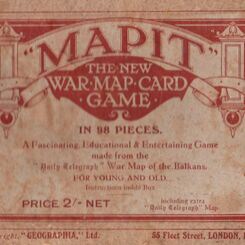
“Mapit” war map card game published by Geographia Ltd, 55 Fleet Street, London E.C., c.1940s.
Bubble Cards, 1720
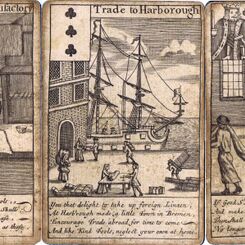
Bubble Cards - known as “All the Bubbles”, c.1720.
Countries of the World
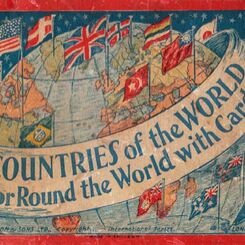
“Countries of the World” published by H.P. Gibson & Sons, Ltd, c.1939.
Population
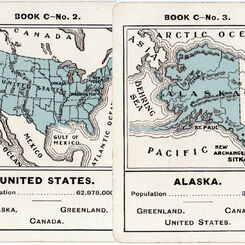
The game of Population was first published by the Fireside Game Co., Cincinnati, USA (a division of ...
41: A Guide to Dating Playing Cards
Dating is a particularly tricky but very interesting problem to tackle and there are many pitfalls. ...
Charles Hodges
Charles Hodges produced engraved geographical and astronomical decks, London, c.1827-30.
The Joker Card
The 'Joker' is believed to have been invented by American Euchre players who, when modifying the rul...
South Sea Bubble
The South Sea Bubble Playing Cards were first published in London by Thomas Bowles in 1720. The card...
Robert Morden’s Playing Cards
The 52 Counties of England and Wales described as a pack of cards first published in London in 1676....
The Worshipful Company of Makers of Playing Cards
The Worshipful Company of Makers of Playing Cards was founded by Royal Charter in 1628.
Most Popular
Our top articles from the past 60 days


Stephen Scharber
07 April 2026, 17:15SavedSaved this article to Stephen Scharber's Collection