


Woolley & Co: “Eurekas”
Woolley & Co: “Eureka” playing cards with rounded corners, small index pips and decorative back design, c.1880-1885.
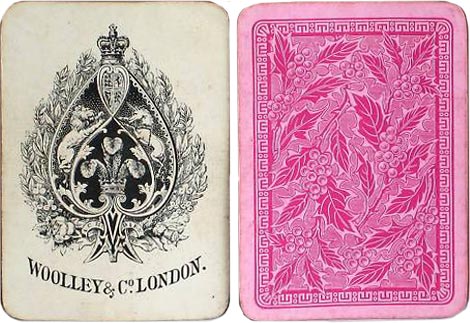
Woolley & Co “Eureka” playing cards with rounded corners, small index pips and decorative back designs, c.1880-1885. Packs with corner indices, along with rounded corners, had been introduced by Woolley & Co as a novelty around 1878-79 and were sold at that time for one shilling per pack. Woolley also took pride in publishing new artistic and eye-catching back designs each season, in several tints, which were inspired by fashion trends of the day. These features, along with enamelled surfaces and competitive prices, were aimed at increasing sales.
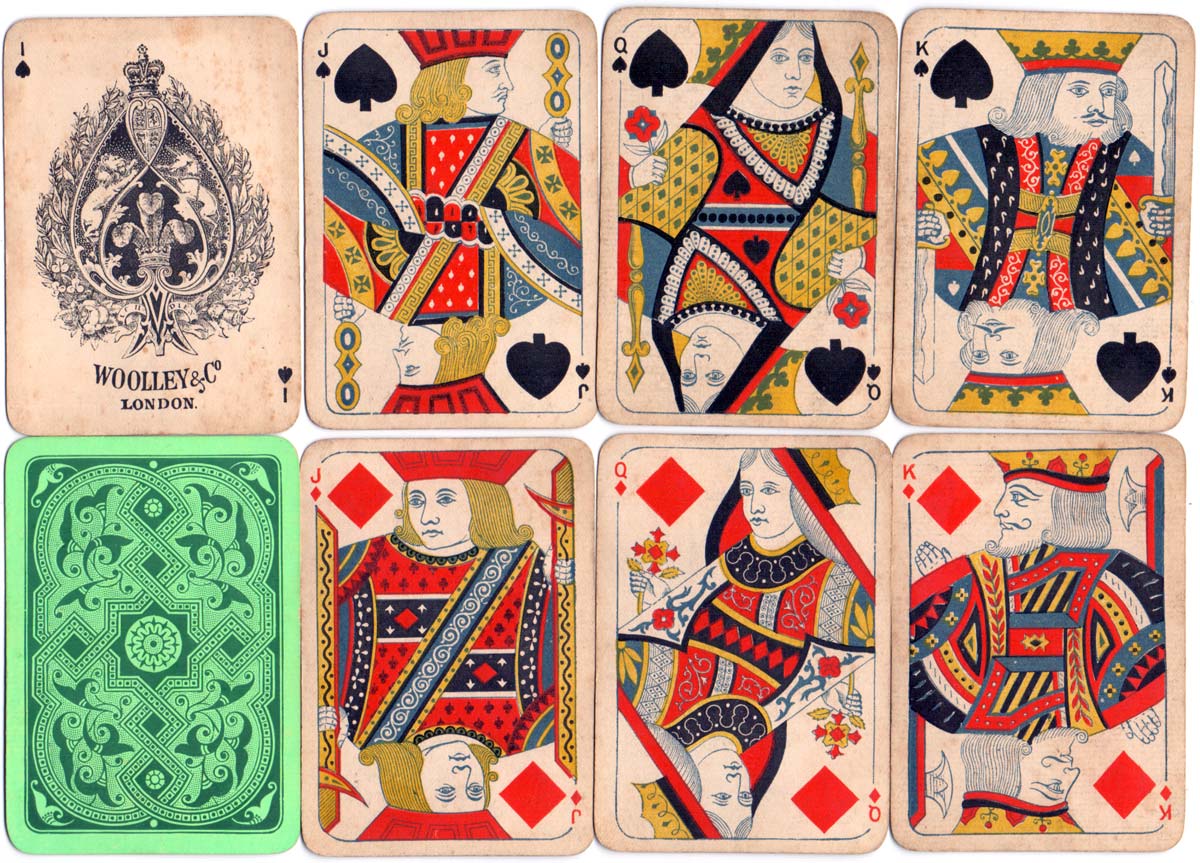
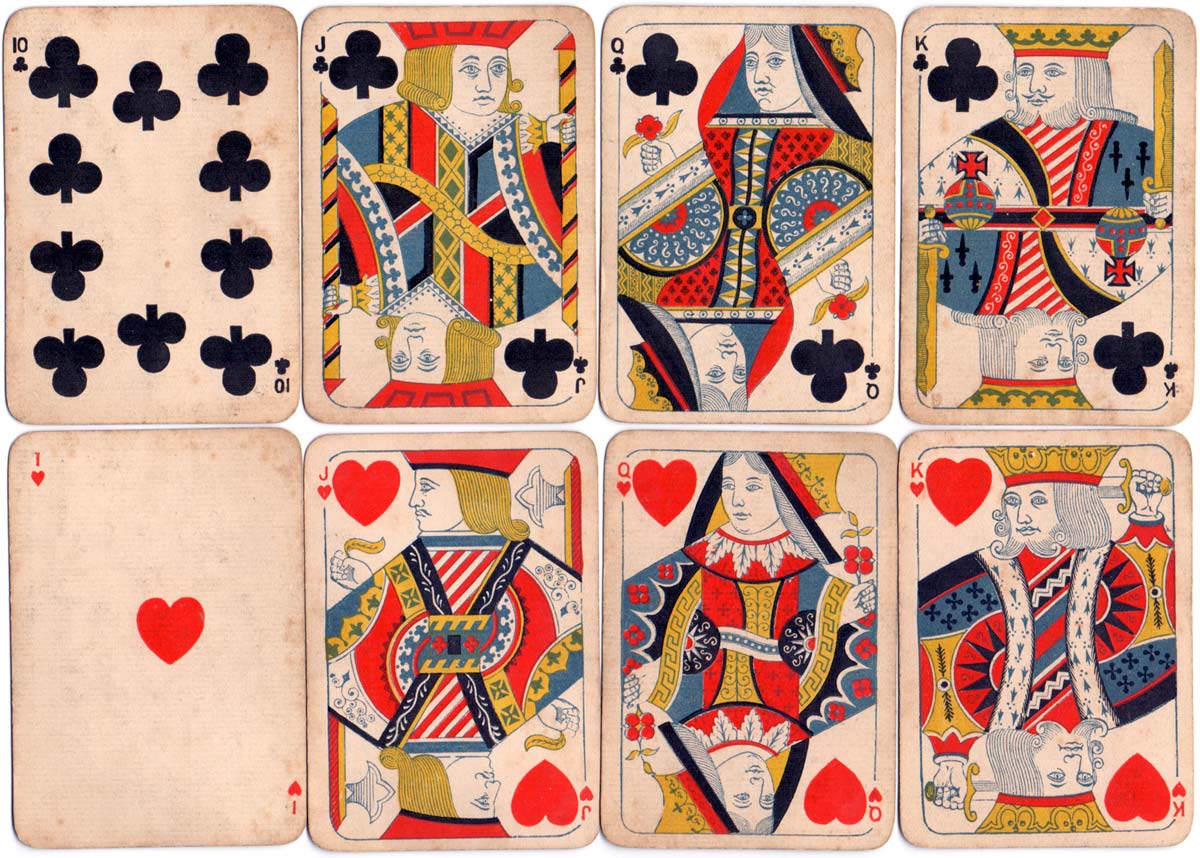
Above: Woolley & Co “Eureka” playing cards with rounded corners, small index pips and green decorative back design, c.1880-1885. 52 cards.
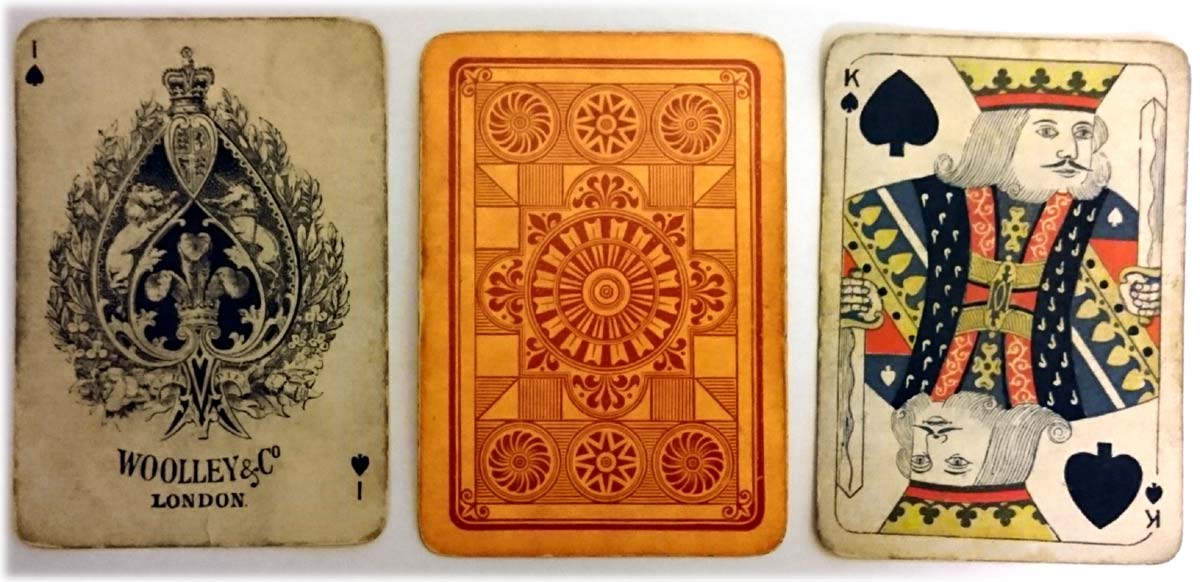
Above: another of the "Eureka" type, with the innovative and registered small indices in the corners and a geometric back design, from the 1880s. Image courtesy Jonas Bohn.

By Simon Wintle
Spain • Member since February 01, 1996
I am the founder of The World of Playing Cards (est. 1996), a website dedicated to the history, artistry and cultural significance of playing cards and tarot. Over the years I have researched various areas of the subject, acquired and traded collections and contributed as a committee member of the IPCS and graphics editor of The Playing-Card journal. Having lived in Chile, England, Wales, and now Spain, these experiences have shaped my work and passion for playing cards. Amongst my achievements is producing a limited-edition replica of a 17th-century English pack using woodblocks and stencils—a labour of love. Today, the World of Playing Cards is a global collaborative project, with my son Adam serving as the technical driving force behind its development. His innovative efforts have helped shape the site into the thriving hub it is today. You are warmly invited to become a contributor and share your enthusiasm.

Activity for Woolley & Co: “Eurekas”
Sign in to comment or save this article.

Related Articles
Miniature Card Dominoes
A miniature set of Goodall domino cards (5.9 x 3.5 cms) still in perfect condition.
Lend Me Five Shillings
Lend Me Five Shillings; or, Her Majesty's Privy Purse by John Jaques & Son, c.1875
58: Woolley & Co.
The firm of Thomas Woolley lasted for many years from 1836-1904 in several different guises.
The Streets of London
“The Streets of London” published by John Jaques & Son, London, c.1880.
Funny Families
“Funny Families” card game manufactured by Woolley & Co, 1890s.
Sefite card game
“Sefite” card game, Woolley & Co,. Ltd, London, c.1905
Goodall’s “Historic” Playing Cards
Goodall’s “Historic” Playing Cards depict royal costumes of four periods in English history, 1893.
Woolley & Co: “Second Harrys”
Woolley & Co produced a range of different quality playing cards, and these “Second Harrys” are towa...
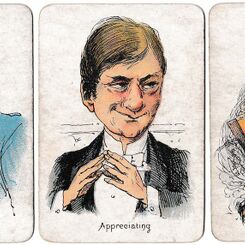
Moods & Faces
“Moods & Faces” round game by Thos de la Rue & Co Ltd,. c.1900.
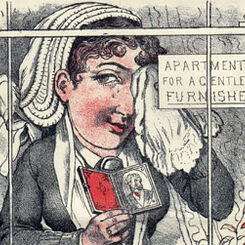
The Odd Trick
The Odd Trick - a bit of Edwardian naughtiness.
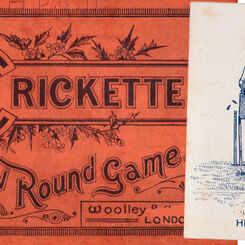
Crickette
“Crickette” card game manufactured by Woolley & Co., London, c.1890.
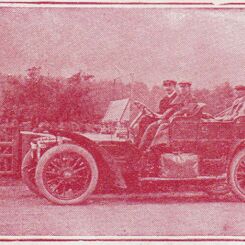
Tut=Tut
“Tut=Tut; or a Run in a Motor Car” published by Woolley & Co Ltd, early 1900s
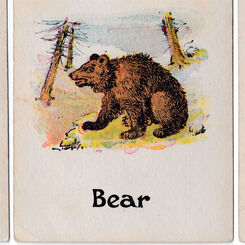
Oosehe
‘Oosehe’ animal card game published by Woolley & Co, c.1900.
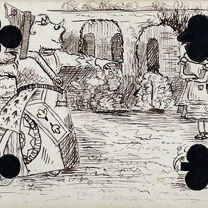
Transformation c.1880
Transformation playing cards hand-drawn on a pack manufactured by Hunt’s Playing Card Manufacturing ...
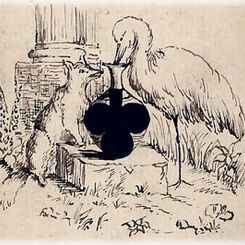
Transformation c.1880
Hand-drawn transformation cards, c.1880
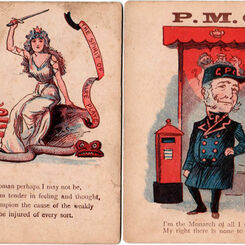
District Messenger
District Messengers were uniformed young men wearing little pill-box hats and mounted on bicycles wh...
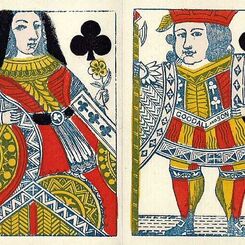
Goodall c.1845-60
Goodall’s earliest cards were traditional in appearance but in around 1845 ‘modernised’ courts were ...
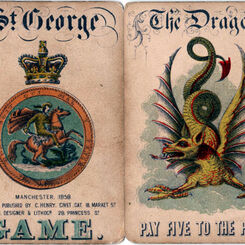
St George Game
St George Game, 1858, depicting St George and other saints engaged in battle slaying the dragon to s...
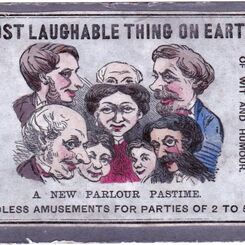
Most Laughable Thing on Earth
The Most Laughable Thing on Earth, or, A Trip to Paris published by H. G. Clarke & Co., London, c.18...
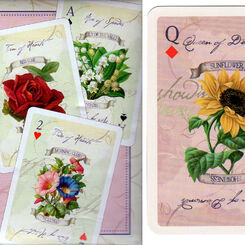
Language of Flowers
Language of Flowers by Past Times, c.1999.
Most Popular
Our top articles from the past 60 days


