


ARRCO
ARRCO Playing Card Co., Chicago, c.1935 - 1987, when acquired by USPCC.
ARRCO Playing Card Co., Chicago, c.1935 - 1987, when acquired by USPCC.
Formerly Arrow P.C.Co. c.1930-35.
Also at: ARRCO Playing Card Co. (Canada) Ltd, Toronto, Ontario, Canada.
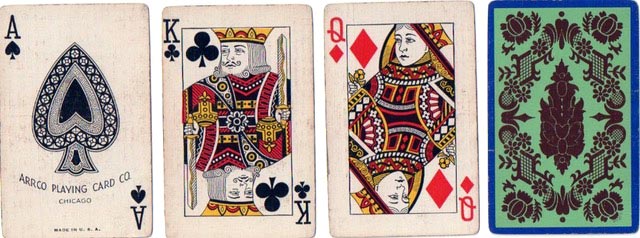
Above: first Arrco ace of spades, c.1935 (formerly it read "The Arrow Playing Card Co"). Image courtesy Ken Lodge.
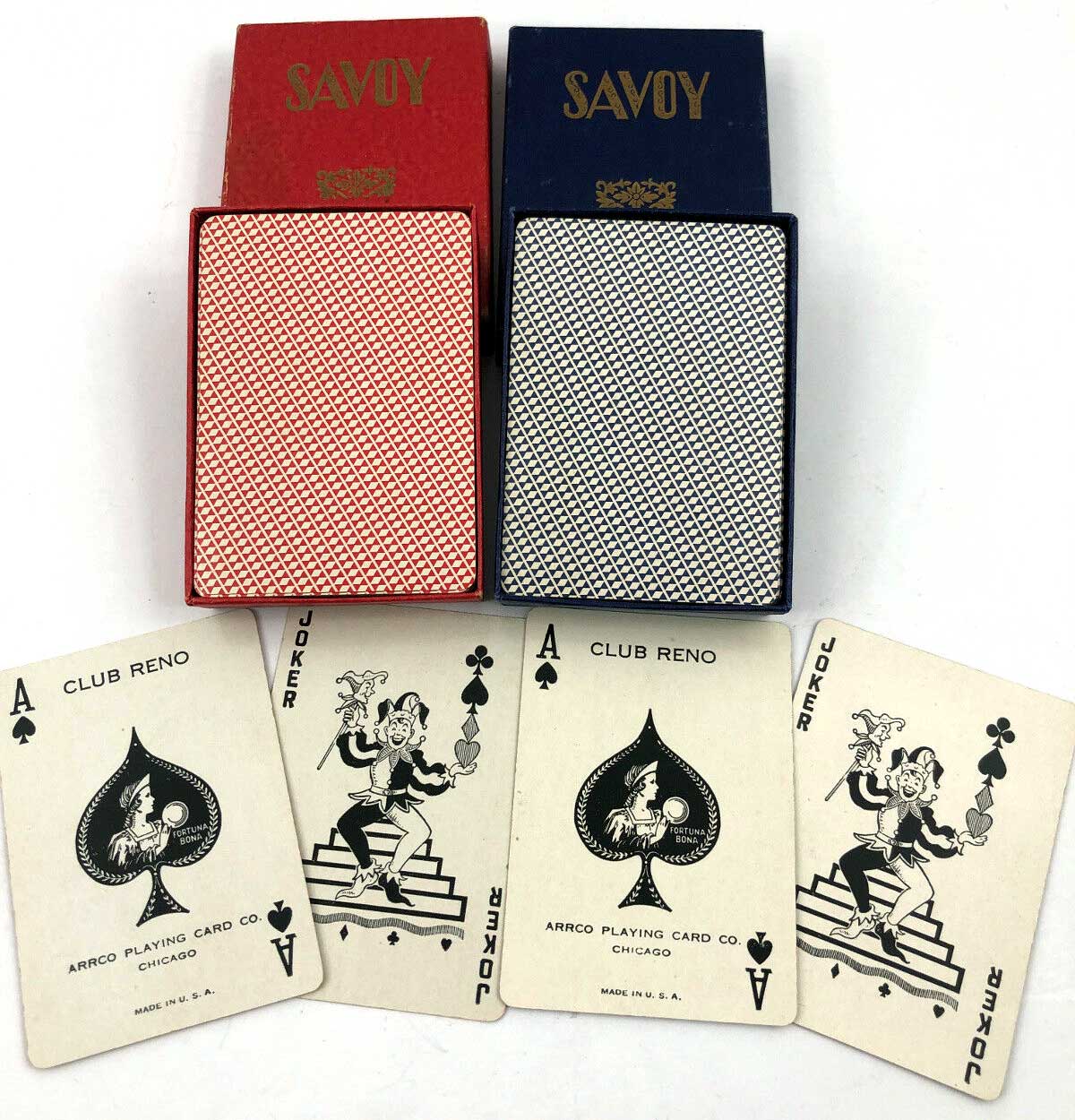
Above: Club Reno, one of many brands published by ARRCO, the ace of spades reads ‘Fortuna Bona’ (literally "Good Fortune", a benevolent aspect of the Roman Goddess of luck and chance), c.1940. Red or blue back, various boxes, various jokers. Image courtesy Matt Probert.
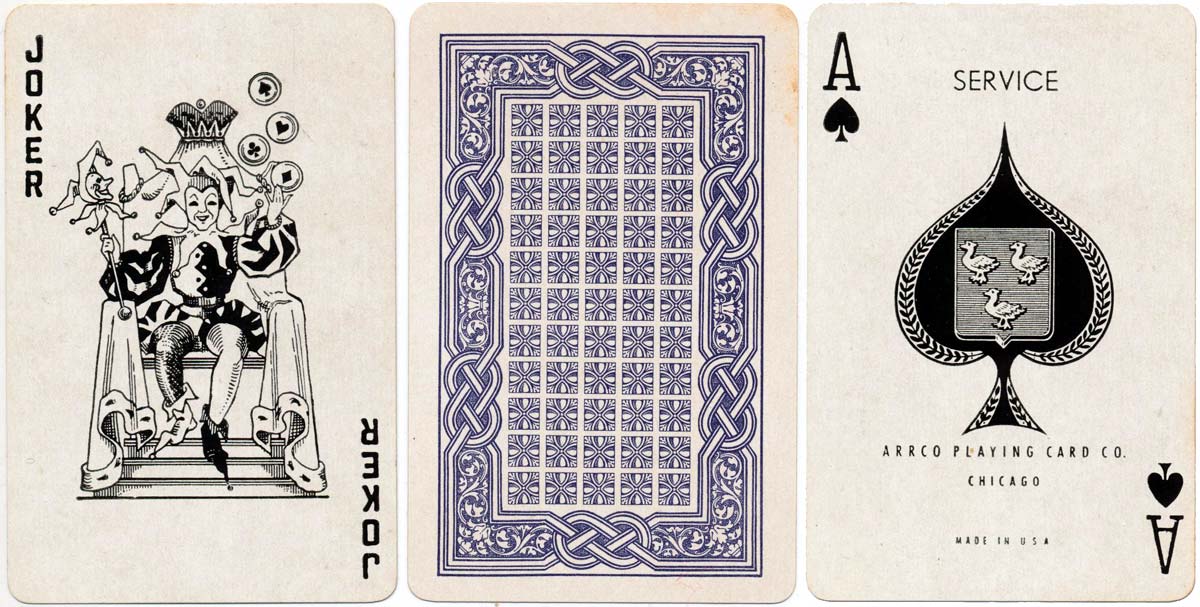
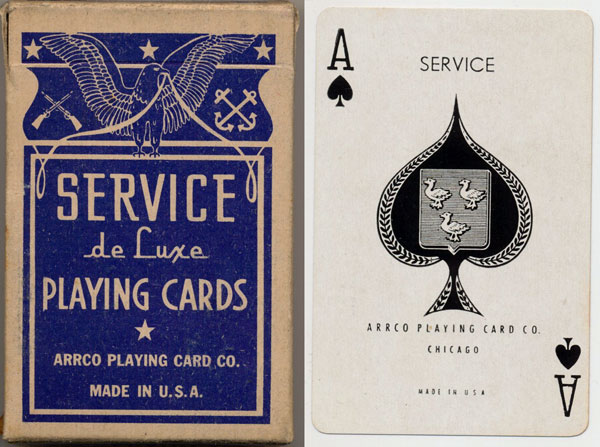
Above: ‘Service de Luxe’ playing cards by ARRCO, c.1943 or later, produced for sale in USO canteens during WWII. 52 cards + 2 Jokers in box.
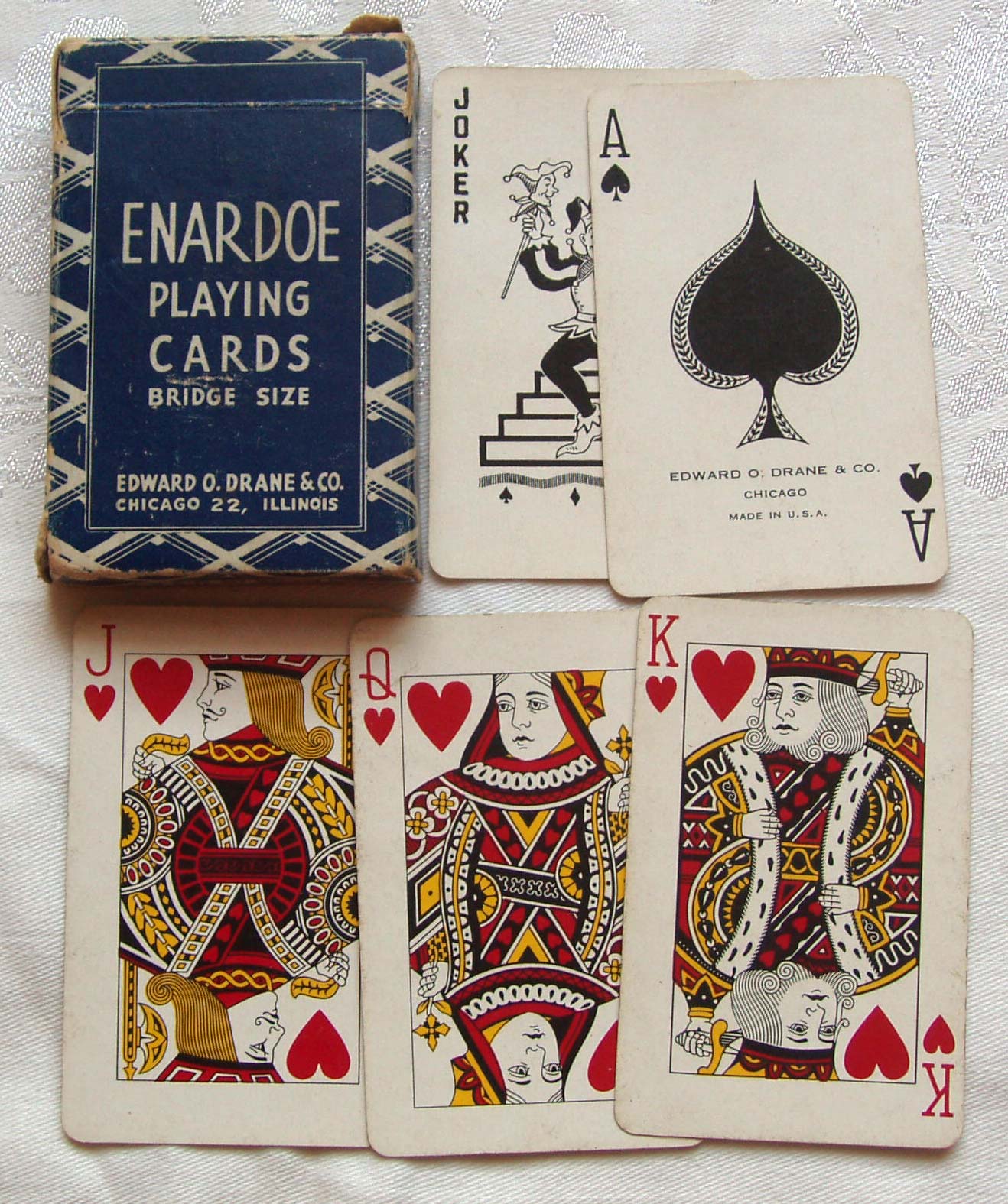
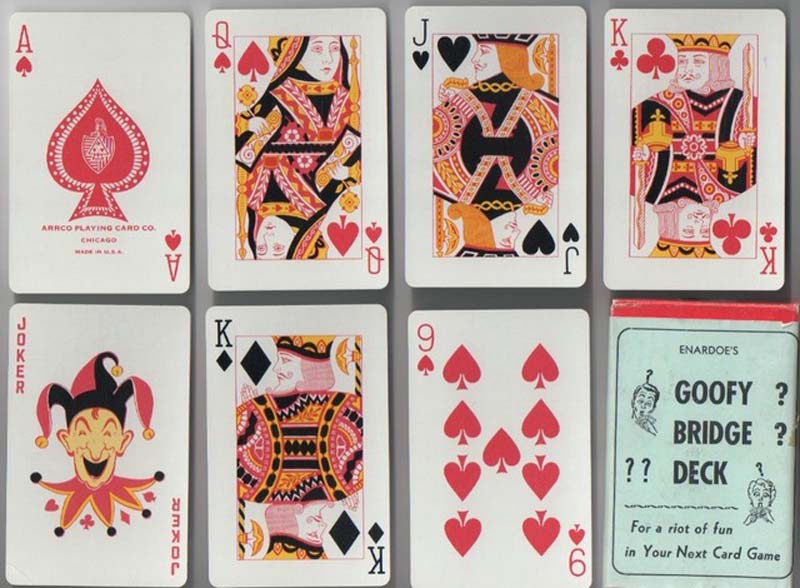
See also: ‘Enardoe’ special conjuring deck for Edward O. Drane & Co, and also Enardoe’s Goofy Bridge►
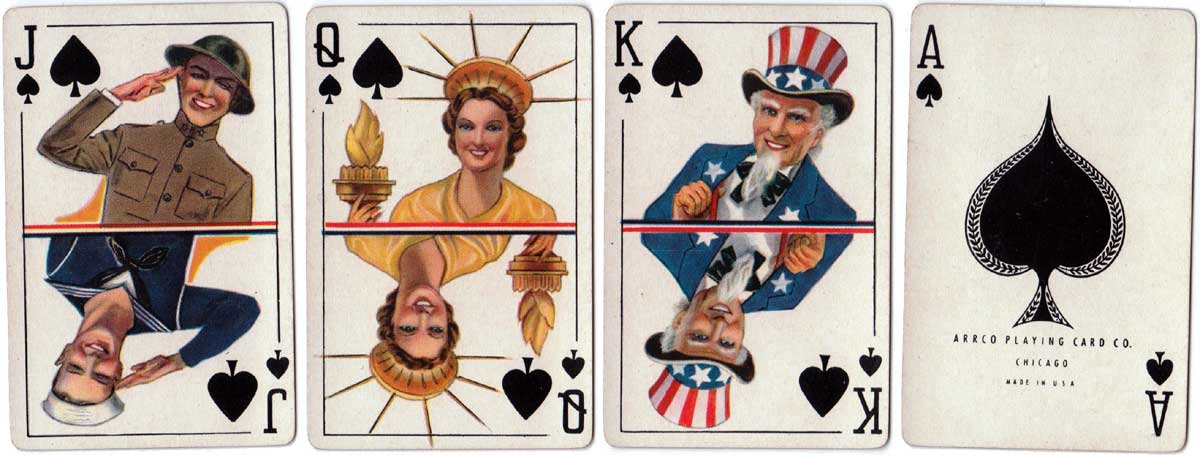
Above: “Victory" cards celebrating U.S. participation in the Allied victory, c.1945. Courtesy Rex Pitts.
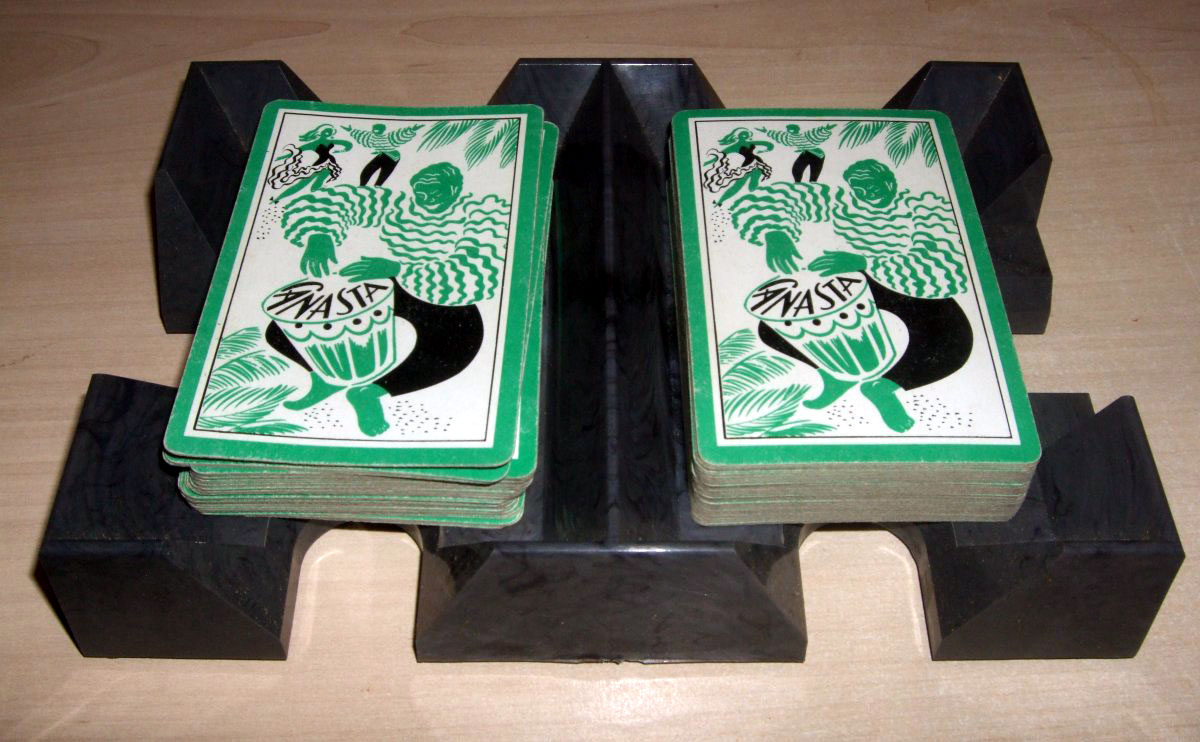
Above: Canasta set produced by Arrco in around 1950.
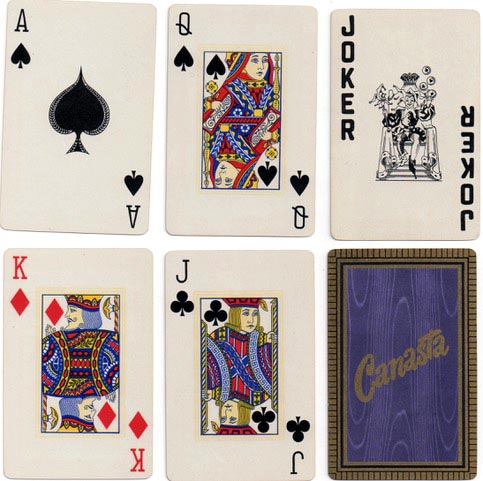
Above: Canasta. Image courtesy Ken Lodge.
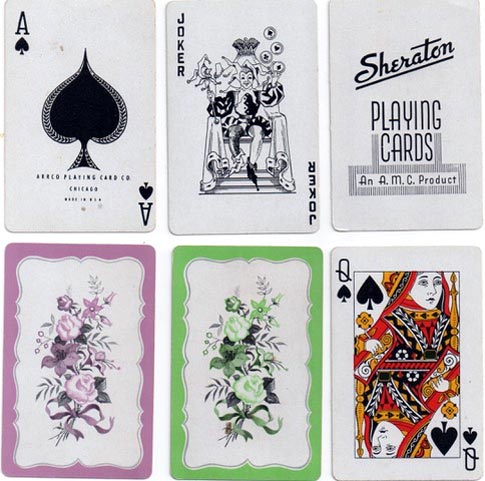
Above: ‘Sheraton’ playing cards, ARRCO, USA. Image courtesy Ken Lodge.
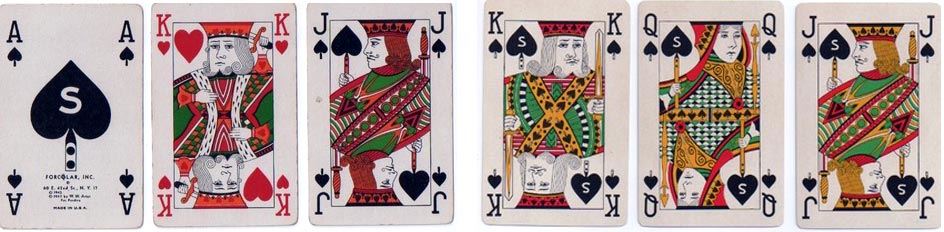
Above: ‘Forcolar’ playing cards, ARRCO, USA, 1945-47. A more modern attempt at a four colour "no revoke" deck with black spades, red hearts, orange diamonds and green clubs (clovers). The second edition has the initial of each suit shown on every pip card, not just the aces. Image courtesy Ken Lodge.
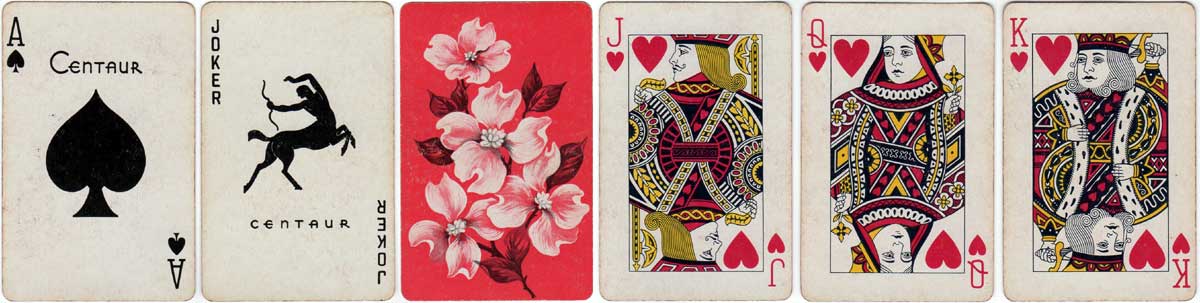
Above: Centaur Canasta by Arrco with ace of spades and jokers unique to the brand, c.1951. Courtesy Matt Probert.
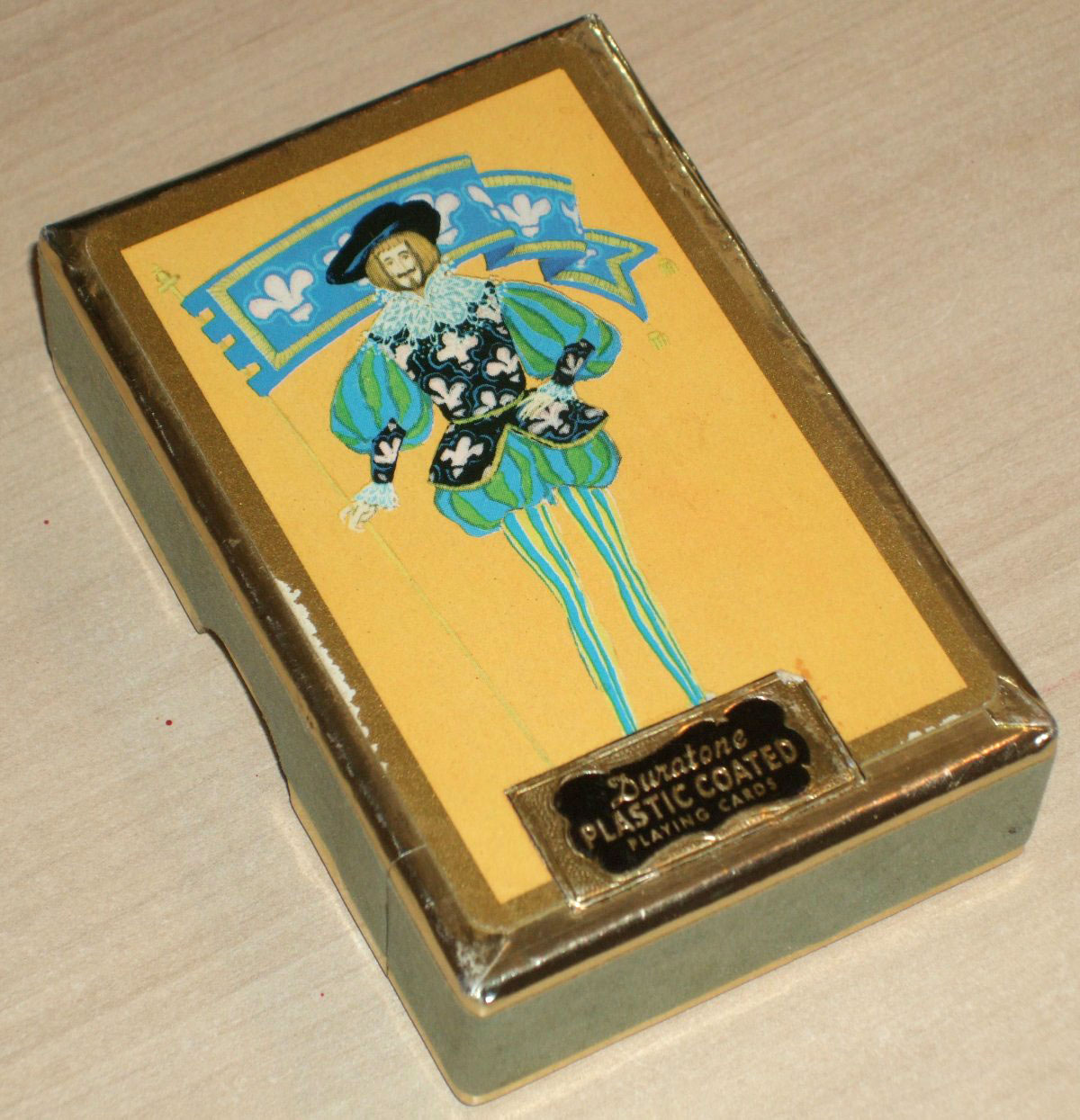
Above: ‘Duratone’ plastic coated playing cards, one of several brands manufactured by ARRCO Playing Card Co.
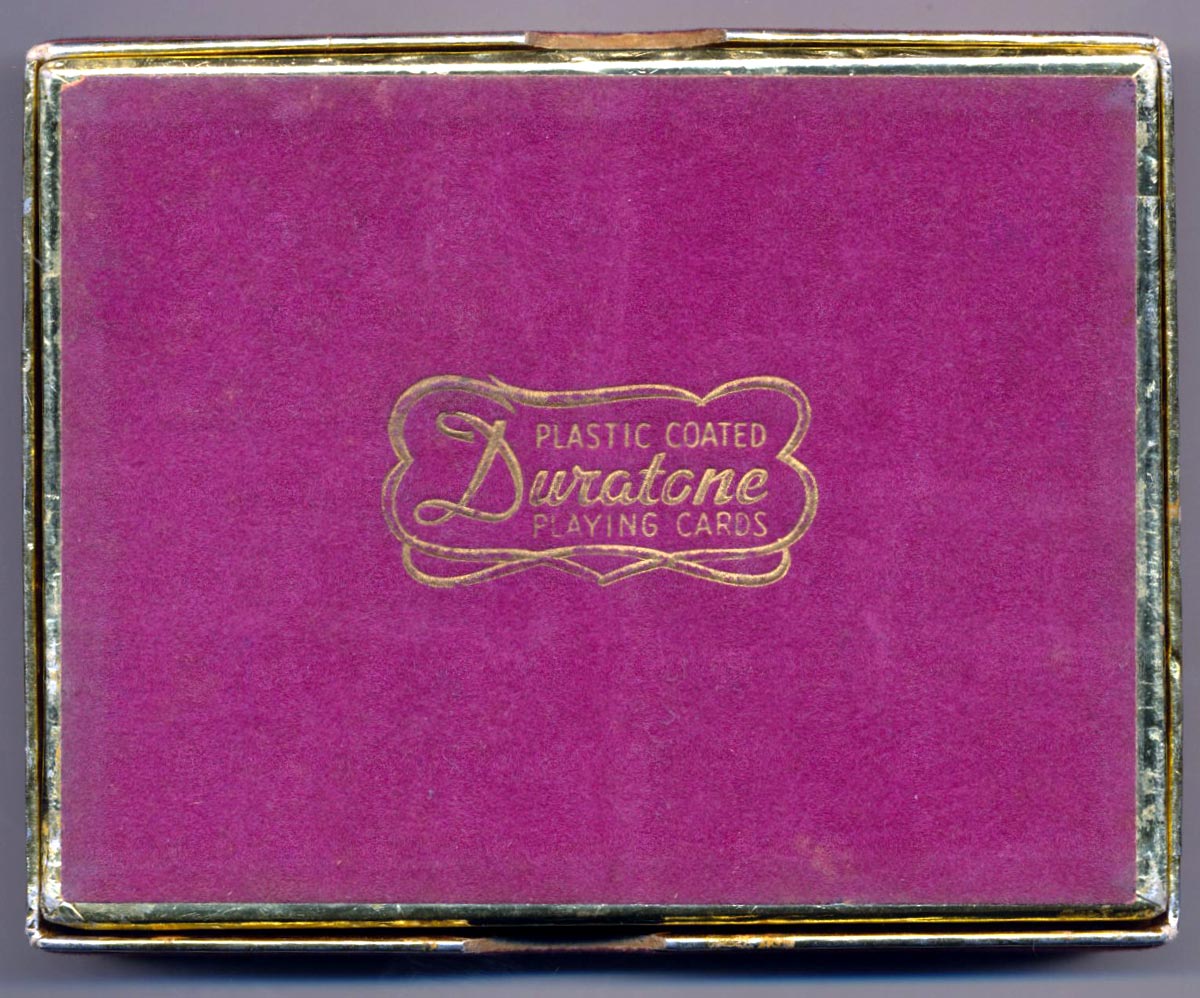
Above: double set of ‘Duratone’ plastic coated playing cards in felt box, each deck contains 52 cards + 2 jokers, manufactured by ARRCO Playing Card Co, c.1950s.
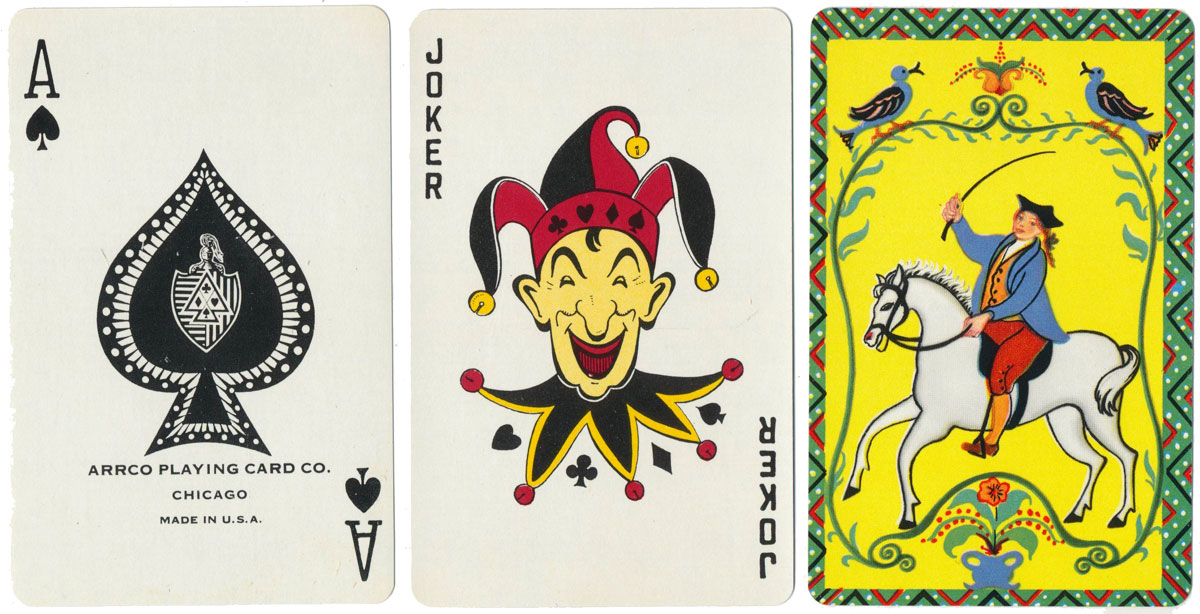
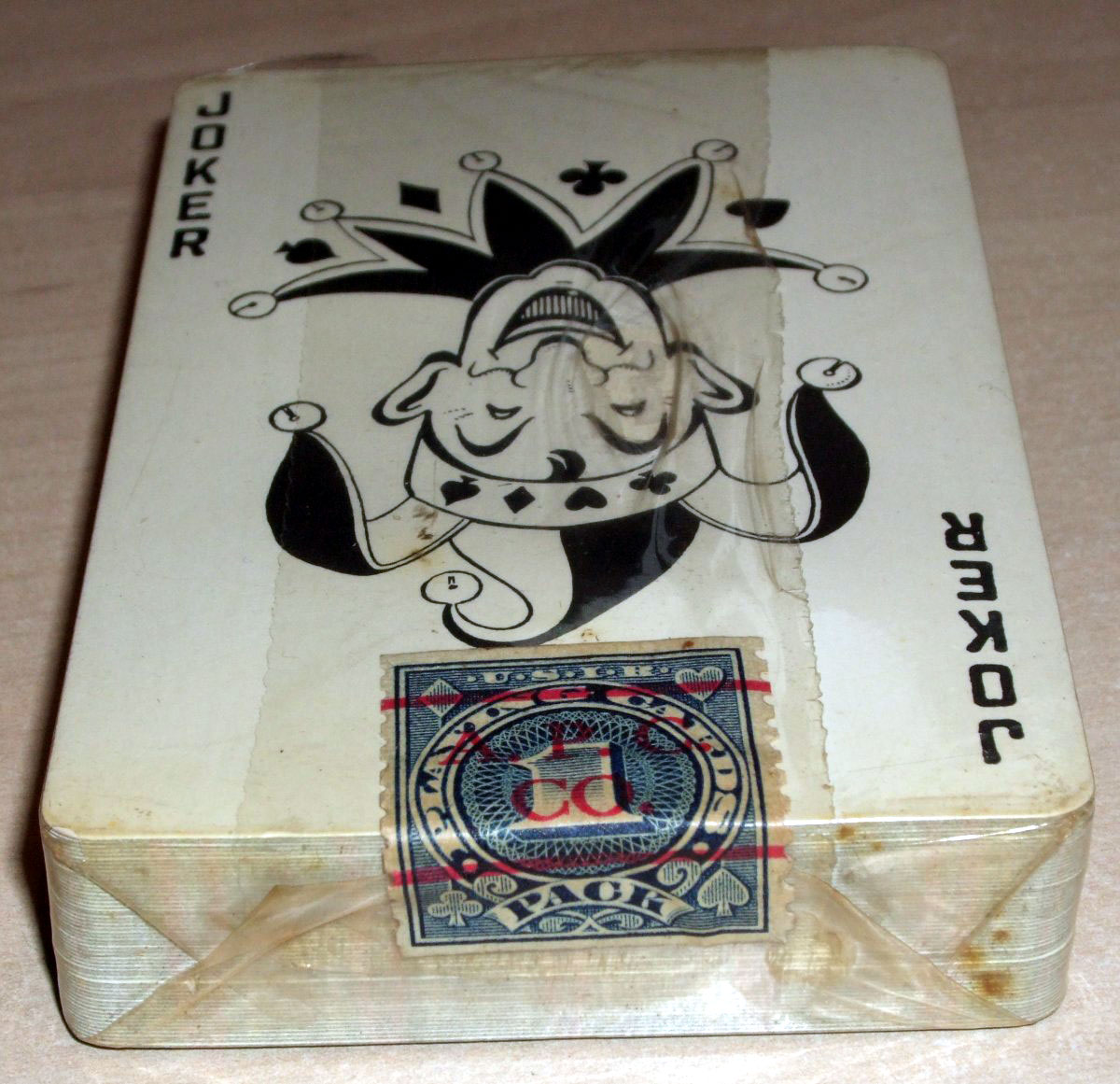
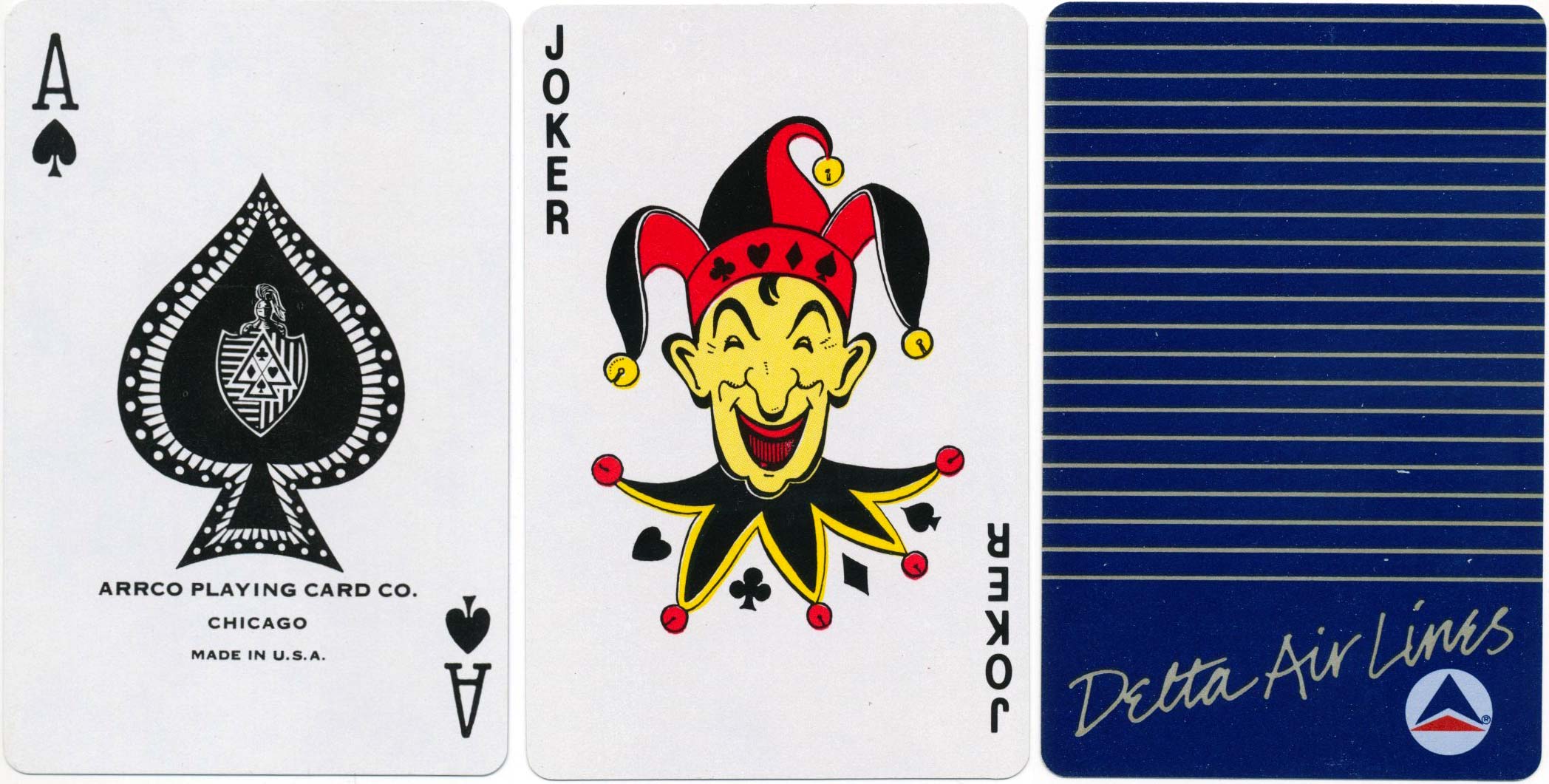
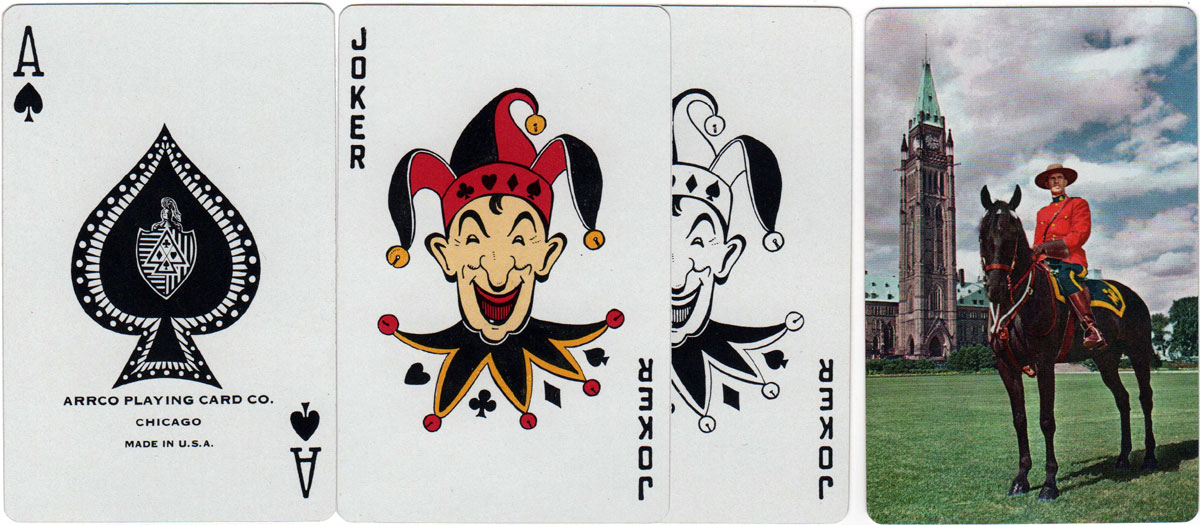
Above: Unbranded deck with a different ace of spades and joker design, c.1960 (or perhaps earlier). We know from the A.P.C.Co tax stamp they are between 1940 and 1965. See also: Delta Airlines • Canada Souvenir
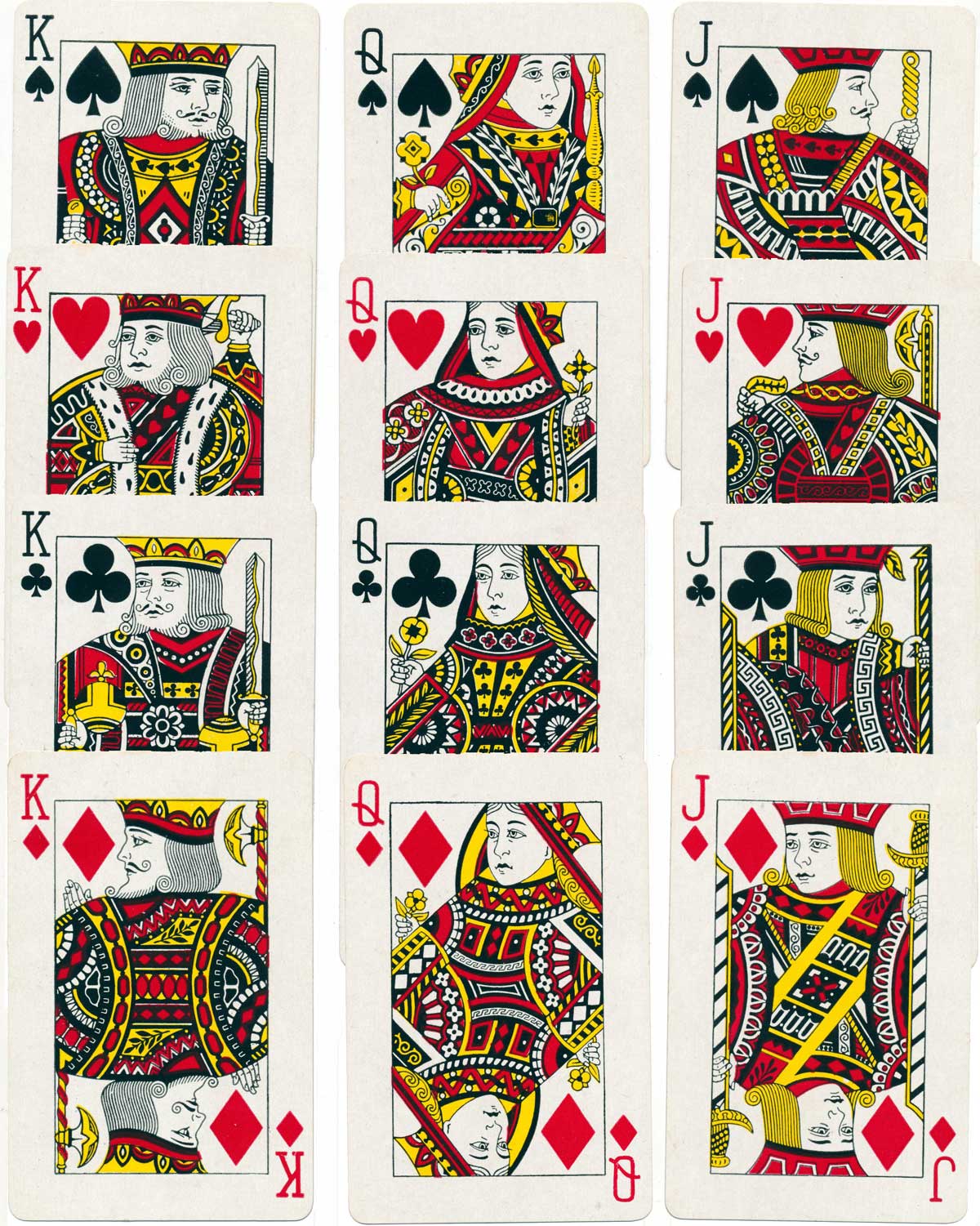
Above: ARRCO standard court cards.
ARRCO was taken over by USPCC in 1986 and many brands were retained.
REFERENCE and CREDITS
Dawson, Tom & Judy: The Hochman Encyclopedia of American Playing Cards, U.S. Games Systems Inc., 2000.
All images courtesy Matt Probert (unless stated otherwise).

By Simon Wintle
Spain • Member since February 01, 1996
I am the founder of The World of Playing Cards (est. 1996), a website dedicated to the history, artistry and cultural significance of playing cards and tarot. Over the years I have researched various areas of the subject, acquired and traded collections and contributed as a committee member of the IPCS and graphics editor of The Playing-Card journal. Having lived in Chile, England, Wales, and now Spain, these experiences have shaped my work and passion for playing cards. Amongst my achievements is producing a limited-edition replica of a 17th-century English pack using woodblocks and stencils—a labour of love. Today, the World of Playing Cards is a global collaborative project, with my son Adam serving as the technical driving force behind its development. His innovative efforts have helped shape the site into the thriving hub it is today. You are warmly invited to become a contributor and share your enthusiasm.

Activity for ARRCO
Sign in to comment or save this article.

Related Articles
Calligraphy Card Game
Military figures executed in calligraphic flourishes by Johann Christoph Albrecht.
US Army Aircraft Recognition Cards
Air defense combined with gameplay.
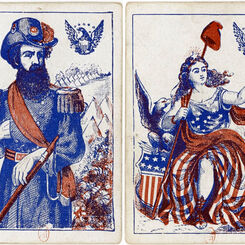
American Civil War playing cards
American Civil War playing cards with suits of stars, US flags, US shields and eagles.
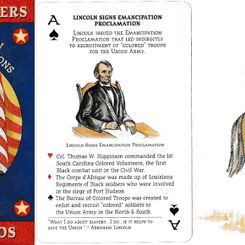
Buffalo soldiers
“Buffalo soldiers” playing cards commemorating African American military men who helped change the f...
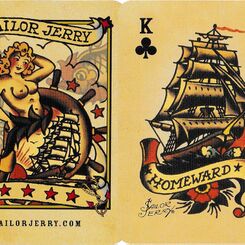
Sailor Jerry Playing Cards
“Sailor Jerry” tattoo flash playing cards, USA.
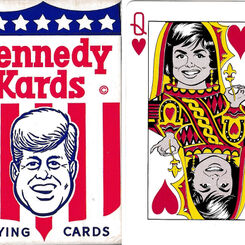
Kennedy Kards
‘Kennedy Kards’ playing cards with satirical portrayals of the Kennedy clan, USA, 1963
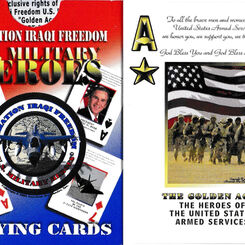
Operation Iraqi Freedom playing cards
Operation Iraqi Freedom: U.S. Military heroes playing cards, 2003.
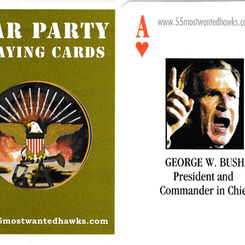
War Party playing cards
War Party playing cards, in opposition to the Iraq War, USA, 2003.
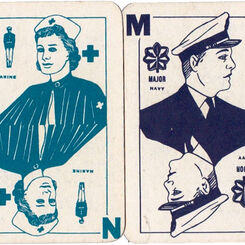
Anma US Armed Forces
Anma US Armed Forces, 1942.
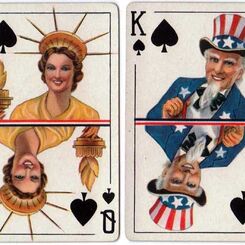
Victory
“Victory" cards celebrating U.S. participation in the Allied victory, c.1945.
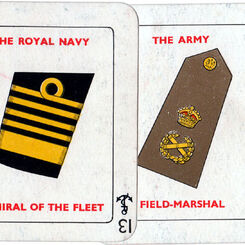
Salute!
Salute! The Four Services promotion game by John Jaques & Son Ltd, London, c.1940.
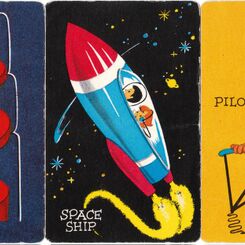
Space-O
“Space-O” card game published by Pla-Mor Games manufactured by ARRCO Playing Card Co, USA, 1950s,
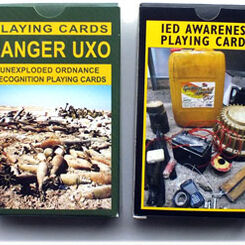
Ordnance Recognition
Ordnance Recognition Playing Cards cards designed to help people at risk from unexploded bombs
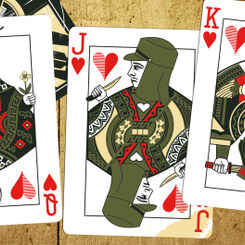
Global Unrest Playing Cards
Global Unrest uses a traditional playing card style mixed with a WWII military twist..
Army & Navy
Andrew Dougherty’s Army & Navy deck from the Civil War era, c.1865.
Bavarian Military Cards
The King of Acorns is supposed to represent Prince Otto; the King of Leaves is Maximilian II; the Ki...
Anheuser-Busch Army & Navy
This deck is commonly known as the “Anheuser-Busch Spanish-American War deck”, issued at the end of ...
Army & Navy No.303
Over the years eight different Aces of Spades were used with this brand and the Joker was also modif...
Army No.303
The Joker is particularly persuasive, whilst the Ace of Spades has a battle scene involving artiller...
Cruiser Playing Cards
Dougherty's ‘Cruiser No.96’, first published c.1897, was dedicated to the U.S. Navy..
Most Popular
Our top articles from the past 60 days


martha jones
13 July 2022, 16:52I HAVE A SET OF ARRCO PLAYING CARDS AND WANT TO KNOW THE VALUE OF THEM
Robert Holt
23 August 2022, 17:14I've been looking into Forcolar Playing Cards for quite a while now and from what I can ascertain the 1945 copyright was just that, a simple copyright. The cards didn't appear until just before Christmas of 1947 and according to their creator Walter W. Artzt he sold 70,000 decks in a matter of days.
As for the matter of suit initials appearing in the corners: that seems to have been original to the card and later removed. Whether that was temporary or not, I haven't figured out yet but they seemingly were there from the start. At least according to newspaper advertisements from December of 1947 when the cards first rolled out.