


Jaques’ Happy Families
In 1851 the games manufacturer John Jaques of London (founded in 1795) commissioned a set of drawings from John Tenniel, later Sir John, the chief cartoonist of Punch, for their new game of Happy Families.
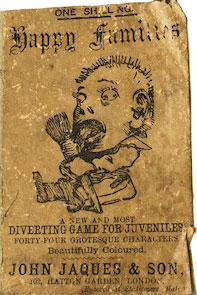
In 1851 the games manufacturer John Jaques of London (founded in 1795) commissioned a set of drawings from John Tenniel, later Sir John, the chief cartoonist of Punch, for their new game of Happy Families. The game was shown at the Great Exhibition of 1851 and was an instant success, soon superseding similar games such as John Bull or Dr Busby in which players also collected sets of four cards. Jaques' version of Happy Families remained popular until the Second World War, but was lucky to survive thereafter. In 1941, during the Blitz, a large bomb destroyed the Hatton Garden factory. However, a safe, which had been kept at the top of the building and had fallen through to the basement, yielded the charred remains of an old pattern book, which included the originals for all the firm's card games and one example of the Happy Families card game - Master Potts the Painter's son. Later the printing plates for the game were discovered intact and so Happy Families lived on.
Happy Families was first published by John Jaques in 1861. It was Jaques’ first card game and became a game to fill the leisure time of the Victorian family (Michael Thomson, 2022).
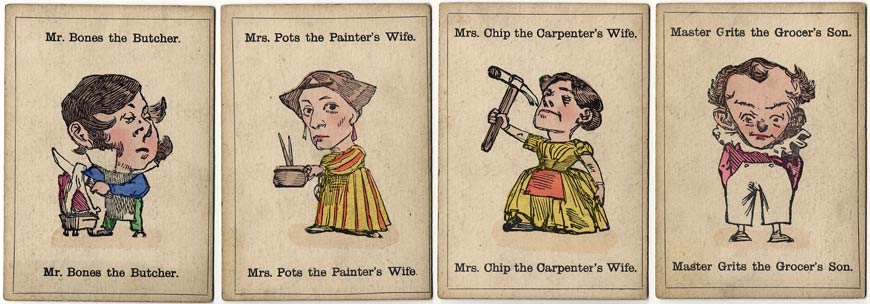
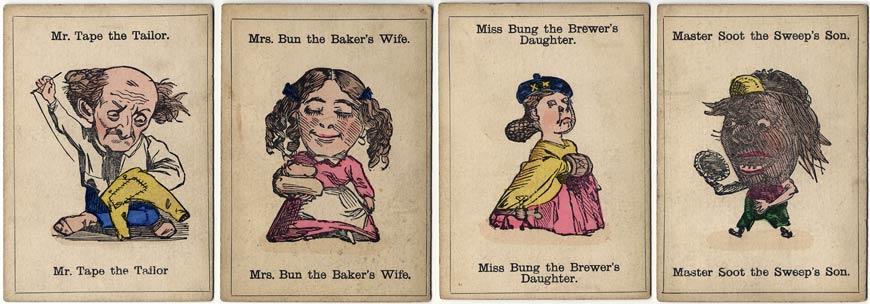
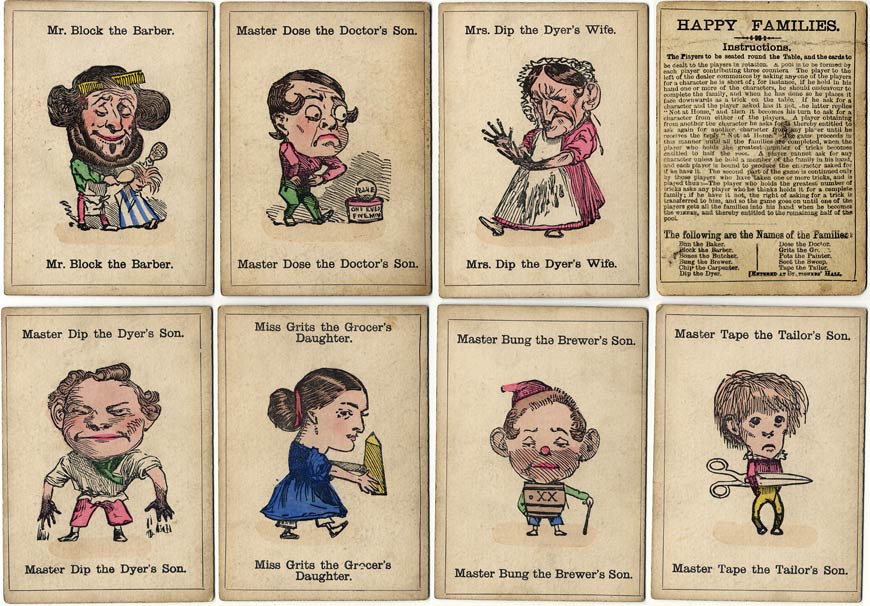
Above: cards from an 1880s edition of Happy Families published by John Jaques & Son, 102 Hatton Garden, London, which included 11 families of four members each. Stencil-coloured lithography. Jaques' Happy Families had been shwon in 1851 at the Great Exhibition of that year. It was an instant success, rapidly superseding similar games in which players collected sets of four cards, an idea possibly taken from early German models. Originally only eleven families, the game was expanded to twelve families by the addition of the Mug family, drawn by Miss Irene Dodson, the great niece of Charles Dodson (alias Lewis Caroll). This enabled the game to be produced in two half packs of six families each.

Tenniel's designs are an artisan crowd - even the doctor, the only professional among them, is reduced to 'Mr Dose'. They are also lower middle class and male orientated. Happy Families, which Tenniel drew 10 years before his illustrations for Alice in Wonderland, started a successful trend. Jaques was also one of the first games makers in England to market card games seriously. Jaques' original Happy Families designs were copied, sometimes with only slight modifications, by later manufacturers as recently as the 1970s, testifying to their enduring popularity. A miniature set was produced by Alfred Bird & Son in their custard powder packets just before WW2.
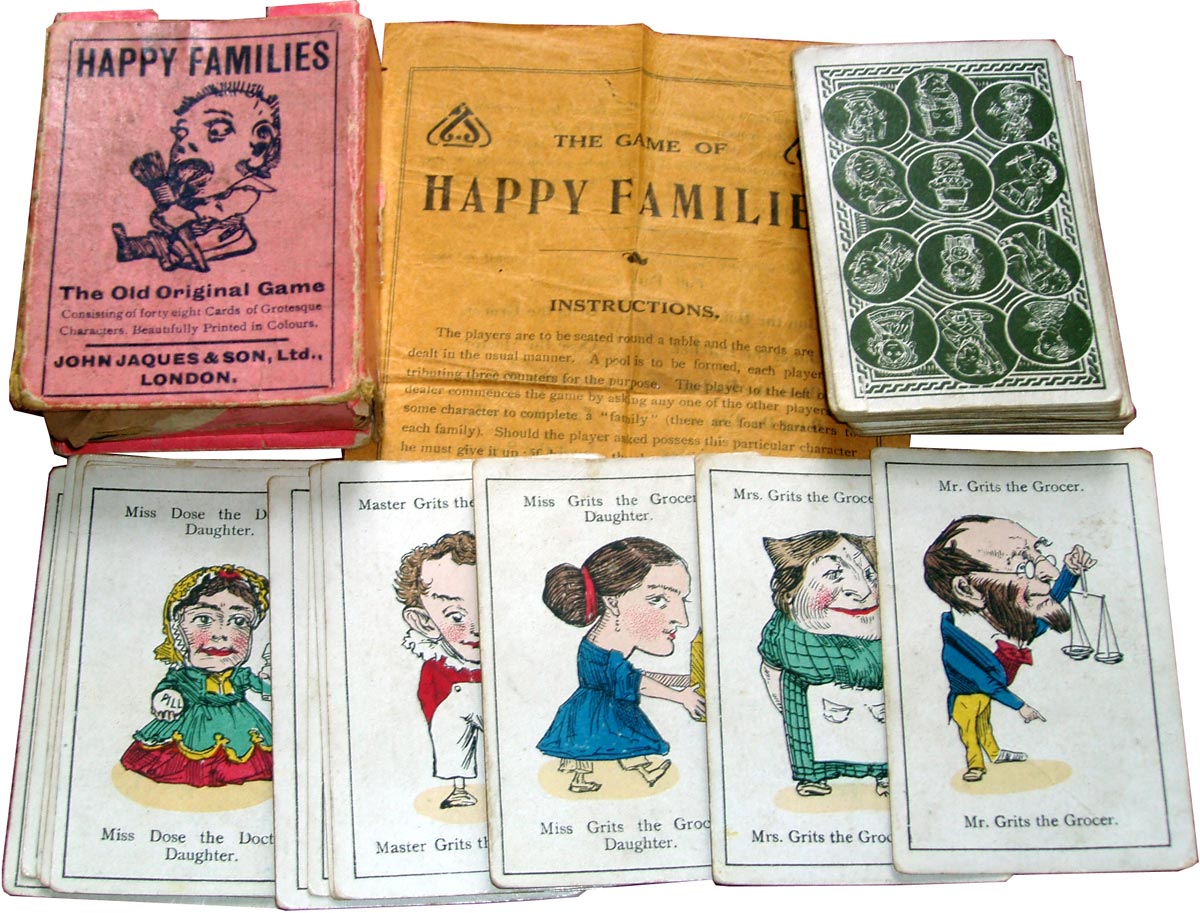
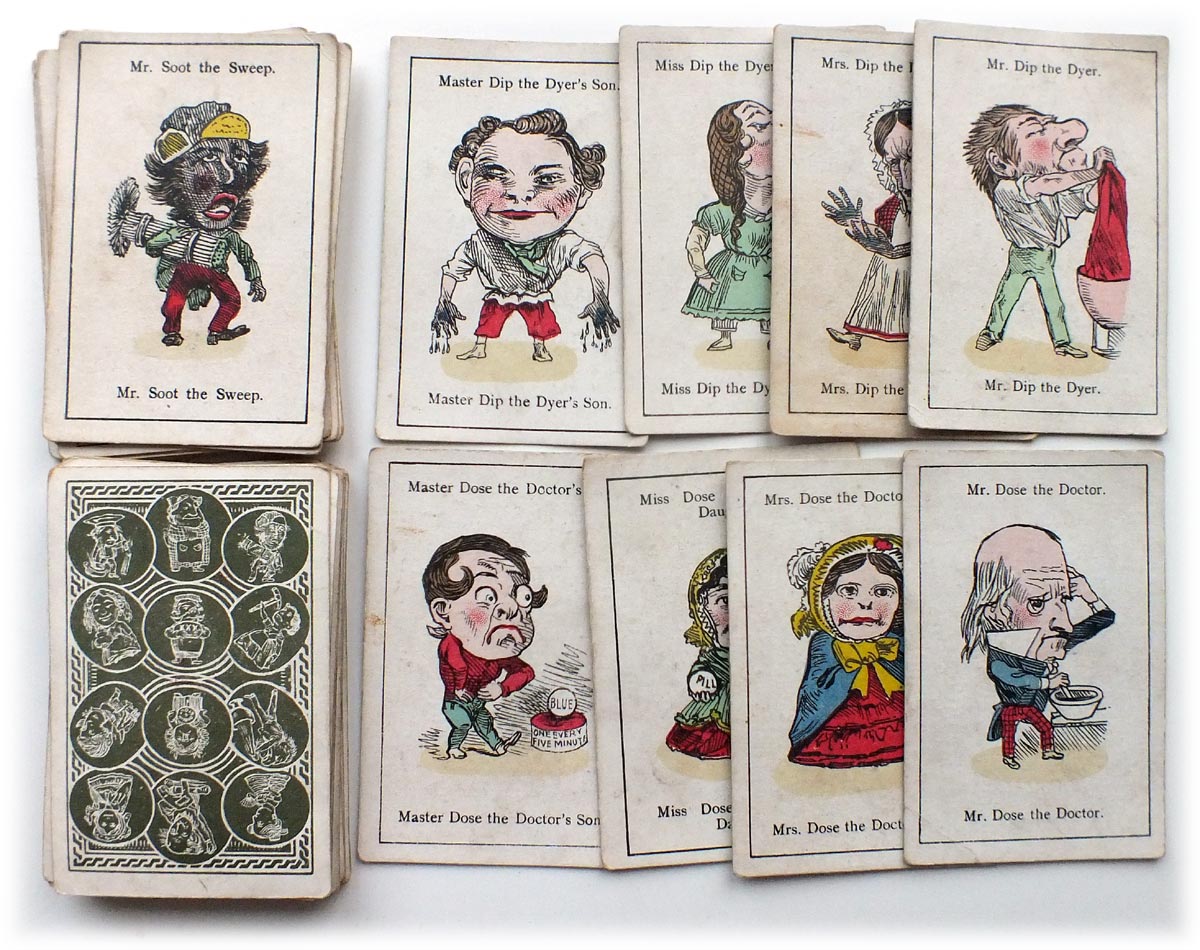
Above: 1910 edition of Happy Families published by John Jaques & Son, London.
Further References
Thomson, Michael: The Beginning of Happy Families in EPCS Newsletter issue 135, June 2022, pp.24-34.
Welsh, Donald: Happy Families... an old game with new faces, Newsletter of the English Playing Card Society, Vol.9 No.38, Nov.1992, pp.78-81.

By Simon Wintle
Spain • Member since February 01, 1996
I am the founder of The World of Playing Cards (est. 1996), a website dedicated to the history, artistry and cultural significance of playing cards and tarot. Over the years I have researched various areas of the subject, acquired and traded collections and contributed as a committee member of the IPCS and graphics editor of The Playing-Card journal. Having lived in Chile, England, Wales, and now Spain, these experiences have shaped my work and passion for playing cards. Amongst my achievements is producing a limited-edition replica of a 17th-century English pack using woodblocks and stencils—a labour of love. Today, the World of Playing Cards is a global collaborative project, with my son Adam serving as the technical driving force behind its development. His innovative efforts have helped shape the site into the thriving hub it is today. You are warmly invited to become a contributor and share your enthusiasm.

Activity for Jaques’ Happy Families
Sign in to comment or save this article.

Related Articles
Learning to play Cribbage
I learned to pay cribbage when I was very young, aged around six or seven.
XIXth Century
The XIXth Century published by John Jaques & Son, c.1875.
French for Fun
French for Fun instructive card game published by John Jaques & Son Ltd., c.1930s

Oppo
Oppo, a game of opposites, published by J. Jaques & Son, Ltd, c.1920s.

The White Cat
The White Cat, a game of cats, kittens & mice, published by Jaques & Son, c.1860s.
Weights and Measures
“Weights and Measures” card game by John Jaques & Son, Ltd., c.1910, a reminder of some of our more ...

On Spec
“On Spec” is a round game based on selling stocks and shares, published by John Jaques & Son, c.1920...
Sam
SAM by J. Jaques & Son Ltd.
The Streets of London
“The Streets of London” published by John Jaques & Son, London, c.1880.
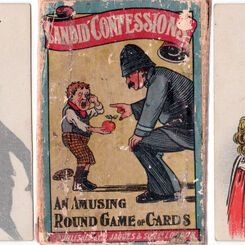
Candid Confessions
“Candid Confessions” published by Jaques & Son, Ltd, c.1905.
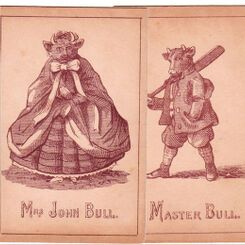
John Bull
“John Bull”, the Capital English Game published by W. Cremer, c.1865.
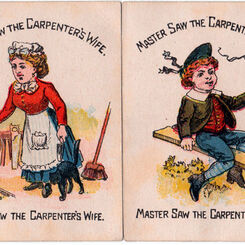
Funny Families
“Funny Families” card game manufactured by Woolley & Co, 1890s.

Characters from Charles Dickens
“Characters from Charles Dickens” card game published by Jaques & Son, c.1880.

The Great Galumphus
The “Great Galumphus” card game from the 1920s shows various comic animals with their names printed ...
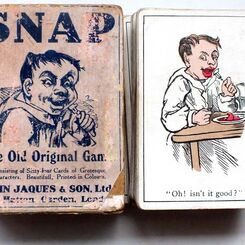
Snap
Snap, the Old Original Game, has captured the imaginations of children for over a century!
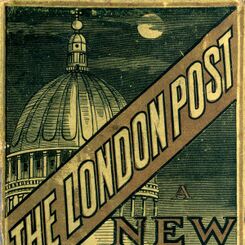
London Post
Jaques' The London Post Card Game, c.1895.
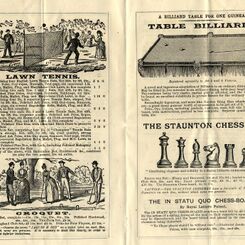
Jaques Advertising Leaflet
Jaques Advertising Leaflet showing Lawn tennis, Table Billiards, Staunton Chess, Croquet, etc.
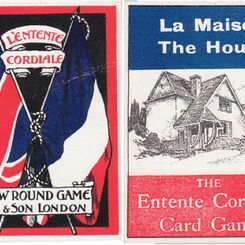
Entente Cordiale
Jaques' The Entente Cordiale Card Game, c.1905.

Jaques’ Games
John Jaques & Son (established in 1795) published a large range of popular parlour games, many of wh...
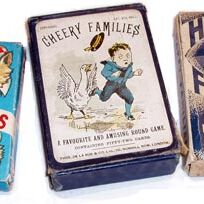
Happy Families
Happy Families is probably one of the most popular card games ever invented, with educational benefi...
Most Popular
Our top articles from the past 60 days


Stephen Scharber
07 March 2026, 04:11SavedSaved this article to Stephen Scharber's Collection