


Tarocco Piemontese | Piedmontese tarot
The double ended version of the Piedmontese Tarot evolved during the second half of the nineteenth century, most probably in Turin. It is still produced and used today.

TAROCCO PIEMONTESI double-ended version
Although it originally was a single-figured, or full-length design, the double ended version of the Piedmontese Tarot shown on this page evolved during the second half of the nineteenth century, most probably in Turin. It is still produced and used today. The usual format is with Italian inscriptions (instead of French) and Arabic numerals on the trumps. The manufacturer's details can be read on the ace of coins. In the top row this reads: “Viassone Alessandro, Torino, Fabbrica Via Nizza 104, Deposito Via Arsenale 4” and there are two duty stamps, one dated “13 Gen 85”.
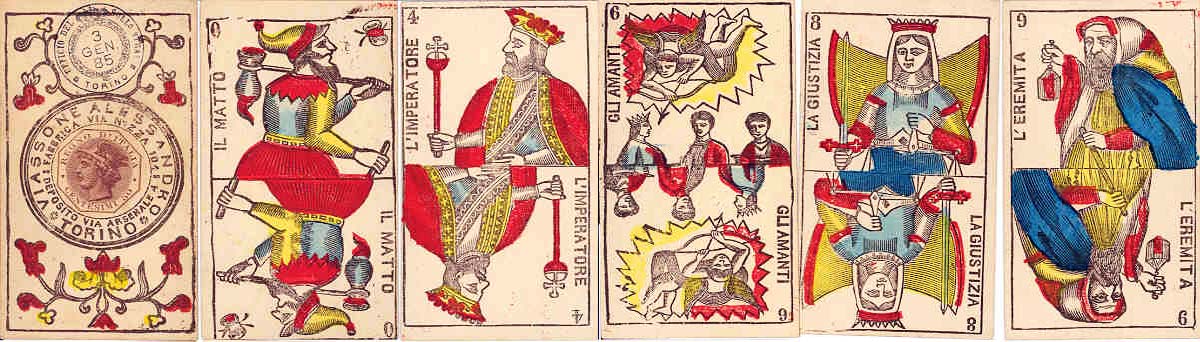
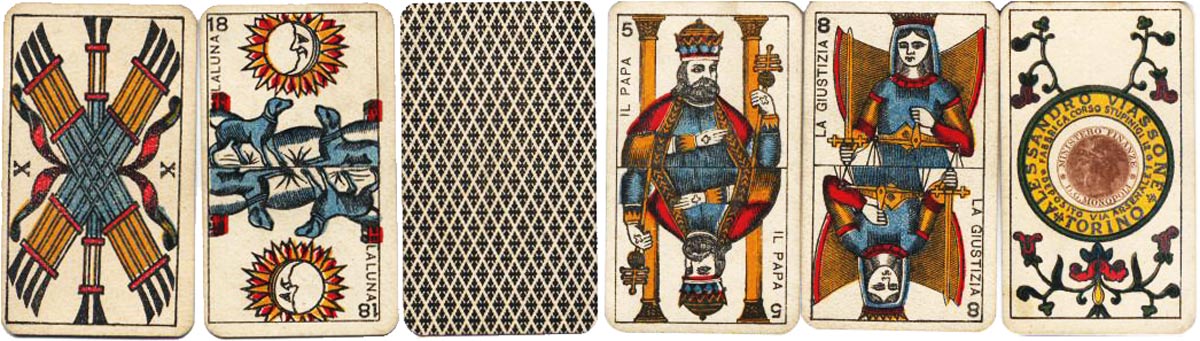
Above: Tarocchi Piemontese manufactured by Viassone, Turin, 1885 & c.1920.
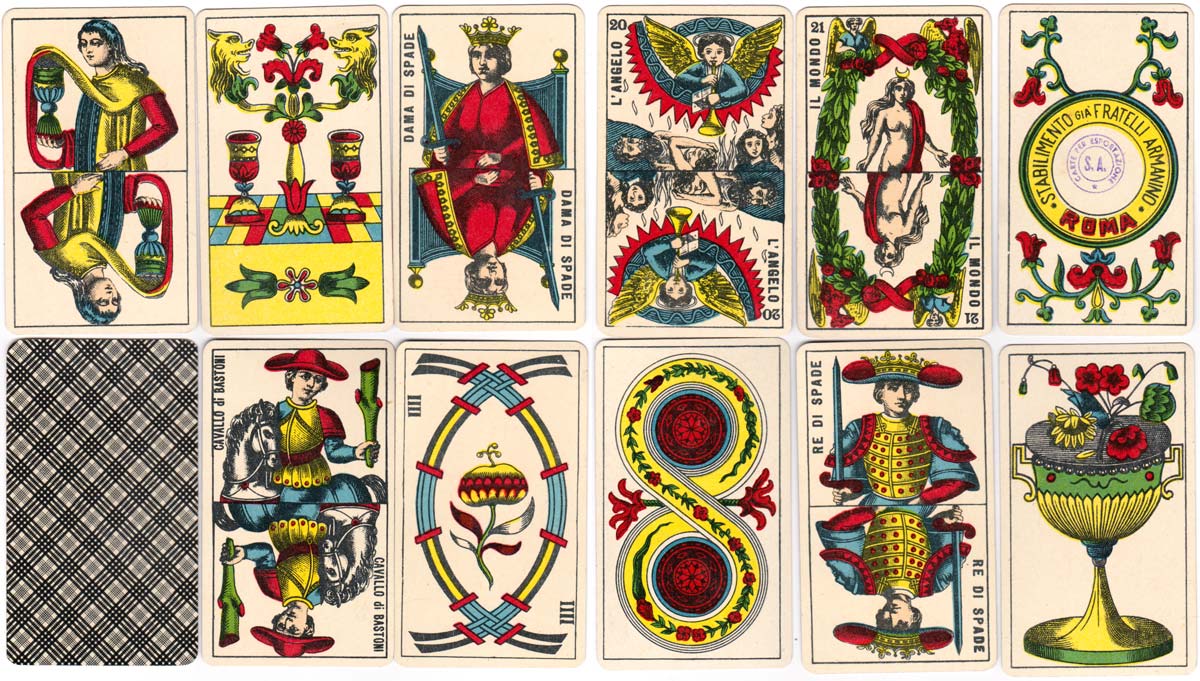
Above: Tarocchi Piemontesi manufactured by Armanino, Rome, c.1965. The Ace of Cups is a chalice containing flowers.
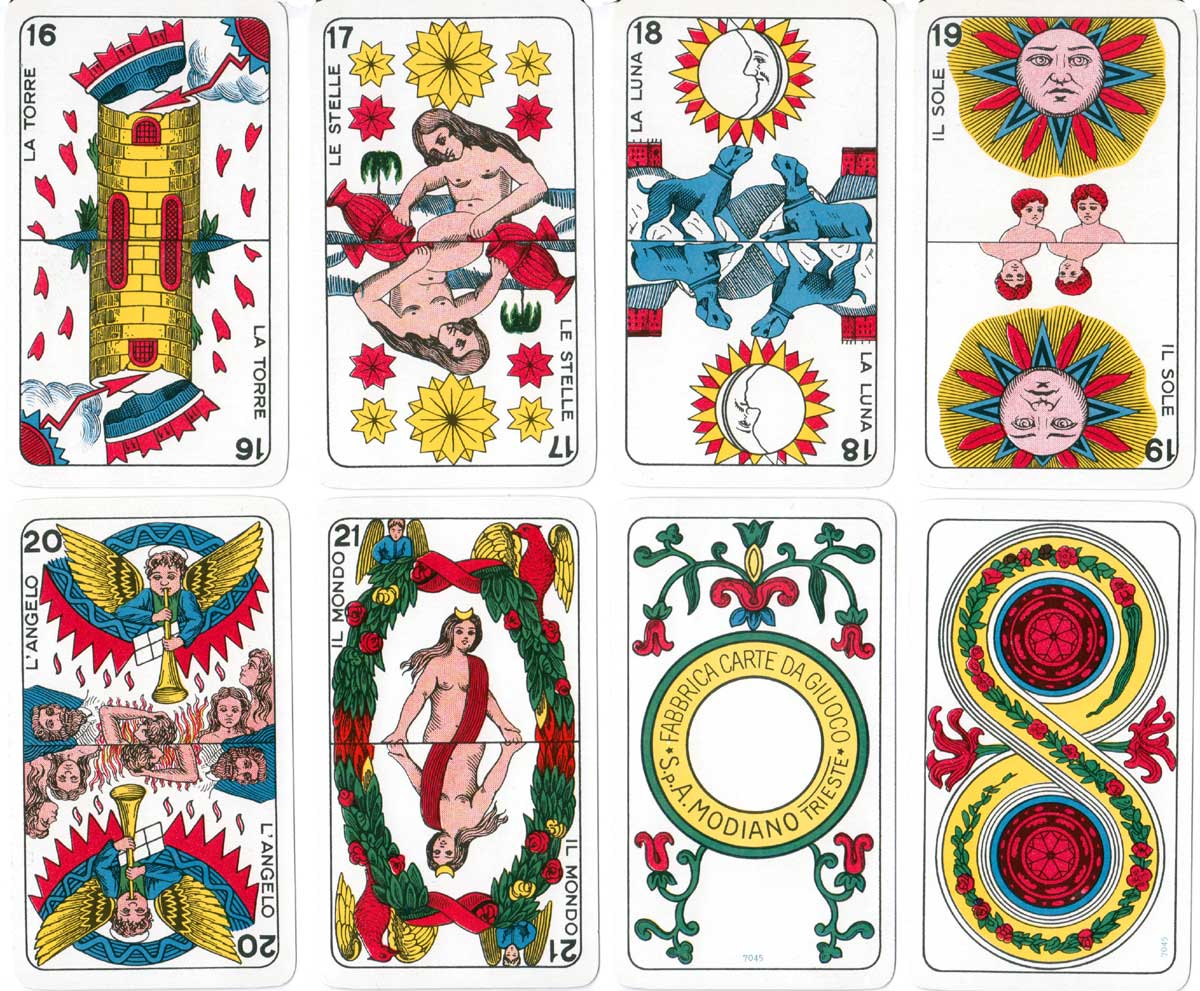
Above: Tarocchi Piemontesi manufactured by Modiano. Image courtesy Rex Pitts.
The 78-card Italian ‘Piedmontese’ Tarot has survived where other styles have become extinct and is used outside Italy.

Above: Naipes Tarok (Tarocco Piemontese) by Cappellano S.A., Bs Aires, c.1970. 78 + 2 cards. Further examples of Tarocco Piemontese manufactured in Argentina are shown here→

By Simon Wintle
Spain • Member since February 01, 1996
I am the founder of The World of Playing Cards (est. 1996), a website dedicated to the history, artistry and cultural significance of playing cards and tarot. Over the years I have researched various areas of the subject, acquired and traded collections and contributed as a committee member of the IPCS and graphics editor of The Playing-Card journal. Having lived in Chile, England, Wales, and now Spain, these experiences have shaped my work and passion for playing cards. Amongst my achievements is producing a limited-edition replica of a 17th-century English pack using woodblocks and stencils—a labour of love. Today, the World of Playing Cards is a global collaborative project, with my son Adam serving as the technical driving force behind its development. His innovative efforts have helped shape the site into the thriving hub it is today. You are warmly invited to become a contributor and share your enthusiasm.

Activity for Tarocco Piemontese | Piedmontese tarot
Sign in to comment or save this article.

Related Articles

Lyon pattern made in Italy by Pietro de Santi
The Lyon pattern was initially developed in France during the 16th century. As Lyon was a trading hu...
Neapolitan pattern by Luigi Pignalosa, Naples
Two versions of the Neapolitan pattern from the British Museum by Luigi Pignalosa, Naples, 1875 & 18...

P. Buscaglia: Spanish-suited cards
Spanish-suited cards published by P. Buscaglia, Mele & Genova.

Tarocco Piemontese by Giovanni Rossi
18th c. Piedmont Tarocchi by Giovanni Rossi, Turin.

Gó Succo
Gó Succo fruit juice promotion deck featuring Walt Disney cartoons.
Hermanos Solesio
“Money Bag” pattern by Hermanos Solesi, late 18th c.
Sola-Busca Tarocchi
The Sola-Busca Tarocchi, c.1491
Tarocco Siciliano
The highly individual Sicilian Tarot has the Italo-Portuguese suit system with straight, interlockin...

Animal Tarot
Woodblock and stencil Animal Tarot cards, probably of Swiss origin, 2nd half 18th century.
Mitelli Tarocchini
The title refers to “a new form of Tarocchini”. Mitelli's designs are to a high standard of artistic...
Piacentine Pattern
Piacentine Pattern, several double-ended versions.
Piedmont Pattern
The Piedmont pattern is a very close relative to the French 'Paris' pattern. The courts are not name...
Trevisane pattern
The double-ended version of the ‘Trevisane’ pattern originated in the early 19th century.

Naipes Triunfo for Fernet Branca
Naipes TRIUNFO Spanish-suited playing cards for Fernet Branca by Cappellano, S.A., publishers and pl...
XV Century Italian Playing Cards
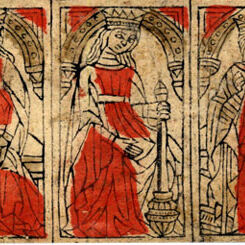
Cards from a pack of an early form of north Italian playing cards, with the swords back-to-back and ...
Small Tuscan Pattern
Small Tuscan Pattern

Romagnole pattern by Guglielmo Murari
Romagnole pattern by Guglielmo Murari c.1920
Minchiate Fiorentine
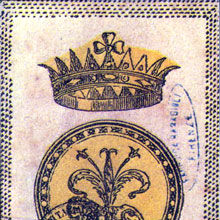
The Florentine game of Minchiate is played with a pack of 97 cards. The subjects and arrangements of...
Italian Playing Cards
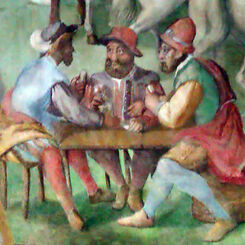
The first reliable evidence that playing cards were being used in Italy is from 1376, when a game ca...
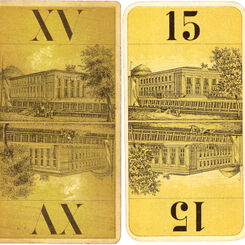
Danish playing cards - Tarock trumps
Two versions of trump no.15 depicting the Thorvaldsen Museum.
Most Popular
Our top articles from the past 60 days


Maria Nick
02 March 2026, 23:37SavedSaved this article to Maria Nick's Collection