


Argentinean Tango playing cards
The Tango - sultry and seductive - is Argentina's form of popular music and dance, invented in Buenos Aires in the 19th century.
TANGO
|
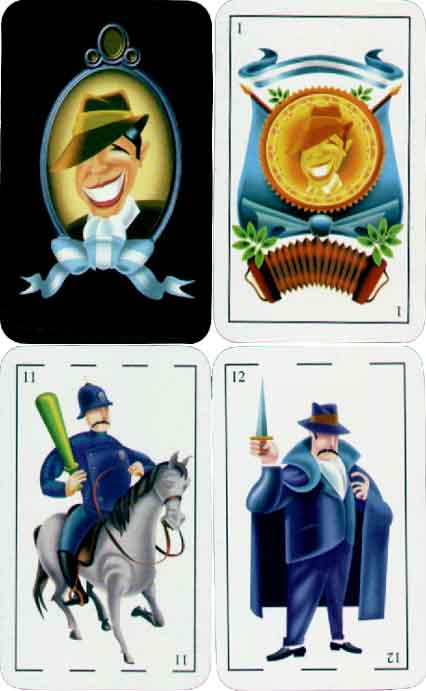
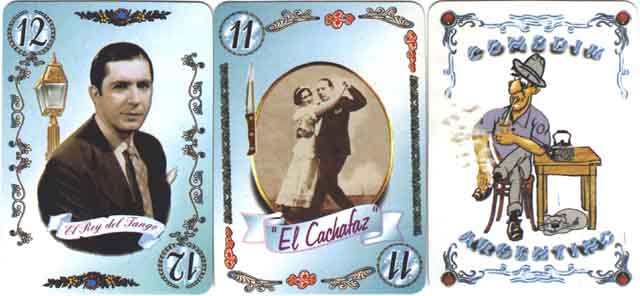
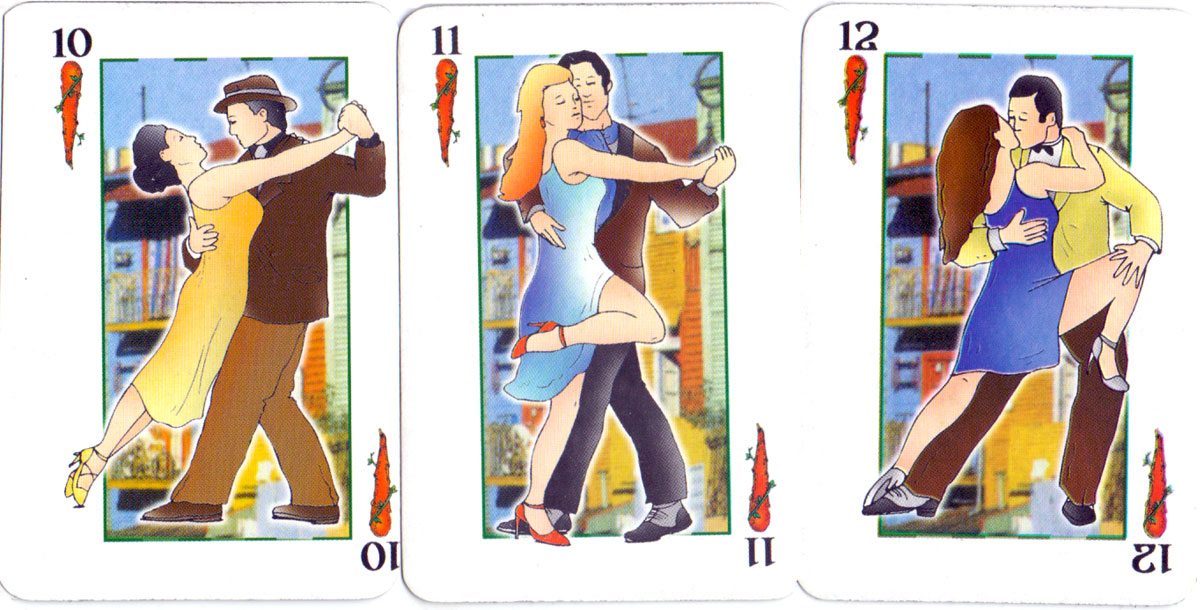
The Tango - sultry and seductive - is Argentina's form of popular music and dance, invented in Buenos Aires in the 19th century. It is usually performed on the piano with accordion, or bandoneon, and guitar accompaniment: "I was deceived… you see that everything is a lie… now I sell caresses and love to forget…" Carlos Gardel became the tango's first international superstar, aided by the emerging gramophone and radio industries. His portrait is featured here on two modern packs, attesting to his legendary status. Left: Gardel charismatically smiles from this special pack manufactured by Gráfica 2001 for Editorial Perfil, Buenos Aires, 1999. The cards were distributed with a weekly music magazine, making it hard to complete a set! A bandoneon is also shown on the ace. more → Below: 'Naipes Tango' by Producciónes Gráficas Arco Iris, Buenos Aires. 48 cards + 2 Jokers. The cards have been computer designed and feature several digital effects. Carlos Gardel himself appears as 'El Rey del Tango' on the four 12s. | |

By Simon Wintle
Spain • Member since February 01, 1996
I am the founder of The World of Playing Cards (est. 1996), a website dedicated to the history, artistry and cultural significance of playing cards and tarot. Over the years I have researched various areas of the subject, acquired and traded collections and contributed as a committee member of the IPCS and graphics editor of The Playing-Card journal. Having lived in Chile, England, Wales, and now Spain, these experiences have shaped my work and passion for playing cards. Amongst my achievements is producing a limited-edition replica of a 17th-century English pack using woodblocks and stencils—a labour of love. Today, the World of Playing Cards is a global collaborative project, with my son Adam serving as the technical driving force behind its development. His innovative efforts have helped shape the site into the thriving hub it is today. You are warmly invited to become a contributor and share your enthusiasm.

Activity for Argentinean Tango playing cards
Sign in to comment or save this article.

Related Articles
Songs with Flute accompaniment
Eighteenth century English engraved cards with music for voice and flute.
The Chamber of 52 Cards
Playing cards published by Peter Wood as a tribute to the rock band Genesis.
Banjo playing cards
Banjo playing cards featuring the collection of Akira Tsumura, Japan, c. 1978.
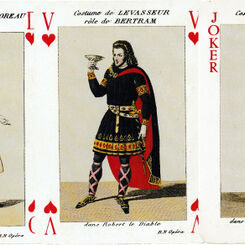
Jeu de cartes des Opéras romantiques
Costumes from four operas premiered at the Paris Opera between 1830 and 1840.
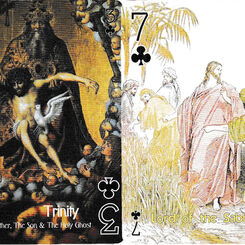
Soldier’s Deck of Cards
with the sub-title of “Bible reference playing cards”
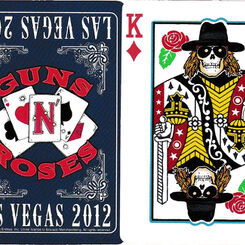
Guns N’ Roses Las Vegas 2012
Guns N’ Roses Las Vegas 2012 promotion playing cards produced by Gemaco, USA.
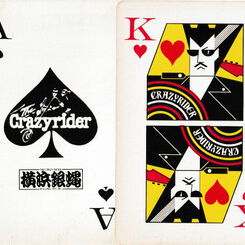
Crazyrider playing cards
Stylised portrayal of rock musicians from the 1980s.
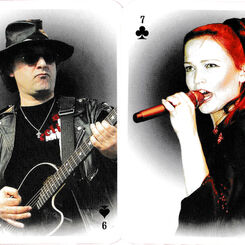
Castle Rock Club
Castle Rock Club playing cards featuring Russian rock stars and musicians, c. 2000.
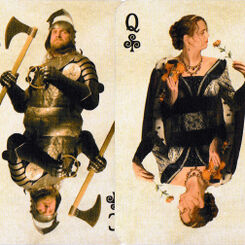
Rapalje
Promotional pack for a Dutch Celtic folk band which performs Irish, Scottish and Dutch folk music, c...
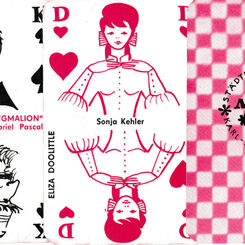
My Fair Lady
Theatre programme in the form of a pack of cards. East Germany, c.1967.
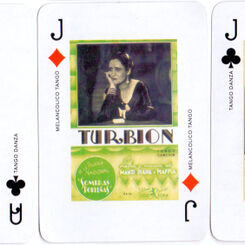
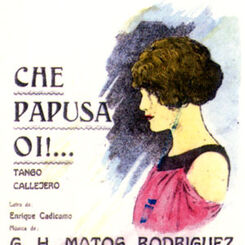
Milonguita
Naipes de Poker “Milonguita” featuring early Tango music score covers, Gardés Editorial, 2003.
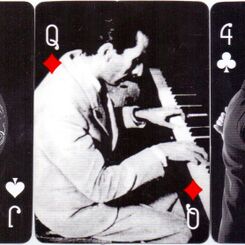
Black Tango
‘Black Tango’ playing cards with photographs of dancing couples published by Gardés Editorial, 2003....
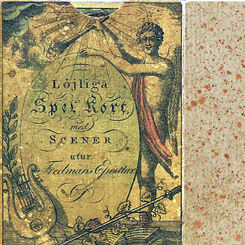
Löjliga Spel Kort
Facsimile edition of “Löjliga Spel Kort” (1825) illustrated playing cards from Sweden, showing scene...
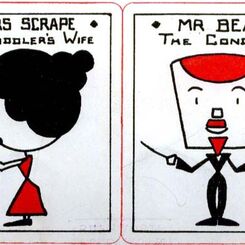
Music Manuscripts
Artwork featuring playing cards in Music Manuscripts
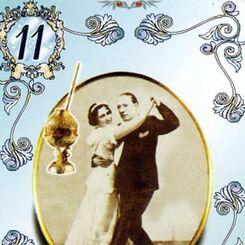
Naipes Tango by Arco Iris
Naipes Tango by Producciónes Gráficas Arco Iris, 1999.
La Cumparsita Tango deck
Tango playing cards manufactured in Argentina, 2001.
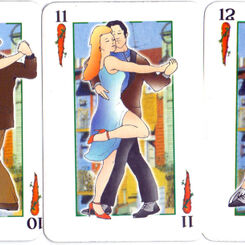
Tango
‘Tango’ playing cards from Argentina, c.2004.
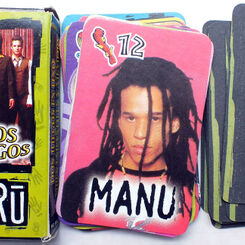
Mambrú
Mambru pop group playing cards from Argentina, 2002.

Bandana
Bandana Argentine pop girl group playing cards 2002.
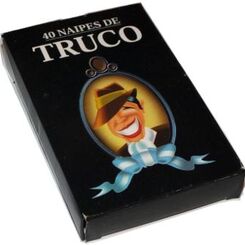
Naipes de Truco
Naipes de Truco manufactured by Gráfica 2001 for Editorial Perfil, Buenos Aires, 1999
Most Popular
Our top articles from the past 60 days


