

Hofamterspiel, c.1460
Hofamterspiel, c.1460

 |
 |
 |
 |
 |
 |
 |
 |
|
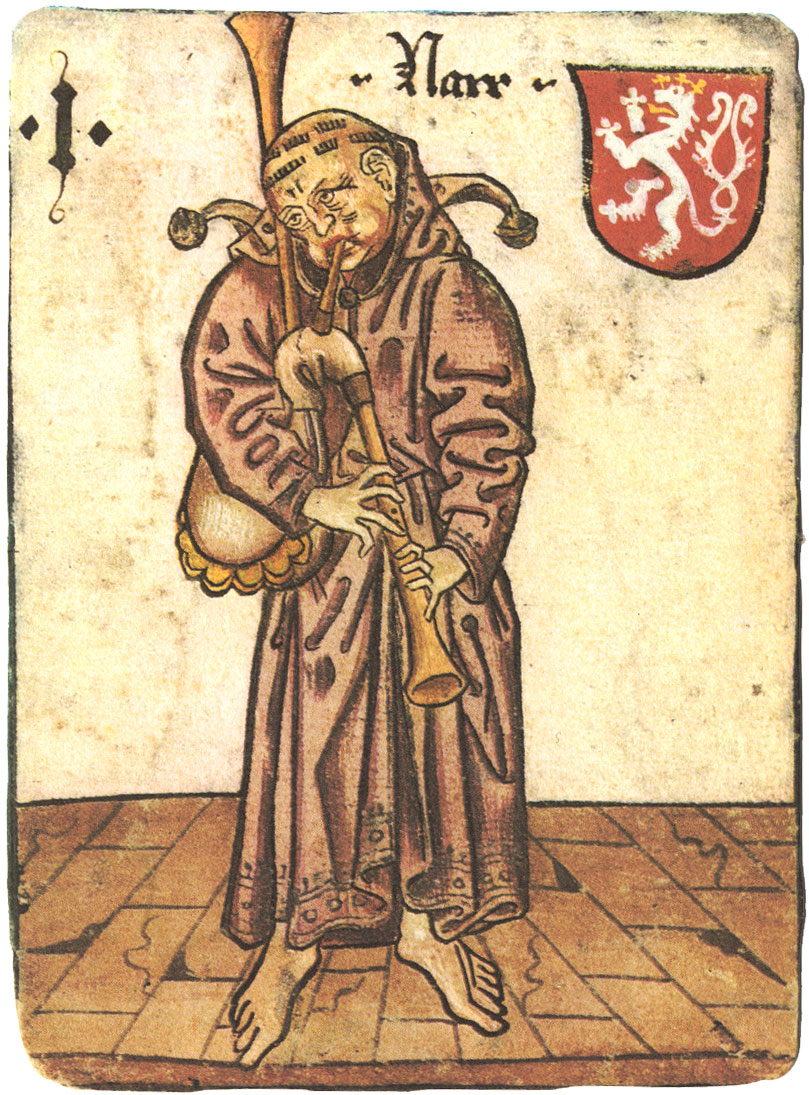
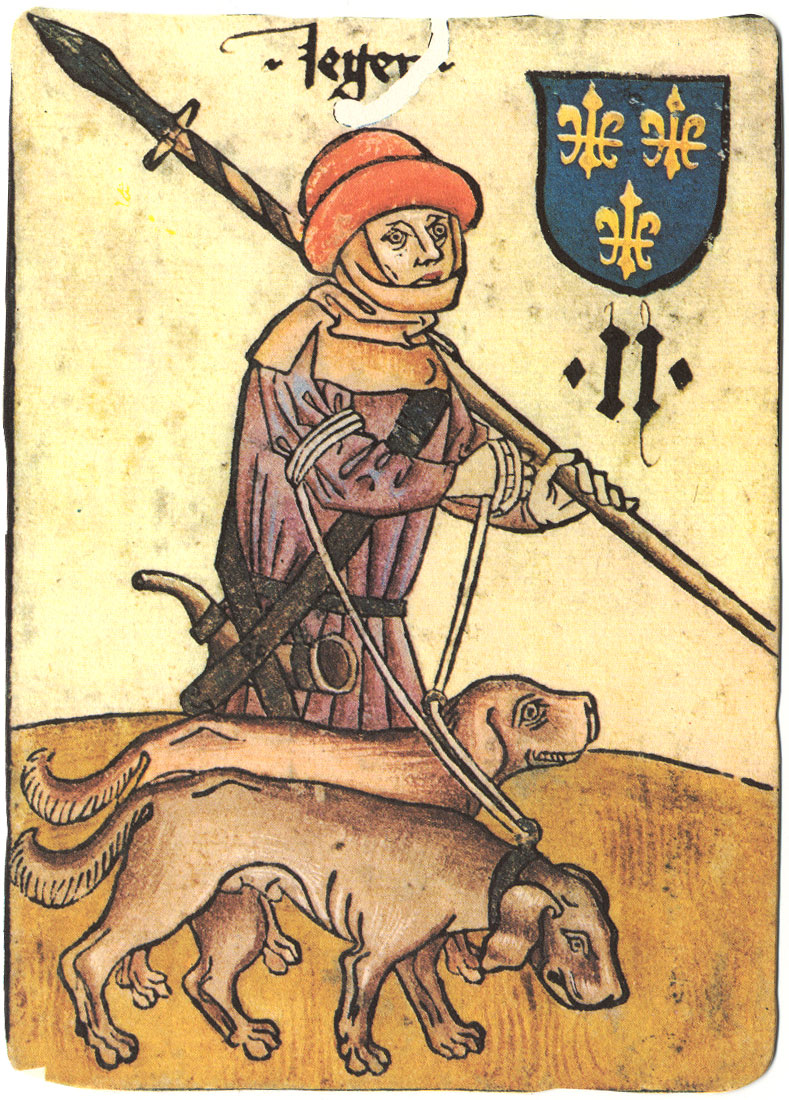
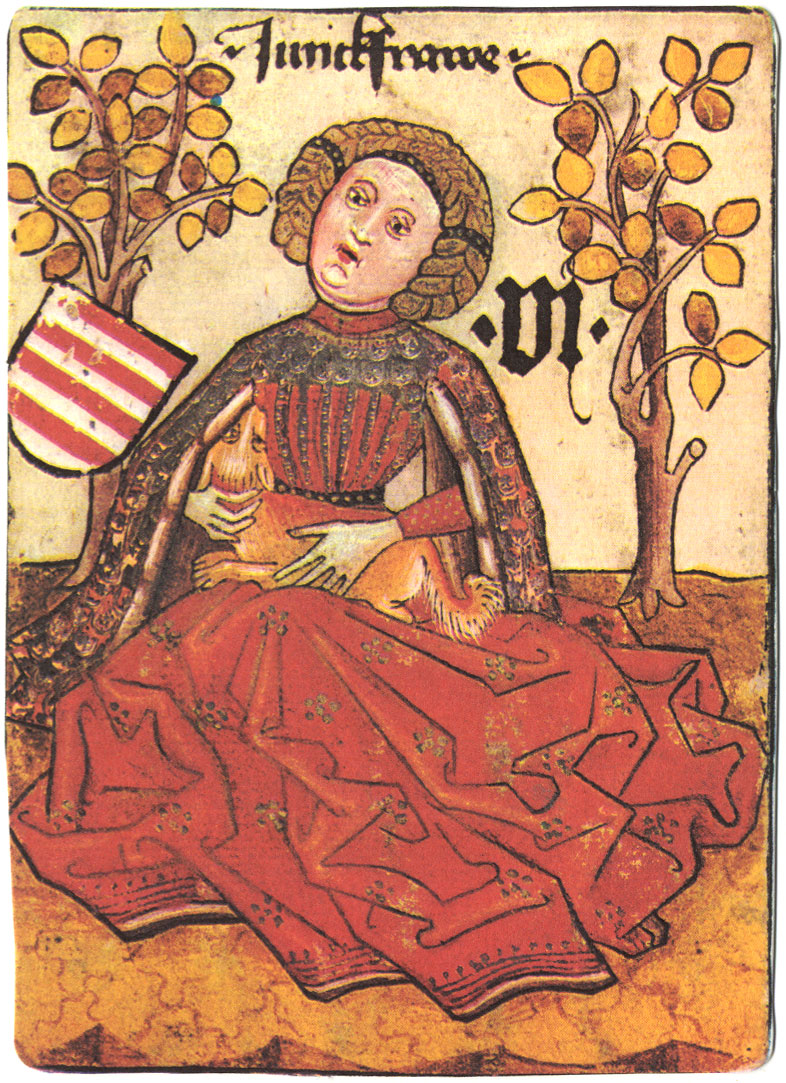
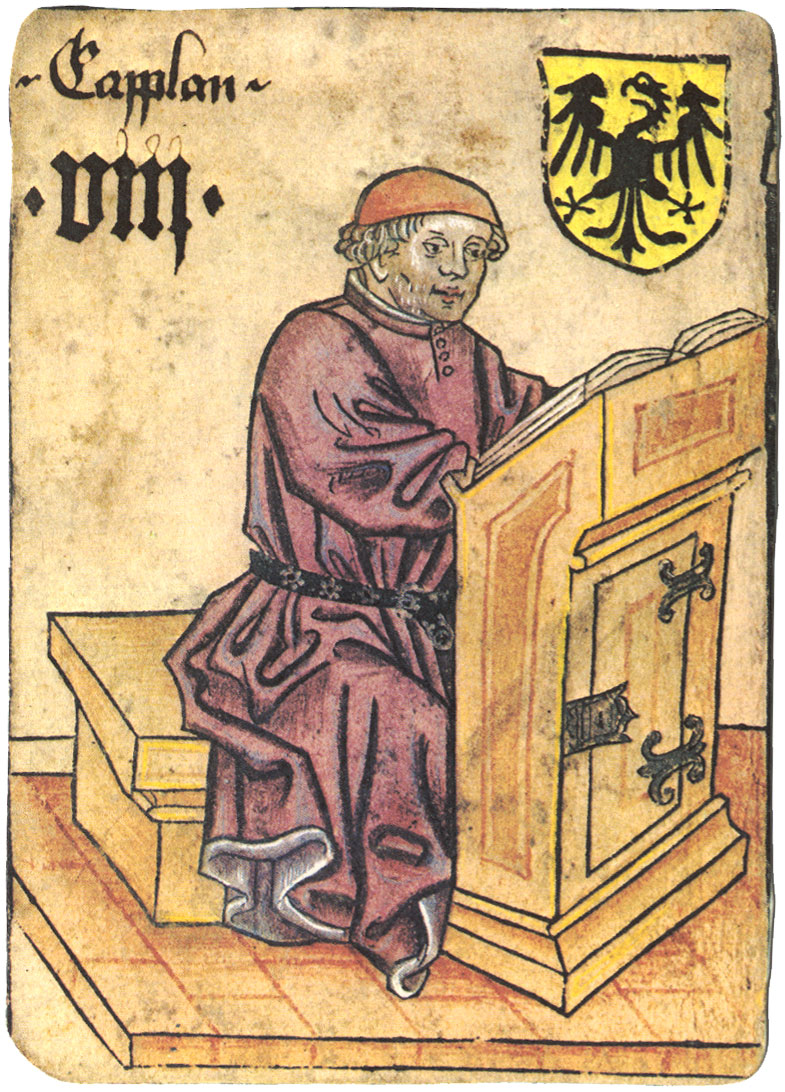
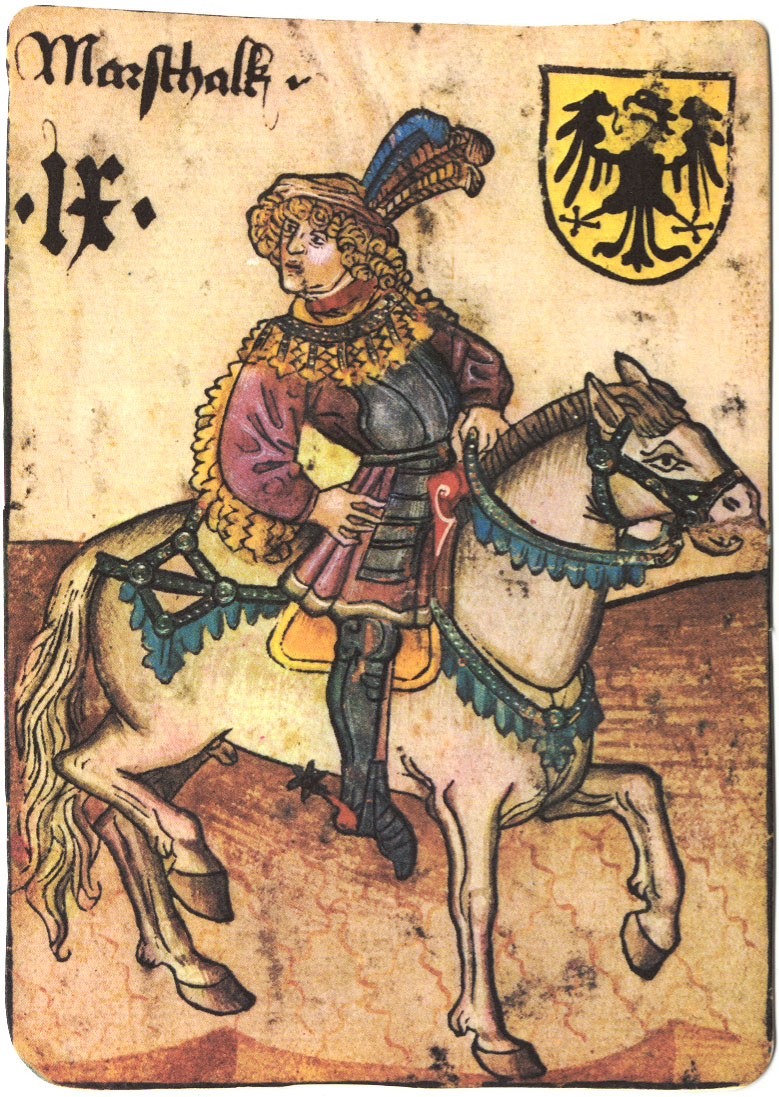
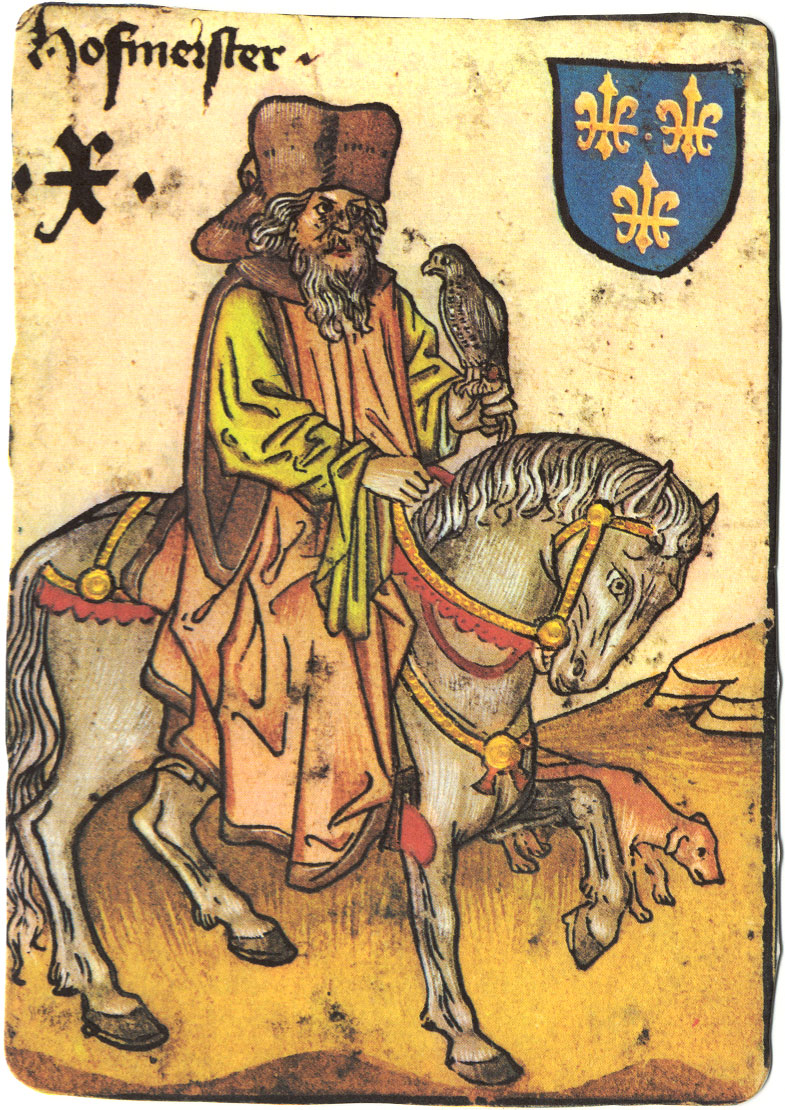
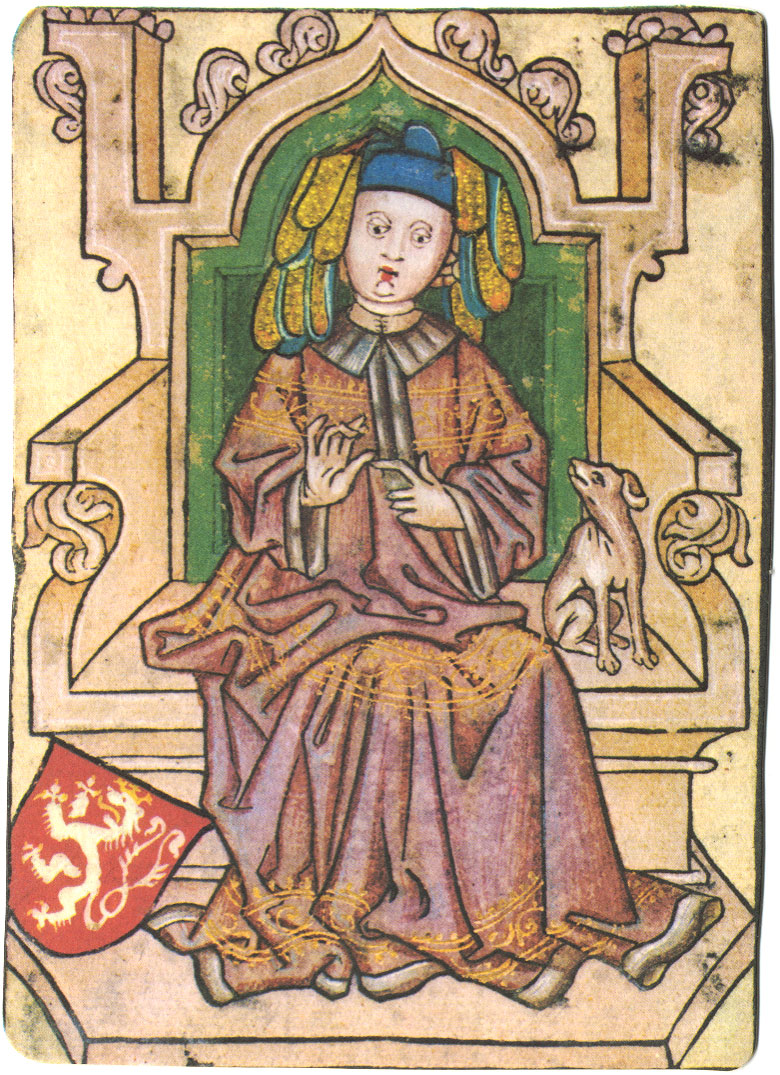
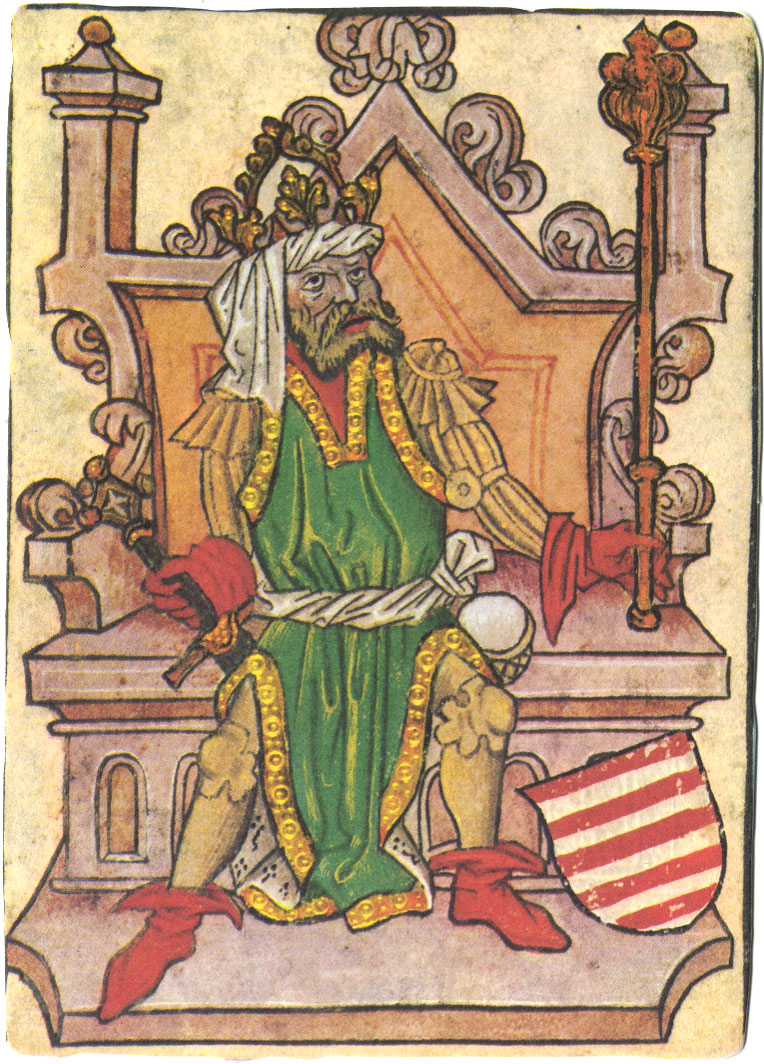
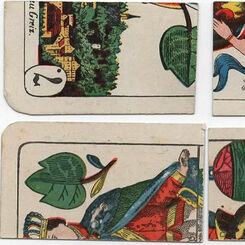
The cards were printed from woodblocks and then hand coloured. Each suit in turn shows members of the royal household - from the court jester up to the king's steward, including servants and court officials. These are depicted in a hierarchy, numbered 1 - 10 in Roman numerals, plus a queen and king, instead of the more common arrangement of multiple pip cards and three or four court cards. There are 48 cards in total. |
Click images to see enlargements. See also: The Stuttgart Cards, 1437 Cards shown above are from the facsimile edition published by Piatnik, Vienna, edited by Ernst Rudolf Ragg, 1976. Size of cards 140 x 100 mms. |
||
The Hofämterspiel reflects political relationships in Central Europe in the mid-15th century. The suit signs are the coats of arms of four kingdoms: France, Germany, Bohemia and Hungary. The single-headed eagle represents the 'regnum teutonicum', the kingdom of Germany (as opposed to a double-headed eagle representing the Holy Roman Empire of the German Nation). Each individual card depicts a function or profession that enjoyed official status at a late medieval princely court.
In some respects the Hofämterspiel reminds us of the so-called Mantegna Tarocchi, a set of 50 copper engraved cards from Italy, c.1465, which also represents a world order, or hierarchy. However, the Italian set reveals cosmological overtones more akin to Renaissance humanism than to medieval European feudalism. The Hofämterspiel shows a feudal social hierarchy and is a good indication of what the oldest German playing cards may have been like, before they adopted symbols from the royal hunt…

By Simon Wintle
Spain • Member since February 01, 1996 • Contact
I am the founder of The World of Playing Cards (est. 1996), a website dedicated to the history, artistry and cultural significance of playing cards and tarot. Over the years I have researched various areas of the subject, acquired and traded collections and contributed as a committee member of the IPCS and graphics editor of The Playing-Card journal. Having lived in Chile, England, Wales, and now Spain, these experiences have shaped my work and passion for playing cards. Amongst my achievements is producing a limited-edition replica of a 17th-century English pack using woodblocks and stencils—a labour of love. Today, the World of Playing Cards is a global collaborative project, with my son Adam serving as the technical driving force behind its development. His innovative efforts have helped shape the site into the thriving hub it is today. You are warmly invited to become a contributor and share your enthusiasm.

Related Articles
Grunwald 1410 – The Battle of Tannenberg
Details from the famous painting of the Battle of Grunwald (1410) by the Polish painter Jan Matejko....
Tell Wilmoś
Facsimile of ‘Wilhelm Tell’ Hungarian deck by Salamon Antal, Keczkemét, 1860.
Tyrolean Playing Cards
Facsimile of patriotic 1878 Tyrolean playing cards published by Piatnik in 1992.
Notgeld - Emergen¢y Money
Notgeld - Emergency Money - was in rare cases issued on playing cards.
Piatnik No.97
Non-standard French-suited cards published by Ferd Piatnik & Sõhne, Vienna, c.1940s.
Hidden meanings in painting by Jheronimus Bosch
Medieval View of Gambling in the ‘Garden of Earthly Delights’ by Jheronimus Bosch
48: Ferdinand Piatnik & Sons
Ferd. Piatnik produced a very large range of cards with many different standard and non-standard pat...
Flemish Hunting Deck
Set of medieval playing cards with King, Queen, Knave and numeral cards from one to ten in each of f...

El Jokey by Piatnik, 1990s
‘El Jokey’ Spanish-suited pack by Piatnik & Sons, Vienna, 1990s
Vienna Melange
“Vienna Melange” Playing Cards by Piatnik with a historical feel representing the four races that ma...

Hans Sebald Beham
Playing cards designed by Hans Sebald Beham (1500–1550).
Pierre Marechal
Rouen became an important centre for card-making whose influence extended far afield. Cards from Rou...
Löschenkohl’s Musical Playing Cards
Johann Hieronymus Löschenkohl (1753-1807) produced a copper engraved deck of playing cards titled “D...
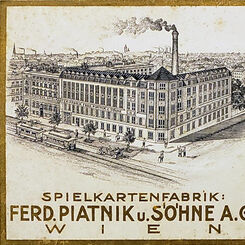
Ferd. Piatnik & Söhne
Ferdinand Piatnik was born in Ofen on October 14, 1819.
Piatnik Tarock
Deck of "Industrie und Glück" or "Rural Scenes" tarock cards manufactured by Ferd Piatnik & Söhne, V...
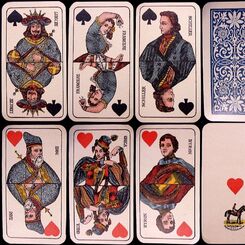
Literary Figures
Non-Standard Literary Figures playing cards manufactured by Ferd. Piatnik & Söhne A.G., Vienna, 1924...
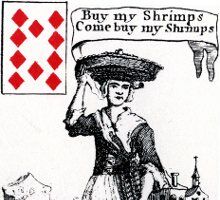
Cries of London
The cards were printed from copper plates, with the red suit symbols being applied later by stencil....
The Princely Hunting pack, c.1440
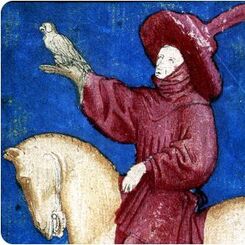
The Princely Hunting Pack, c.1440/45, is attributed to Konrad Witz and his workshop in Basle.
Peter Flötner, c.1545
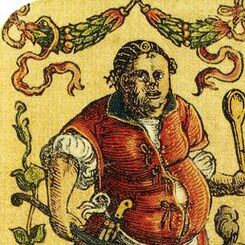
Seven cards from a satirical pack produced by Peter Flötner of Nuremberg, c.1545. The suit symbols a...
Piatnik & Sons for the“Estanco de Naipes del Perú”
Playing Cards made by Piatnik & Sons for the“Estanco de Naipes del Perú”, c.1960.
Most Popular
Our top articles from the past 60 days


