


Le Nouvel Etteilla
“Le Nouvel Etteilla” cartomancy deck published in Paris by La Veuve Gueffier, 1806.
“Le Nouvel Etteilla” cartomancy deck was published in Paris by La Veuve Gueffier in 1806. The interpretations printed around the sides of the 32 playing cards had already been published and discussed by Etteilla in his book “Maniere de se recreer avec un jeu de cartes” in 1770. This was his new method for cartomancy using ordinary playing cards, but the book contained no illustrations of these cards. Packs with this format are believed to have been published since 1791, mostly posthumously after Etteilla’s death, and usually titled “Le Petit Etteilla”. It is not clear why this edition was called “new” unless it was in fact the first one of its kind. Packs continued to be published until c.1900, and even today modern facsimiles are being produced.
The title card shows a sort of alchemist-magician in his laboratory, reading the cards whilst consulting a scroll manuscript lying on the table - possibly the Egyptian Book of Thoth which Etteilla (1738-1791) had been re-interpreting in the latter years of his life. Printed on the two extra cards is "No. 1 Etteilla ou le Questionant". One of these cards also bears the addresses "A Paris chez Mme. Ve. Gueffier Relieuse, rue Galande No.61” and also the address of “Croisey Md. Papetier rue de la Huchette No. 19". Mme Gueffier also published “Le Petit Oracle des Dames” in 1807.
Etteilla’s cartomantic and philosophical writings did meet with some derision from those who denied that future events might be forseen in random images, or who saw themselves as more respectable occult scientists, or freemasons who didn’t do occultism. However his legacy left a strong influence on cartomantic decks for at least a century after his death.
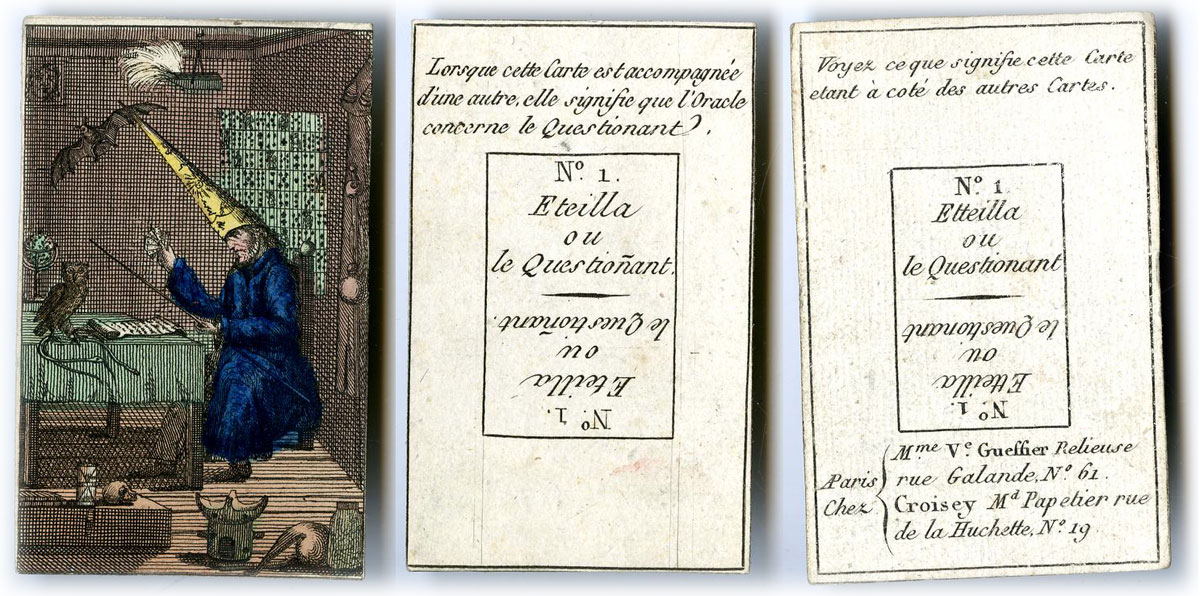
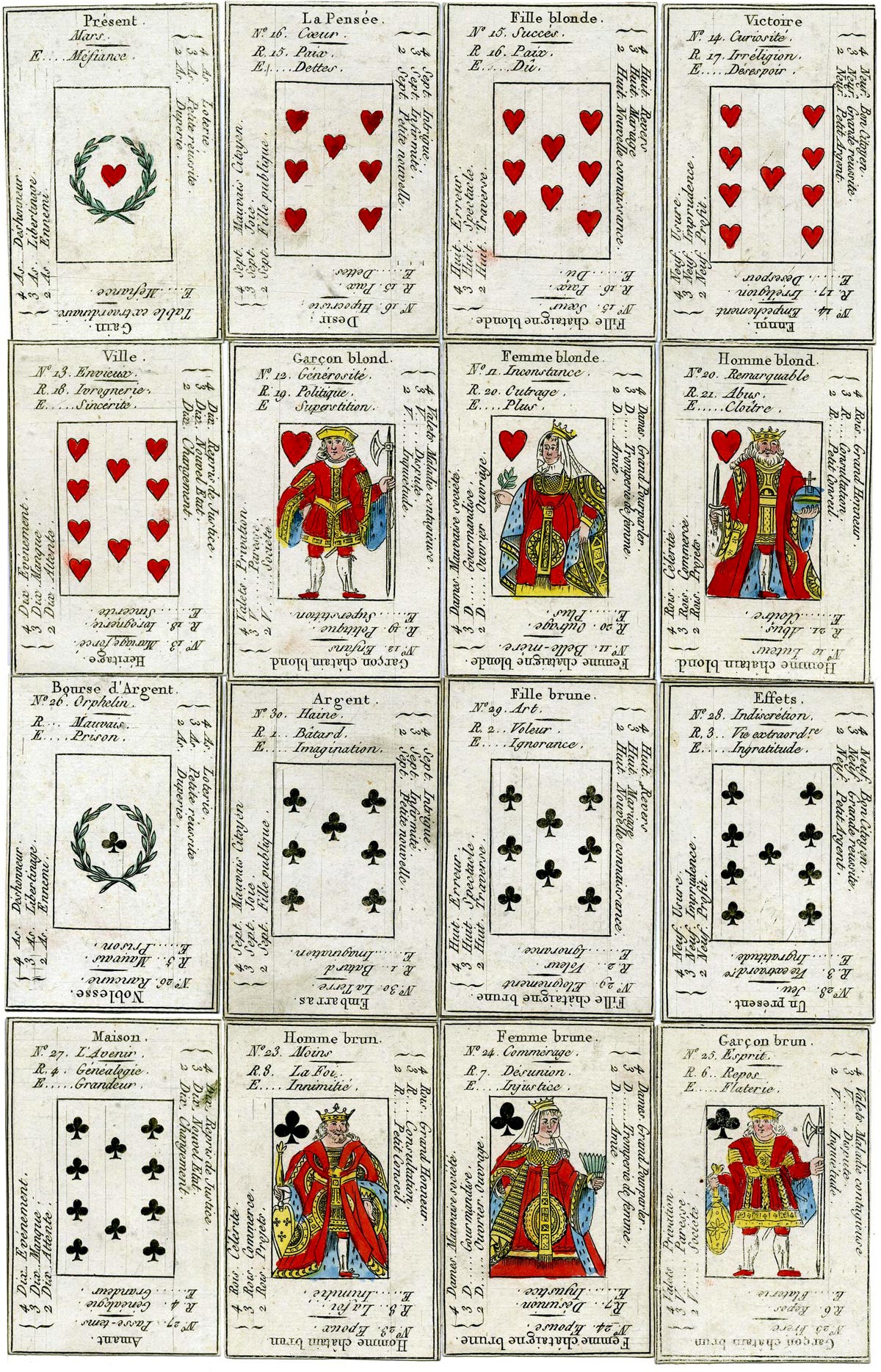
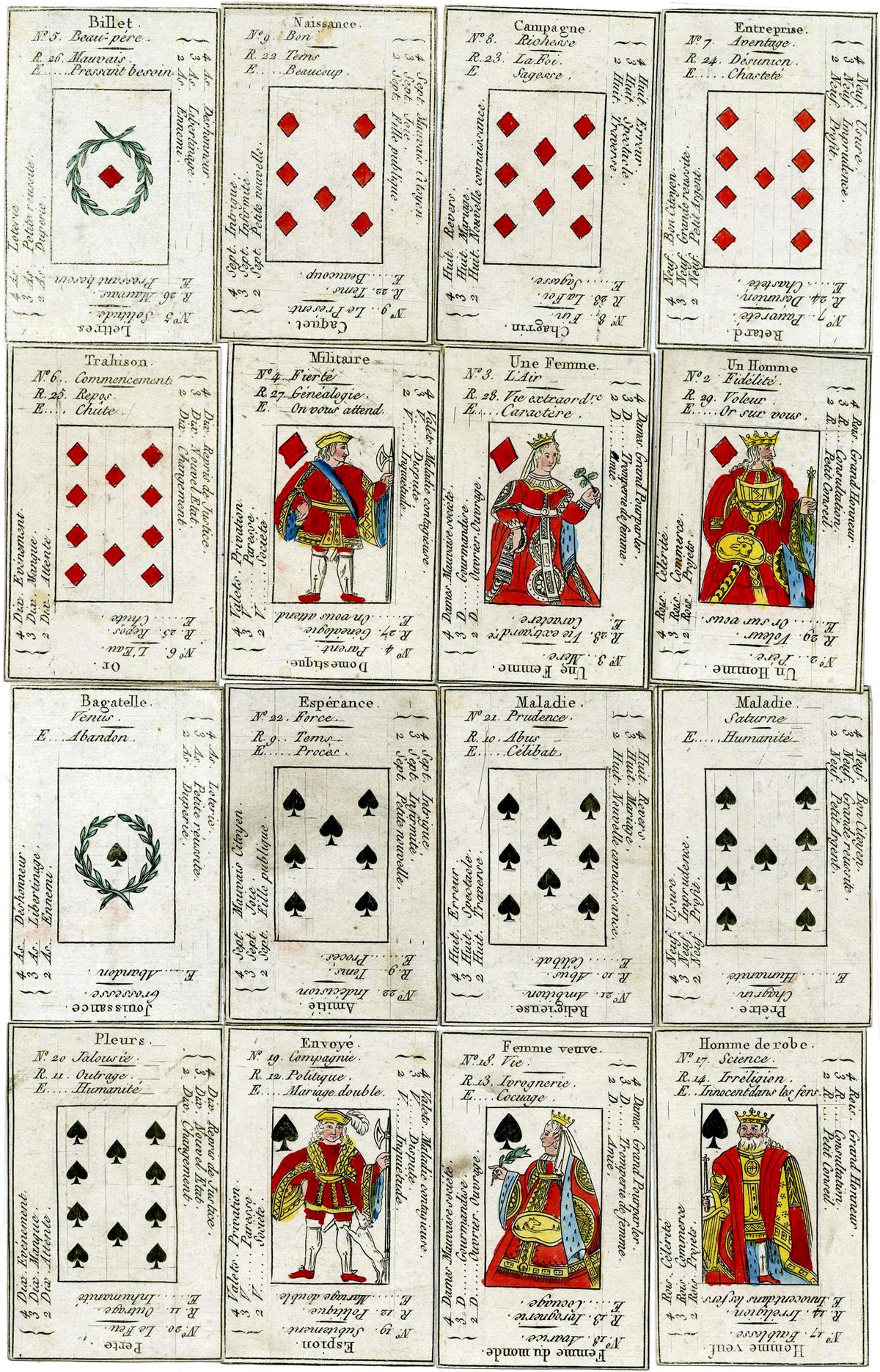
Above: pack of 32 playing-cards for cartomancy, plus three extra cards, hand-coloured etching, backs plain. Accompanied by book of instructions, published in Paris by la Veuve Gueffier, 1806. © The Trustees of the British Museum • Museum number 1896,0501.709.1-35►
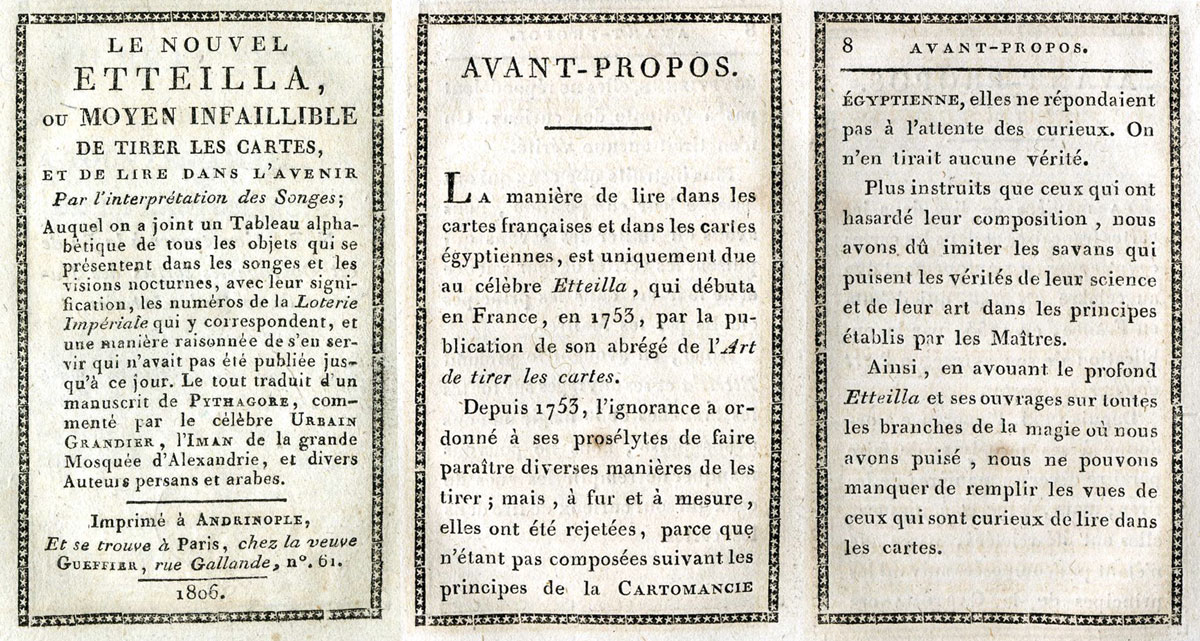
Above: some excerpts from the booklet accompanying the pack.
References
Etteilla: “Maniere de se recreer avec un jeu de cartes”, Amsterdam & Paris, 1770. Digital copy at Bibliothèque nationale de France►
Note: an 1826 edition of “Le petit Etteilla ou l'Art de tirer les cartes d'après les plus célèbres cartomanciers” contains images of the Petit Etteilla cards, as illustrated above, see BnF: Le petit Etteilla, 1826. A much later compilation of “Le petit Etteilla : art de tirer les cartes, Nouvelle édition par Flamand” (1874) is illustrated with standard English cards, not French ones with interpretations around the edges, although p.15 has an image of card "No. 1 Etteilla ou le Questionant". See BnF: Le petit Etteilla►
O’Donoghue, Freeman M: Catalogue of the collection of playing cards bequeathed by Lady Charlotte Schreiber, Trustees of the British Museum, London, 1901 (French 56) [digital version here].

By Simon Wintle
Spain • Member since February 01, 1996
I am the founder of The World of Playing Cards (est. 1996), a website dedicated to the history, artistry and cultural significance of playing cards and tarot. Over the years I have researched various areas of the subject, acquired and traded collections and contributed as a committee member of the IPCS and graphics editor of The Playing-Card journal. Having lived in Chile, England, Wales, and now Spain, these experiences have shaped my work and passion for playing cards. Amongst my achievements is producing a limited-edition replica of a 17th-century English pack using woodblocks and stencils—a labour of love. Today, the World of Playing Cards is a global collaborative project, with my son Adam serving as the technical driving force behind its development. His innovative efforts have helped shape the site into the thriving hub it is today. You are warmly invited to become a contributor and share your enthusiasm.

Activity for Le Nouvel Etteilla
Sign in to comment or save this article.

Related Articles

History of Tarot and Playing Cards: Timeline & Origins
An alternative history of tarot and playing cards – from Mamluk Egypt to the invention of tarot in R...
David’s fortune-telling cards
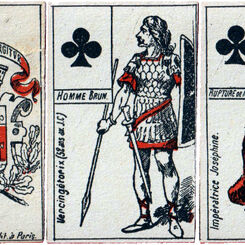
Entertaining and easy-to-use fortune-telling cards published by David, Paris, c.1895.

Oracle Rock
Cartomantic set depicting rock and pop stars, designed by La Rata, with a book by Virginie Despentes...
French Cartomancy cards, c.1830
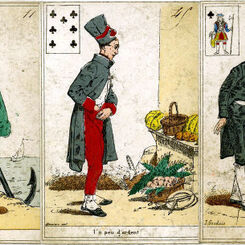
French Cartomancy cards published by J. Gaudais; printed by Mansion, Paris, c.1830.
Le Petit Oracle des Dames
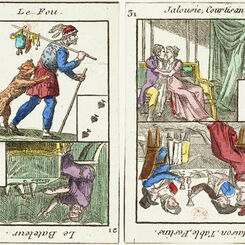
Le Petit Oracle des Dames ou Récréation des Curieux, Paris, 1807.
Jeu de Cartomancie pour l’amusement des Dames
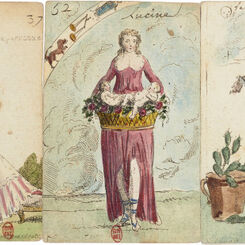
Early French Cartomancy deck "for the amusement of Ladies" but also referred to as "Jeu divinatoire ...
Geomancy and playing cards - a match meant to be
Playing cards are made of dualities...
Playing Cards and Calendars
In this video Ana Cortez examines the relationship between ordinary playing cards and the calendar. ...
Petit Etteilla cartomancy cards
“Petit Etteilla” cartomancy cards designed and published by Jacques Grasset de Saint-Sauveur, Paris ...
Nouvel Eteila ou le petit nécromancien
“Nouvel Eteila ou le petit nécromancien” cartomancy cards from France, late 18th century.
Polish fortune-telling cards
Fortune-telling pack with divinatory rhymes in Polish, c.1985.
La Sibylle des Salons
La Sibylle des Salons facsimile of 19th century deck published by J M Simon, 1979.
Le Destin Antique
Le Jeu du Destin Antique, originally published by Grimaud in XIX c., republished many times since......
Playtex
Playtex - le jeu de la beauté et du destin, Grimaud, 1971.
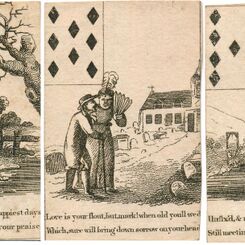
Georgian Fortune Telling Cards
Georgian Fortune Telling Cards, c.1800.
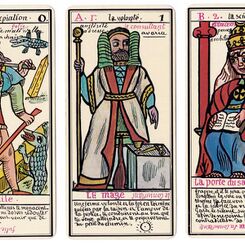
Le Grand Tarot Belline
“Le Grand Tarot Belline” after drawings by Edmond Billaudot (1829-1881).

Chinese Fortune Telling Cards
Fortune Telling Cards - wondrous scientific divination poker cards.
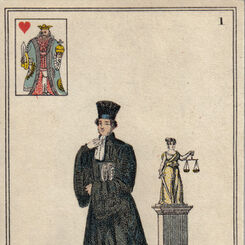
Livre du Destin
Livre du Destin / The Book of Fate, c.1900, entire deck (32 cards)
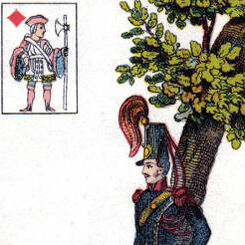
Livre du Destin
Livre du Destin or Book of Fate, printed by B.P.Grimaud, Paris, c.1900.
Significado de los Naipes Españoles
Cartomantic meanings of Spanish playing cards by Benita the Witch (XVI century), published by Chocol...
Most Popular
Our top articles from the past 60 days


Zoyander Street
06 April 2026, 06:28SavedSaved this article to Narrative decks
Dri Coñde
08 May 2026, 03:15SavedSaved this article to Dri Coñde's Collection