


Japanese Beauties
An elegant fusion of Western and Japanese traditions modelled after ukiyo-e.
All cards have images of traditionally dressed Japanese ladies inspired by or directly modelled after ukiyo-e. The elegant lines, delicate facial expressions, elaborate hair ornaments (kanzashi), layered kimonos and calligraphy all convey a sense of fashion, status and culture.
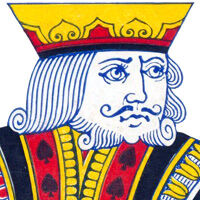
The western card structure is preserved (J, Q, K indices), but the imagery is replaced with Japanese portraiture. Instead of the typical jester, the Joker portrays what looks like a woman with a child; the reverse side has a symmetrical, western-style ornamental pattern in brown and cream.
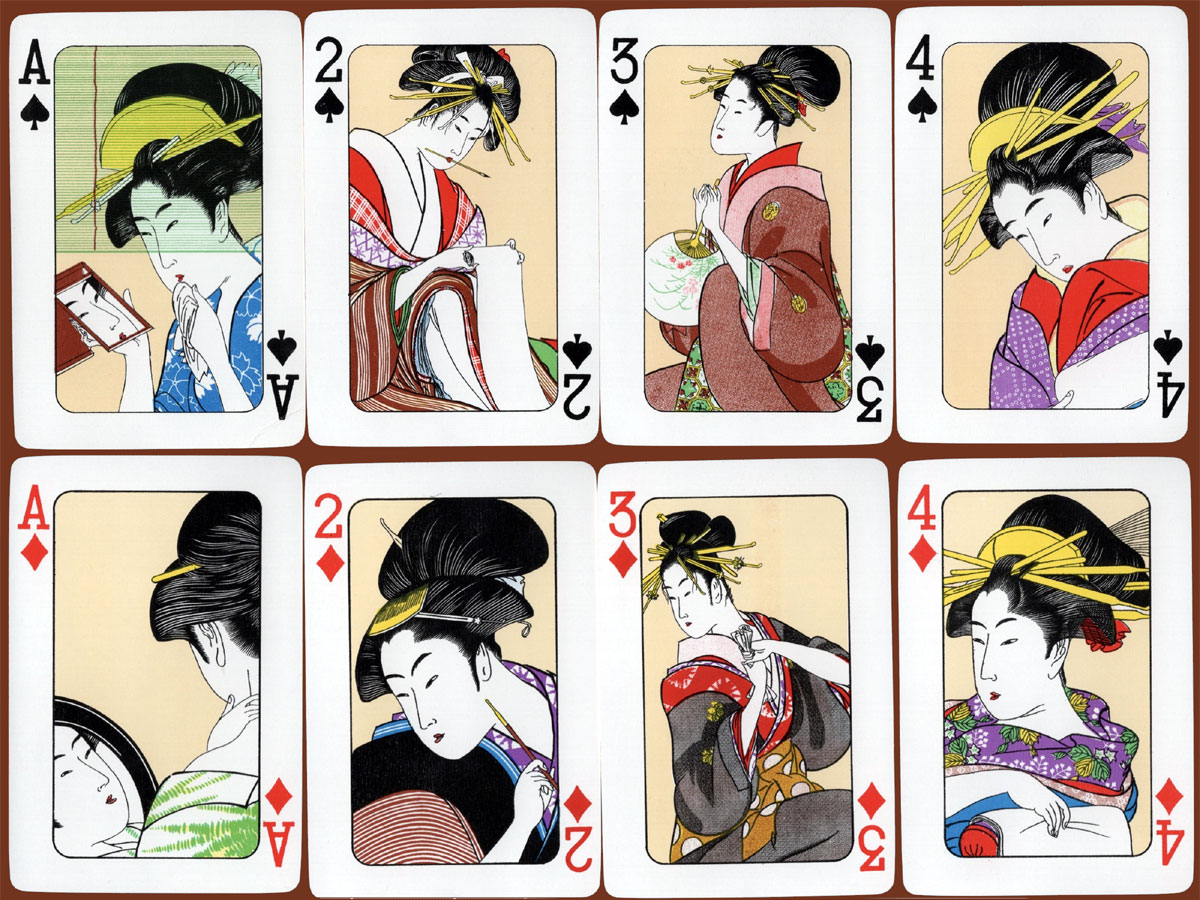
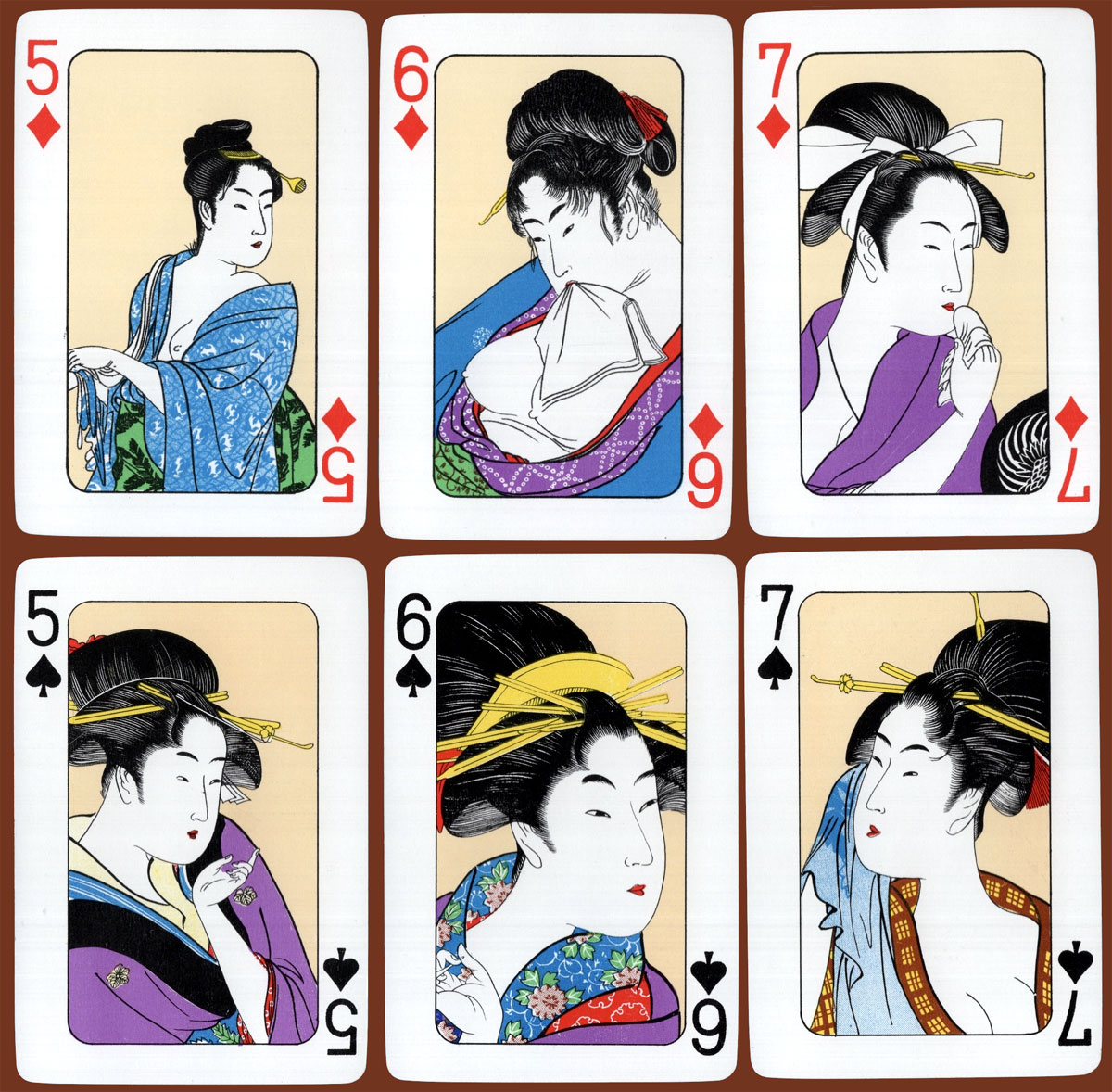
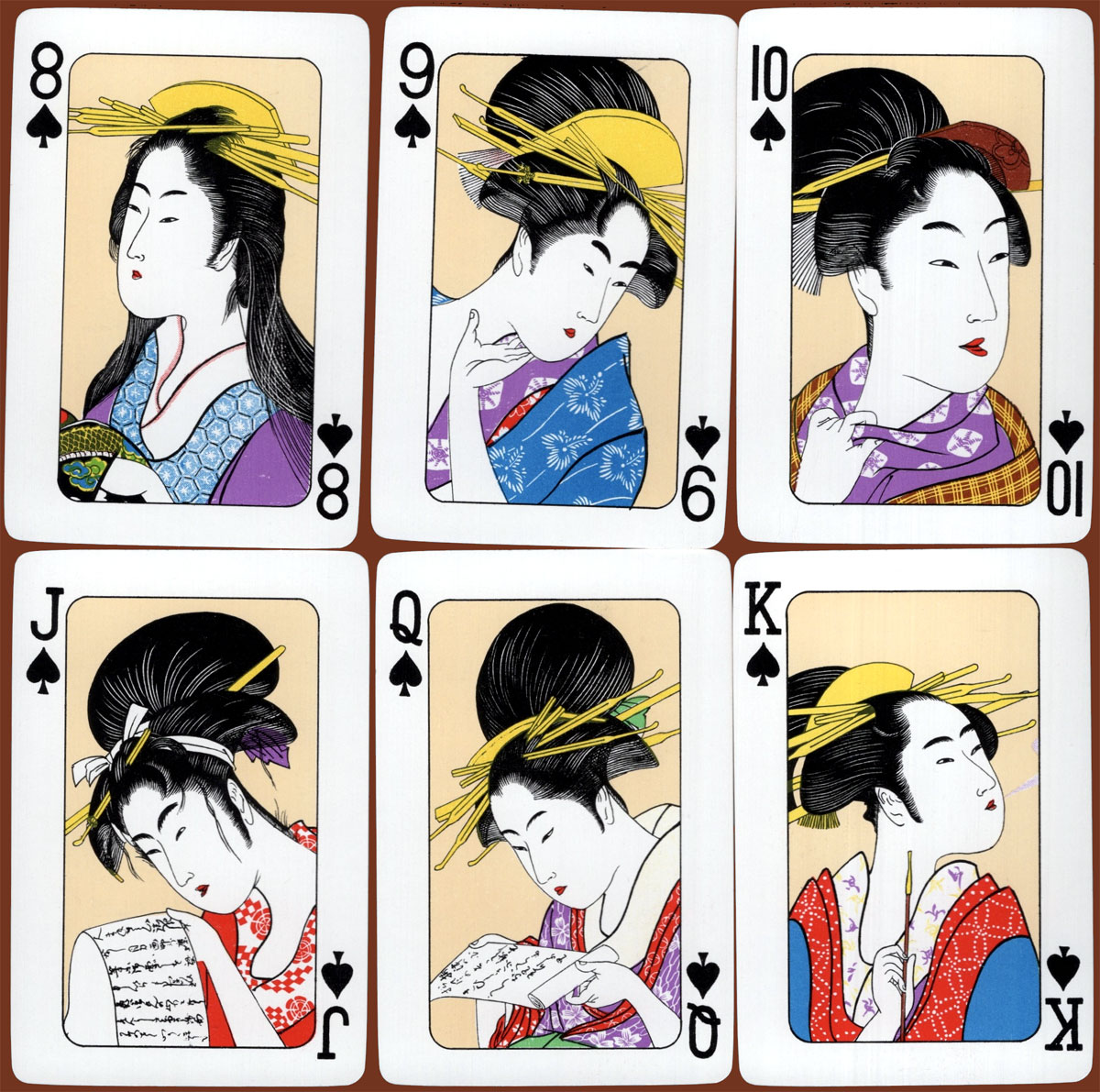
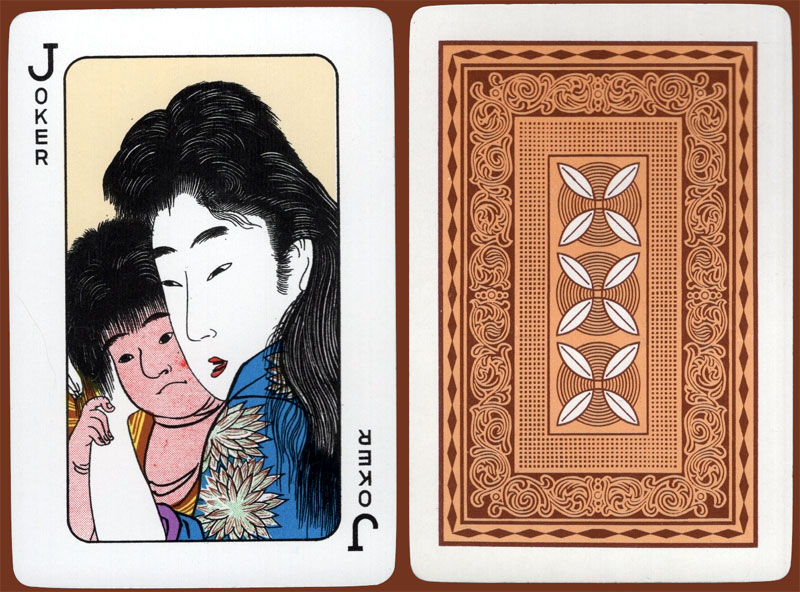
Above: Japanese Beauties Far East Playing Cards printed by Dainippon, c.1950s. Gold edged.
Dainippon Playing Cards, also known as Dai Nippon (大日本), was a Japanese playing card manufacturer based in Yōkaichi, Shiga Prefecture. The company was active primarily during the mid-20th century, producing a variety of card decks that blended traditional Japanese designs with Western influences¹.
Japan was mass-producing cultural export items to rebuild its economy, and there was fascination with Japanese aesthetics in the West at this time.
Reference
1. George Pollard, Ways to Play : Japanese Hanafuda Brands►
By Jon Randall
Australia • Member since May 28, 2020
From 6 or 7 years of age I enjoyed playing cards with my family, and still enjoy a variety of games today with various groups and individuals. I contribute my competitive nature to enjoying games … it’s not that I like to win, I dislike losing! I was barely 10 years old when my great Uncle left me a small collection of playing cards and that was the starting point of my collecting. The competitive streak in me helped develop me into a competitive swimmer that sent me to various places around the world, including a 6 year stint in the US, where for much of that time I was at university. I’ve always enjoyed car boots flea markets, yard sales, charity shops etc., and my eye would never miss a pack of playing cards. Even after my swimming career finished I coached at a high level for many years and continued enjoying the discovery of some great finds around the world. For decades my collection continued to grow, despite selling a portion of it via eBay over the years. It wasn’t until post 2010 that I realised, mostly due to correspondence with Australian friends, that there were so many single playing card collectors. This intrigued me. I had so many packs of cards at home that I made the bold decision to share a good number with singles collectors, and subsequently listed around 7000 for sale on eBay. That did make a dent in my collection, but there’s still around 30,000 packs taking up quite a bit of space at home. Crazy? Yes, but I’ve seen bigger hoards a few times! There’s so many I surprise myself finding packs I forgot I had when I look in a box I’d not seen in a while.
My eBay IDs if you’d like to look are “worldwide_playing_cards” & “playing_cards_world”►

Activity for Japanese Beauties
Sign in to comment or save this article.

Related Articles
Sunday Night / Nichiyoubi no Yoru
An irreverent, avant-garde deck unofficially titled "Nichiyoubi no Yoru" (Sunday Night), designed by...
Ukiyo-E (Nintendo)
Classic examples of Ukiyo-E painting.
Sanyo Ukiyo-E
Ukiyo-E deck for Sanyo Enterprise Co.
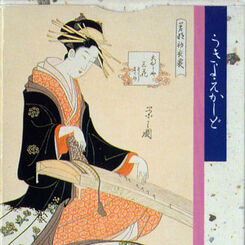
Utamaro “Ukiyo-e” playing cards
Utamaro Ukiyo-e playing cards showing woodblock prints of beautiful women.
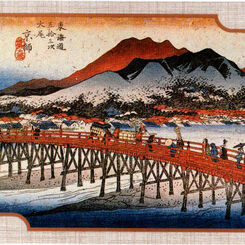
Hiroshige Ukiyo-e playing cards
“Hiroshige” playing cards drawn by Hiroshige Ando (1797-1858) at 53 stopoffs on the journey from Edo...
Most Popular
Our top articles from the past 60 days


