


Metal Gear Solid 4: Guns of the Patriots
“Metal Gear Solid 4: Guns of the Patriots” video game characters on playing cards, Japan, 2008
Metal Gear Solid 4: Guns of the Patriots is an action-adventure video game developed by Kojima Productions and published by Konami for the PlayStation 3. It was directed by Hideo Kojima. The game was released on June 12, 2008 and by 2014 six million copies worldwide had been sold.
This pack was published simultaneously in 2008 and the cards depict characters from the video game. The characters are repeated in each suit, and there are two different jokers, resulting in only 15 different images, all set against the same sombre grey and black background. The card back is repeated on the front of the tuck box.
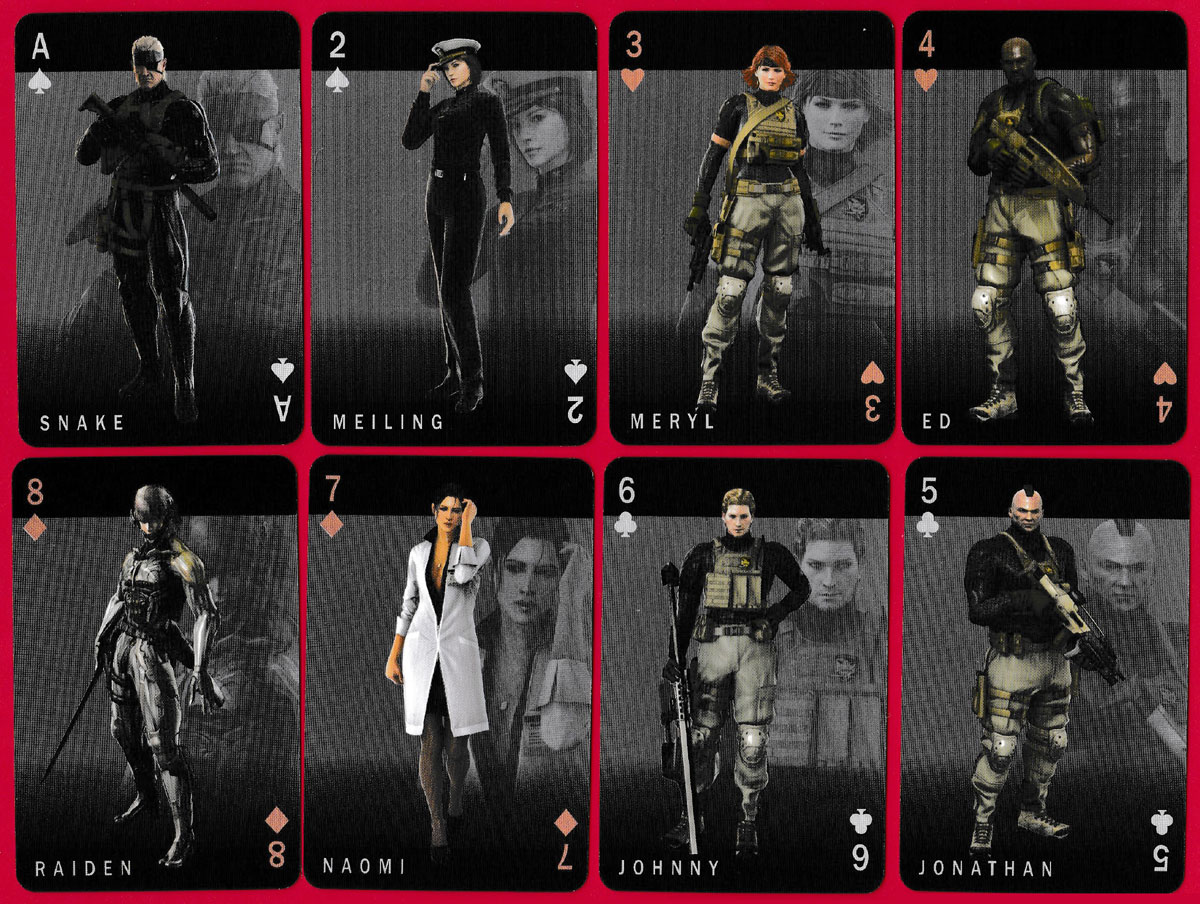
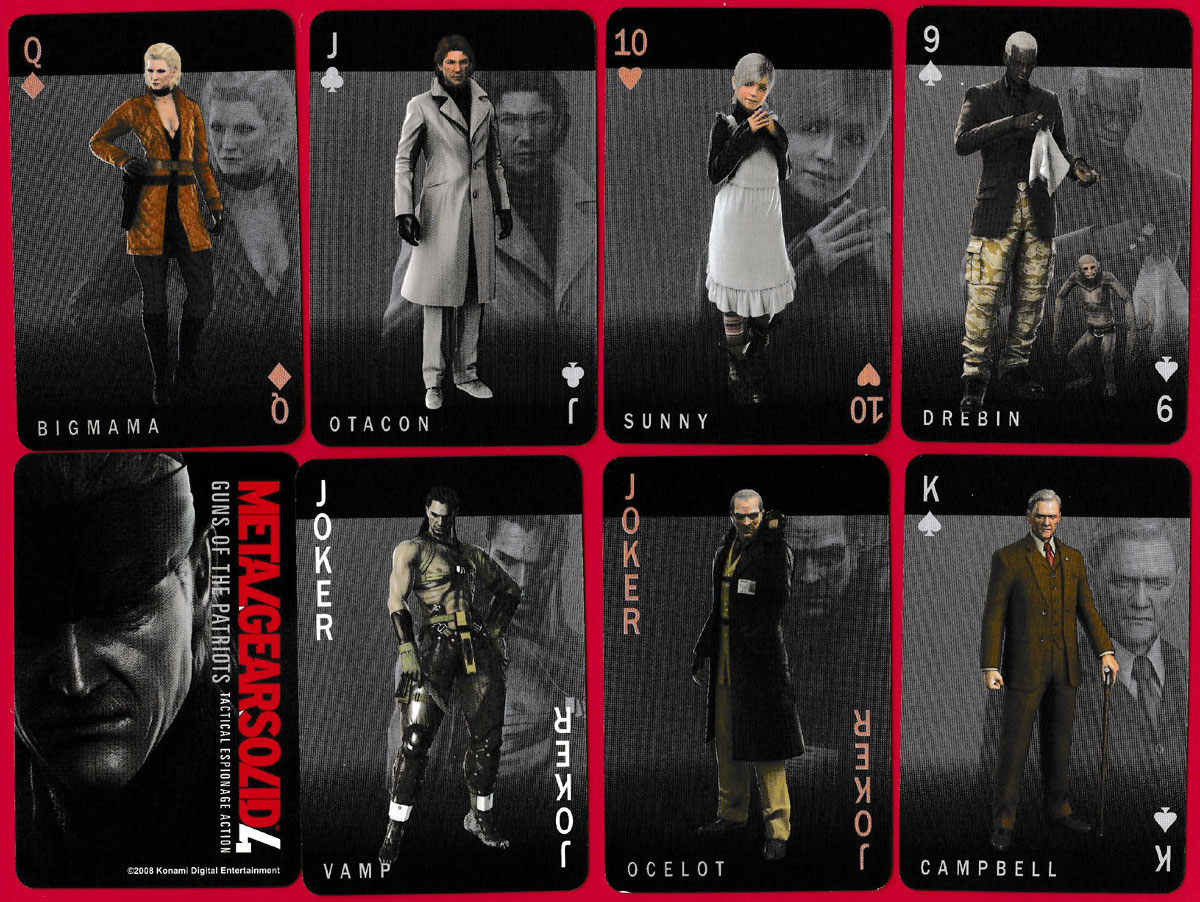
Above: “Metal Gear Solid 4: Guns of the Patriots” playing cards developed by Kojima Productions and published by Konami for the PlayStation 3, Japan, 2008.

By Peter Burnett
United Kingdom • Member since July 27, 2022
I graduated in Russian and East European Studies from Birmingham University in 1969. It was as an undergraduate in Moscow in 1968 that I stumbled upon my first 3 packs of “unusual” playing cards which fired my curiosity and thence my life-long interest. I began researching and collecting cards in the early 1970s, since when I’ve acquired over 3,330 packs of non-standard cards, mainly from North America, UK and Western Europe, and of course from Russia and the former communist countries.
Following my retirement from the Bodleian Library in Dec. 2007 I took up a new role as Head of Library Development at the International Network for the Availability of Scientific Publications (INASP) to support library development in low-income countries. This work necessitated regular training visits to many sub-Saharan African countries and also further afield, to Vietnam, Nepal and Bangladesh – all of which provided rich opportunities to further expand my playing card collection.
Since 2019 I’ve been working part-time in the Bodleian Library where I’ve been cataloguing the bequest of the late Donald Welsh, founder of the English Playing Card Society.

Activity for Metal Gear Solid 4: Guns of the Patriots
Sign in to comment or save this article.

Related Articles
Emoji Playing Card
Emoji suits in a Bicycle pack designed by Randy Butterfield.

Windows Error Playing Cards
Monya’s Windows Error Playing Cards (エラートランプ) turns Windows-style system alerts into a deck of cards...
Docteur Lautrec et les Chevaliers Oubliés
Promotional pack for a video game set in late 19th-century Paris, designed by Noriaki Okamura.
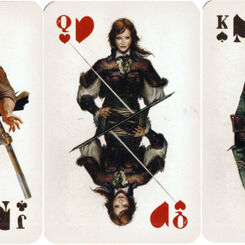
Assassin’s Creed Unity
Characters from the 2014 video game set during the French Revolution, published by Ubisoft.
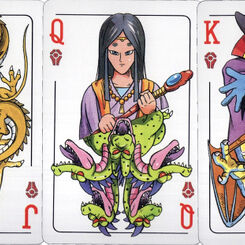
Dragon Quest
Card game based on the Japanese video game series with character illustrations by Akira Toriyama
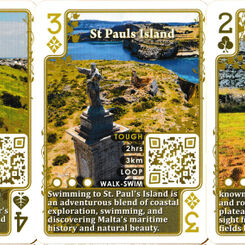
Trek Deck Malta Vol. 1
Innovative pack describing 52 different treks around Malta, Gozo and Comino.
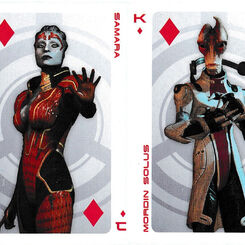
Mass Effect playing cards
Mass Effect playing cards published by Dark Horse Deluxe, USA, 2012.

Back to the 80s Lenormand
History meets pop culture in a 36-card set that pays tribute to Lenormand's legacy and the colourful...

Pixel Tarot
This tarot deck pays tribute to the golden age of pixelated video games, drawing inspiration from th...
CNES playing cards
Fully pictorial pack featuring rockets, satellites, scientists and views from space.
Cyberpunk 2077 Tarot Cards
Polish cartoonist Jakub Rebelka created this set of tarot cards for the Cyberpunk 2077 video game.
IBM Linux One
IBM Linux One playing cards, c.2018.
Final Fantasy VII
Final Fantasy VII is a role-playing video game.
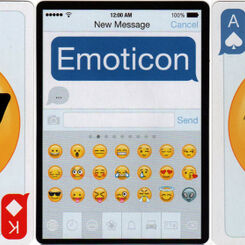
Emoticon
Emoticon playing cards designed by Buy Design Studios, 2016.
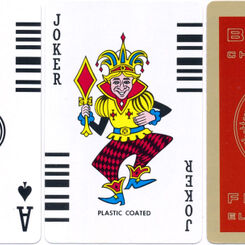
Bridge Challenger®
“Bridge Challenger®” by Fidelity Electronics, 1975 - better living through science.
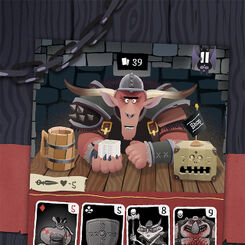
Card Crawl
Card Crawl is a Dungeon Crawler build around a modified deck of standard cards. The basic idea of th...
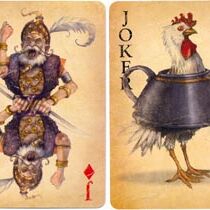
Fable III
“Fable III” playing cards created by Lionhead Studios depicting characters in the role-playing video...

War of Omens
War of Omens is a card game combining deck-builder and collectable-card-game mechanics, featuring fa...
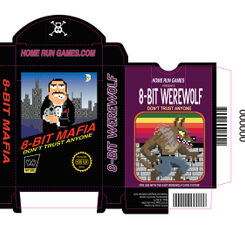
8-Bit Mafia and 8-Bit Werewolf
This pack created by Michael Scott has been inspired by retro 8-bit pixel games from the 80s and 90s...

Compucards Review
Playing cards with binary numbers for the computer generation by Sam Pitroda, 1983.
Most Popular
Our top articles from the past 60 days


