


Playing cards with prints by Sumio Kawakami
Woodblock print designs created by Sumio Kawakami in 1938-9, each card having a different illustration.
Sumio Kawakami (1895-1972) was born in Yokohama. He never received any formal education to be an artist, only becoming recognised as a serious professional artist very late on in his life. Like many young Japanese artists at the time, he was influenced by Western art and culture. In his twenties, he even spent time in Canada and Alaska. When he returned to Japan, he became an English teacher. See the box
These woodblock designs for playing cards date from 1938-9. There is a different theme for each suit: Spades – Chinese; Hearts – European; Diamonds – Near East; Clubs – Japanese. Additionally, the pips are replaced by the appropriate number of fish, animals, birds, insects, flowers, etc. The Joker is a character called “Fukusuke” who is said to bring good luck. The overall result is extremely attractive, in fact highly original if one considers when the designs were created. One wonders whether Costante Costantini might have been familiar with Kawakami’s work when he came up with his woodcut designs in the 1970s and 1980s.
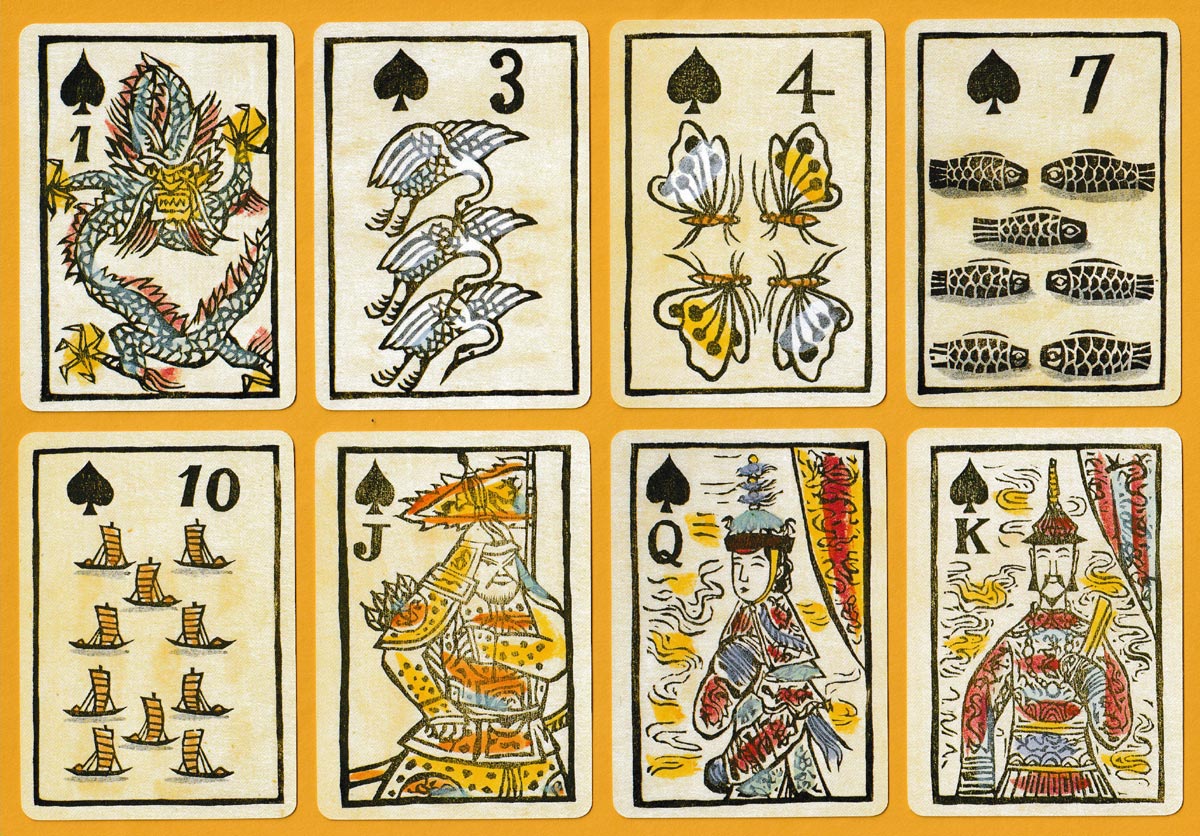
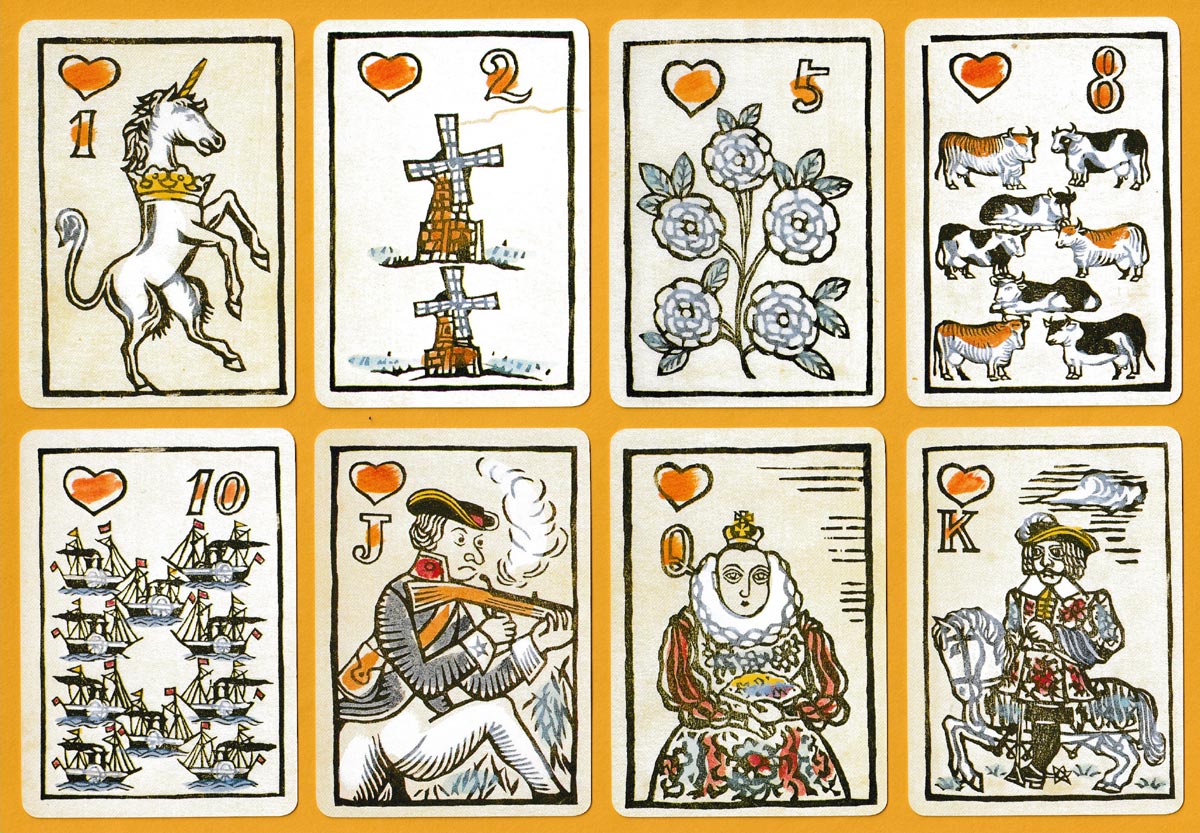
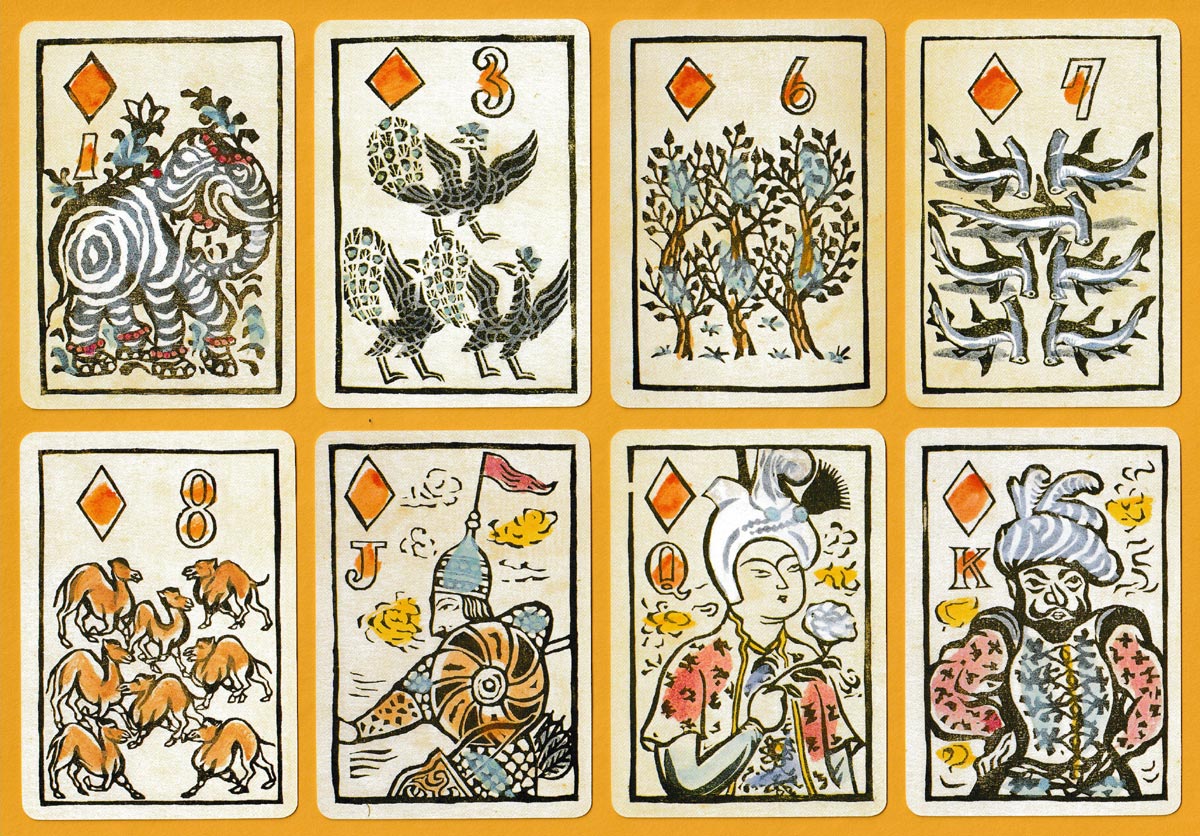
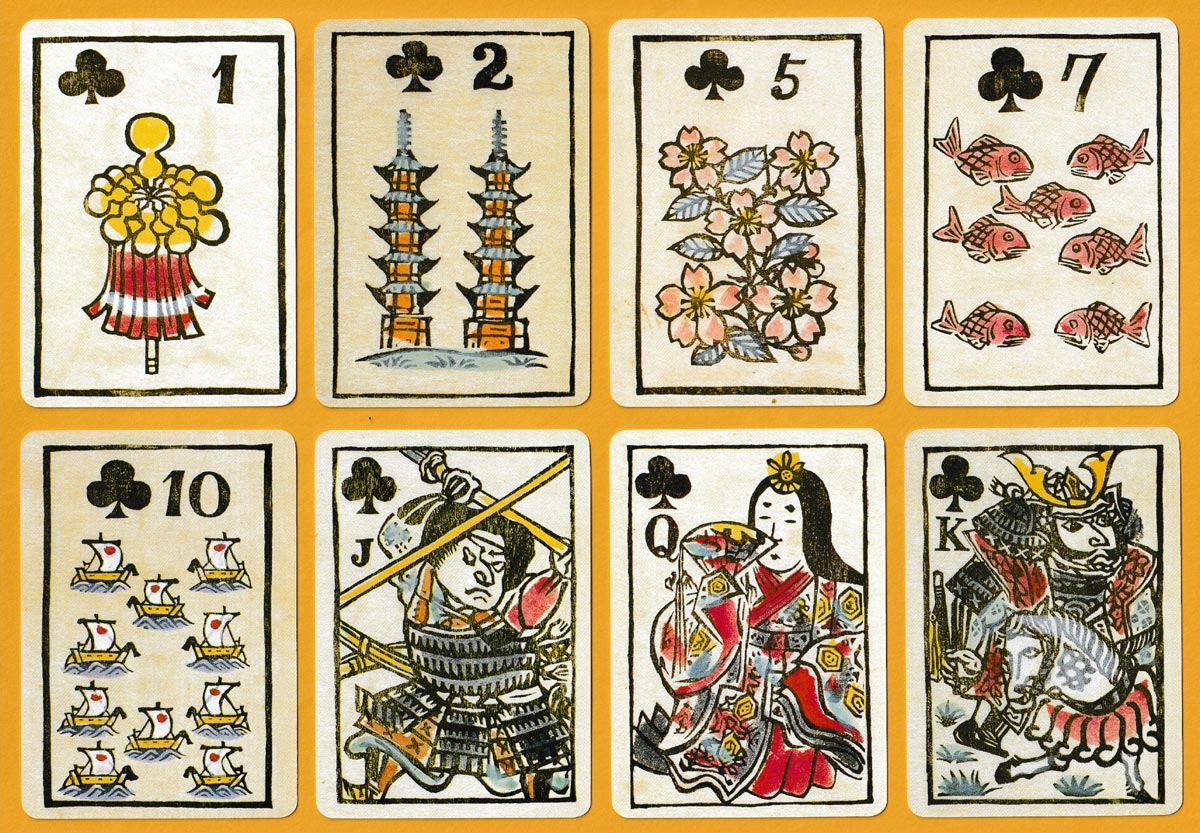
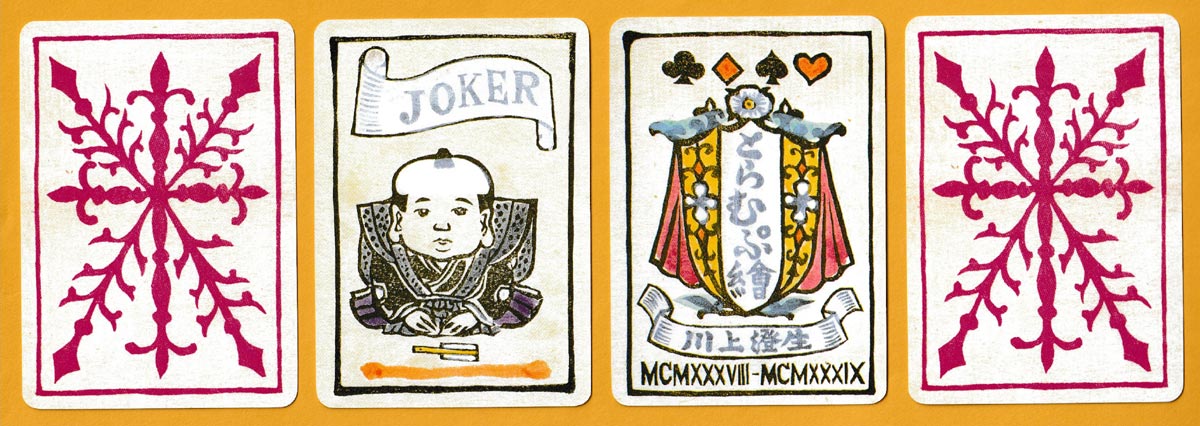
Above: Playing cards with prints by Sumio Kawakami, modern edition published by Okuno Karuta-ten, Tokyo, Japan. Printed by Nintendo. 52 cards + 1 Joker + 1 extra card in white cardboard box. Size: 63 x 89 mm. Date unknown.
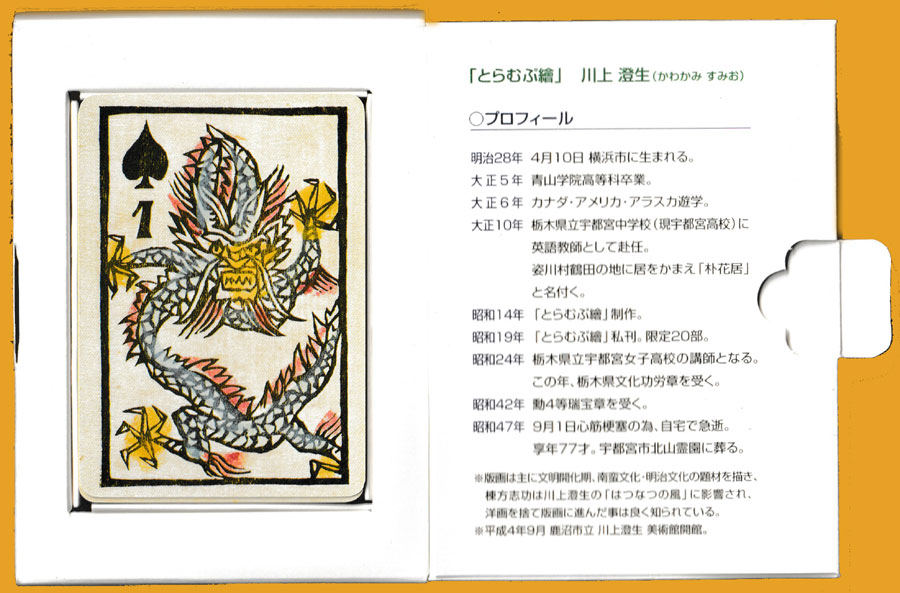
Inside the box is a profile of the artist in Japanese (translation below):
Born on April 10, 1895, in Yokohama.
Graduated from Aoyama Gakuin High School in 1916.
In 1917, travelled to Canada, America, and Alaska.
In 1921, appointed as an English teacher at Tochigi Prefectural Utsunomiya Junior High School (currently Utsunomiya High School).
Moved to the Tsuruta area of Nasu Village and named his residence "Hakukatei."
Created "Torampu-e" in 1939.
Privately published "Torampu-e" in 1944, limited to 20 copies.
Became a lecturer at Tochigi Prefectural Utsunomiya Girls' High School in 1949.
Received the Tochigi Prefecture Cultural Merit Award in the same year.
Received the Order of the Sacred Treasure, 4th Class, in 1967.
Passed away from a heart attack at his home on September 1, 1972, at the age of 77. Buried at Kitayama Cemetery in Utsunomiya City.
His prints mainly depict themes from the early Meiji period, Southern culture, and Meiji culture. His style is influenced by Kawakami Sumio's "Hatsune no Cho." It is well-known that he abandoned Western painting to pursue printmaking.
In September 1992, the Sumio Kawakami Art Museum was opened in Nasunogahara.
This pack is available here: EXOTIC PLAYING CARDS BY SUMIO KAWAKAMI - 2 DECKS►
Kawakami designed a second set of playing cards on the theme of the four seasons, available here: 4 SEASONS, BY SUMIO KAWAKAMI►

By Roddy Somerville
France • Member since May 31, 2022
Roddy started collecting stamps on his 8th birthday. In 1977 he joined the newly formed playing-card department at Stanley Gibbons in London before setting up his own business in Edinburgh four years later. His collecting interests include playing cards, postcards, stamps (especially playing cards on stamps) and sugar wrappers. He is a Past President of the Scottish Philatelic Society, a former Chairman of the IPCS, a Past Master of the Worshipful Company of Makers of Playing Cards and Curator of the WCMPC’s collection of playing cards. He lives near Toulouse in France.

Activity for Playing cards with prints by Sumio Kawakami
Sign in to comment or save this article.

Related Articles
ViVa Bourg
A distinctive deck of cards for a specific promotion.
Sumo Wrestling
Traditional Japanese Sumo Wrestling playing cards with photograph of different wrestler on each card...
Morinaga Hakuho playing cards
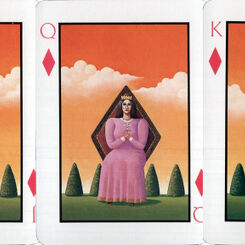
Artistic playing cards attributed to Morinaga Hakuho and printed by Nintendo, c.1985.
Kyoto Souvenir Deck
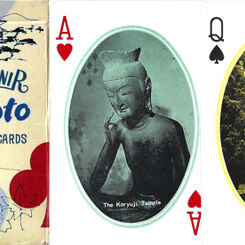
Kyoto Souvenir playing cards by Nintendo aimed at the up and coming tourist industry, 1950s.
Seiko fashion cards
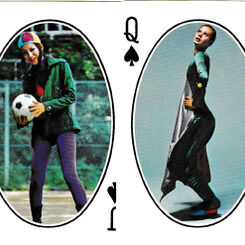
Men's and ladies fashion playing cards published for the Seiko Corporation by Nintendo, Japan, 1971....
Nippon Beer
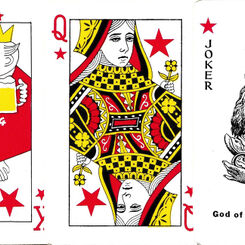
Nippon Beer brewery playing cards published by Nintendo, Japan, 1960s.
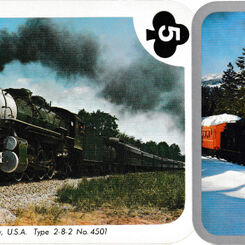
Loco Jumbo playing cards
54 different colour photographs of steam locomotives from around the world.
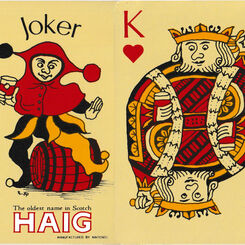
Haig Whisky
Japanese advertising pack for Haig Scotch whisky with modified international courts.
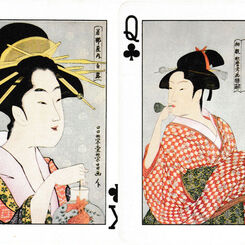
Ukiyo-E (Nintendo)
Classic examples of Ukiyo-E painting.
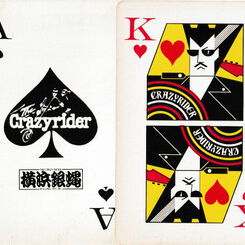
Crazyrider playing cards
Stylised portrayal of rock musicians from the 1980s.
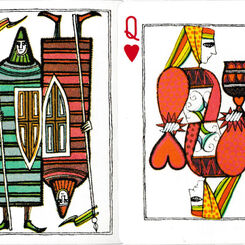
Nintendo deck with Medieval theme
Courts in medieval costume holding both French and Italian/Spanish suit-signs.
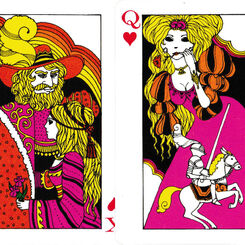
Unimol playing cards
Advertising pack for a pharmaceutical company, with brightly coloured courts.
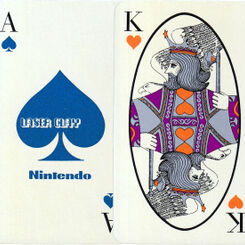
Laser Clay playing cards
Pack promoting the Laser Clay Shooting System created by Nintendo in 1973.
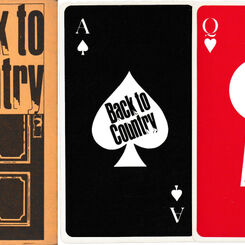
Back to Country
Advertising playing cards for a Japanese fashion house, with reversed colours.
Ainu culture
A terrific deck of cards made by Nintendo c.1979 with original designs on every card showing the Ain...
Akadama Honey Wine by Nintendo
Suntory Akadama Honey Wine playing cards manufactured by Nintendo, Japan, c.1970.
Japanese Kurofuda 黑札
The name means “Black cards”, which is especially true of you look at the suit of batons. The horse...
Akahachi
After Mekuri games such as Unsun Karuta and Tenshô Karuta were banned by the authorities, especially...
Kabufuda
Kabufuda playing cards manufactured by Nintendo, Japan
Hanafuda Flower Cards
Japanese Flower Cards (Hanafuda) made by Nintendo, Japan, 2008.
Most Popular
Our top articles from the past 60 days


