


Baralla Galega
'Baralla Galega' designed by X. Cobas and published by Imprenta Comercial Imprent S.A., La Coruña (Spain) in 1983
Baralla Galega
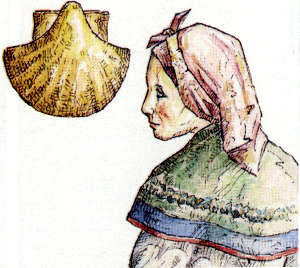
'Baralla Galega' was designed by X. Cobas and published by Imprenta Comercial Imprent S.A., La Coruña (Spain) in 1983. The design of the cards is based on the folk traditions, symbolic objects and regional dress of Galician people in northwest Spain. Galicia is an autonomous region in Spain and has its own official language. A revival of Galician language and culture has been taking place and tourism improves the region's economic outlook. The scallop shell, or concha de vieira in the Galician language, became associated with the pilgrimage to Santiago.
The suit symbols are Scallop Shells, Baskets, the Cross of St. James and Staves. The 'Jacks' are female; Cavaliers or Knights are horse's heads and the Kings are elder men seated on gilded chairs. See also: Baraja Gallega →
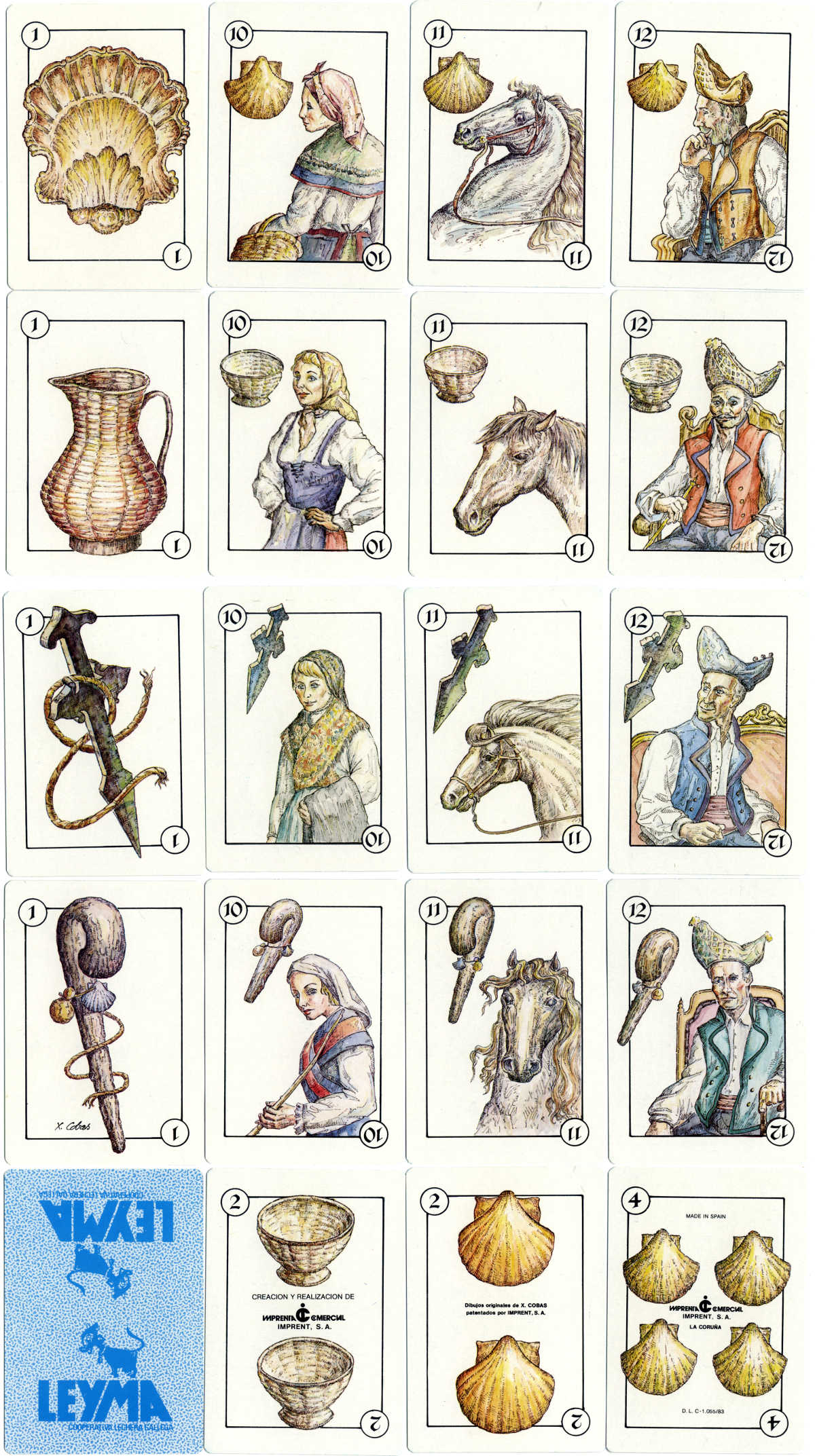
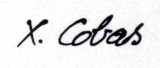
Above: 'Baralla Galega' was designed by X. Cobas, whose signature appears on the Ace of Clubs, and published by Imprenta Comercial Imprent S.A., La Coruña (Spain) in 1983. The reverse has an advertisement for a dairy cooperative. 40 cards in box.

By Simon Wintle
Spain • Member since February 01, 1996
I am the founder of The World of Playing Cards (est. 1996), a website dedicated to the history, artistry and cultural significance of playing cards and tarot. Over the years I have researched various areas of the subject, acquired and traded collections and contributed as a committee member of the IPCS and graphics editor of The Playing-Card journal. Having lived in Chile, England, Wales, and now Spain, these experiences have shaped my work and passion for playing cards. Amongst my achievements is producing a limited-edition replica of a 17th-century English pack using woodblocks and stencils—a labour of love. Today, the World of Playing Cards is a global collaborative project, with my son Adam serving as the technical driving force behind its development. His innovative efforts have helped shape the site into the thriving hub it is today. You are warmly invited to become a contributor and share your enthusiasm.

Activity for Baralla Galega
Sign in to comment or save this article.

Related Articles
Tarot Familiars
Lisa Parker’s Tarot Familiars gives the traditional 78-card tarot a distinctly gothic world of cats,...
Allegories and Myths
Semi-transformation playing cards from artist Violeta Monreal.

Latvian Mythological Cards ~ Latju Mītoloģiskās Kārtis
A loving and well-researched celebration of Latvian mythology and culture based around the four seas...
Sant Jordi playing cards
Catalonia’s patron saint celebrated on cards with non-standard suits designed by Jan Baca and Marta ...
Baraxa Galega
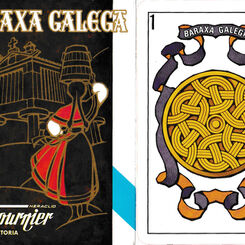
Baraxa Galega designed by F. Perez Llamosas and published by Naipes Heraclio Fournier, 1983.
Baraja del Camino de Santiago
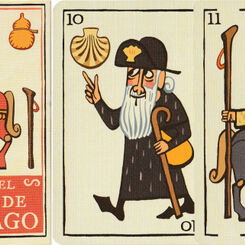
Designs by Guitián, published by Ideas Peregrinas, Santiago de Compostela, Spain, c2018.
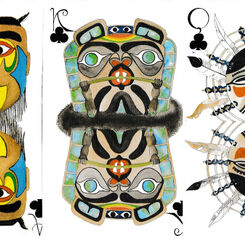
Pacific Northwest native Indian masks
Pacific Northwest native Indian masks with artwork by Margaret Parrott, USA, 1992.
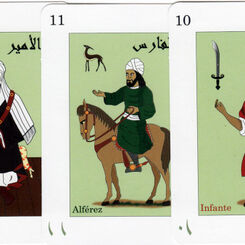
Juego de Naipes Andalusí
Andalusian playing cards designed by Marifé Montoya Carrillo with booklet by Jorge Lirola Delgado, 2...
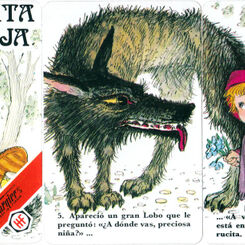
Caperucita Roja
Caperucita Roja card game published by H. Fournier, 1981.
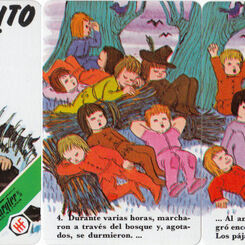
Pulgarcito
Pulgarcito (Tom Thumb) card game published by H Fournier, 1981.
Casais Portugueses
Matching game by Majora, Lisbon, c.1970, featuring figures in national dress from Portuguese provinc...
Naipes Criollos
“Naipes Criollos” Gaucho playing cards, 1995.
Naipes Cardón
Naipes Cardón designed by Mario Luis Rivero depicting traditional Argentine culture and identity, 20...
Folklore No.169
Austrian Folklore deck first published by Piatnik in 1934.

East African Playing Cards
East African Playing Cards by Heraclio Fournier S.A., 1957.
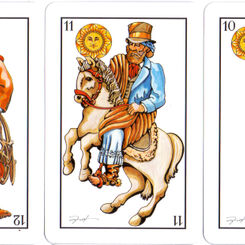
Baraja Gaucha
“Baraja Gaucha” fantasy deck designed by Mateo Tikas Plechas for Argentina, 1998.
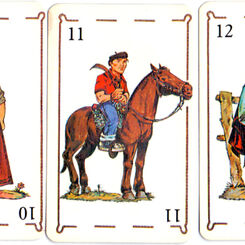
Gaucho Naipes
‘Gaucho’ Spanish-suited deck, anonymous manufacturer, made in Argentina, 2001.
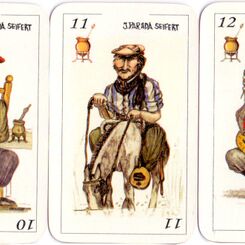
Naipe Criollo Caraí Pujol
‘Naipe Criollo Caraí Pujol’ with Gaucho designs by Julio F. Parada Seifert capturing the spirit of A...
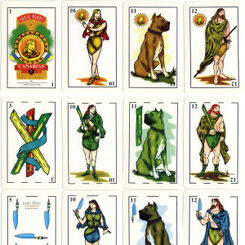
Baraja Canaria
‘La Auténtica Baraja Canaria’ was published in 1995 by Justo Pérez as an expression of the history a...
Baraja Gallega
Baraja Gallega designed by cartoonists and caricaturists Pinto Chinto (David Pintor & Carlos López) ...
Most Popular
Our top articles from the past 60 days


