


Baraja de Amor
Hijos de José Garcia Taboadela was a book-seller who also published this charming pack of lovers' fortune telling cards in 1871.
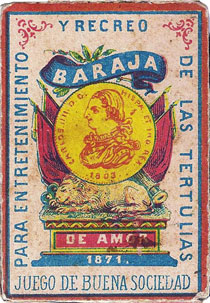
Baraja de Amor, Hijos de Taboadela, 1871
A deck for lovers, titled “Baraja de Amor para Entretenimiento y Recreo de las Tertulias” published by Hijos de José Garcia Taboadela, Calle de Granada No.38, Málaga (Spain), 1871
Hijos de José Garcia Taboadela were book-sellers who also published this charming pack of lovers' fortune telling cards in 1871. The subtitle of the deck, "para entretenimiento y recreo de las tertulias" means "for entertainment and recreation at social gatherings". The ace of coins, also shown on the box (left), is based on that of Fournier Hermanos (Burgos) who had recently commenced manufacturing playing cards. Each card features a Question and Answer relating to matters of the heart in the form of four-line poems, with a Spanish-suited playing card in the centre. 48 cards, size of each card = 68 x 47 mms.
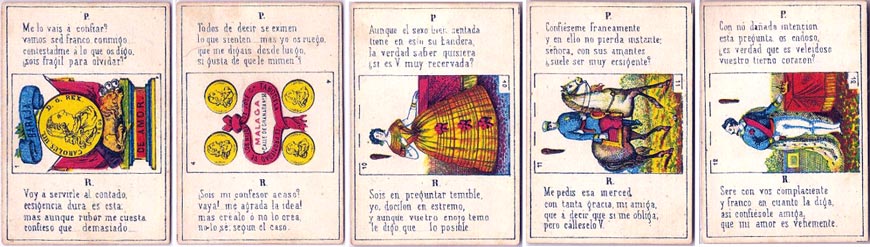
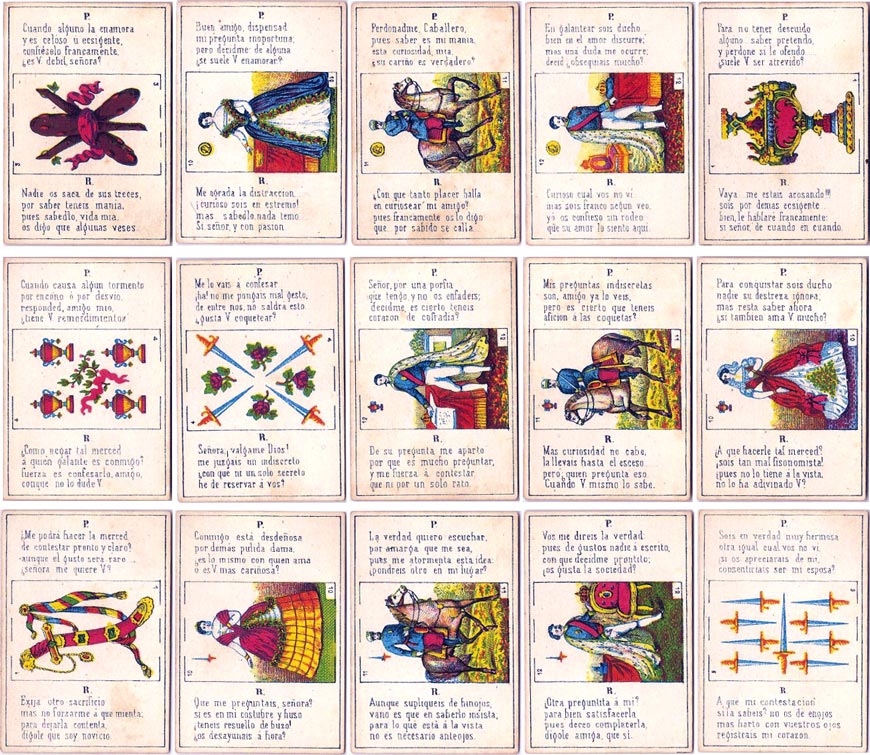
Above: cards from "Baraja de Amor para Entretenimiento y Recreo de las Tertulias" published by Hijos de Taboadela, Calle de Granada No.38, Malaga (Spain), 1871

By Simon Wintle
Spain • Member since February 01, 1996
I am the founder of The World of Playing Cards (est. 1996), a website dedicated to the history, artistry and cultural significance of playing cards and tarot. Over the years I have researched various areas of the subject, acquired and traded collections and contributed as a committee member of the IPCS and graphics editor of The Playing-Card journal. Having lived in Chile, England, Wales, and now Spain, these experiences have shaped my work and passion for playing cards. Amongst my achievements is producing a limited-edition replica of a 17th-century English pack using woodblocks and stencils—a labour of love. Today, the World of Playing Cards is a global collaborative project, with my son Adam serving as the technical driving force behind its development. His innovative efforts have helped shape the site into the thriving hub it is today. You are warmly invited to become a contributor and share your enthusiasm.

Activity for Baraja de Amor
Sign in to comment or save this article.

Related Articles
History of Tarot and Playing Cards: Timeline & Origins
An alternative history of tarot and playing cards – from Mamluk Egypt to the invention of tarot in R...
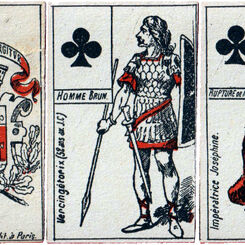
David’s fortune-telling cards
Entertaining and easy-to-use fortune-telling cards published by David, Paris, c.1895.
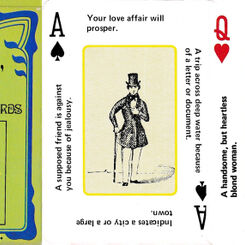
Fate fortune telling cards
Fate fortune telling cards published by Merrimack Publishing Corporation, USA.
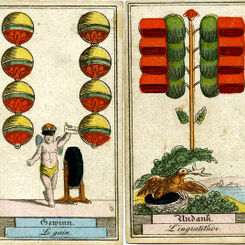
Cartomancy deck by Johann Ernst Backofen
German-suited Cartomancy deck published by Johann Ernst Backofen, Nürnberg.
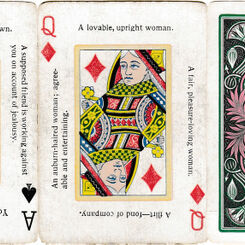
Nile Fortune cards
Nile Fortune cards no.68x published by the United States Playing Card Company, USA, 1904.
Geomancy and playing cards - a match meant to be
Playing cards are made of dualities...
Playing Cards and Calendars
In this video Ana Cortez examines the relationship between ordinary playing cards and the calendar. ...
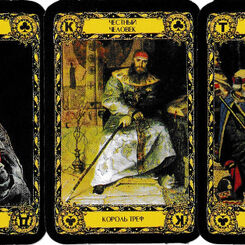
Karty Lyubvi
Karty lyubvi Slavyanskie (Slavonic love cards) and Karty lyubvi Starinnye (Ancient love cards).
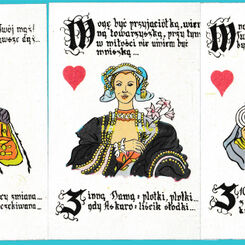
Polish fortune-telling cards
Fortune-telling pack with divinatory rhymes in Polish, c.1985.
Cartomancy, Oracle and Divination Cards
Playing cards are used for fortune-telling - turning another card illumines the moment and a new per...
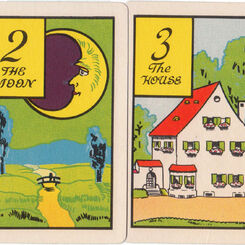
Fortune Telling
Fortune Telling cards by Whitman Publishing Co., 1940.
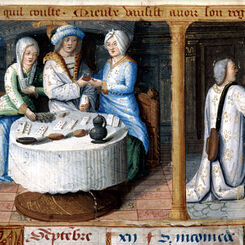
Gambling and Vice in the Middle Ages
Gambling and Vice in the Hours of Charles V: card-playing in the local tavern
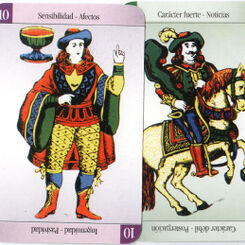
El Oráculo de la Bruja
“El Oráculo de la Bruja” fortune-telling cards, 2003.
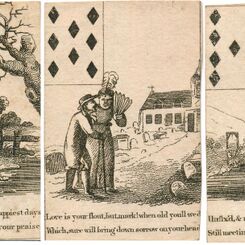
Georgian Fortune Telling Cards
Georgian Fortune Telling Cards, c.1800.
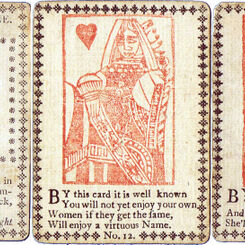
Fortune Telling playing cards
English Fortune Telling cards probably published c.1770.
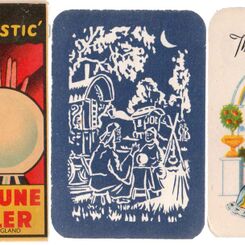
The ‘Mystic’
The ‘Mystic’ Fortune Teller card game by Clifford Toys.
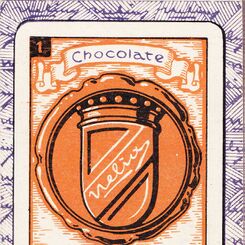
Baraja Cartomántica Chocolates Nelia
Some examples of playing cards made in Catalonia from the collection of Iris Mundus, Barcelona.

Chinese Fortune Telling Cards
Fortune Telling Cards - wondrous scientific divination poker cards.
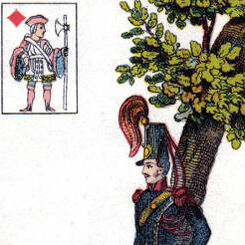
Livre du Destin
Livre du Destin or Book of Fate, printed by B.P.Grimaud, Paris, c.1900.
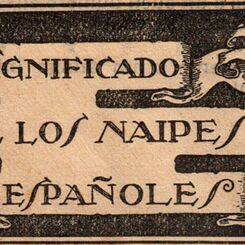
Significado de los Naipes Españoles
Cartomantic meanings of Spanish playing cards by Benita the Witch (XVI century), published by Chocol...
Most Popular
Our top articles from the past 60 days


