Rider-Waite Tarot
The Rider Waite Tarot was created at the beginning of the 20th century by Arthur Edward Waite and Pamela Colman Smith.
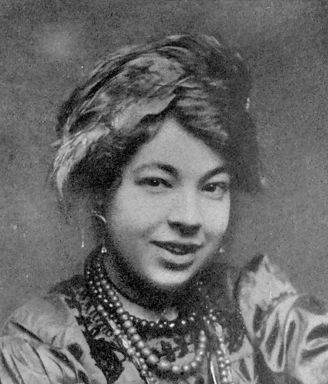
Above: Pamela Colman-Smith (1878 – 1951), who designed the Rider-Waite Tarot for A. E. Waite.
♥ see: Wikipedia →
The Rider Waite Tarot was created at the beginning of the 20th century by Arthur Edward Waite (2 October 1857 – 19 May 1942) and Pamela Colman Smith (16 February 1878 – 18 September 1951) which would transform the concept of tarot decks. Both Waite and Colman Smith were members of the Hermetic Order of the Golden Dawn, a magical and occult society that existed at the end of the 19th and the beginning of the 20th century. When Waite decided to make his own revised version of the tarot, with rectified symbolism, he commissioned Pamela Colman Smith to make the designs.
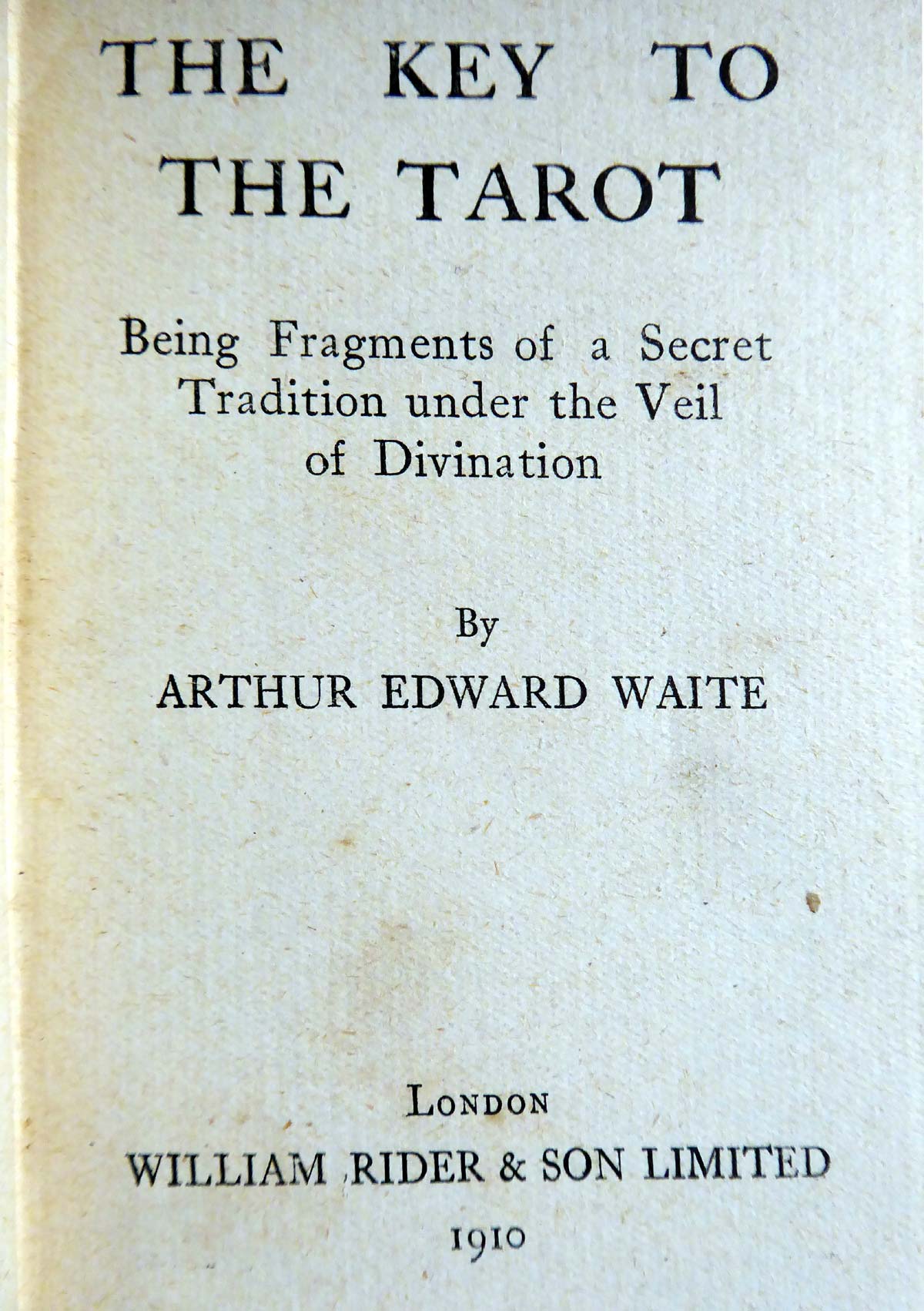
The deck was first published by William Rider & Sons Limited, 164 Aldergate Street, London E.C. in December 1909. The accompanying book by Waite was called “The Key to the Tarot”. This book explained the meaning of the cards. Later an illustrated book “The Pictorial Key to the Tarot” was published, using the line drawings of the Rider Waite Tarot. The Rider Waite Tarot is different from the tarots published before in the fact that it is the first tarot with illustrated minors. The imagery on two of the major cards deviates from the standard tarot images (The Lovers and The Sun) and the sequence of the majors has been altered from the standard Marseille pattern by switching Justice and Strength.
The Waite-Smith tarot grew out of the late Victorian era with its interest in esoteric and occult matters. Waite had been involved in the Order of the Golden Dawn since 1891 which became a major part of his life and work. Pamela Colman Smith drew inspiration for the minors from the Sola-Busca Tarot, as well as the paintings of John William Waterhouse (1849-1917). Her own art style is heavily influenced by the Japanese art of that time. Another art feature that is clearly visible in the cards is her experience as a theatre designer. Neither of the authors would ever know that their tarot pack would completely change the concept of tarot.
The Rider Waite Tarot was printed by chromolithography. The original plates were destroyed in World War II. So far, none of the original artwork has ever been found.
The First Edition, 1909
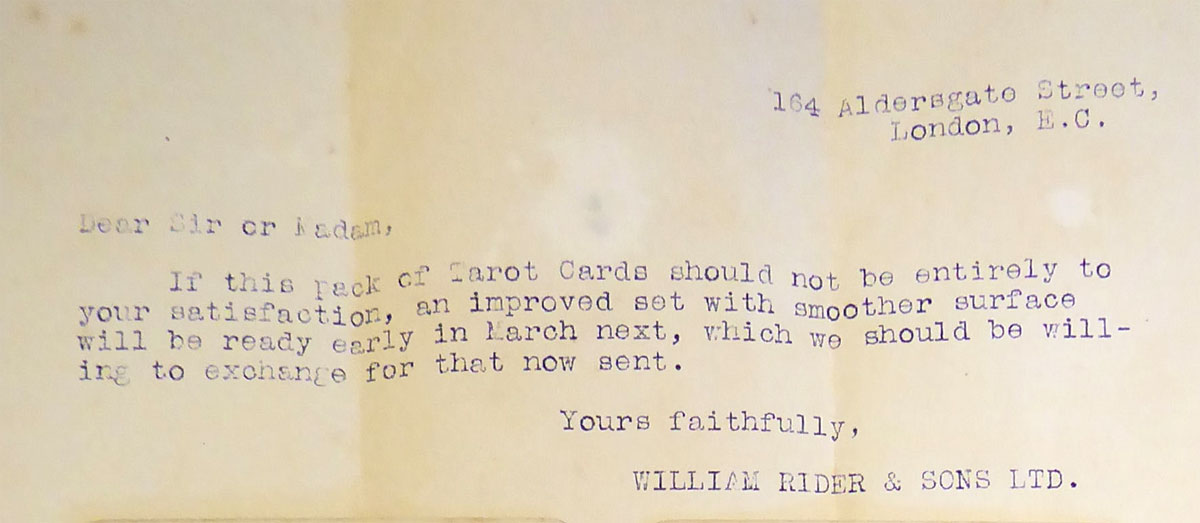
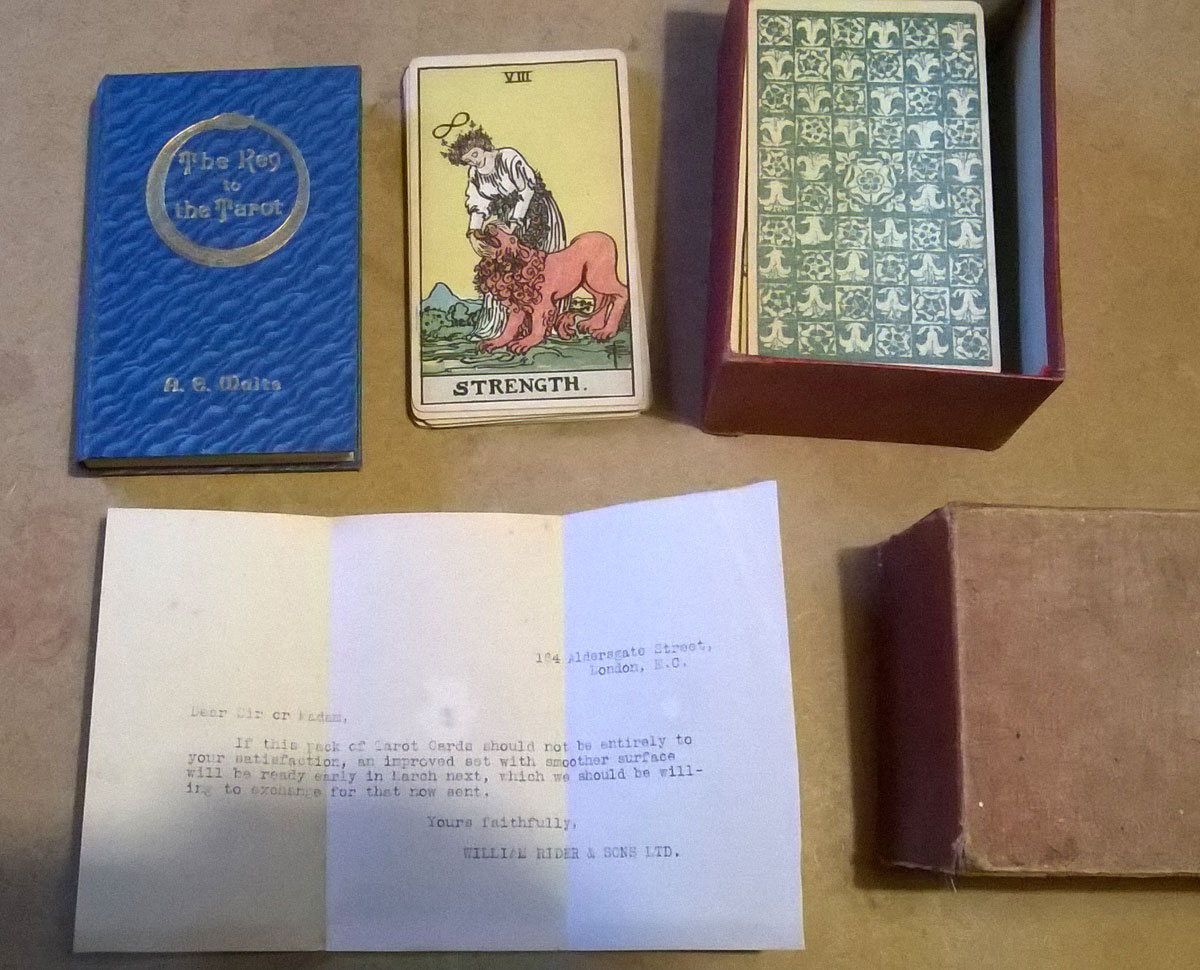
The first edition of the Rider Waite Tarot was issued from December 1909 till April 1910 with a ‘Roses & Lilies’ back design. It was sold in a maroon two-piece cardboard box accompanied by the book “The Key to the Tarot” by Arthur E. Waite published by William Rider & Son Ltd, London. There are 5 known copies of this version. The reason for the short time of publication was that there were problems with the cardstock, so it was replaced by a newer cardstock. William Rider & Son even offered customers a free upgrade to the second edition►
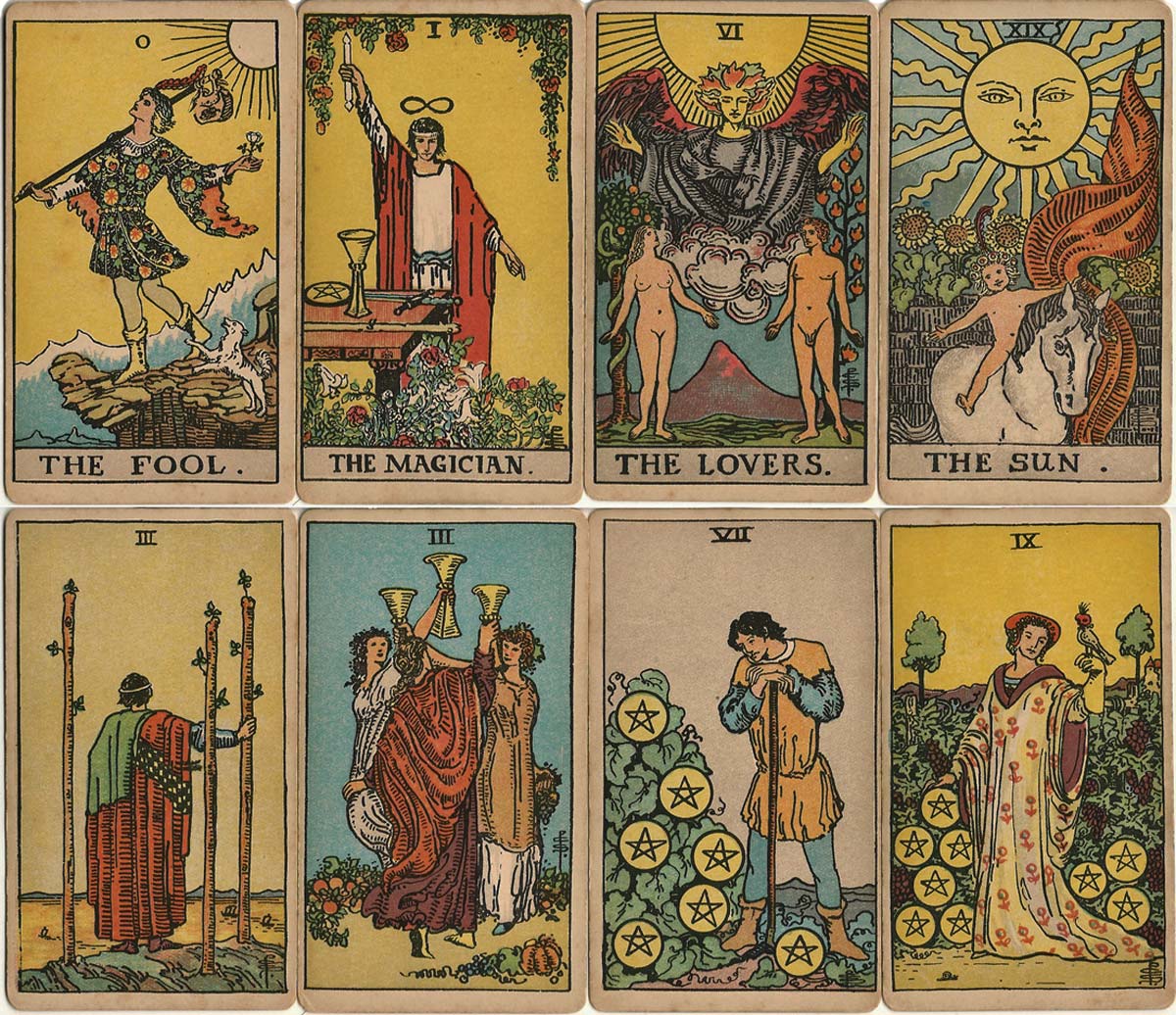
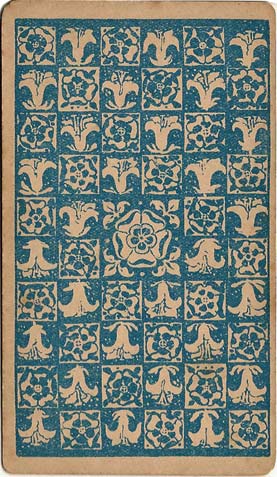
Above: cards from the 1st edition of the Rider-Waite tarot designed by Pamela Colman Smith and first published by William Rider & Son Limited in December 1909. The date of the accompanying book “The Key to the Tarot” by Arthur E. Waite is 1910, publisher William Rider & Son Ltd, London. There is no printer mentioned in the book but the cards were printed by Spraque and Co. The cover of the book is blue, with the title in an Ouroboros embossed on the front and also in gold on the spine. The ‘Pam Roses&Lilies’ is the only pack that has a blue Roses & Lilies design on the back, otherwise it is identical in line art to the next edition. But the images are not always properly aligned on the cards or sometimes too big. The thickness of the pack is 38-40mm and the weight is 255 grams.
Right: ‘Roses & Lilies’ back design from the first edition, 1909 →
Later editions
There are 5 early versions known of the Rider Waite tarot. These packs date from 1909 till approx 1940 more →

REFERENCES
Jensen, K. Frank: The Early Waite-Smith Tarot Editions, The Playing-Card vol.34 no.1, IPCS, London, July-Sept 2005.
Jensen, K. Frank: The Story of the Waite-Smith Tarot, published by the Association for Tarot Studies.
See also: Article in Mary K. Greer's Tarot Blog►

By Saskia Jansen
Member since October 25, 2022 • Contact

Leave a Reply

Your Name
Just now Your comment here. Your comment here. Your comment here. Your comment here. Your comment here. Your comment here. Your comment here. Your comment here. Your comment here. Your comment here. Your comment here. Your comment here. Your comment here. Your comment here. Your comment here. Your comment here. Your comment here. Your comment here. Your comment here. Your comment here. Your comment here. Your comment here. Your comment here. Your comment here. Your comment here. Your comment here. Your comment here. Your comment here. Your comment here. Your comment here. Your comment here. Your comment here.
Related Articles
X'Mas Elf Tarot
Deckstiny’s X’Mas Elf Tarot is a Christmas-themed Rider-Waite-Smith tarot deck from Thailand, illust...

Crowley Thoth Review
An intriguing study of Aleister Crowley's Thoth Tarot¹, painted by Lady Frieda Harris during WW2.
Albano-Waite® Tarot
Recoloured version of the Rider/Waite/Smith tarot produced by Frankie Albano, 1968.
Morgan-Greer Tarot
Based on the knowledge, wisdom and interpretation of Paul Foster Case and Arthur Edward Waite.
De Tarot in de herstelde orde
“De Tarot in de herstelde orde” (The Tarot in the restored order) a re-ordered Rider-Waite tarot dec...
English (or Rigel) Tarot Cards
‘Authentic English fortune telling’ Tarot cards said to be based on a 15th century original found in...
Alien Arcana Tarot
A series of three tarot decks inspired by the Alien film franchise, created by Roy Huteson St...

Hip Hop Tarot
Hip Hop Tarot designed by Ben Gore and produced by Blue Monday Press brings a rap twist to a deck of...
Rolla Nordic Tarot
Rolla Nordic Tarot was drawn by Paul Mathison.
Nine Lives Tarot
Nine Lives Tarot by Annette Abolins represents the artist’s creative and spiritual perspective on li...
Oliver Mundy tarot
Original Tarot designs in Italian Renaissance style by Oliver Mundy.
OCCO Game of Tarot
Scott Hill has been working on a tarot pack which can also be used to play card games, the pack has ...
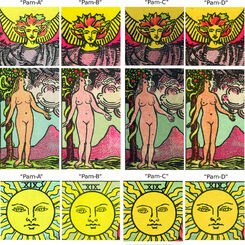
Rider Waite Tarot - details compared
After the first edition of the Rider-Waite tarot in 1909 four further editions were published till a...
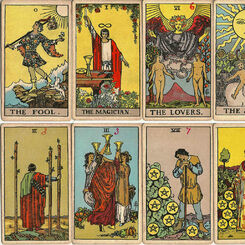
Rider Waite Tarot early editions
Rider Waite Tarot early editions
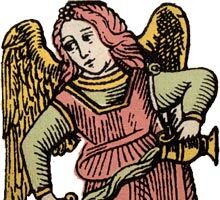
Insight Institute Tarot
During the late 1940s and 1950s The Insight Institute, of New Malden in Surrey, ran correspondence c...
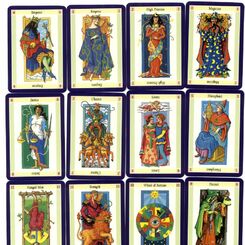
Russell Grant tarot
Russell Grant astro-tarot with optimistic and motivational illustrations by Kay Smith.
Ramses II tarot
Ramses II Tarot deck was published c.1975 in conjunction with a Peruvian occult or esoteric magazine...
The Llewellyn Tarot - Welsh tarot cards
The Llewellyn Tarot - Welsh tarot cards
Thomson-Leng Tarot
The Thomson-Leng Tarot Cards were issued by the publishers of women's magazines during the 1930s. Th...
English Tarot Cards
The game of tarot was not widely accepted in England until the 1870s when a number of English occult...
Most Popular
Our top articles from the past 60 days