

Playing Cards in El Salvador
Cards were first imported to Central America from Spain, although local production has always existed. Today El Salvador has some local production of playing cards, which are often of rudimentary quality.
El Salvador was named in 1524 by it's Spanish conqueror, Pedro de Alvardo, after the Holy Saviour. It's people are chiefly of mixed Spanish and Indian blood and speak Spanish. With the neighbouring Spanish-American colonies El Salvador freed itself from Spanish rule in 1821, and with the states of Guatemala, Costa Rica, Honduras and Nicaragua formed the Central American Federation. The Federation was dissolved in 1839 when El Salvador became an independent republic.

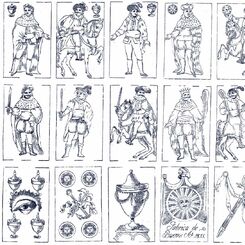
Above: Spanish playing cards exported to new Spanish colonies from c.1520 onwards. Cards like these would have been in use in El Salvador for the first 300 years or so after the first Spanish settlers arrived.
"El problema es que no se hacen muchas barajas aqui. Practicamente las unicas que se encuentran son las importadas porque son las que prefieren la gente de aqui. Son de mejor calidad, plastificadas etc. Como las de aqui son muy inferiores en este aspecto pues la gente no las compran y son escasas y solo se encuentra en alguna que otra tiendecita por ahi en el centro"
Cards were first imported to Central America from Spain, although local production has always existed. Today El Salvador has some local production of playing cards, which are often of rudimentary quality. Copies of Fournier's 'Castilian' design, as well as redrawings of the 19th century Cádiz pattern, can be found. Brands include Naipes HISPASA, Naipes El BORREGO and Naipes CISNE.
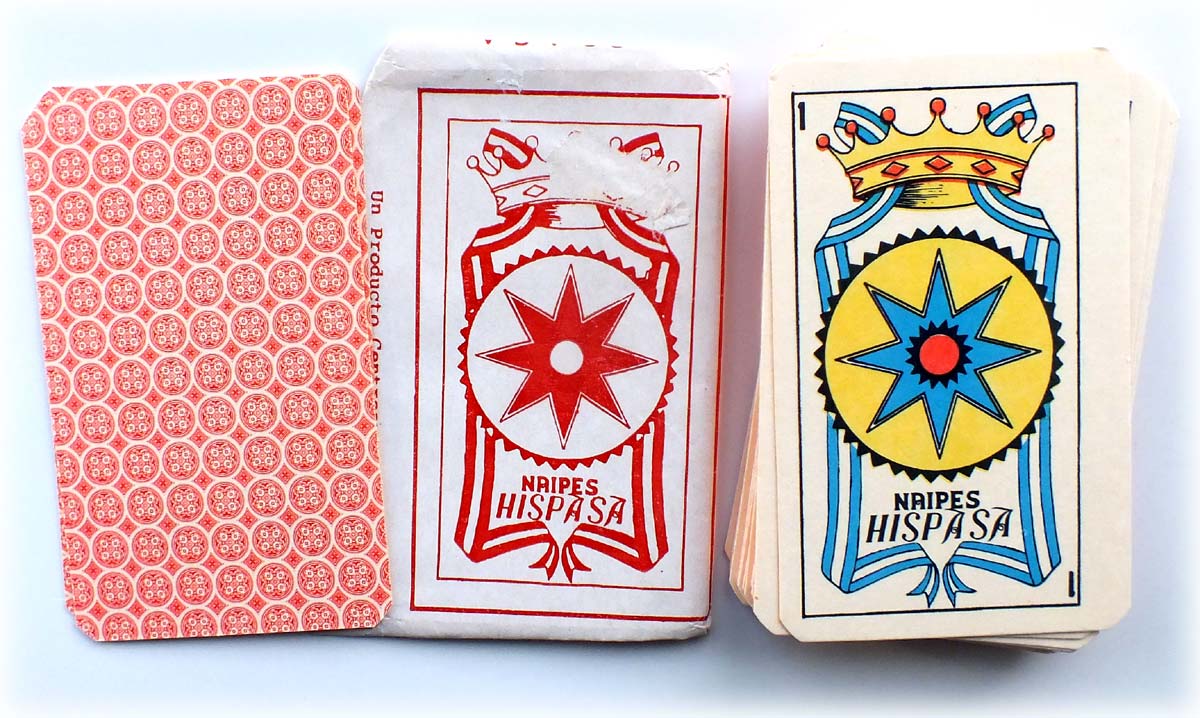
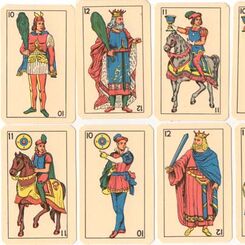
Above: Naipes Hispasa manufactured in El Salvador by Cartotecnica Centroamericana, S.A. see more →
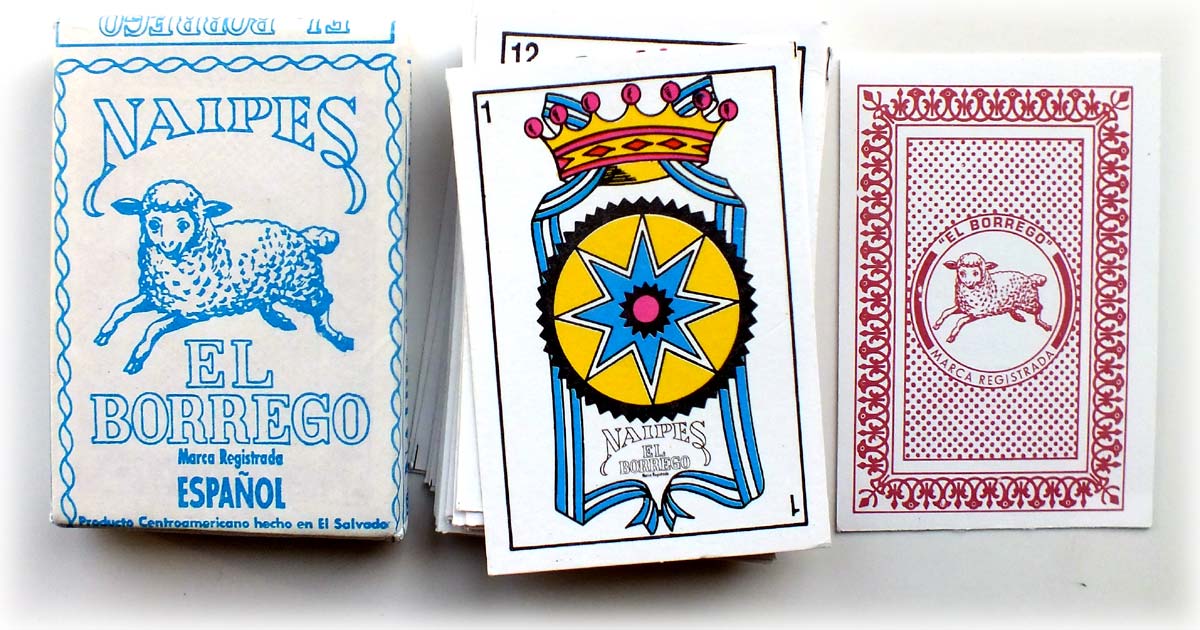
Above: Naipes El Borrego manufactured in El Salvador see more →
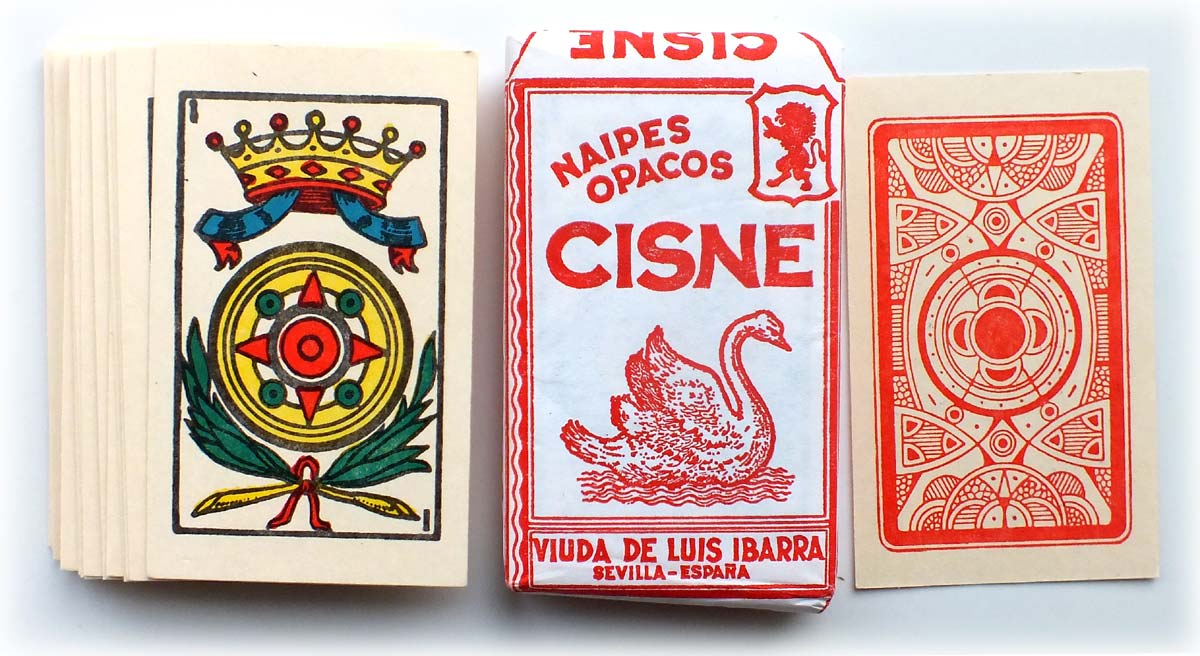
Above: Naipes Cisne manufactured in El Salvador by a local printer imitating Spanish cards see more →

By Simon Wintle
Spain • Member since February 01, 1996 • Contact
I am the founder of The World of Playing Cards (est. 1996), a website dedicated to the history, artistry and cultural significance of playing cards and tarot. Over the years I have researched various areas of the subject, acquired and traded collections and contributed as a committee member of the IPCS and graphics editor of The Playing-Card journal. Having lived in Chile, England, Wales, and now Spain, these experiences have shaped my work and passion for playing cards. Amongst my achievements is producing a limited-edition replica of a 17th-century English pack using woodblocks and stencils—a labour of love. Today, the World of Playing Cards is a global collaborative project, with my son Adam serving as the technical driving force behind its development. His innovative efforts have helped shape the site into the thriving hub it is today. You are warmly invited to become a contributor and share your enthusiasm.

Leave a Reply

Your Name
Just now Your comment here. Your comment here. Your comment here. Your comment here. Your comment here. Your comment here. Your comment here. Your comment here. Your comment here. Your comment here. Your comment here. Your comment here. Your comment here. Your comment here. Your comment here. Your comment here. Your comment here. Your comment here. Your comment here. Your comment here. Your comment here. Your comment here. Your comment here. Your comment here. Your comment here. Your comment here. Your comment here. Your comment here. Your comment here. Your comment here. Your comment here. Your comment here.
Related Articles
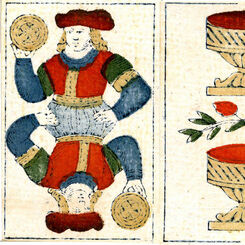
Clemente Roxas double-ended Spanish pack
Double-ended Spanish-suited playing cards published by Clemente de Roxas in Madrid, 1814.
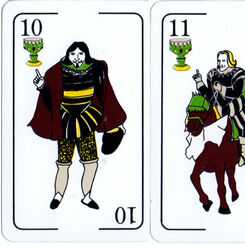
Kem ‘Spanish’ playing cards
Kem ‘Spanish’ playing cards appear to depict Spanish conquistadors © 1994.
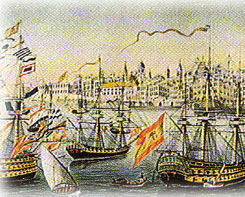
Cádiz Pattern playing cards
A popular Spanish playing card pattern widely exported to Spanish-influenced markets.
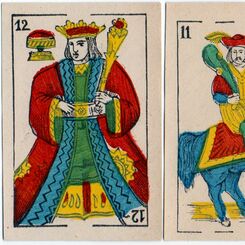
Anon Spanish Cards c.1875
Spanish-suited playing cards made in Belgium by Mesmaekers Frères, c.1875.
Playing Cards in Cuba
During the colonial years and afterwards, Spanish-suited packs were imported into Cuba.
Sanmartí, 1840
Sanmartí, 1840.
Spanish Cards c.1920
Spanish-suited Playing Cards manufactured by Van Genechten, c.1920.

Taller 4
Spanish-suited playing cards by TALLER 4, Buenos Aires, Argentina, c.2000.

Joker S.A.
Playing cards manufactured by Joker S.A.
Spanish Playing Cards ~ La Baraja Española
Spain has played a pivotal role in the history of playing cards in Europe and Latin America.

Naipe Español "VICTORIA ® by F. X. Schmid (Argentina) S.A.
Naipe Español "VICTORIA ® by F. X. Schmid (Argentina) S.A.
Quercia y Possi, Buenos Aires 1815-16
José Maria Quercia y Possi was an Italian immigrant who joined the Chilean Independence army. He se...
Swiss Spanish-Suited Cards, c.1875
Spanish-suited playing cards manufactured by J. Müller for export to Latin American countries, c.187...
Playing Cards in Honduras
Honduras shares a long tradition with Spain in the field of playing cards.
Naipes ‘El Borrego’
Naipes ‘El Borrego’ Spanish-suited playing cards manufactured in El Salvador, c.2002
Naipes Hispasa
Naipes ‘Hispasa’, produced in El Salvador by Cartotecnica Centroamericana, S.A., c.2002

Naipes Cisne
Although the wrapper gives the manufacturer's address in Sevilla, Spain, the cards were most likely ...
Naipes Vencedor
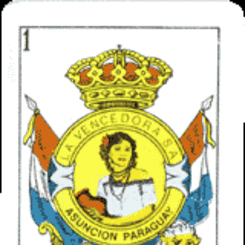
Naipes Vencedor, manufactured in Paraguay by La Vencedora S.A, c.1985
Peruvian Playing Cards
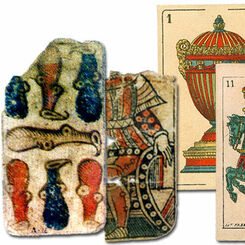
Playing cards have been travelling from Spain to South American colonies ever since Christopher Colu...
Most Popular
Our top articles from the past 60 days


