

Éditions Philibert
Éditions Philibert published an outstanding series of exotic, artistic playing cards in Paris from 1954 to 1960
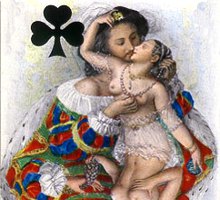
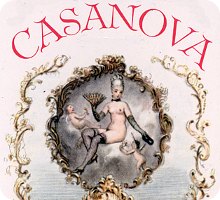
Éditions Philibert, Paris, 1954-1960
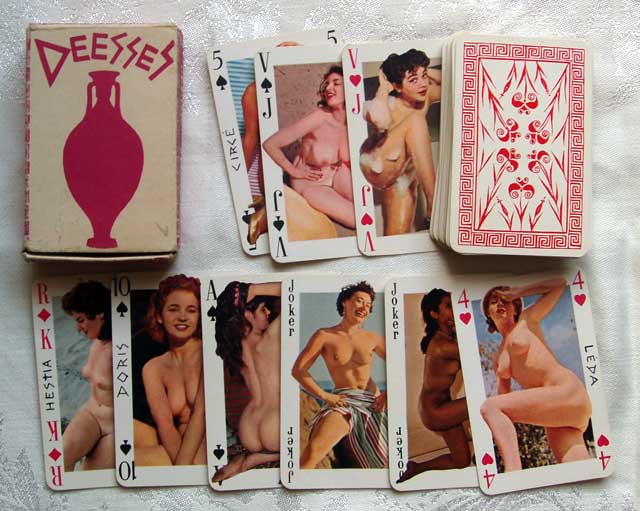
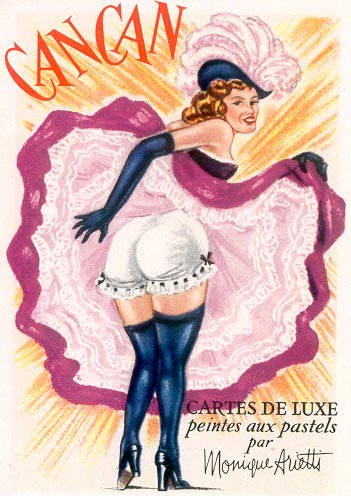
After World War II the floodgates for imaginative card-making opened (once again). Éditions Philibert published an outstanding luxury series of artistic and sometimes risqué playing cards in Paris from 1954 to 1960, including: Les Mousquetaires, St Hubert's Bridge, Corsaires et Flibustiers, Proverbes, Pierres Precieuses, Paris Scenes, Sirenes, Veronique, Déesses, Can-Can, Le Florentin and Mémoires de Casanova. Cards were produced to a high standard of quality with gilded edges. Many of the decks involve photographs of life models or scenic views; others depict paintings with different scenes at each end.

Designers include Albert Dubout, Eugène Lelièpvre, Gabriel Garachon, Pierre Albarran and Paul-Émile Bécat who produced the artwork, photography or paintings that make these decks so extraordinary, elevating the status of playing cards to minor works of art. In the case of the cards designed by Bécat, their luxurious sensuality and tender intimacy have rarely been surpassed in any other playing cards. The decks were finely printed by Draeger Frères.
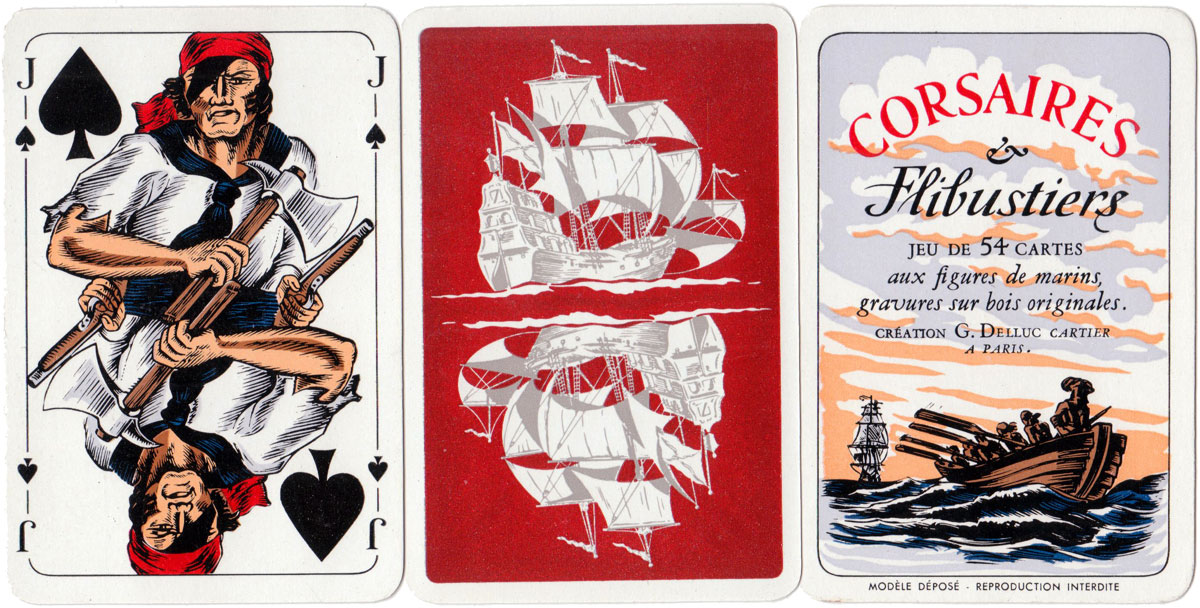
Above: “Corsaires et Flibustiers”, 1958 see more →
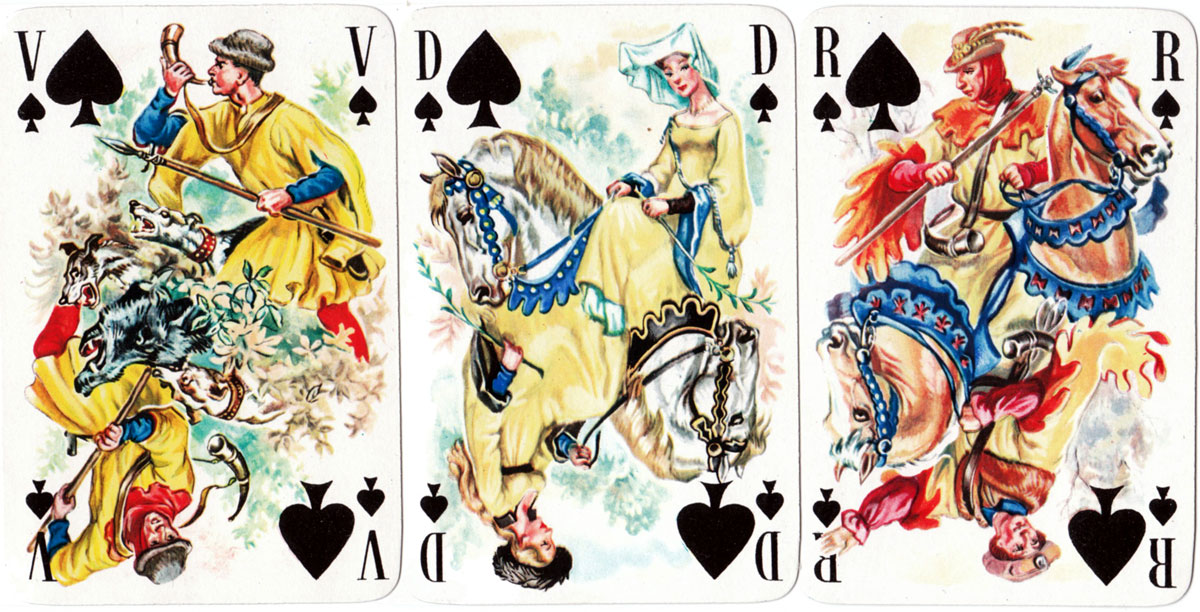
Above: “St Hubert’s Bridge”, c.1956 see more →
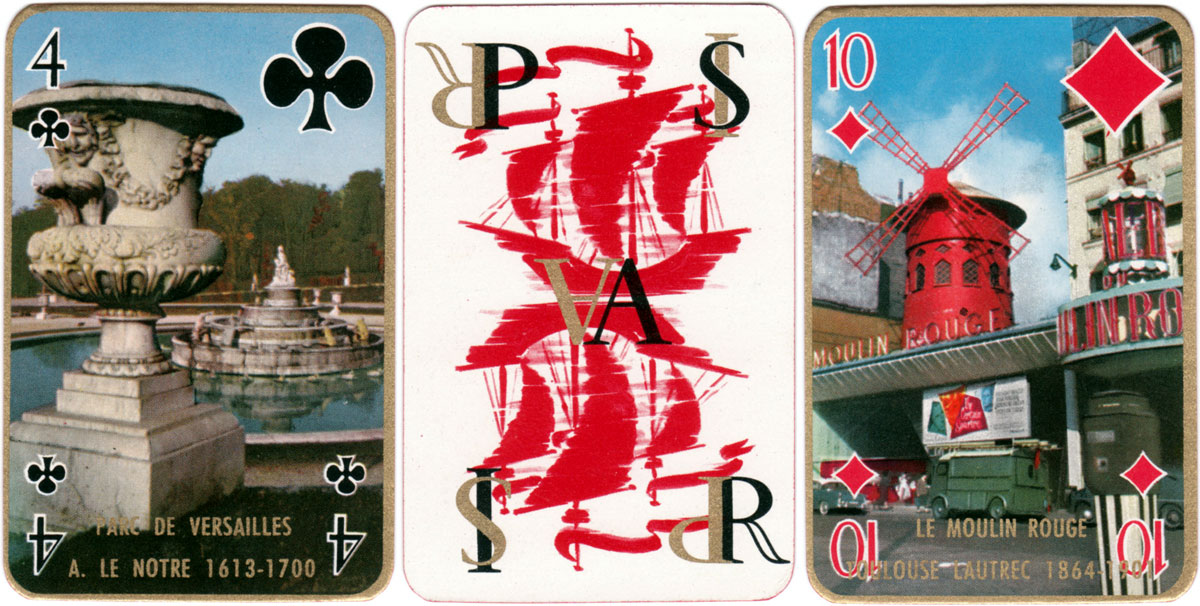
Above: Paris Scenes, 1957 see more →
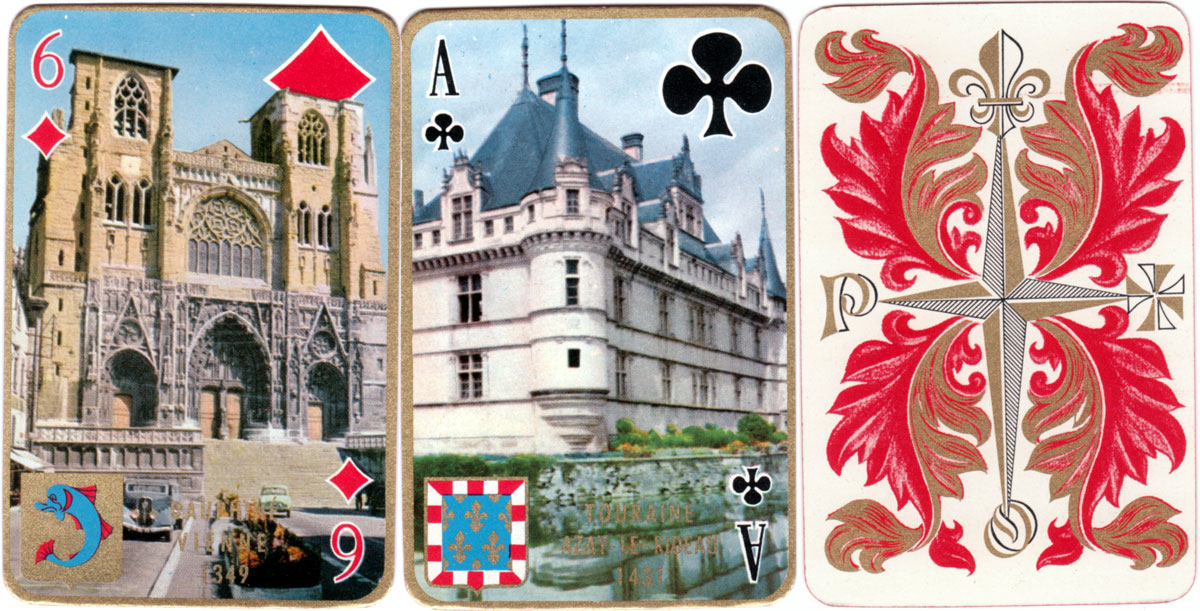
Above: “France Souvenir” 1957.
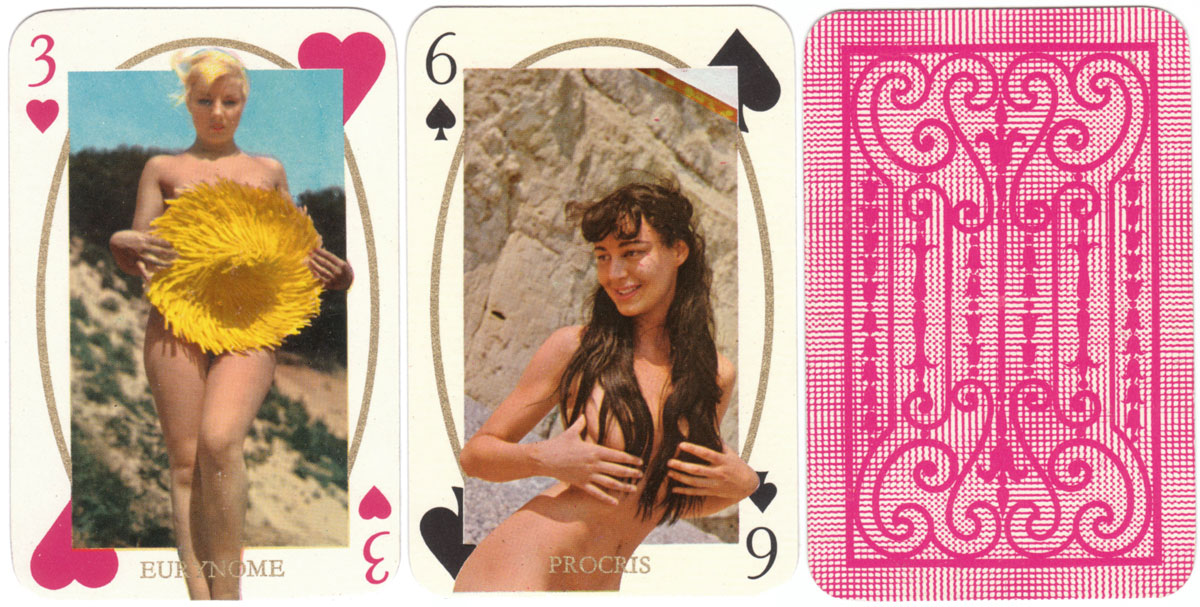
Above: “Déesses I” Mythological Story, 1960.
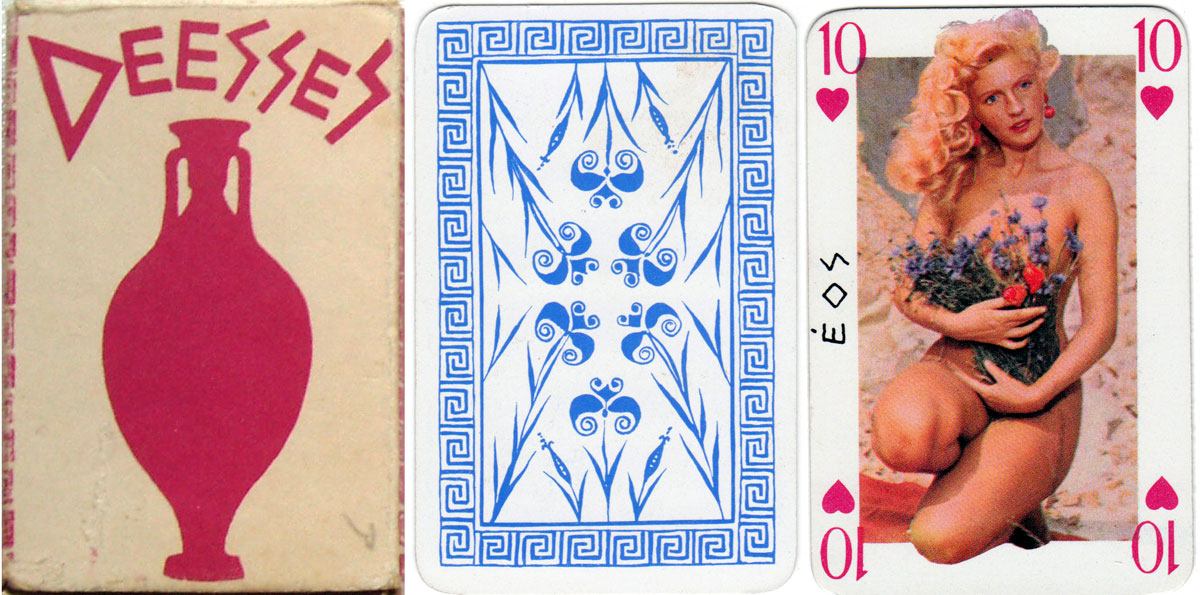
Above: “Déesses II” Mythological Story, 1960.
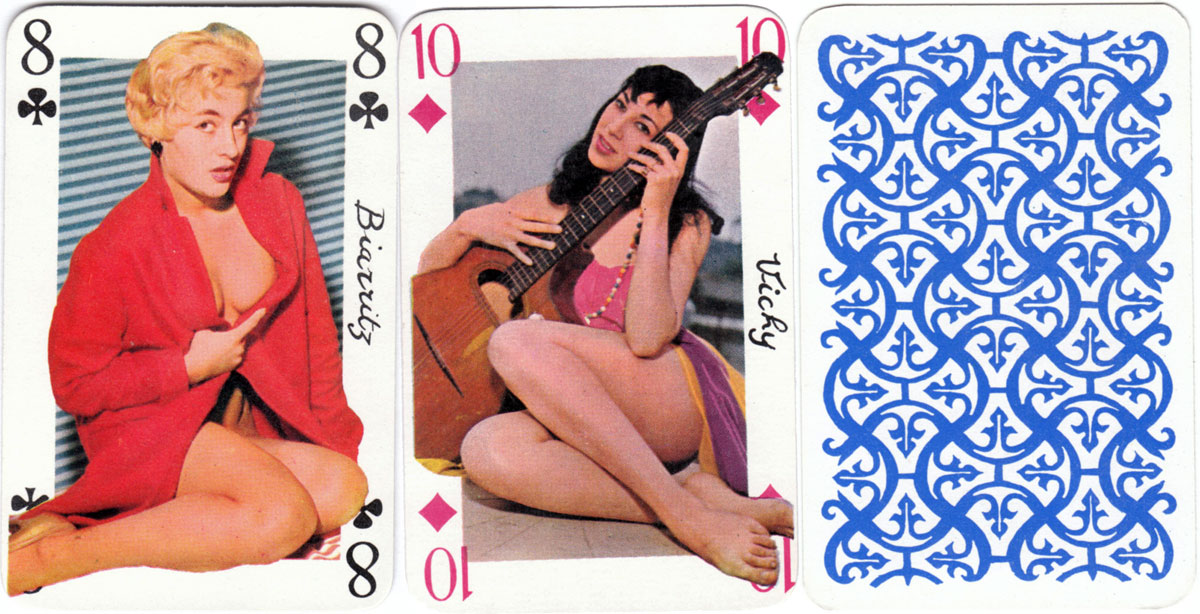
Above: “Sourires de France” 1959.
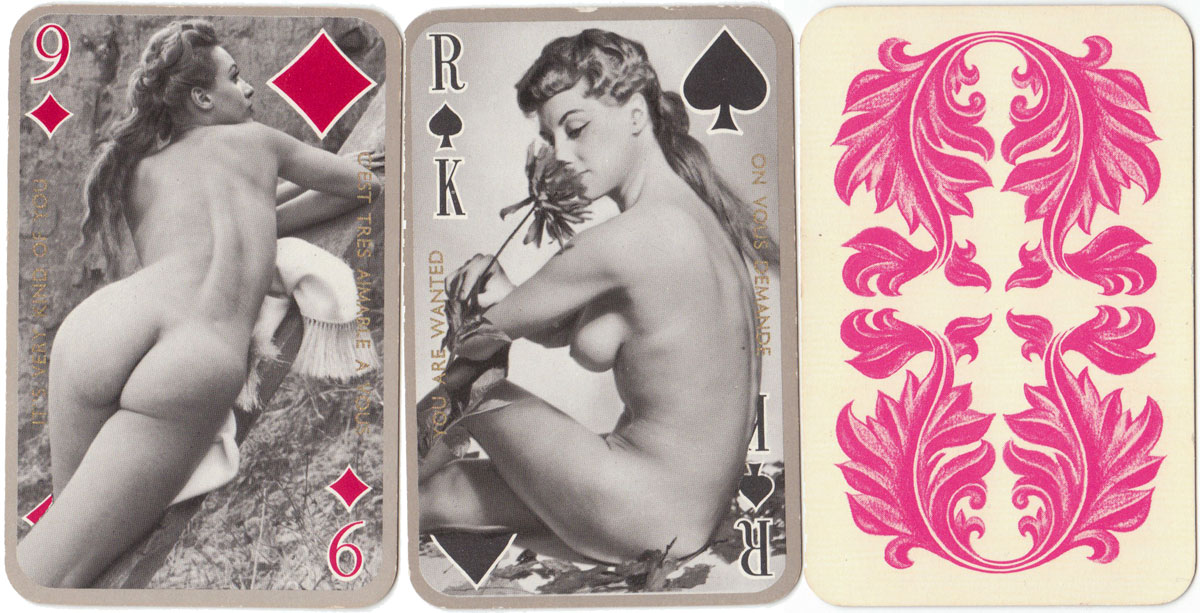
Above: “Proverbes II” 1960.

By Simon Wintle
Spain • Member since February 01, 1996
I am the founder of The World of Playing Cards (est. 1996), a website dedicated to the history, artistry and cultural significance of playing cards and tarot. Over the years I have researched various areas of the subject, acquired and traded collections and contributed as a committee member of the IPCS and graphics editor of The Playing-Card journal. Having lived in Chile, England, Wales, and now Spain, these experiences have shaped my work and passion for playing cards. Amongst my achievements is producing a limited-edition replica of a 17th-century English pack using woodblocks and stencils—a labour of love. Today, the World of Playing Cards is a global collaborative project, with my son Adam serving as the technical driving force behind its development. His innovative efforts have helped shape the site into the thriving hub it is today. You are warmly invited to become a contributor and share your enthusiasm.

Activity for Éditions Philibert
Sign in to comment or save this article.

Related Articles
Hector de Trois
A 1963 facsimile of a seventeenth-century Portrait of Paris pack preserved by the Bibliothèque natio...
Les Amoureux de Peynet
An iconic cartoon veers from cute to sexual with no stops in between.
Alphonse Arnoult Spanish-suited pack
Luxurious Spanish-suited pack made by Alphonse Arnoult, Paris, France, c.1850.
The Art of Pin-Up decks
Feminine beauty has been appreciated since prehistory.
Eroticartes
Eroticartes with drawings by Pino Zac, 1983.
Amorous Translucent Playing Cards
Amorous Translucent Playing Cards, French, c.1850.
Translucent Playing Cards
Translucent Playing Cards, 19th century French from the Biedermeier period
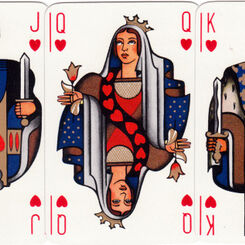
Jacques Branger designs for Miro Company
Luxury packs published by Miro Company (Paris) featuring designs by Jacques Branger, c.1940s.
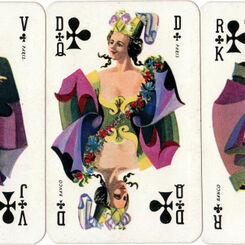
Banco for Air France, c.1952
Banco playing cards for Air France manufactured by Draeger Frères, c.1952.
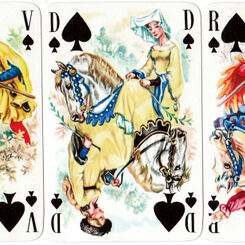
St Hubert’s Bridge
“St Hubert’s Bridge” published by Éditions Philibert, Paris, c.1956.
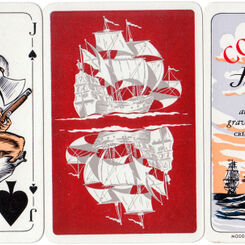
Corsaires et Flibustiers
“Corsaires et Flibustiers” playing cards created by G. Delluc and published by Éditions Philibert, P...
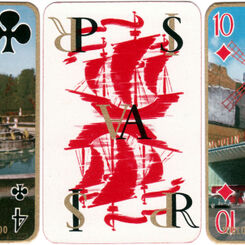
Paris Scenes
“Paris Story” playing cards published by Éditions Philibert, c.1957, showing photographic scenes of ...

Venice Simplon-Orient-Express
One of a series of sumptuous Venice Simplon-Orient-Express playing cards produced by B.P. Grimaud fo...

Les Mousquetaires
Philibert "Les Mousquetaires" Playing Cards, designed by Albert Dubout (1905-1976).
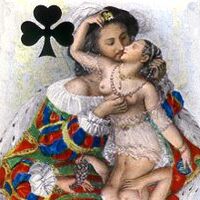
Le Florentin
Éditions Philibert published playing cards in Paris from 1954 to 1960 including Le Florentin in Rena...
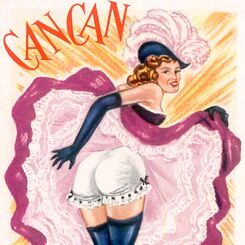
Cancan
Lightly risqué luxury playing cards published by Éditions Philibert of Paris in 1956.
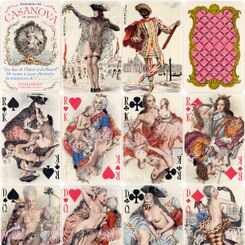
Mémoires de Casanova
Mémoires de Casanova artistic and lightly risqué playing cards with paintings by Paul-Émile Bécat, p...
Translucent Erotic Playing Cards, page 2
Translucent Erotic Playing Cards, page 2
Translucent Playing Cards, c.1850
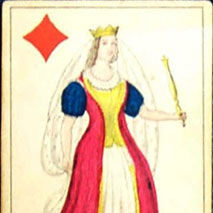
Cards from a translucent pack. Erotic images are concealed in the middle layer of the card and becom...
The Visconti-Sforza Tarot, c.1460
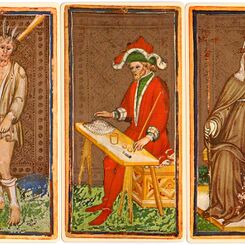
This pack of tarot cards appears to have have been made in the Bembo workshop in Cremona for Bianca ...
Most Popular
Our top articles from the past 60 days