

Cultúrlán
Celtic myth playing cards inspired by the rich Celtic pantheon of mythological Gods, Goddesses, and heroes
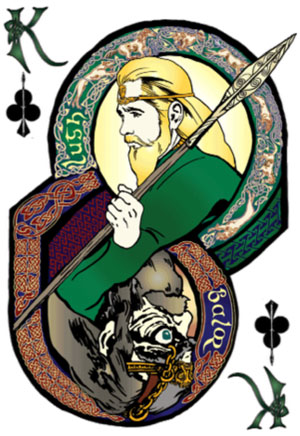
“Cultúrlán” Celtic myth playing cards
created by James Acken, PhD - www.culturlan.com
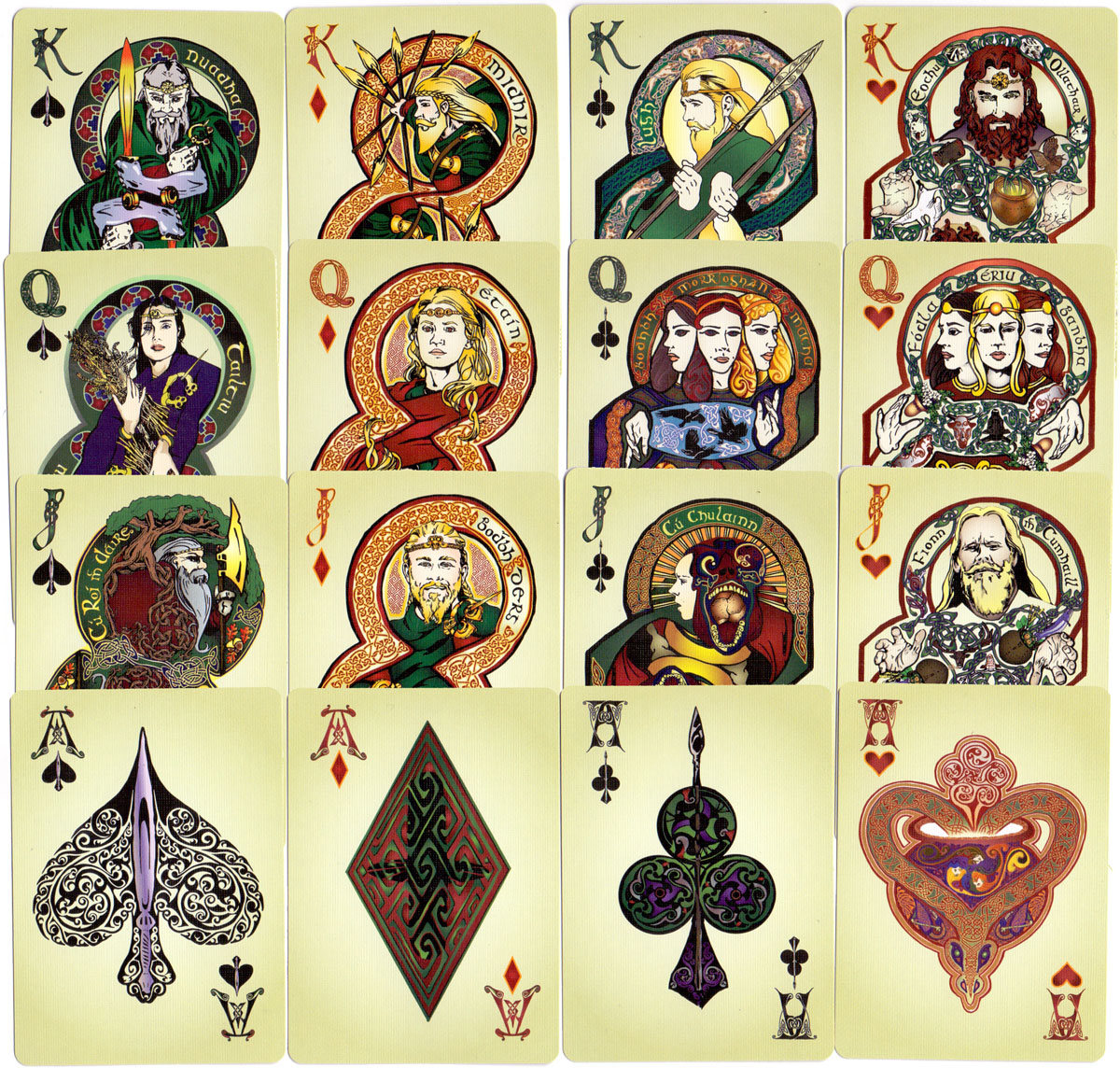
The cards in these decks are rich in symbolism, celebrating the Celtic pantheon of mythological Gods, Goddesses, and heroes. The cards contain an enormous amount of detail which is backed up by scholarship and each image is captivating and draws your attention deeper into the design. The cards are of excellent quality with nice sharp print registration and each card obviously had a lot of time and devotion dedicated to it... nothing to be disappointed by!
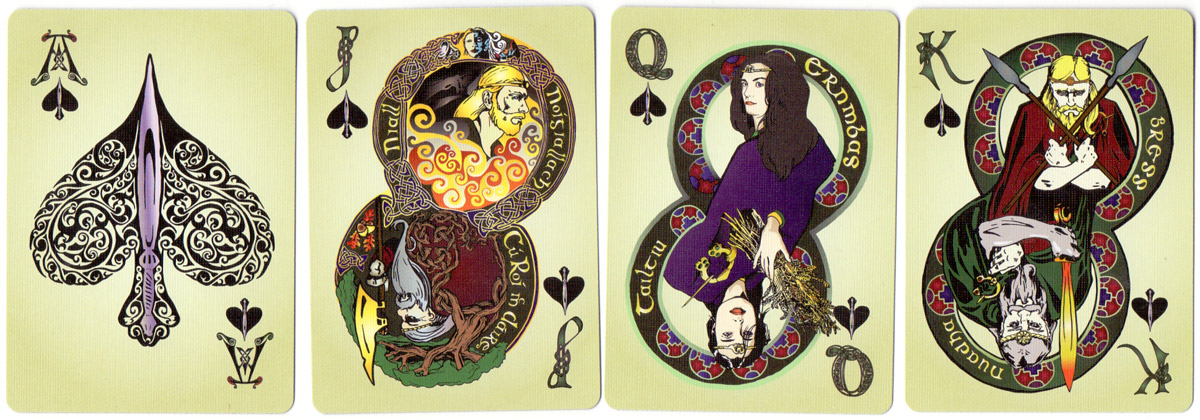
Asymmetrical Version (different at each end)
There is an inherent duality in Celtic culture that celebrates both the dark and the light, the force of human social values balancing the forces of nature, and the contrast between what we understand and what may be hidden in the supernatural. This duality is represented in the artwork in Cultúrlán’s asymmetrical playing cards. Celtic culture recognizes the need for both creation and destruction in human society. The purpose of Lugh and Balor, both kings of Ireland, was to provide abundance to their families through distributing their wealth, and to create the means for supporting their clans over many generations.
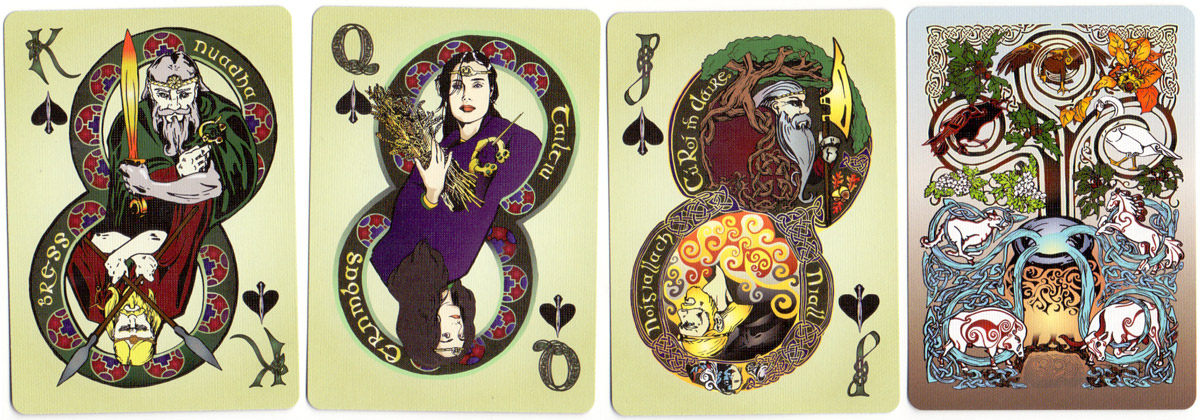
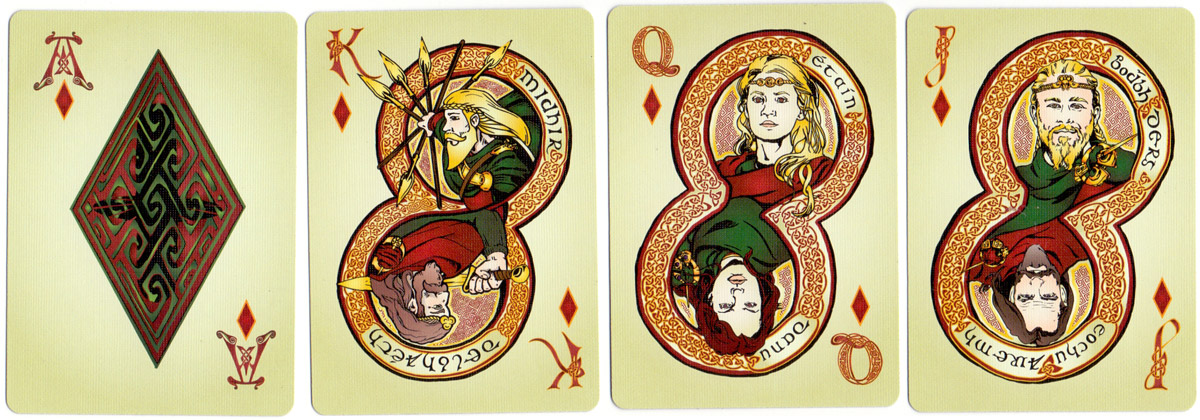
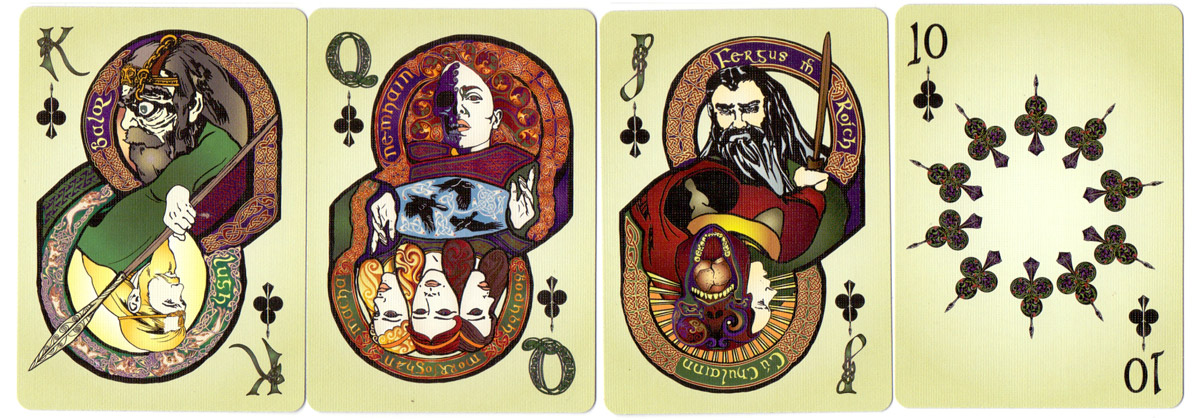
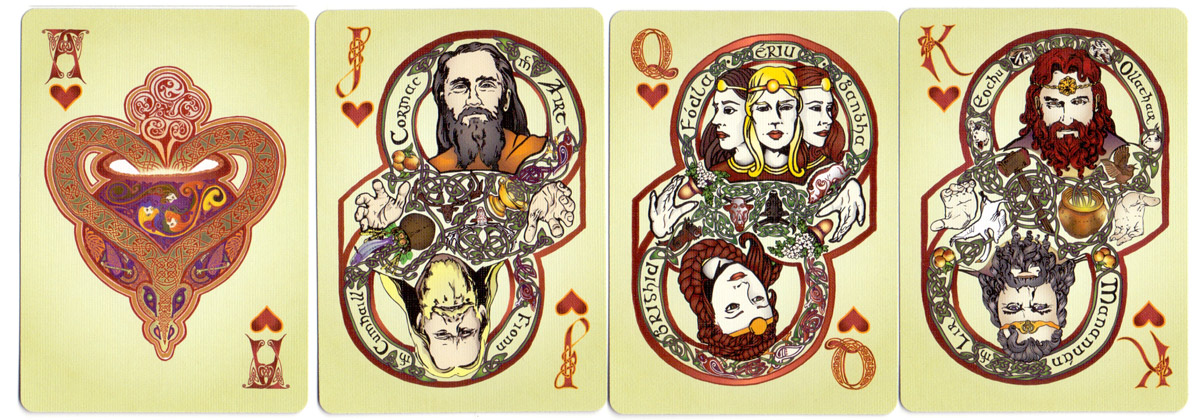
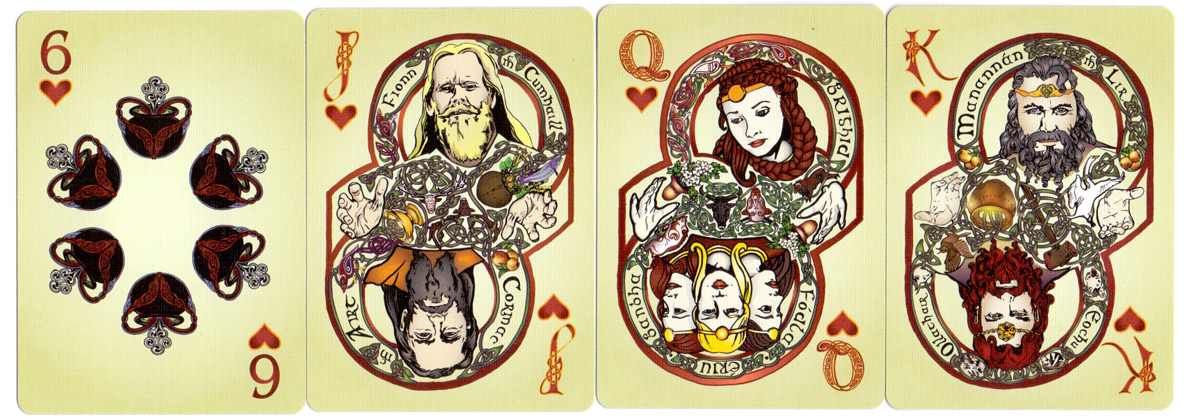
Above: in the asymmetrical back design the cauldron sits at the base of a bile, a sacred tree that in early Ireland would often have been associated with a specific family, the basis (in our opinion) of the idea of a “family tree”. Entwined in the roots of this bile are the four animals of early Gaelic society: the horse of kingship, the bull of wealth, the boar of prophetic heroism and the hound of warriorship [taken from the notes on an extra card in the deck].
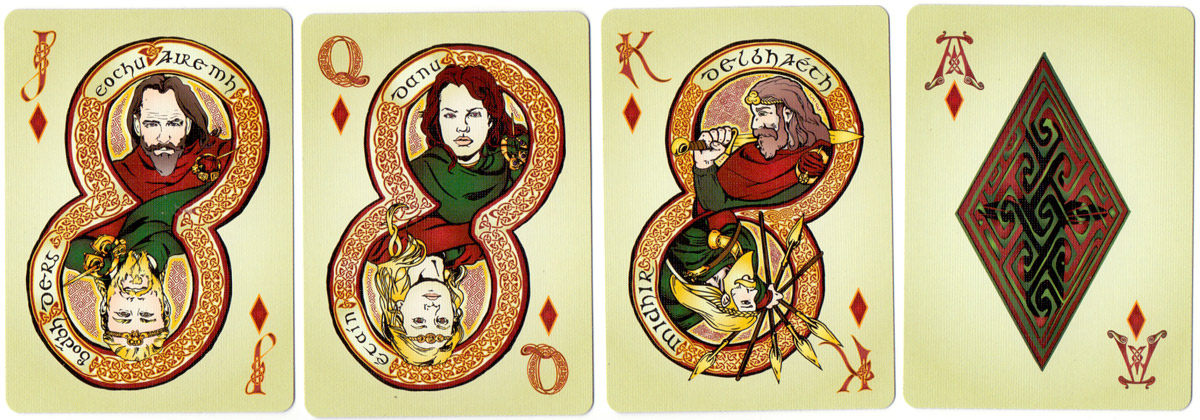
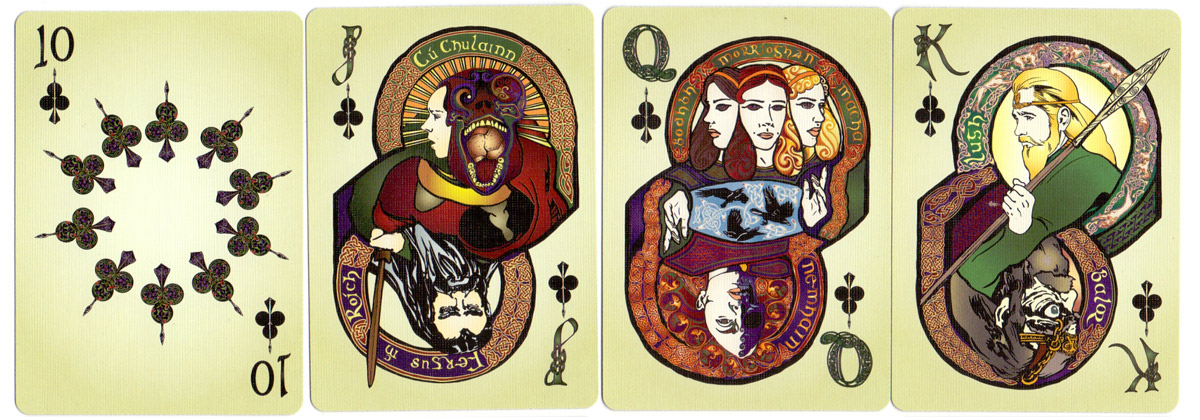
1st Symmetrical Version
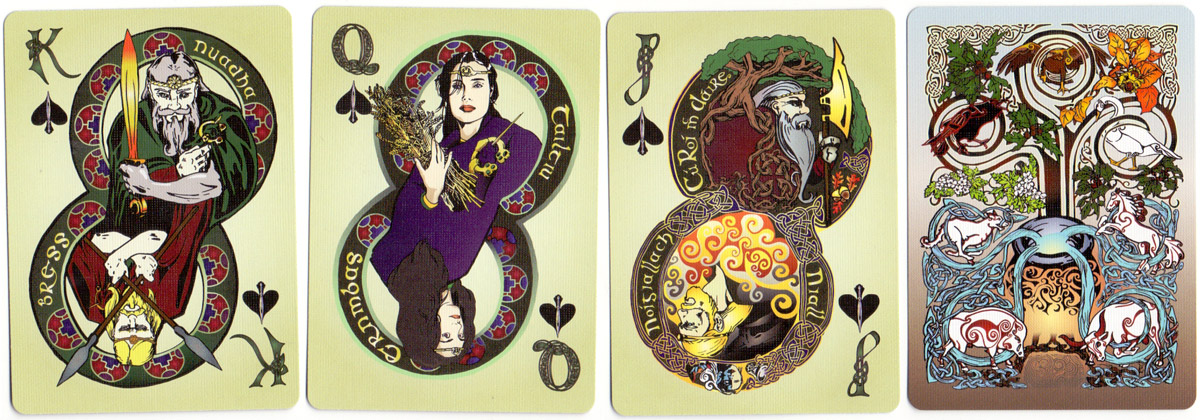
The cards in this symmetrical deck (same each end) feature the ‘light’ characters in the asymmetrical deck. Each image is captivating and draws your attention deeper into the design.
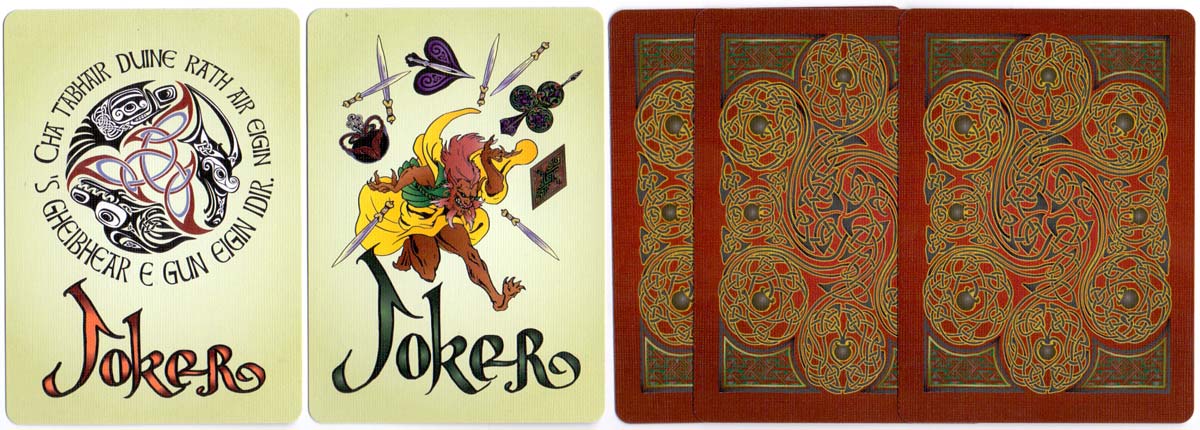
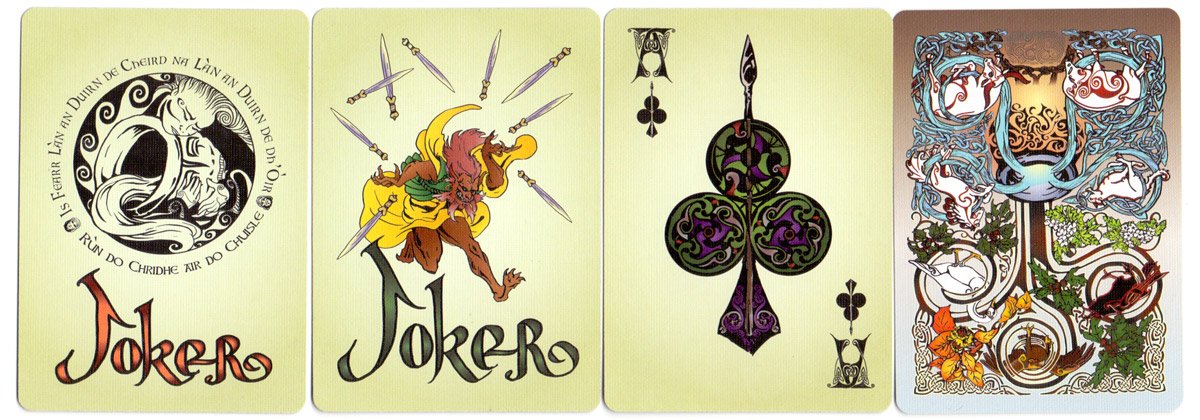
Above: the symmetrical card back is more mathematical than the asymmerical back, with eight clearly delineated cauldrons spilling into a ninth implied cauldron at the centre. The suit of spades is based on the Sword of Nuadha. This sword was brought from the Otherwordly city of Finnias where the poet-sage Uiscias presided. Like Lugh's spear, it was unstoppable in battle and is probably connected somehow with Caledfwlch, the legionary Welsh sword that would eventually become Excalibur, the gift of the Lady of the Lake. The Joker shows a monstrous boggart, related etymologically to the Welsh bwci and the Irish púca, wearing the traditional Gaelic clothing of sixteenth century warriors while juggling nine objects. Manufactured by the United States Playing Card Company, 2014.
2nd Symmetrical Version
Cultúrlán's third and final deck in this series of cards is scheduled to be ready for Bealtaine. With images faithful to original Irish, Scottish, and Welsh tales as preserved in medieval tradition, these new symmetrical decks are meant to fan the embers of interest in myth that glow around the world, and coax into flame that old pleasure in ancient lore...
Reviewed by Sean A. Parry.

By Simon Wintle
Spain • Member since February 01, 1996 • Contact
I am the founder of The World of Playing Cards (est. 1996), a website dedicated to the history, artistry and cultural significance of playing cards and tarot. Over the years I have researched various areas of the subject, acquired and traded collections and contributed as a committee member of the IPCS and graphics editor of The Playing-Card journal. Having lived in Chile, England, Wales, and now Spain, these experiences have shaped my work and passion for playing cards. Amongst my achievements is producing a limited-edition replica of a 17th-century English pack using woodblocks and stencils—a labour of love. Today, the World of Playing Cards is a global collaborative project, with my son Adam serving as the technical driving force behind its development. His innovative efforts have helped shape the site into the thriving hub it is today. You are warmly invited to become a contributor and share your enthusiasm.

Leave a Reply

Your Name
Just now Your comment here. Your comment here. Your comment here. Your comment here. Your comment here. Your comment here. Your comment here. Your comment here. Your comment here. Your comment here. Your comment here. Your comment here. Your comment here. Your comment here. Your comment here. Your comment here. Your comment here. Your comment here. Your comment here. Your comment here. Your comment here. Your comment here. Your comment here. Your comment here. Your comment here. Your comment here. Your comment here. Your comment here. Your comment here. Your comment here. Your comment here. Your comment here.
Related Articles
Timothy Curtis Art
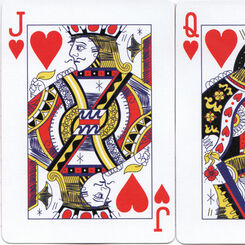
Timothy Curtis Art custom Bicycle playing cards, 2018.
Four Point
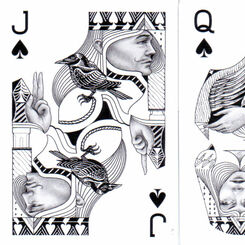
“Four Point” playing cards, a labour of love designed and illustrated by Ben Vierck, 2014

Celtic Myth Playing Cards
Celtic Myth playing cards are the third and final set of cards in a series based around the themes o...
Elvis Presley
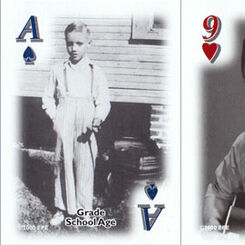
Elvis Presley playing cards published by The United States Playing Card Company, c.2002.

Creature Comfort
Creature Comfort playing cards designed by Don Moyer, 2017.
No.500 Playing Cards
No.500 Playing Cards published by U.S.P.C.C., c.1910
Ye Witches’ No.62 Fortune Cards
Ye Witches Fortune Telling Cards published by the United States Playing Card Co., 1896. 52 cards + J...

Hustling Joe
Hustling Joe himself appears on the Ace of Spaces dressed in red.
Panama Souvenir 1908
1st edition of Panama Souvenir playing cards published by U.S. Playing Card Co., 1908
Panama Souvenir Playing Cards
Several editions of Panama Souvenir Playing Cards were issued by the USPCC between 1908 - 1926. The ...
Celtic Journey
Celtic Journey playing cards - where art and culture meet - designed by Carmen G. Carballeira, 2011

Congress No.606
Congress Playing Cards were first produced by the Russell & Morgan Company in 1881 as the finest and...
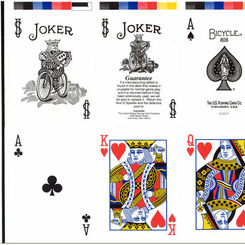
Bicycle No.808 - page 2
The famous 'Bicycle' playing cards were first introduced by Russell & Morgan Printing Co in 1885. Th...
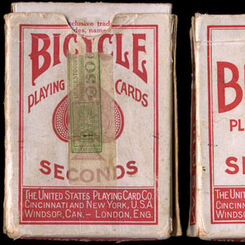
Bicycle Seconds
Bicycle 808 Seconds playing cards manufactured by The United States Playing Card Co, Cincinnati and ...
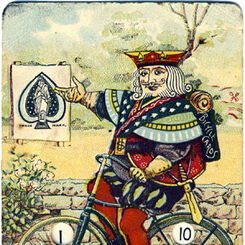
Bicycle No.808
The famous Bicycle playing cards were first introduced by Russell & Morgan Printing Co in 1885. More...
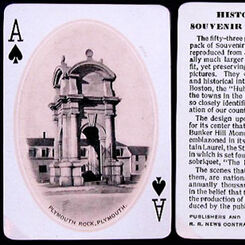
Historic Boston and Vicinity
Historic Boston and Vicinity Souvenir Playing Cards, 1900 & 1909.
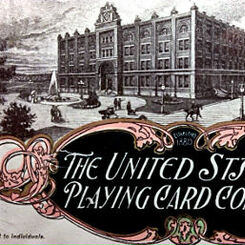
The United States Playing Card Company
Over the years the pressures of competition and other market forces have led to many smaller manufac...

Irish Heroic
The costumes and details of this pack are in the spirit of "The Heroic Period of Irish History".
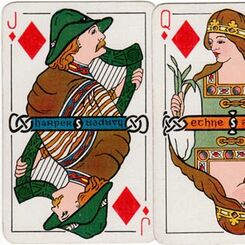
Playing Cards from Ireland
During the nineteenth century playing cards were being produced in Dublin, Cork and Limerick.
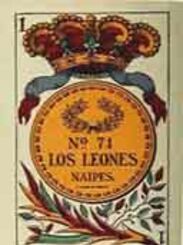
Naipes No. 71 Los Leones
Naipes No. 71 Los Leones by The United States Playing Card Co., c.1900.
Most Popular
Our top articles from the past 60 days


