


Dienst Justitiële Inrichtingen
Playing cards published by the Dutch Prison Service, giving a look behind the gates of Judicial / Custodial institutions
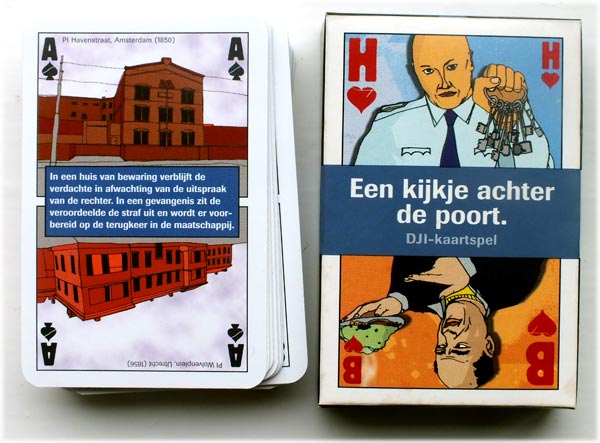
Dienst Justitiële Inrichtingen playing cards
An unusual pack of playing cards published by the Dutch Prison Service (Dienst Justitiële Inrichtingen - DJI) subtitled: “A Look Behind the Gates”, intended to give an impression of life inside a custodial establishment. In spite of the bright colours, the message is grim.
If you serve time you'll learn a trade to help reintegrate into society. A prisoner's wife is not to be envied, left with debts, shame and responsibility for the children. In a secure hospital people suffering from mental disorder are risk-assessed for re-offending. Many foreign drug traffickers are women driven by poverty. Although prison life isn't cosy, a team of trained staff is on call day and night to ensure the safety of personnel and inmates... the penitentiary workers guide them on their way back to society.
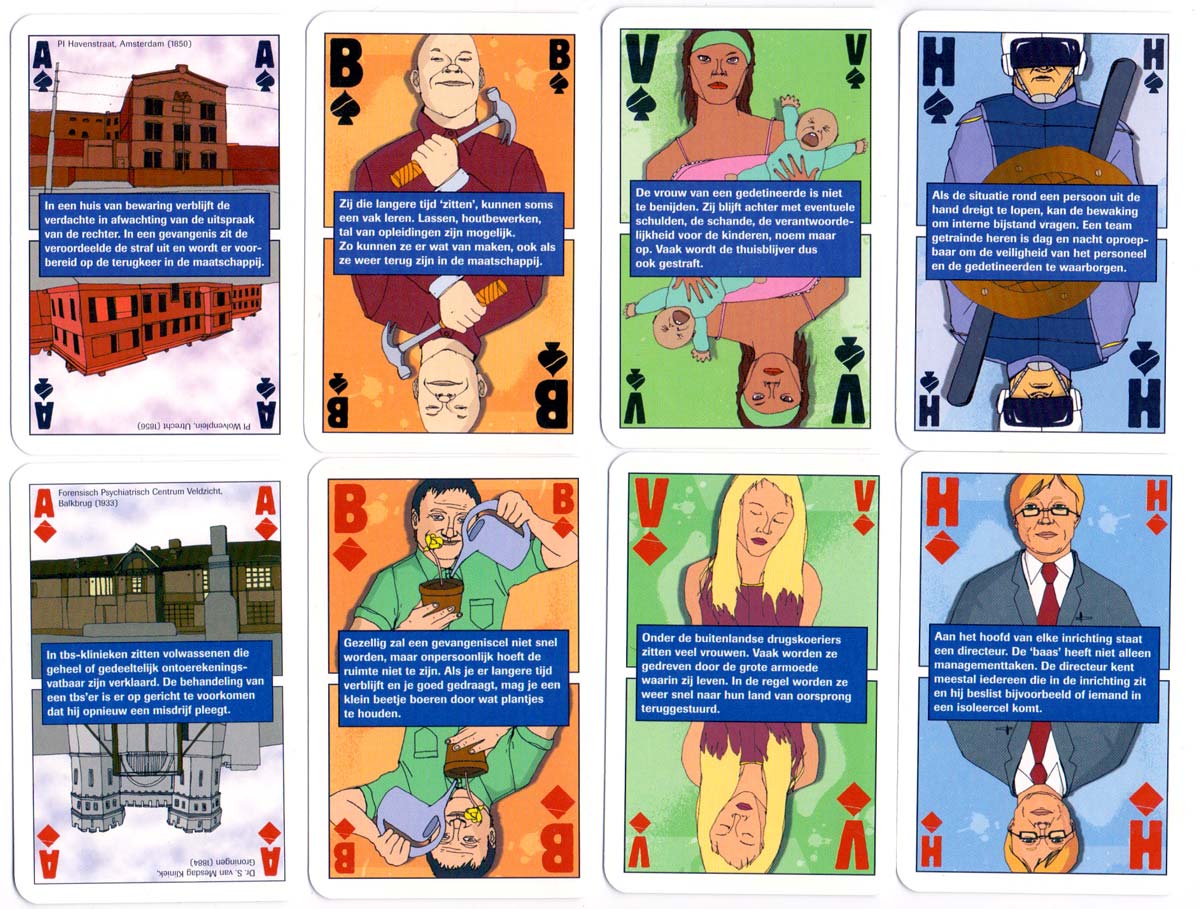
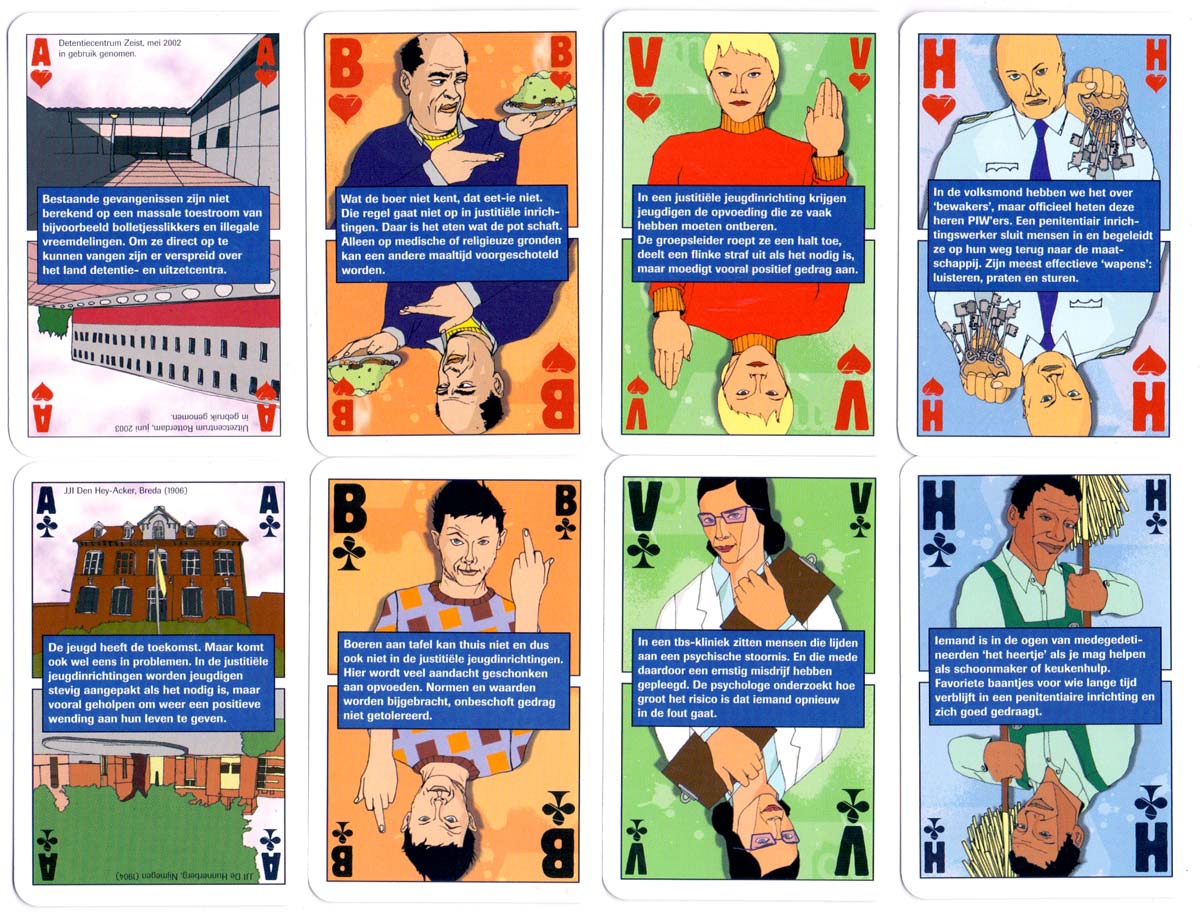
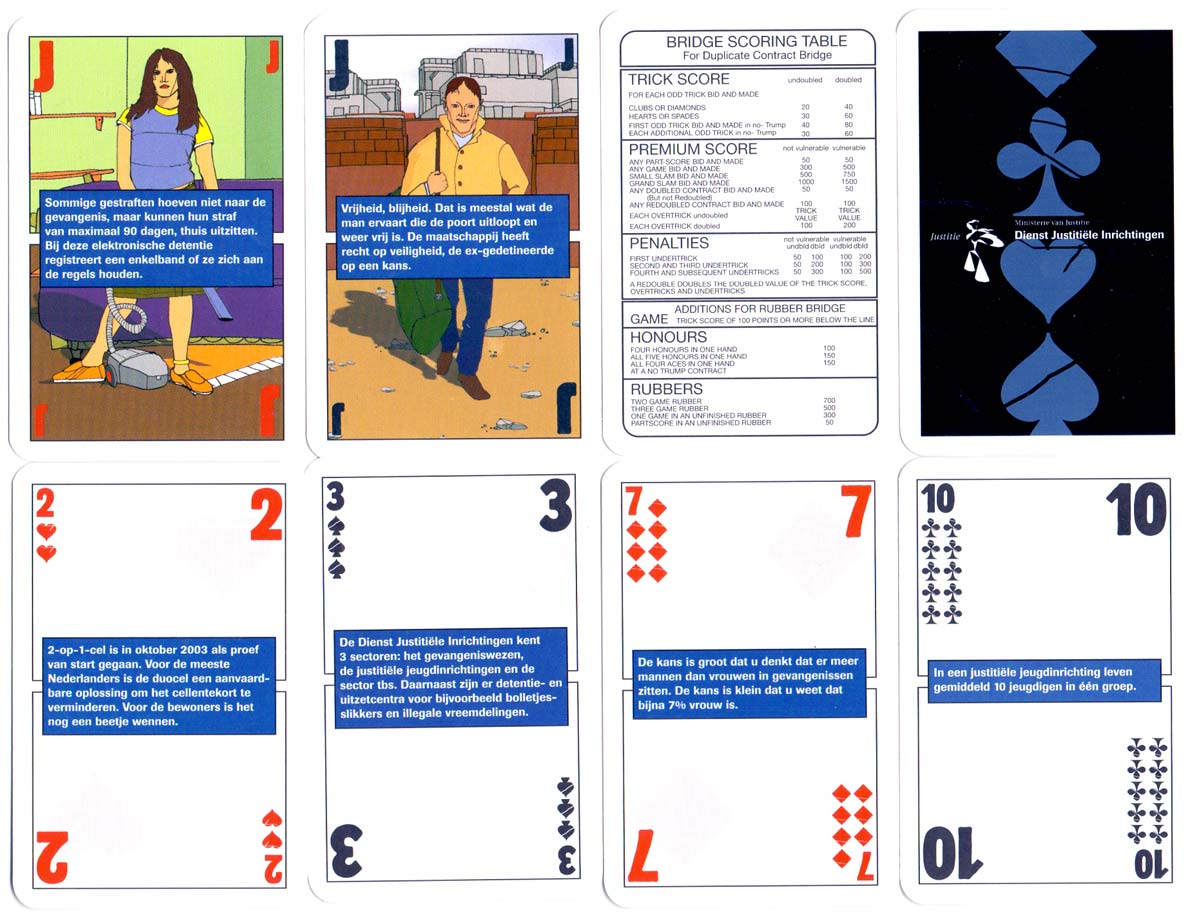
Above: playing cards published by the ‘Dutch Dienst Justitiële Inrichtingen’: a look behind the gates of Judicial / Custodial institutions. Manufactured in Poland by KZWP-Trefl, c.2003. 52 cards + 2 Jokers + bridge score card in box. The number cards have non-standard arrangements of the pips.

By Simon Wintle
Spain • Member since February 01, 1996
I am the founder of The World of Playing Cards (est. 1996), a website dedicated to the history, artistry and cultural significance of playing cards and tarot. Over the years I have researched various areas of the subject, acquired and traded collections and contributed as a committee member of the IPCS and graphics editor of The Playing-Card journal. Having lived in Chile, England, Wales, and now Spain, these experiences have shaped my work and passion for playing cards. Amongst my achievements is producing a limited-edition replica of a 17th-century English pack using woodblocks and stencils—a labour of love. Today, the World of Playing Cards is a global collaborative project, with my son Adam serving as the technical driving force behind its development. His innovative efforts have helped shape the site into the thriving hub it is today. You are warmly invited to become a contributor and share your enthusiasm.

Activity for Dienst Justitiële Inrichtingen
Sign in to comment or save this article.

Related Articles
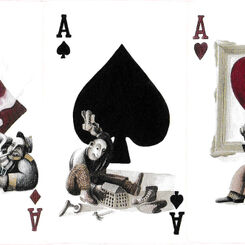
Pack of Thieves?
“Pack of Thieves? 52 Port Arthur Lives” playing cards documenting life in an Australian penal settle...
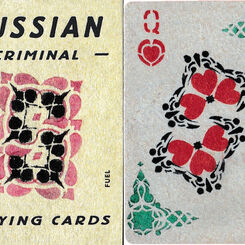
Russian criminal tattoos and playing cards
Russian criminal tattoos and playing cards, United Kingdom, 2018.
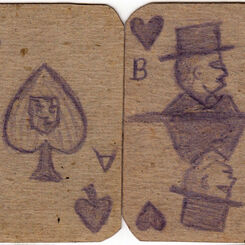
Hand made WW2 Prisoner of War Playing Cards
made by German soldiers held captive by US troops
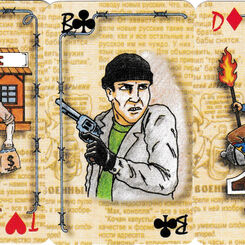
Kolotushki
Kolotushki playing cards designed by Vitalii Buslovskikh, Russia, 2000.
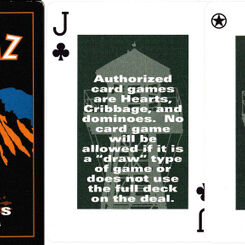
Alcatraz: Rules and Regulations Playing Cards
Rules and regulations that guided prison life in America’s most notorious prison.
Bone Playing Cards
My late mother found these miniature cards in a skip around 50 years ago.
Prisoners of War
Hand-made playing cards by French prisoners of war in Porchester Castle, Hampshire, c.1796.
Most Popular
Our top articles from the past 60 days


