Europe
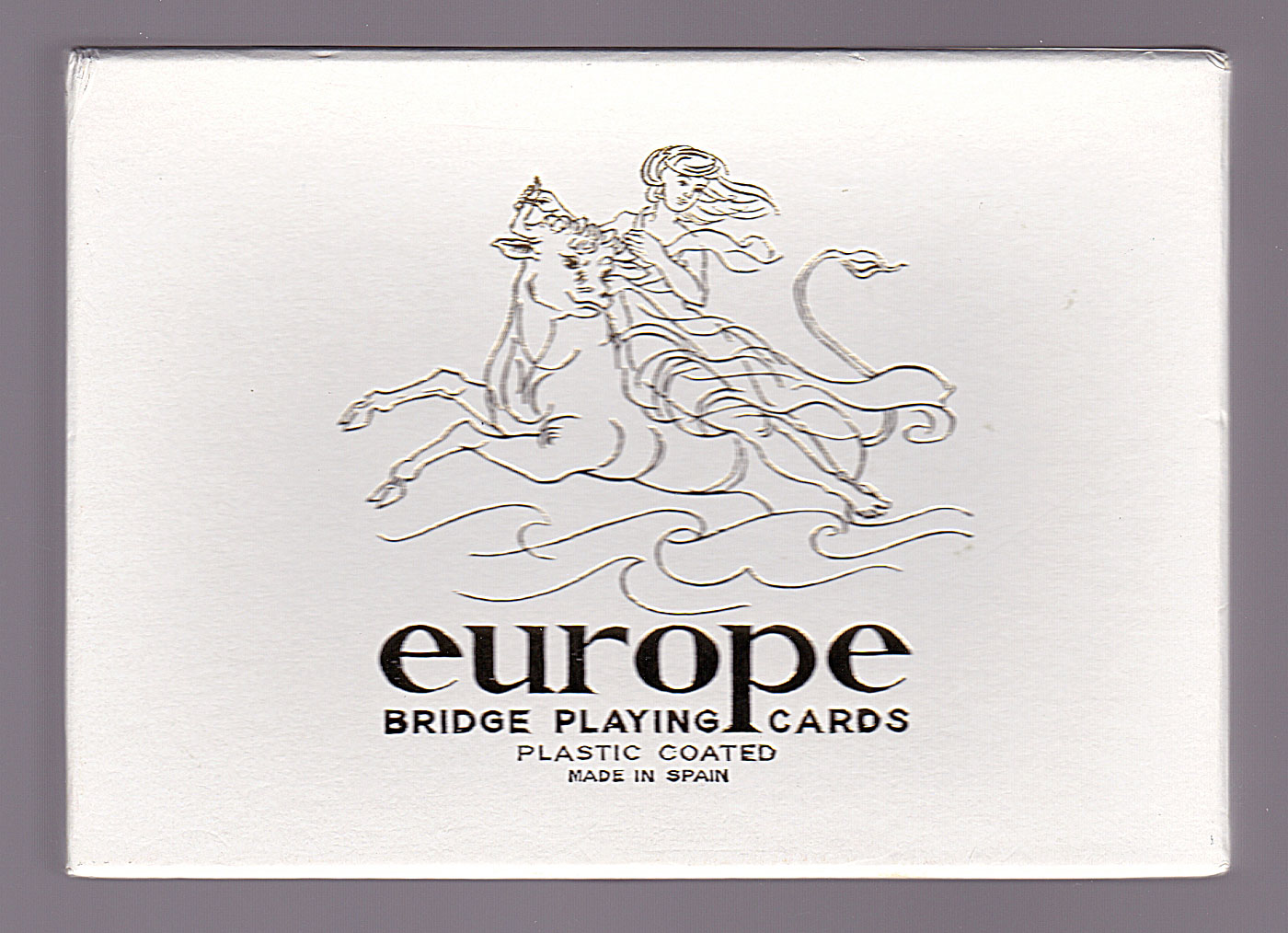
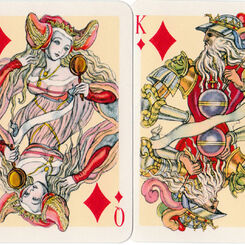
“Europe” designed by Teodoro N. Miciano and printed by Heraclio Fournier in 1962, portraying XIV century European fashions.
“Europe” was designed by Teodoro Miciano, professor at San Fernando School of Fine Arts, Madrid, and printed by Heraclio Fournier in 1962. The designs portray XIV century European fashions. See the Box►
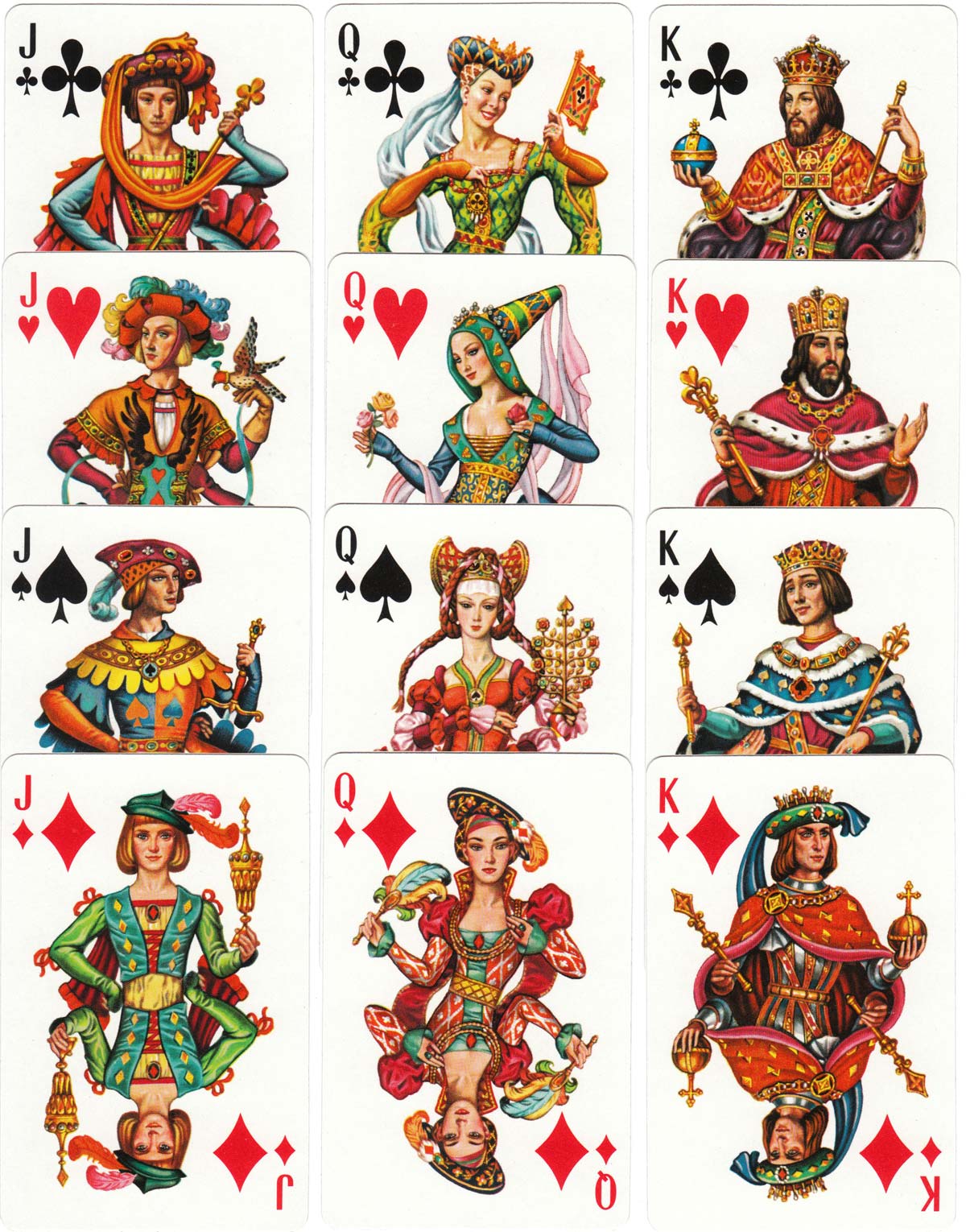
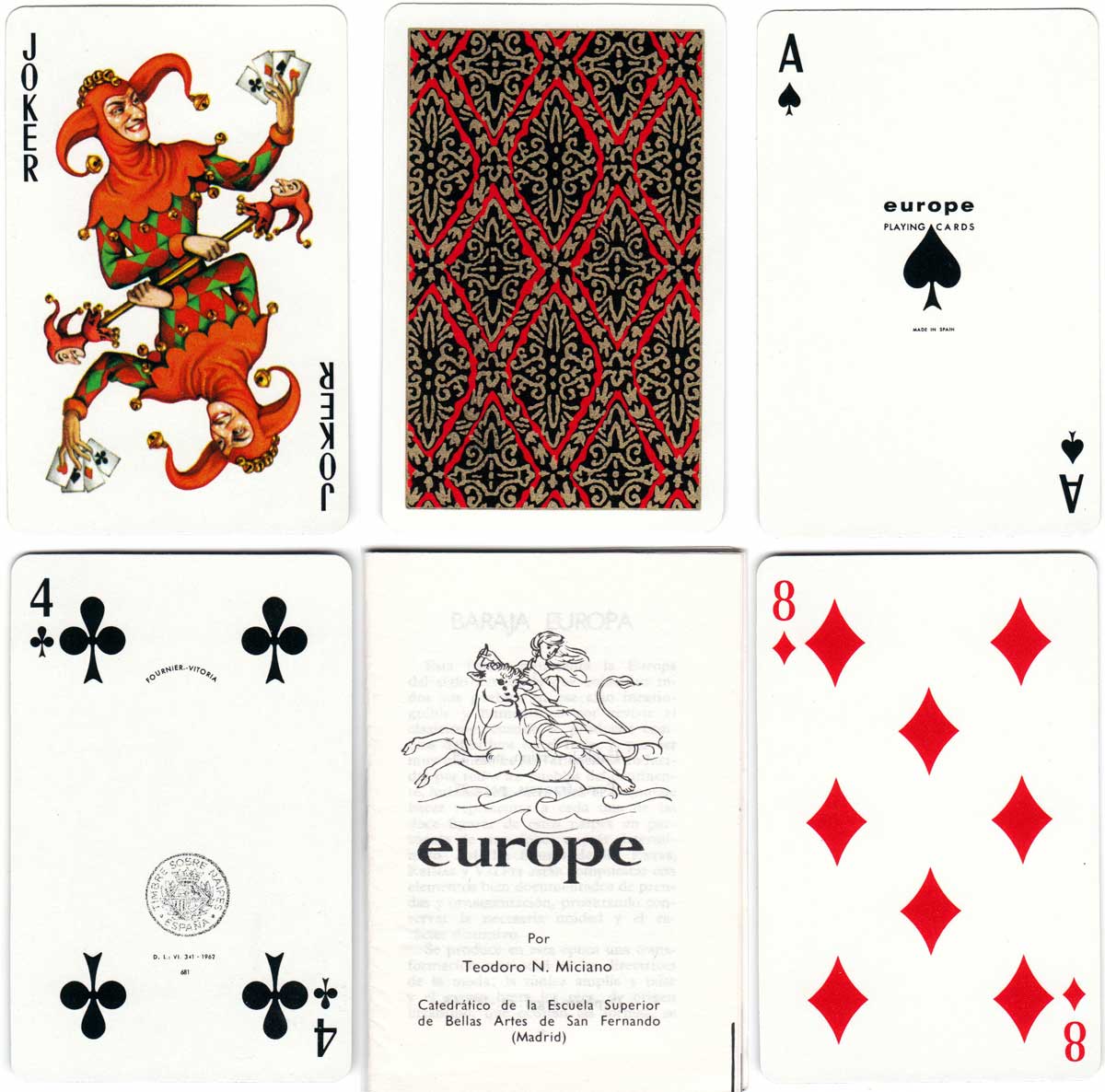
Above: “Europe” designed by Teodoro N. Miciano and printed by Heraclio Fournier in 1962 and 1968. 52 cards + 2 jokers + explanatory leaflet in English, French & Spanish.
CREDITS & REFERENCES
García Martín, Enrique: La Baraja Francesa de figuras dobles de Heraclio Fournier, La Sota Nº 29, 2003

By Rex Pitts (1940-2021)
United Kingdom • Member since January 30, 2009
Rex's main interest was in card games, because, he said, they were cheap and easy to get hold of in his early days of collecting. He is well known for his extensive knowledge of Pepys games and his book is on the bookshelves of many. His other interest was non-standard playing cards. He also had collections of sheet music, music CDs, models of London buses, London Transport timetables and maps and other objects that intrigued him.
Rex had a chequered career at school. He was expelled twice, on one occasion for smoking! Despite this he trained as a radio engineer and worked for the BBC in the World Service. Later he moved into sales and worked for a firm that made all kinds of packaging, a job he enjoyed until his retirement. He became an expert on boxes and would always investigate those that held his cards. He could always recognize a box made for Pepys, which were the same as those of Alf Cooke’s Universal Playing Card Company, who printed the card games. This interest changed into an ability to make and mend boxes, which he did with great dexterity. He loved this kind of handicraft work.
His dexterity of hand and eye soon led to his making card games of his own design. He spent hours and hours carefully cutting them out and colouring them by hand.

Activity for Europe
Sign in to comment or save this article.

Related Articles
Allegories and Myths
Semi-transformation playing cards from artist Violeta Monreal.
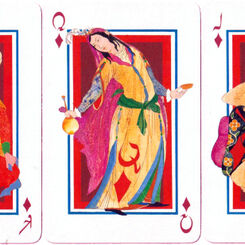
Persian Courts
Encapsulation of Persia’s rich heritage as conceived by Spanish artist Violeta Monreal.
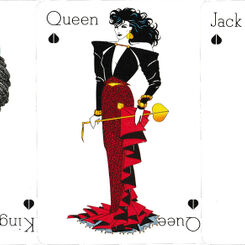
Paco Lobo
Highly original and striking designs by Paco Lobo for the fashion house of the same name.
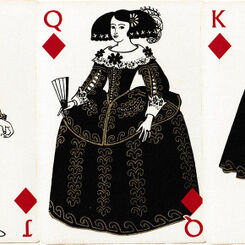
Loewe: Moda Europea Siglo XVII
Luxury pack for the Spanish fashion house Loewe, with 17th century costume designs by Margot Hamilto...
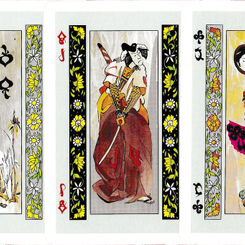
Secretos de Oriente
Secrets of the Far East playing cards featuring the designs of Violeta Monreal , Spain, c. 1991.
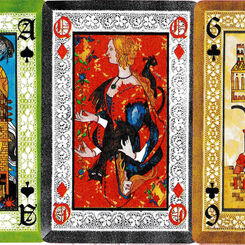
Medieval Life playing cards
‘Medium Aevum’ (Medieval Life) playing cards designed by Violeta Monreal, published by Heraclio Four...
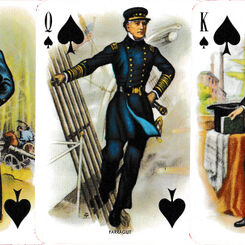
American Civil War playing cards
American Civil War centennial playing cards designed by Teodoro N. Miciano and published by Fournier...
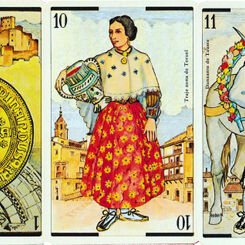
Baraja Aragonesa
Celebrating the costumes, architecture, coins and crafts of Aragon in Spain, with designs by Raúl Ro...
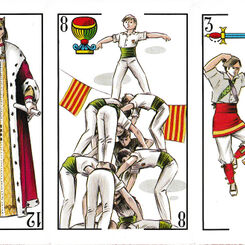
Festa Major de Vilafranca 1988
Colourful figures associated with the annual festival held in Vilafranca, Catalonia.
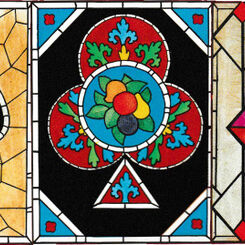
Crystal Time
Colourful and attractive designs by Violeta Monreal, inspired by stained glass through the ages.
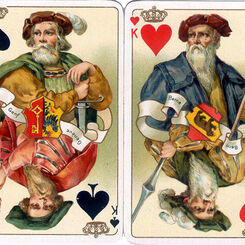
Schweizer Trachten
Schweizer Trachten No.174 (Costumes Suisses) by Dondorf.
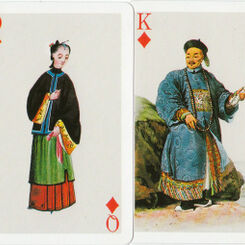
Chinese Costumes
Chinese Costumes from the Winterthur Collection, published by Fournier, 1984.
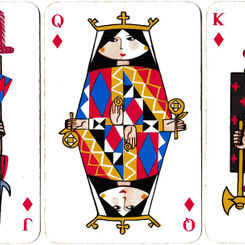
Loewe
Deck designed by J. L. Picardo for Loewe, 1959.
Romance Español
“Romance Español” designed by Carlos Sáenz de Tejada and published by Heraclio Fournier in various e...
Classic
“Classic” playing cards designed by Paul Mathison inspired by classical mythology, 1959.
America
“America” playing cards designed by Teodoro N Miciano, 1960.
Ancient Civilisations
Ancient Civilisations playing cards designed by Celedonio Perellón, produced by Heraclio Fournier, ...
Baraja Andaluza
Non-standard Spanish-suited playing cards created by Rafael Rodriguez Hernandez and published by Edi...
Heraclio Fournier S.A.
Founded in 1868, today it is part of Cartamundi.
The History of Playing Cards
Playing cards appear in European records in the late 14th century, but their earlier history lies fu...
Most Popular
Our top articles from the past 60 days