


Estelares
Naipes Estelares playing cards manufactured by Luis A. Fourvel y Cia., Buenos Aires, early 1950s.
Naipes Estelares
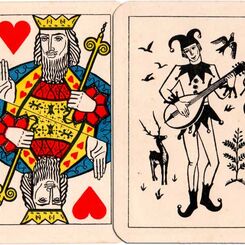
Double set of 'Naipes Estelares' playing cards for Bridge and Canasta manufactured by Luis A. Fourvel y Cía., Buenos Aires, early 1950s. A novel aspect of the design is that the numeral cards 2-10 plus the four Queens have fashionable female portraits whilst the Jacks and Kings are b/w outline drawings only. On this basis only two colours were used for the whole pack. Large suit symbols appear in each top right-hand corner. The smoke from the Joker's cigarette contains an interesting shape and the captions suggest that “life is only smoke”...
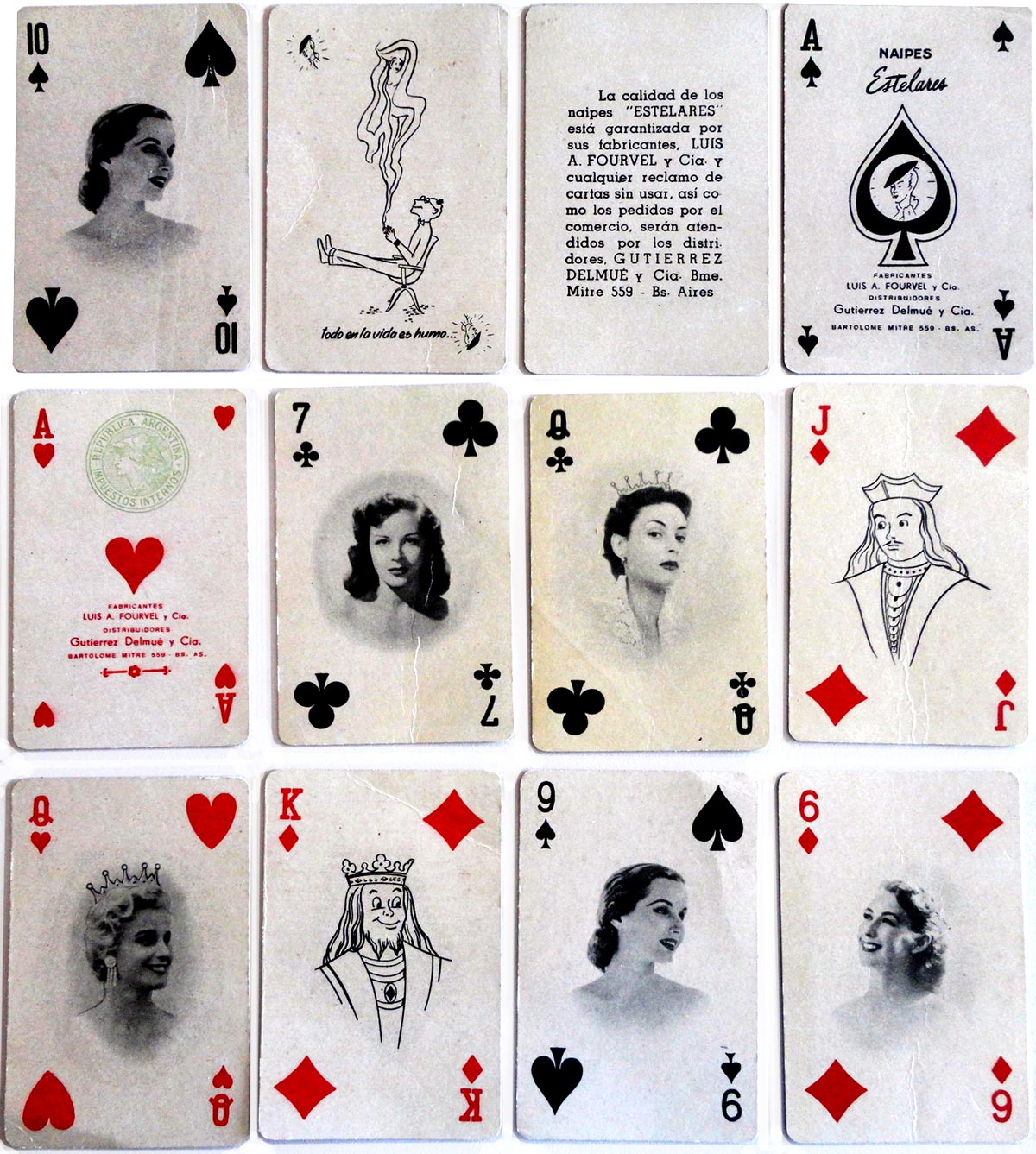
Above: cards from double set of 'Naipes Estelares' playing cards manufactured by Luis A. Fourvel y Cía., Buenos Aires, early 1950s. The backs are plain green or brown. The box states that this is the first edition. The manufacturer's distribution agent, Gutierrez Delmué y Cía, is mentioned on the Aces of Hearts and Spades, and the 2 Jokers and extra card.
See also: Fourvel homepage • Side Car • Side Car Spanish-suited • Naipynt • Side Car Genoese style

By Simon Wintle
Spain • Member since February 01, 1996
I am the founder of The World of Playing Cards (est. 1996), a website dedicated to the history, artistry and cultural significance of playing cards and tarot. Over the years I have researched various areas of the subject, acquired and traded collections and contributed as a committee member of the IPCS and graphics editor of The Playing-Card journal. Having lived in Chile, England, Wales, and now Spain, these experiences have shaped my work and passion for playing cards. Amongst my achievements is producing a limited-edition replica of a 17th-century English pack using woodblocks and stencils—a labour of love. Today, the World of Playing Cards is a global collaborative project, with my son Adam serving as the technical driving force behind its development. His innovative efforts have helped shape the site into the thriving hub it is today. You are warmly invited to become a contributor and share your enthusiasm.

Activity for Estelares
Sign in to comment or save this article.

Related Articles
Balearic Souvenir Cards
Mediterranean Souvenir deck by Rioba Studio, Pollença, Mallorca.
Berliner Originale
“Berliner Originale” designed by Manfred Bofinger, 1986.
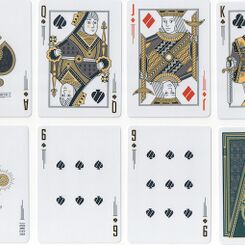
51: Some modern variations
A brief survey of some current variations in the standard English pattern.
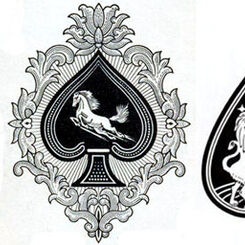
Modern Aces of Spades
Many modern aces of spades are anonymous so that, in the absence of any other information, the colle...
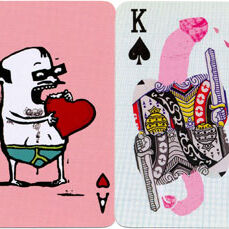
Monsters
A collective of artists known as Monster Illustration produced a deck entitled “Monsters” in 2004.
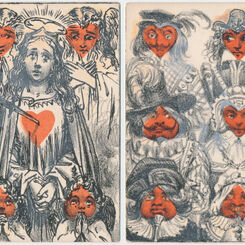
Carl Arnold Transformation
Transformation playing cards designed by Carl Johann Arnold (1829-1916), the court artist for King F...
Anonymous Dutch deck, 1940s
Anonymous Dutch deck, 1940s
Naipe Estilo Español “Siglo XXI”
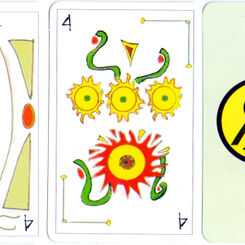
Naipe Estilo Español “Siglo XXI” created by Florencia Marotta, 2005.
Side Car
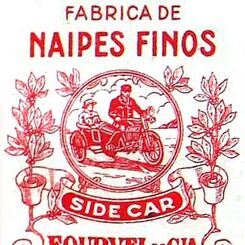
Luis Fourvel's standard English style Naipes Side Car, with the distinctive motorcycle Joker were pu...

Leonor Fini
The originality of Leonor Fini's work is evident in these playing card designs. The imagery of her p...
19: 19th Century Breaks with Tradition - Unusual versions of the Standard English Pattern
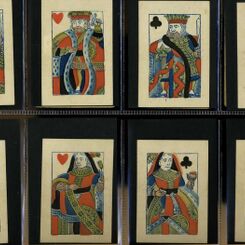
The centuries-long tradition of English court cards was subject to misinterpretation and in some cas...
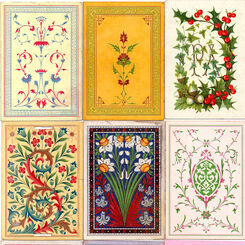
14: Back Designs
A few examples of the many interesting back designs.

Vaivorykste (The Rainbow)
Vaivorykštė ('the Rainbow') playing cards manufactured in Lithuania by Spindulys, 1930s. The deck ha...
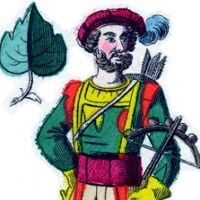
Schiller deck
Schiller deck made by Conrad Ludwig Wüst, Frankfurt/Main, ca. 1834.
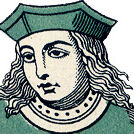
Naipes Side Car - Genoese type
Naipes Side Car - Genoese type.
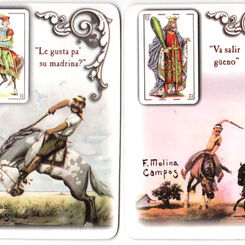
F. Molina Campos
Unofficial Edition of Molina Campos playing cards, anonymous publisher, 2004.
Naipes Side Car Tipo Español
Naipes Side Car Tipo Español.
Naipes de Poker Naipynt
Naipes “Naipynt” are a departure from Fourvel's usual Side Car brand, with a new ‘Clown Joker’ desig...
Luis A. Fourvel
The Fourvel family was of French origin but had settled in Spain during the XIX century. In the 1930...
The History of Playing Cards
Playing cards appear in European records in the late 14th century, but their earlier history lies fu...
Most Popular
Our top articles from the past 60 days


