


MAT by Counter Clockwise
Colourful deck inspired by chess for the game Mate.
The game Mate (1) was published by Georg Capellen (2) in the publication "Zwei neue Kriegspiele!" in 1915. The game did not initially attract much interest. It fell out of favour at a time when other types of war games were preferred. It only became popular after its rediscovery by game collector Sid Sackson, who included it in his 1969 book "A Gamut of Games." G. Capellen attempted to create a game with limited influence of chance. As in chess, players know the range of their opponents' cards at the beginning. The inspiration from chess is also evident in the name of the game.
The game was designed for a reduced deck of 20 cards commonly used in Germany. Counter Clockwise created its own abstract solution for the game. For simplicity and clarity, the card set is designed in basic colours, clearly inspired by the modern Uno deck. The main graphic motif, which is repeated on the reverse side, is based on the Sierpiński carpet. This basic fractal geometry pattern was described in 1916. The chess-like nature of the game is reinforced by the use of international chess piece symbols, which replace the usual card values.
The cards have corner markings indicating their value (chess pieces) and also show the value of the card for calculating the final score. In addition to the instructions and basic rules cards, the deck includes four extra cards. John McLeod (1) refers to this expanded deck as the Double Mate Deck. The additional cards, along with specific rules, introduce more random elements into the game.


Above: MAT chess card game produced by Counter Clockwise, Czech Republic, 2024. 24 cards + instructions in box.
• See the box
References
- McLeod, John: Mate ►
- Wikipedia: Georg Capellen ►
By Marek Brejcha
Czech Republic • Member since June 13, 2024
My relationship with cards grew from playing to collecting and transformed into publishing as well. I am part of the team at Counter Clockwise, a small company that publishes traditional card games.

Activity for MAT by Counter Clockwise
Sign in to comment or save this article.

Related Articles
Luditz Pattern by Counter Clockwise
An Attempt to Repatriate a Historic Card Design.
Learning to play Cribbage
I learned to pay cribbage when I was very young, aged around six or seven.
Kvitlech cards
An Attempt to Revive a Central European Historical Game.
The European Interchanges Quartets
A card game based around motorway intersections from European countries.
Playing card designs by Franz Exler
Reconstruction of playing cards from the original 1903 designs.
Hats-Off!
Hats-Off! miniature card game published by E. S. & A. Robinson, c.1930s.
Have A Go
Have A Go card game published by Photo-Briton Ltd featuring photographs of waxwork figures from Mada...
Holiday Games
IE Design Holiday Games, c.1990s.
Alibi
“Alibi” the thrilling card game by Haytor, Tor Productions, 1930s.
Derby
‘Derby’ card game from Czechoslovakia.
Strip Tease
‘Strip Tease’ card game featuring characters involved in the performance and subsequent prosecution ...
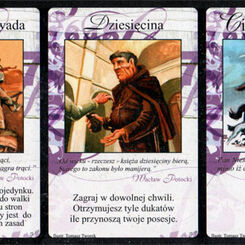
Veto
‘Veto’ is a Polish CCG game. Players compete for power and influence. The game is set in 17th centur...
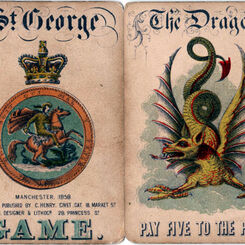
St George Game
St George Game, 1858, depicting St George and other saints engaged in battle slaying the dragon to s...
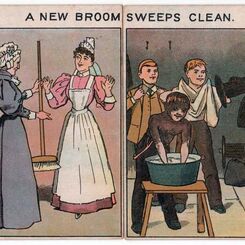
Picture Proverbs
Picture Proverbs was a Victorian card game illustrating popular proverbs which were seen as words of...
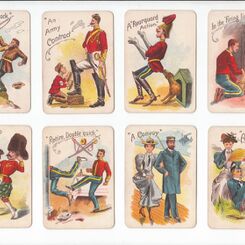
4: Some Card Games
Yet another strand of the playing card world is that of card games, packs of cards usually designed ...
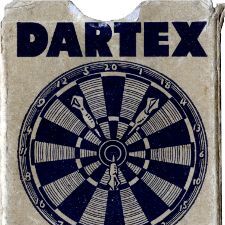
Dartex
Dartex, the Thrilling New Card Game of Skill (1938) based on the traditional pub game where darts ar...
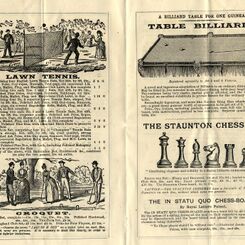
Jaques Advertising Leaflet
Jaques Advertising Leaflet showing Lawn tennis, Table Billiards, Staunton Chess, Croquet, etc.
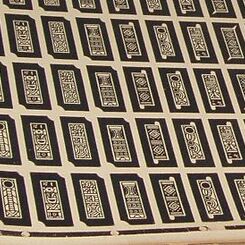
Chinese Playing Cards 中国纸牌
The Chinese took their cards with them wherever they travelled and traded in the East, and we find C...
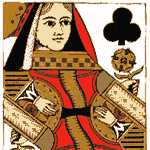
Standard and Non-standard Playing Cards
Standard playing cards are based upon traditional designs and are used for card games.
Collecting English Playing Cards & Games
The History of English Playing Cards dates probably from the mid 15th century, the first documentary...
Most Popular
Our top articles from the past 60 days


