Perón political decks
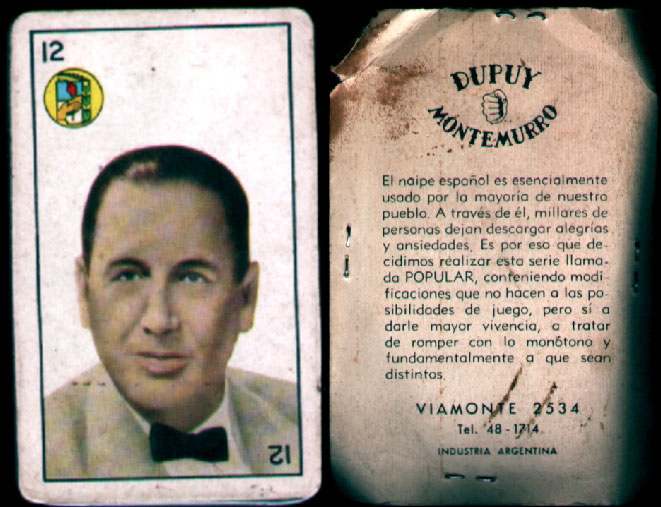
La baraja ‘Popular’, featuring Juan Domingo Perón issued at the time of Perón's election campaign in 1951. The reverse shows silhouettes of Juan Domingo Perón and his wife Evita.
Perón became president in 1946. Perón’s politics was a populism of the right, which drew its support from lower middle classes. He was strongly influenced by Mussolini, with the difference that Perón sought to co-opt and empower labour and trade unions rather than repress them. His wife Eva became an icon. Perón drew power to himself: he quarreled with the Catholic Church. In 1955 the army moved against him and he was exiled to Spain. Allowed to return in 1973, he was elected president but died in less than a year. He was succeeded by his third wife, Isabel, but soon after the army stepped in again.
La Baraja ‘Popular’, 1951
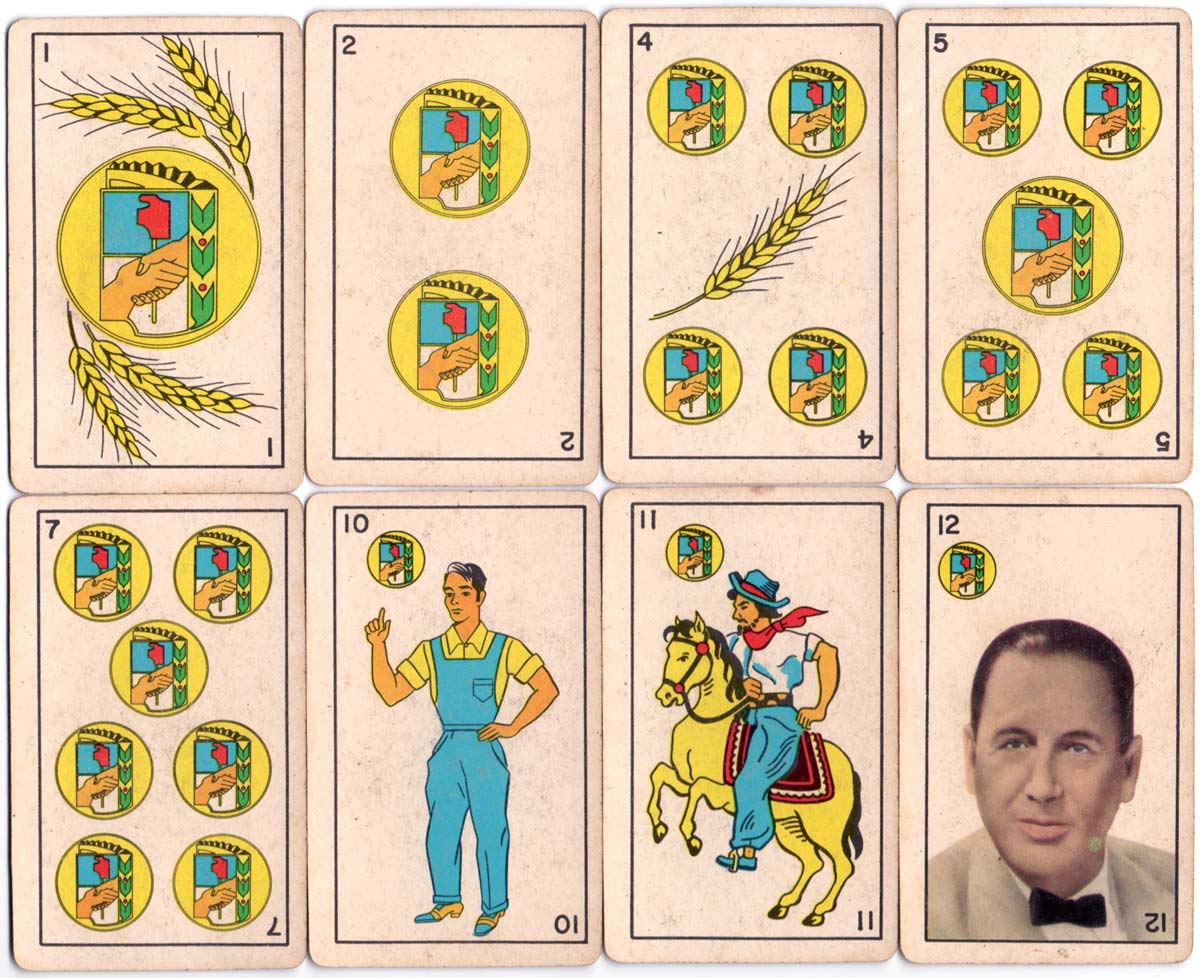
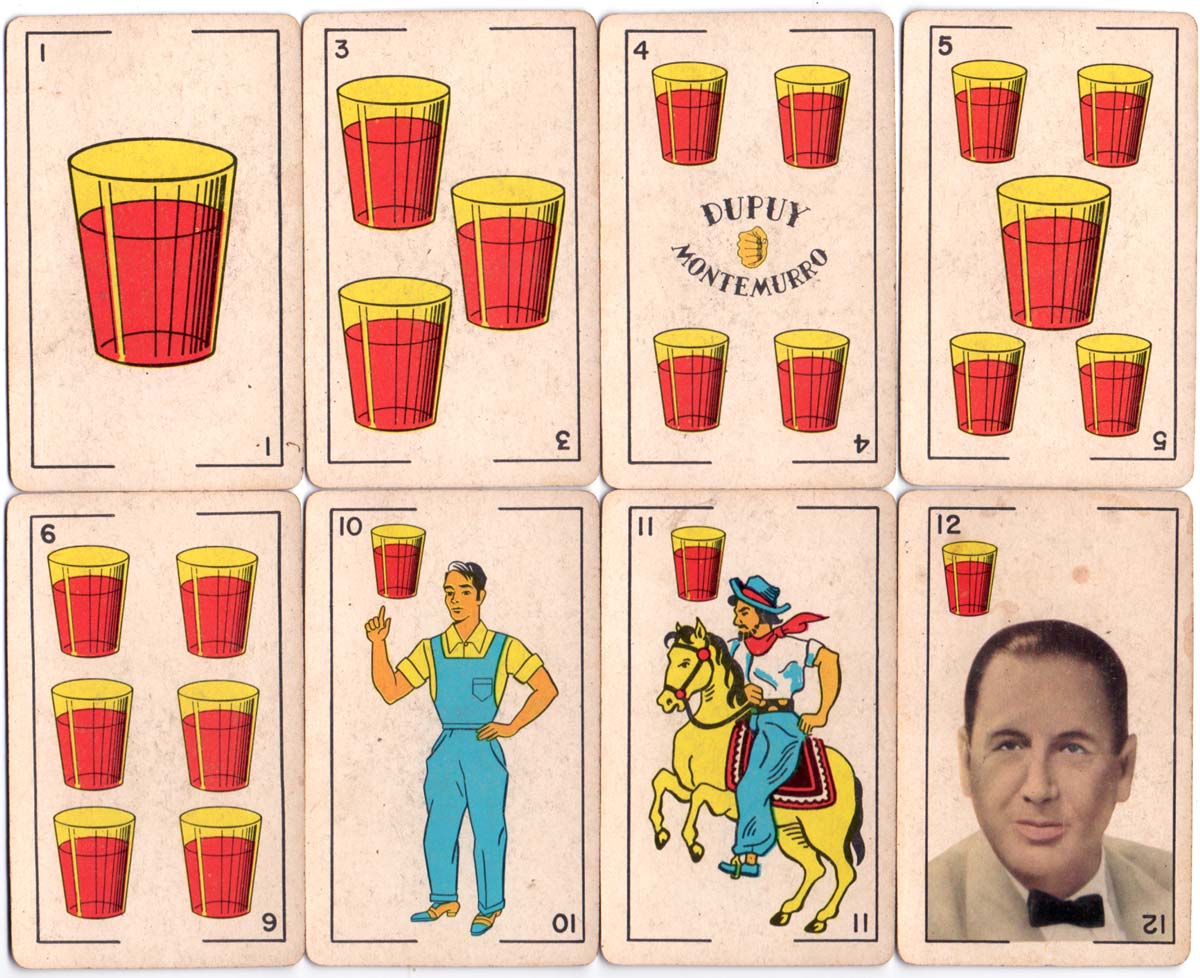
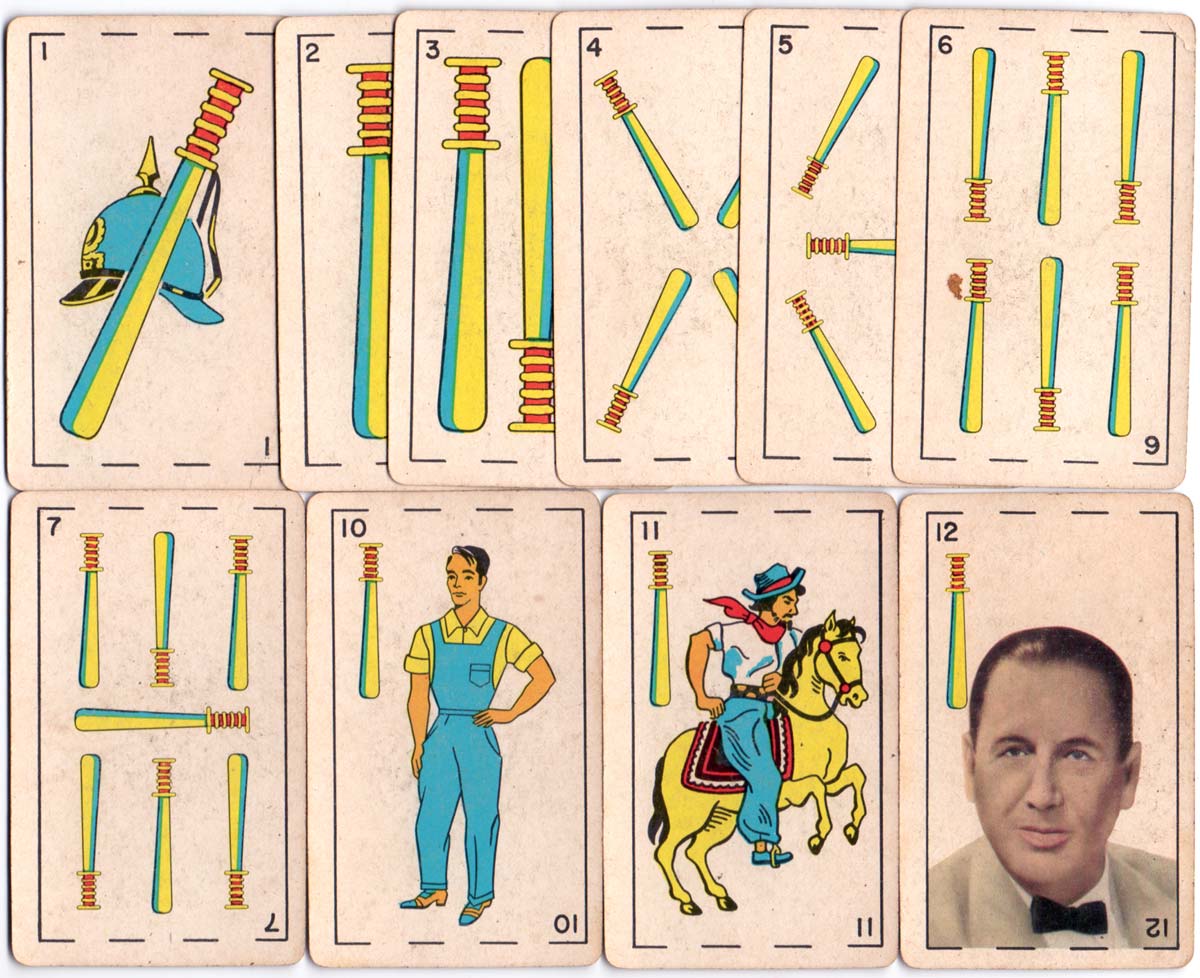
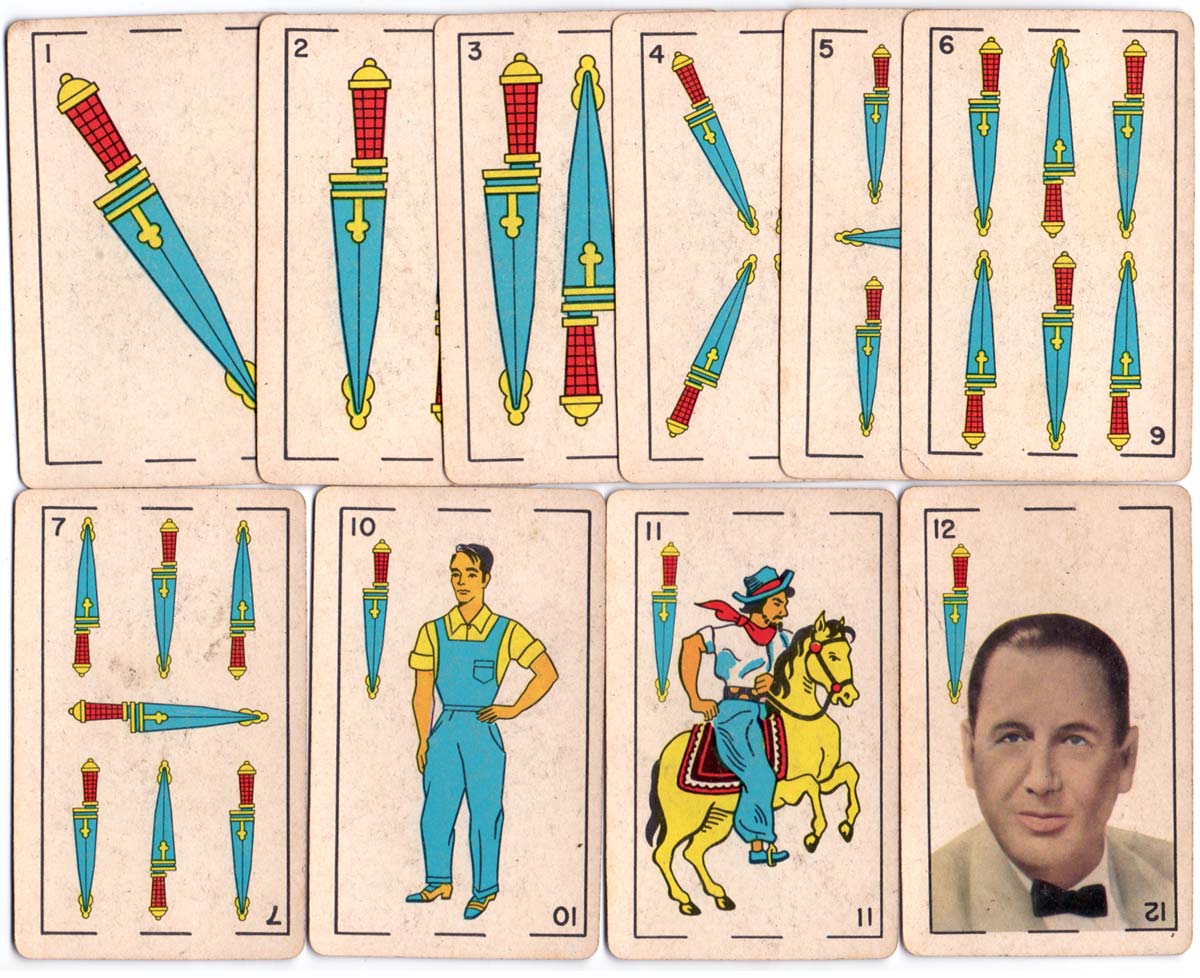
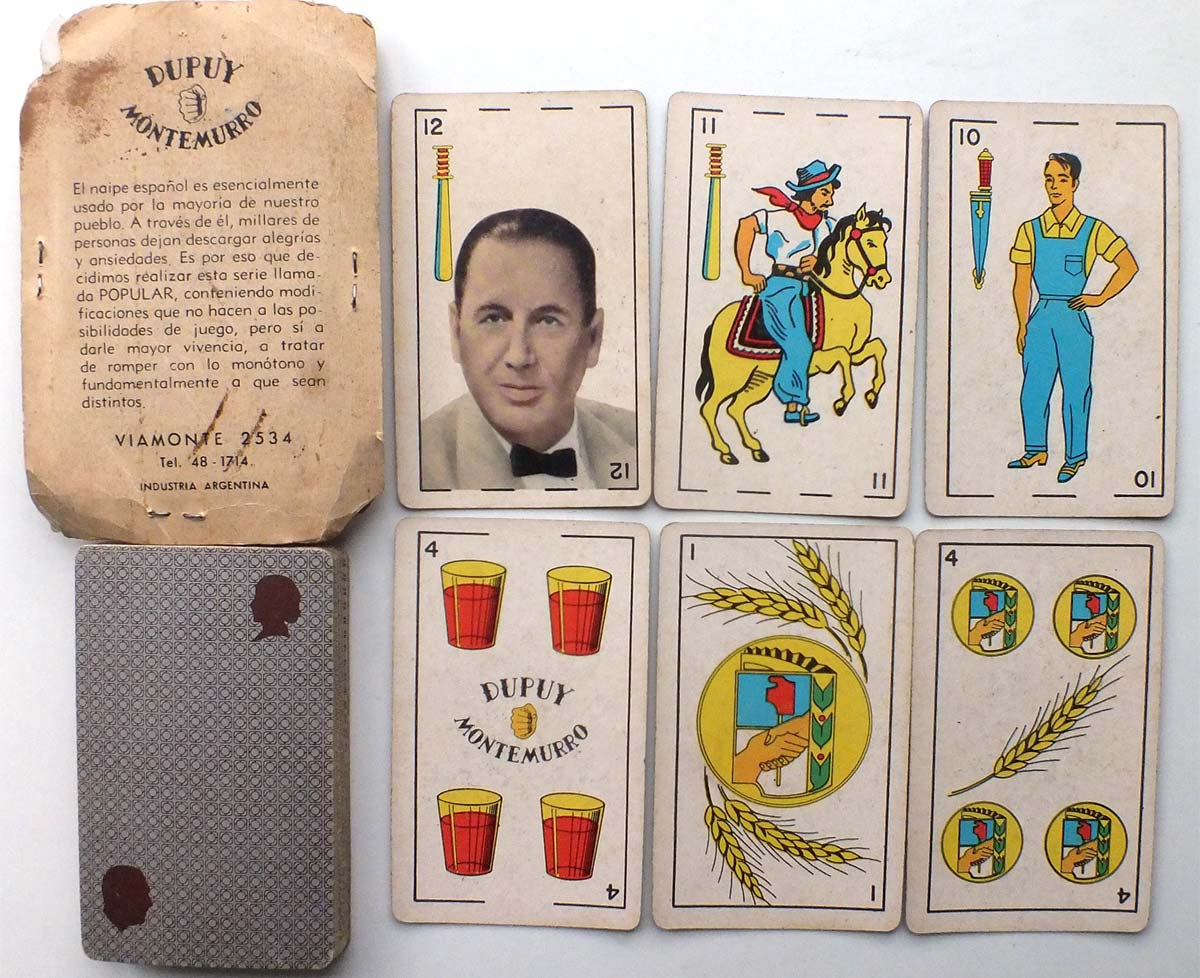
Above: cards from la baraja ‘Popular’, a 48-card pack featuring Juan Domingo Perón on all four 12s, issued at the time of Perón's election campaign in 1951. The reverse shows silhouettes of Juan Domingo Perón and his wife Evita. The symbolism in the pack reflects Perón's political agenda, including solidarity with workers and gauchos as depicted on the Jacks and Cavaliers.
The back of the wrapper reads: "El naipe español es esencialmente usado por la mayoría de nuestro pueblo. A través de él, millares de personas dejan descargar alegrías y ansiedades. Es por eso que decidimos realizar esta serie llamada POPULAR, conteniendo modificaciones que no hacen a las posibilidades de juego, pero sí a darle mayor vivencia, a tratar de romper con lo monótono y fundamentalmente a que sean distintos." See original →
Anti-Perón Satirical Pack
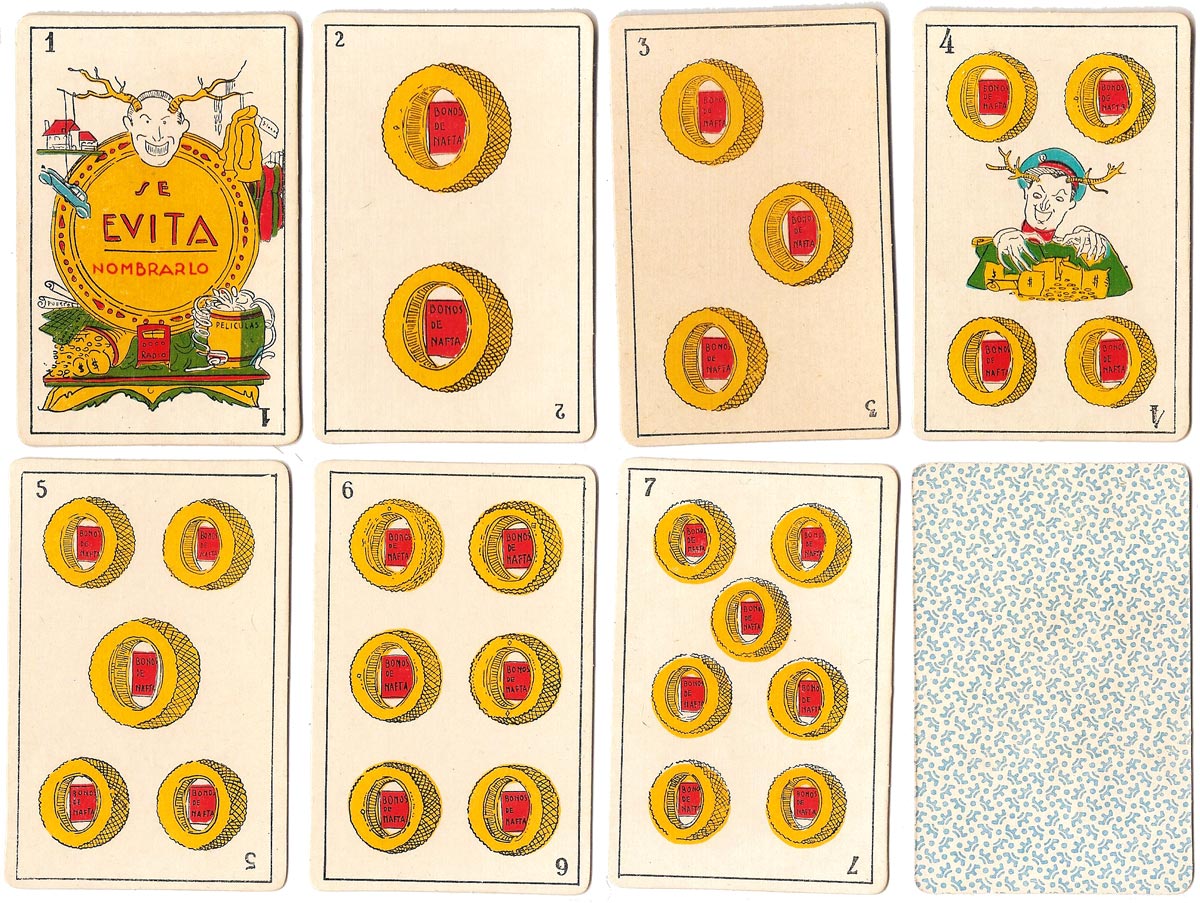
Above: cards from original edition of anti-peronist playing cards deck, issued completely anonymously. Dire consequences would have befallen the author had they been identified. The ace of coins reads "Se Evita Nombrarlo" probably alluding the banning of the Peronist political party between 1955-1973. The barrel of films is a reference to Perón having forbidden films showing his wife Evita when she was an actress. All the coin symbols (tyres) show 'nafta' petrol rationing tokens in the centre. Perón himself is depicted with horns ('cornudo') because he was impotent or sterile ('cuckold'). (Wikipedia article in Spanish)
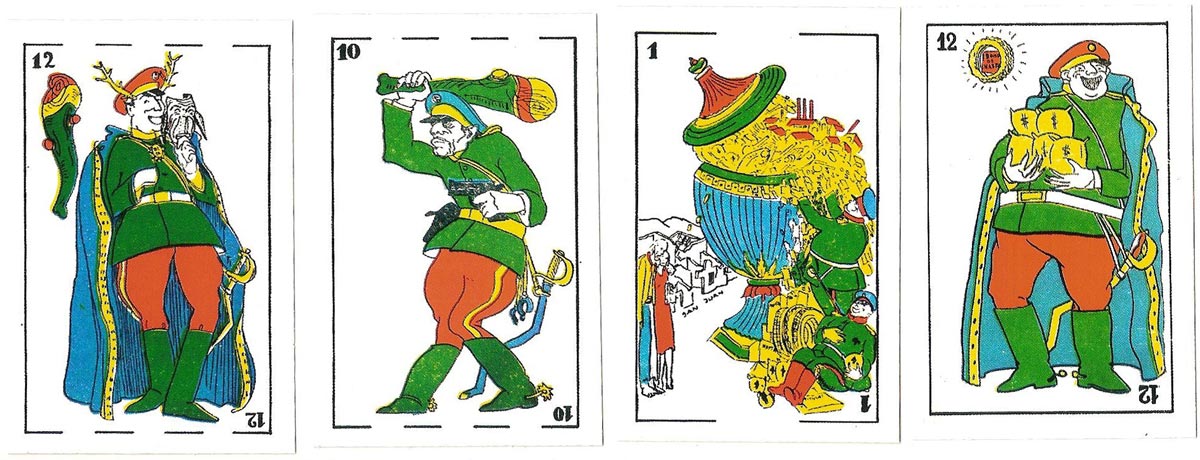
Above: four cards from the reproduction of the anti-peronist playing cards deck published by Juan José Ruiz.
The 12 of batons shows Perón wearing a mask. The 10 of batons depicts a corrupt bandit-officer of the Perón administration. The ace of cups depicts victims of the 1944 earthquake and military personnel greedily hoarding money and property which had been intended to relieve the homeless victims of the earthquake. The 12 of coins shows an official loaded with gold grinning voraciously.
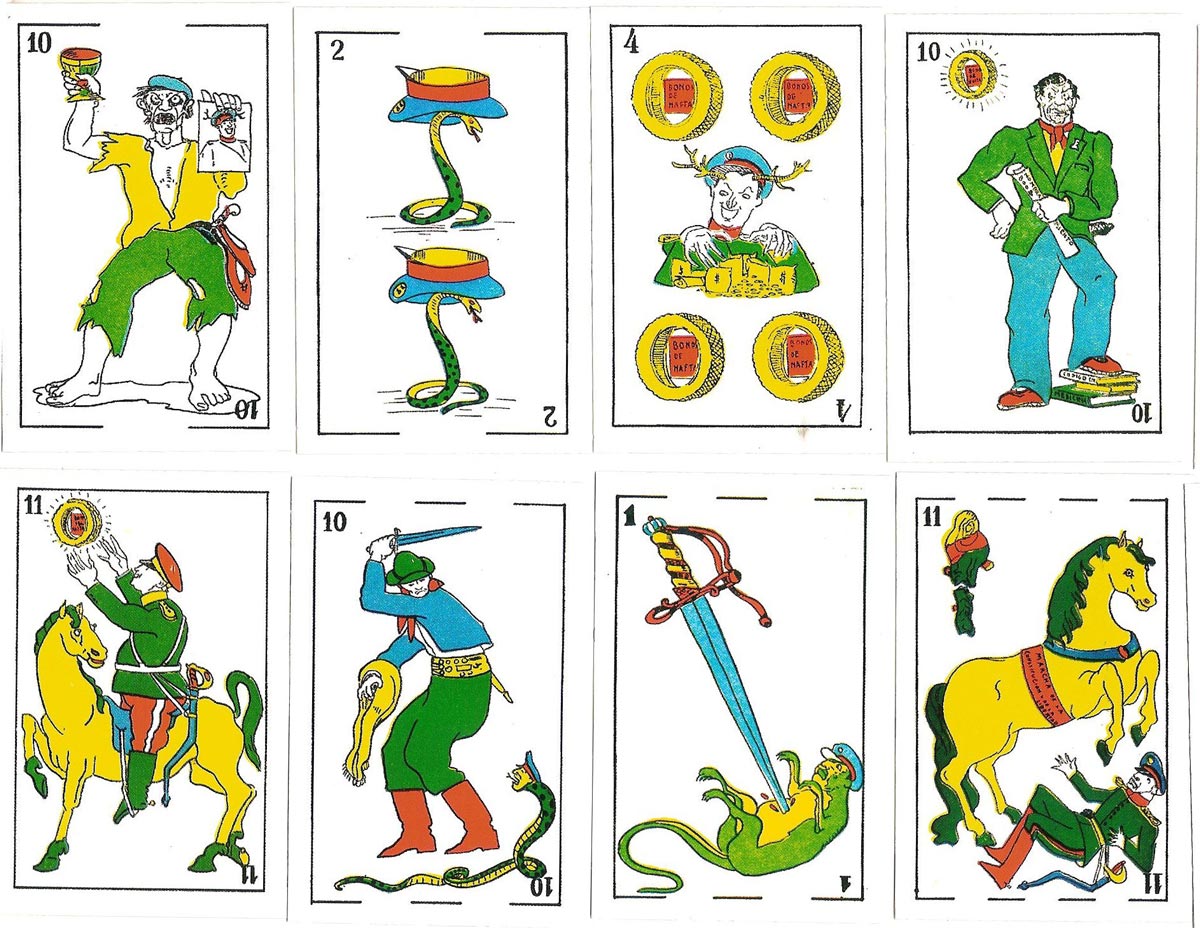
Volviendo atràs: el As de Oro se dirige a Evita y sus lujos, que claro... todavìa se rematan sus anillos por valores cientos/millones de dòlares. El Oro sigue con los Bonos de Nafta: es una clàsica alusiòn a una coima gigantesca, propia de època. Y de la cual nadie me comentò verbalmente, ni encontrè en Google.
Luego en otros se alude directamente al respaldo dado por una parte del Ejèrcito Argentino a Peròn, pero con claras alusiones que el Gaucho no lo respaldaba. Borrachos de ALTÌSIMO NIVEL, y otros DE BAJÌSIMO NIVEL (entendiendo que son caricaturas) lo respaldan a Peròn. Pero... el As de Copas no alude; directamente plantea el gran terremoto en la Provincia de San Juan, y la gran colecta nacional que se hizo, donde se reuniò importantìsima cantidad de dinero. Claro... despuès no llegò a San Juan el dinero, segùn la caricatura. Hay un individuo que aparece en las Figuras, que al final terminò siendo una simple careta: el General Juliàn Farrell, descendiente de Irlandeses. En alguna baraja, Peròn se saca la careta de Farrell !!! (ademàs, asì lo indican los artìculos). Resumiendo: es una crìtica totalmente anònima, hecha pero con miedo, y ademàs como decìs nunca vista.

By Simon Wintle
Spain • Member since February 01, 1996 • Contact
I am the founder of The World of Playing Cards (est. 1996), a website dedicated to the history, artistry and cultural significance of playing cards and tarot. Over the years I have researched various areas of the subject, acquired and traded collections and contributed as a committee member of the IPCS and graphics editor of The Playing-Card journal. Having lived in Chile, England, Wales, and now Spain, these experiences have shaped my work and passion for playing cards. Amongst my achievements is producing a limited-edition replica of a 17th-century English pack using woodblocks and stencils—a labour of love. Today, the World of Playing Cards is a global collaborative project, with my son Adam serving as the technical driving force behind its development. His innovative efforts have helped shape the site into the thriving hub it is today. You are warmly invited to become a contributor and share your enthusiasm.

Leave a Reply

Your Name
Just now Your comment here. Your comment here. Your comment here. Your comment here. Your comment here. Your comment here. Your comment here. Your comment here. Your comment here. Your comment here. Your comment here. Your comment here. Your comment here. Your comment here. Your comment here. Your comment here. Your comment here. Your comment here. Your comment here. Your comment here. Your comment here. Your comment here. Your comment here. Your comment here. Your comment here. Your comment here. Your comment here. Your comment here. Your comment here. Your comment here. Your comment here. Your comment here.
Related Articles

Cartas Precolombinas
Spanish playing cards with Pre-Columbian designs from Argentina, 2001.

Naipes Gauchescos Argentinos
“Naipes Gauchescos Argentinos” with re-styled Spanish suit-symbols reflecting Argentinean culture, 2...
La Cumparsita Tango deck
Tango playing cards manufactured in Argentina, 2001.
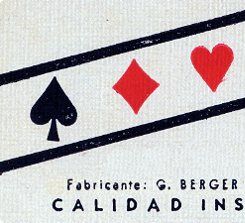
G. Berger, Buenos Aires, c.1935-50
Berger also produced a Hungarian-type "Seasons" pack with the brand name "La Estrella" and a six-poi...
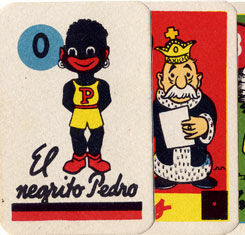
Anonymous manufacturers 1
Argentina has produced a series of anonymous decks, both Spanish-suited and Anglo-American type and ...
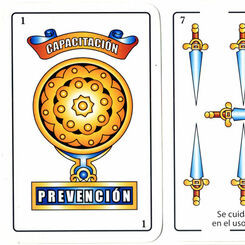
Anonymous manufacturers 2
Argentina has produced a series of anonymous decks, both Spanish-suited and Anglo-American type and ...

Standard playing cards manufactured by Joker S.A.
Standard playing cards manufactured by Joker S.A.

Alvarez Holmberg y Cia,
Alvarez Holmberg y Cia, playing card manufacturer, Buenos Aires, Argentina, c.1950-70
Argentinian Playing Cards - Naipes Argentinos
Playing cards were introduced to the Americas by Spanish explorers in the 16th century.

Naipes La Banca
Naipes La Banca, Argentina c.1970-85.

Imported Argentinean Playing Cards
There has been a number of importing agents, as well as manufacturers from other countries, who have...
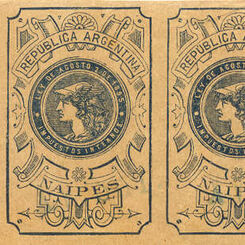
Impuestos Internos Sobre Naipes
Duty was first introduced on playing cards in Argentina in 1892, as part of the Internal Duties law,...

Cía General Fabril Financiera S.A.
Founded in 1889 as Compañía General de Fósforos, and favoured by certain economic factors, the firm ...
List of Argentinian Playing Card Manufacturers
List of Argentinian Playing Card Manufacturers from the 19th and 20th centuries.
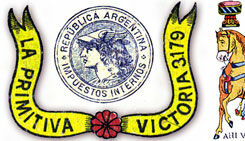
La Primitiva, Victoria 3179, Buenos Aires
La Primitiva, Victoria 3179, Buenos Aires c.1878-1920, manufacturers of paper and playing cards.
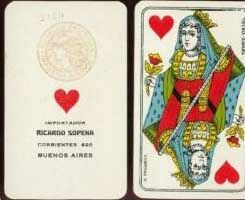
Ricardo Sopena
Argentina importing agent Ricardo Sopena, Corrientes 920, Buenos Aires
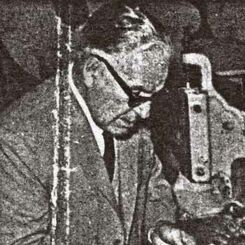
Ernesto Flaiban - Quality Control
Sr. Ernesto Flaiban, founder and president of E. Flaiban S.A., is seen here checking the quality of ...
Nascal S.R.L., Buenos Aires, 1960-80
Nascal S.R.L., Paisandu 760, Buenos Aires c.1960-80, manufacturers of plastic playing cards.
Argentine Political Cards
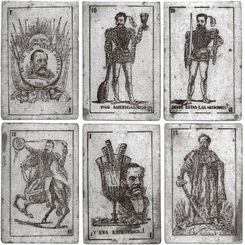
Political Playing Cards, Buenos Aires, 1890.

Souvenir Playing Cards
Argentina publishes many tourist souvenir packs, usually with colour pictures on each card, and with...
Most Popular
Our top articles from the past 60 days