


Australian Excise Duty
Excise Duty was introduced on Australian playing cards in 1932
Australian Excise Duty
The key date is the introduction of the Excise Duty in 1932. From then onward all Australian manufacturers had to have their code number printed on each pack, as well as ‘Made In Australia’. This makes it much easier to identify decks, as prior to 1932 there was no such requirement, and often our local decks can look just like ones printed overseas. Taxation on playing cards was repealed in 1983.
The codes were usually in a circle or a triangle and are as follows:
NSW
Paper Products (Reed Paper Products) 1/4
VIC
Sands McDougall 1/3
Spicer Detmold 2/3
Hudson Industries 3/3
None known for QLD, Tas, WA or SA. This numbering was also used on matches, cigarettes and beer.
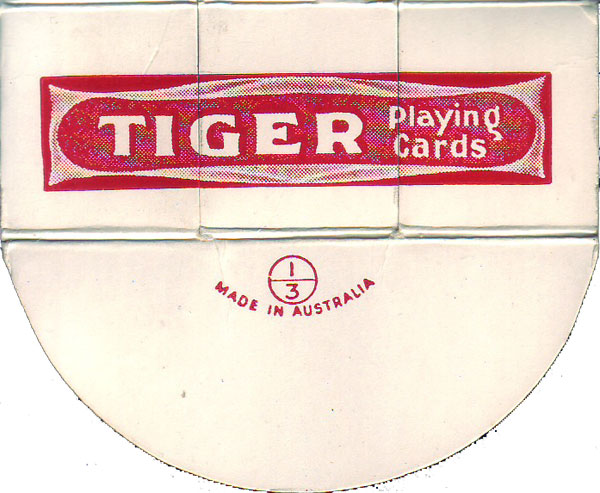
Above: Tiger brand by Sands & McDougall.
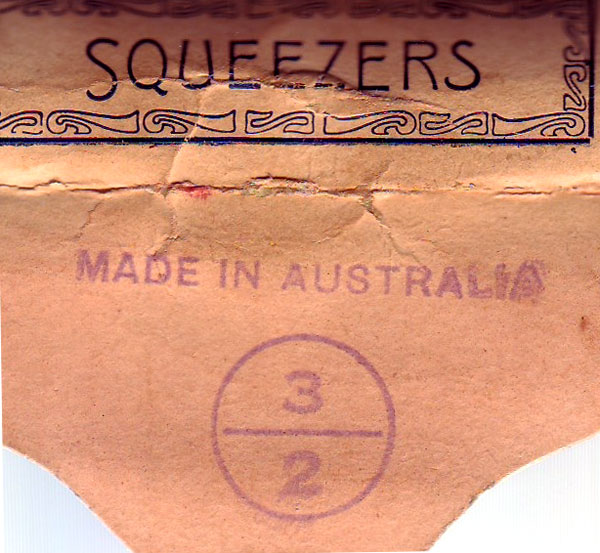
Above: the 3/2 off an ‘Alligator’ deck was supposed to be 2/3, from the early days before the printers got sorted with the new regulations. Also has the ‘squeezers’ name. as per USA decks.
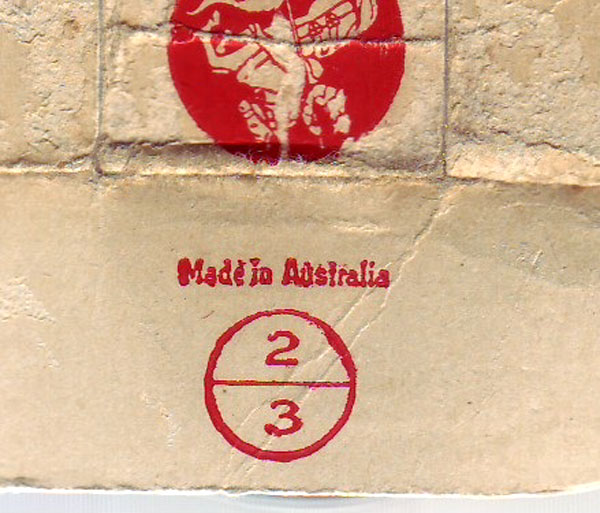
Above: St George brand by Spicer Detmold.
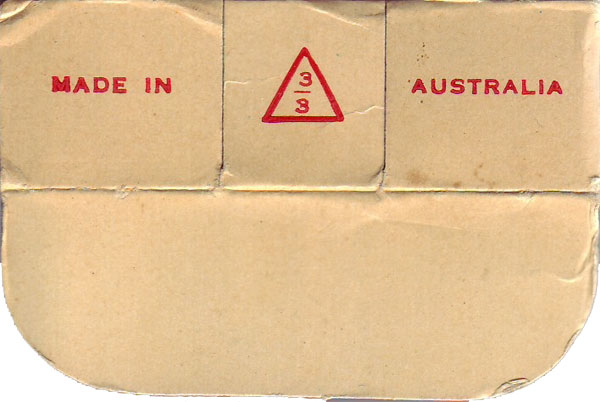
Above: Hudson Industries.
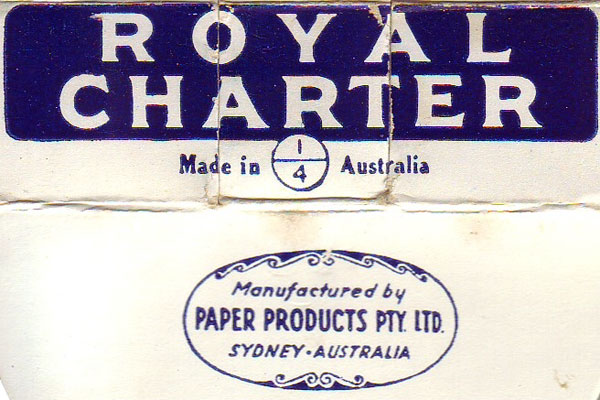
Above: Paper Products (Reed Paper Products).
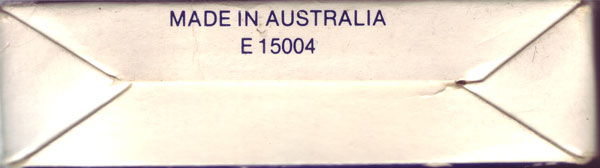
Above: E codes were introduced from mid 1970s until 1983. Spicers Paper Ltd.
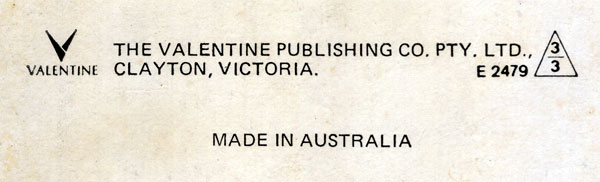
Above: Valentine (also has the older 3/3 mark).
By John Daniels
Australia • Member since January 05, 2015

Activity for Australian Excise Duty
Sign in to comment or save this article.

Related Articles
Los Maffei y la marca “El León”
Mariano Maffei (Mafei) Cano, 1818-1840.

Early Cadiz pattern by Marchan
Typical early Cadiz pattern by Marchan of Cadiz, 1817.
Moguls, Highlanders and Merry Andrews
Discover the historic origins and evolution of card naming and quality designations like ‘Moguls’ an...
The Henry Hart Puzzle
Explore the intricate history and unique design variations of Henry Hart's playing cards, tracing th...
73: Fakes, forgeries and Tax Evasion
When there are official taxes to pay, people will find a way to avoid paying them - often illegally....
Russian Playing Card History - From the Beginnings to 1917
An in-depth review of the history of card-playing, gambling, legislation, manufacture and taxation o...
Russian Playing Card Monopoly
The Russian Playing Card Monopoly was established in March 1798 with all revenue going to support th...
72: The Ace of Spades
In standard English packs the Ace of Spades is associated with decorative designs. This is a histori...
66: Adverts and related material 1862-1900
Some further material relating to cards from nineteenth and twentieth century periodicals.
Greek Heroes
Playing Cards manufactured by Aspioti Elka A.E., 1960, with ancient greek-style courts.

Tunisia
Playing Cards in Tunisia. Chkobba is one of the most popular card games in Tunisia, mainly played by...
Tax on Spanish Playing Cards
Taxation on Spanish playing cards, the monopolies and smuggling.
Fours of Cups
Over the years the company evolved, and changes in the company's name and address can be seen reflec...
Argentina Tax Stamps on playing cards 1895-1968
Argentina Tax Stamps on playing cards 1895-1968
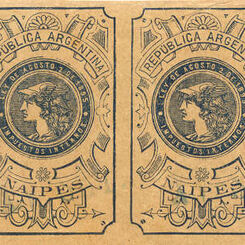
Impuestos Internos Sobre Naipes
Duty was first introduced on playing cards in Argentina in 1892, as part of the Internal Duties law,...

Estanco de Naipes del Perú
In October 1888 the Republic of Peru Congress passed Law no.26 establishing taxes on playing cards, ...
United Kingdom
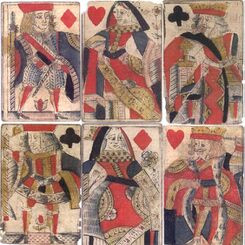
Playing cards first arrived in England during the 15th century, but none have survived from such an ...
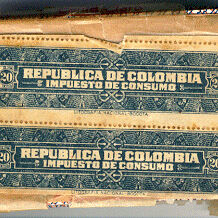
Impuesto de Timbre para Naipes
EL CONGRESO DE COLOMBIA. LEY 69 DE 1946, por la cual se elevan las tarifas de algunos impuestos indi...

Uruguay playing card tax
In 1806 the Council of Concepción del Uruguay imposed an 8 Peso tax on card and billiard tables on a...
Most Popular
Our top articles from the past 60 days


