


Ganjifa - Playing Cards from India
Indian playing cards, known as Ganjifa, feature intricate designs with twelve suits and are traditionally hand-painted.

Above: Ten of Ghulam suit, showing ten court assistants.
Playing cards were made in India at least as long ago as around 1500. It is not certain whether they pre-date European and Middle-Eastern cards, but there is enough similarity to say that they are related. ‘Ganjifa’ is the name of a game commonly played with the cards, as well as the cards themselves.
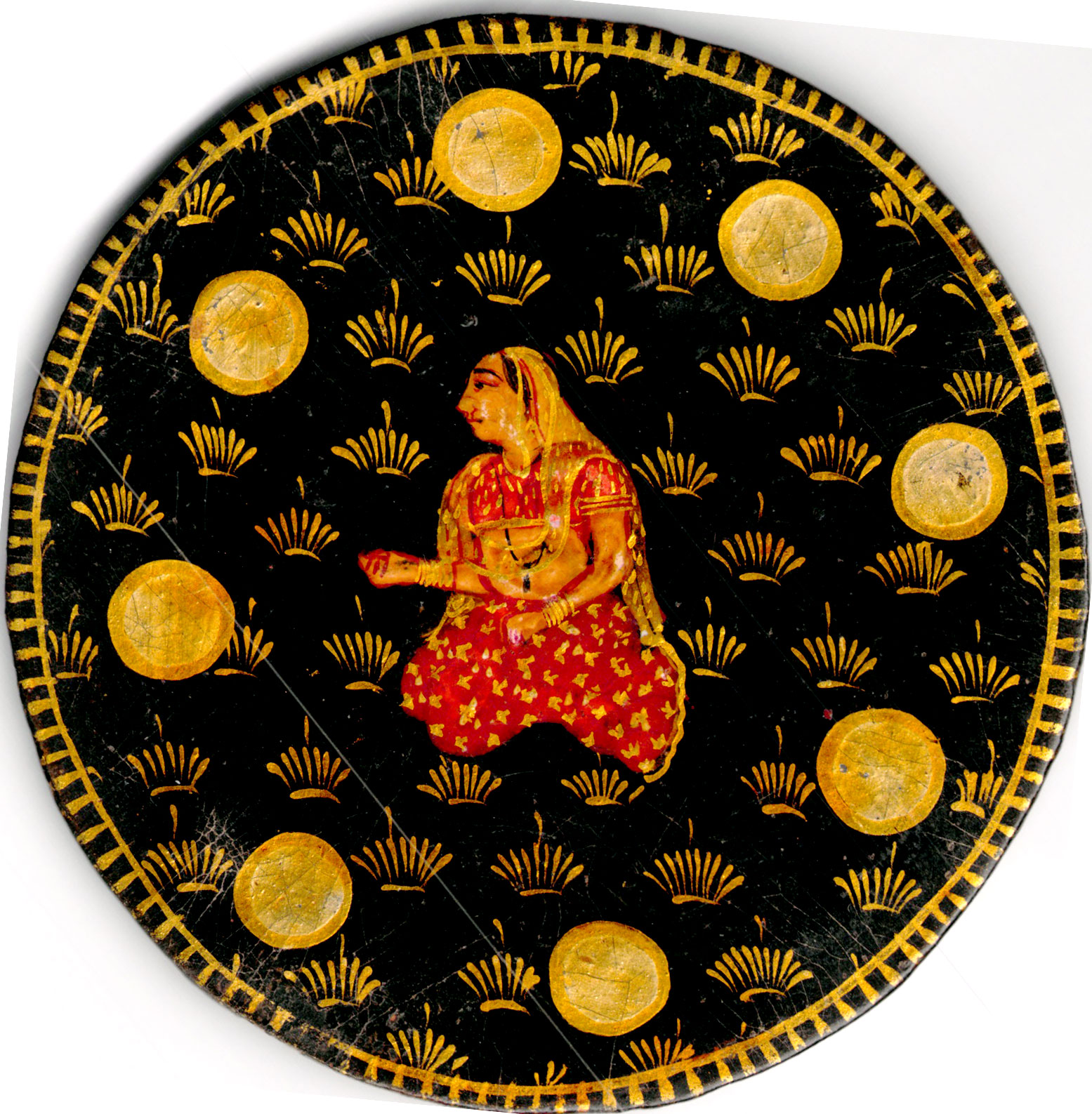
Above: The 8 of Surkh (gold coins).
Indian cards are arranged in suits of twelve. They have two court figures – a Shah or Mir (King) and a Wazir (Minister) and ten numerals. The most common arrangement has eight suits, so 96 cards in all, probably coming from combining two sets of 48.
The suits relate to the Court of a wealthy ruler:
- Taj – a crown representing the court and its regalia
- Safed – white or silver, and meaning a coin, also associated with the moon
- Shamsher – a curved sword and sometimes shown with military figures
- Ghulam – an assistant with many possible roles
- Chang – a small harp, relating to entertainment
- Surkh – meaning red or gold and also associated with the sun
- Barat – a document, related to the chancellery of the court
- Qimash – household items, often shown as a cushion.
In the Ghulam suit, number cards show groups of people and are often interesting designs. Many of the other numerals have people or animals added. The Chang suit often depicts the harem, where music was played, so the cards often have female characters.
Ganjifa are traditionally circular and made by hand painting onto thick card and then lacquering. Some are more lavishly produced on materials like ivory and brass. As these cards are so beautifully painted, it is a little sad that the makers are not identified.
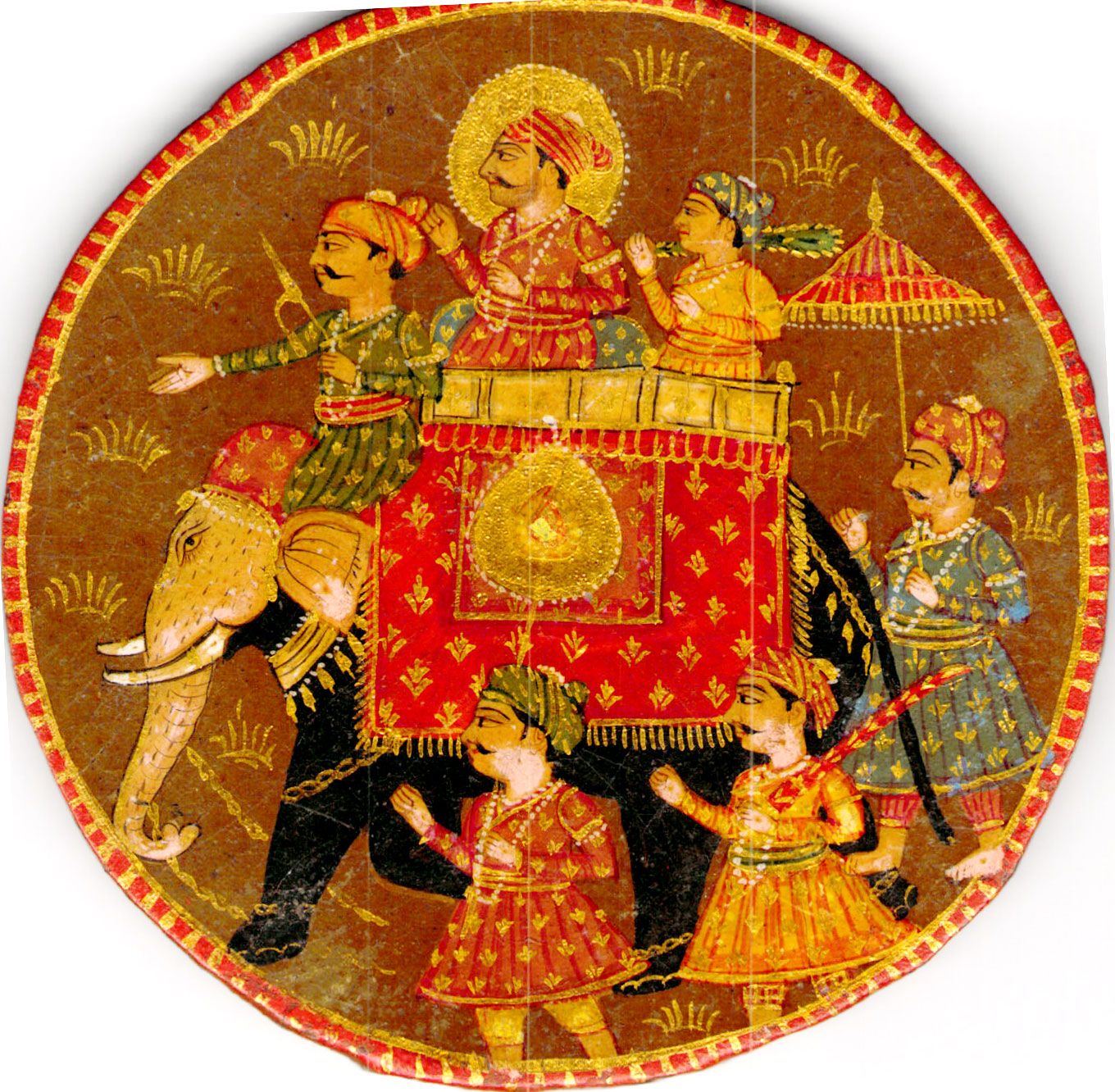
Left: Single Mughal Ganjifa court card. Mir of Surkh (King of gold coins) 1850-1875.
References
- von Leyden, Rudolf: Ganjifa — The Playing Cards of India — A general survey, with a catalogue of the Victoria and Albert Museum Collection; 1982.

By Paul Bostock
United Kingdom • Member since May 07, 2024
Paul has been a collector of playing cards since his early teenage years, the mid 1970s. In the last 20 years or so he has specialised in standard English cards and their story. His collection, including many other English Standards, are featured on his website plainbacks.com. Paul is currently editor of Clear the Decks, the Journal of 52 Plus Joker, the American club for playing card collectors, and is a member of the IPCS Council, an EPCS member and a Past Master of the Worshipful Company of Makers of Playing cards, a City of London livery company.

Activity for Ganjifa - Playing Cards from India
Sign in to comment or save this article.

Related Articles
The archaic “Classic Madrid” Pattern
Centralisation, standardisation and consolidation of the Spanish card tradition.
Nabagunjara Ganjifa
An ancient game from the Puri region of India.
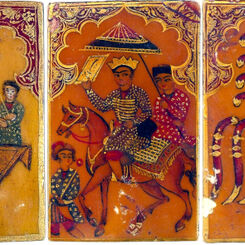
Persian Ganjifa
Hand-painted Persian ganjifa cards reflecting a once-popular eight-suited card game.
Advice and General Knowledge for Newer Collectors
A little general knowledge goes a long way for newer collectors, helping you choose a focus and unde...
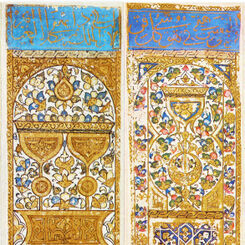
Mamluk Cards and the Making of the European Deck
Mamluk “naib” cards — four suits with named courts — offer a persuasive clue to how playing c...
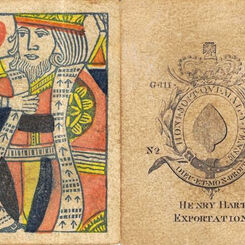
The Henry Hart Puzzle
Explore the intricate history and unique design variations of Henry Hart's playing cards, tracing th...
Why our playing-cards look the way they do
Analysis of early playing card designs: origins, suit differences, standardization, technological ad...
Introduction to Collecting Themes
Playing cards can be broadly categorised into standard and non-standard designs, with collectors app...
Handmade Ganjifa Birds Playing Cards
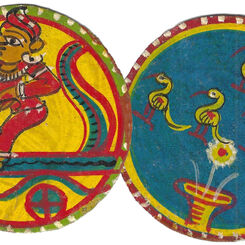
This set of Ganjifa cards is a beautiful example of traditional cards from India.
Antoine de Logiriera
Archaic Spanish-suited playing cards published in Toulouse by Antoine de Logiriera (1495-1518).
Ganjifa™
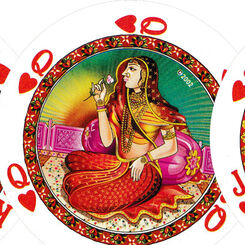
A colourful pack of round cards with Ganjifa designs by Asha Industries, Mumbai, India, 2002.
Guru Ganjifa
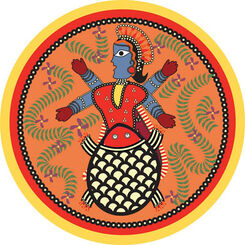
Sunish Chabba is working on an initiative to revive traditional Ganjifa, the card game most popular ...
Indian Ganjifa Playing Cards
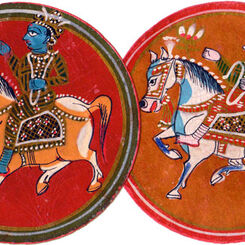
‘Ganjifa’ playing cards made in Sheopor in the North of Madhya Pradesh province in Central India. Th...
Suicide King
The King of Hearts, holding a sword behind his head, is sometimes nicknamed the “Suicide King”. He c...
Chitrashala Press
Chitrashala Press produced some charming children's pictorial alphabet cards for early learning purp...
Lyon Pattern type iii
This pattern was used in various parts of eastern France but was ultimately replaced by the official...
1: Playing Cards and their History: An Introduction and some links to other sites
What was considered the first mention of playing cards in England is in 1463 when Edward I banned th...
History of Blackjack
Over the years the origin of Blackjack, like many other games, has eluded researchers for a long tim...
Mamluk Playing Cards
Nã'ib, the game of lieutenants... these cards are amongst the earliest Arabic playing cards ext...
Dasavatara Ganjifa from India
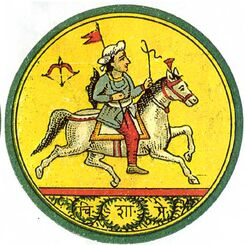
Chromo-lithograph Ganjifa cards by the Chitrasala Press, around 1950. Ten suits of twelve cards, eac...
Most Popular
Our top articles from the past 60 days


Adam Wintle
17 April 2026, 13:56SavedSaved this article to Strange Decks and Unusual Systems