


Archaeological find: old playing cards under the floorboards
The municipal archaeological service in Dordrecht (Netherlands) recently found some antique playing cards under the floorboards inside an old public bar.
The municipal archaeological service in Dordrecht (Netherlands) recently found some old playing cards under the floorboards inside a bar formerly called ‘Hof van Holland’, located at Kuipershaven 11 in Dordrecht. Second only to antique book bindings, this is a favourite location to discover old cards.
This shop/bar was active between c.1650 and 1800. The venue was sold in 1807 whereupon the first floor most likely was no longer used as a public space.
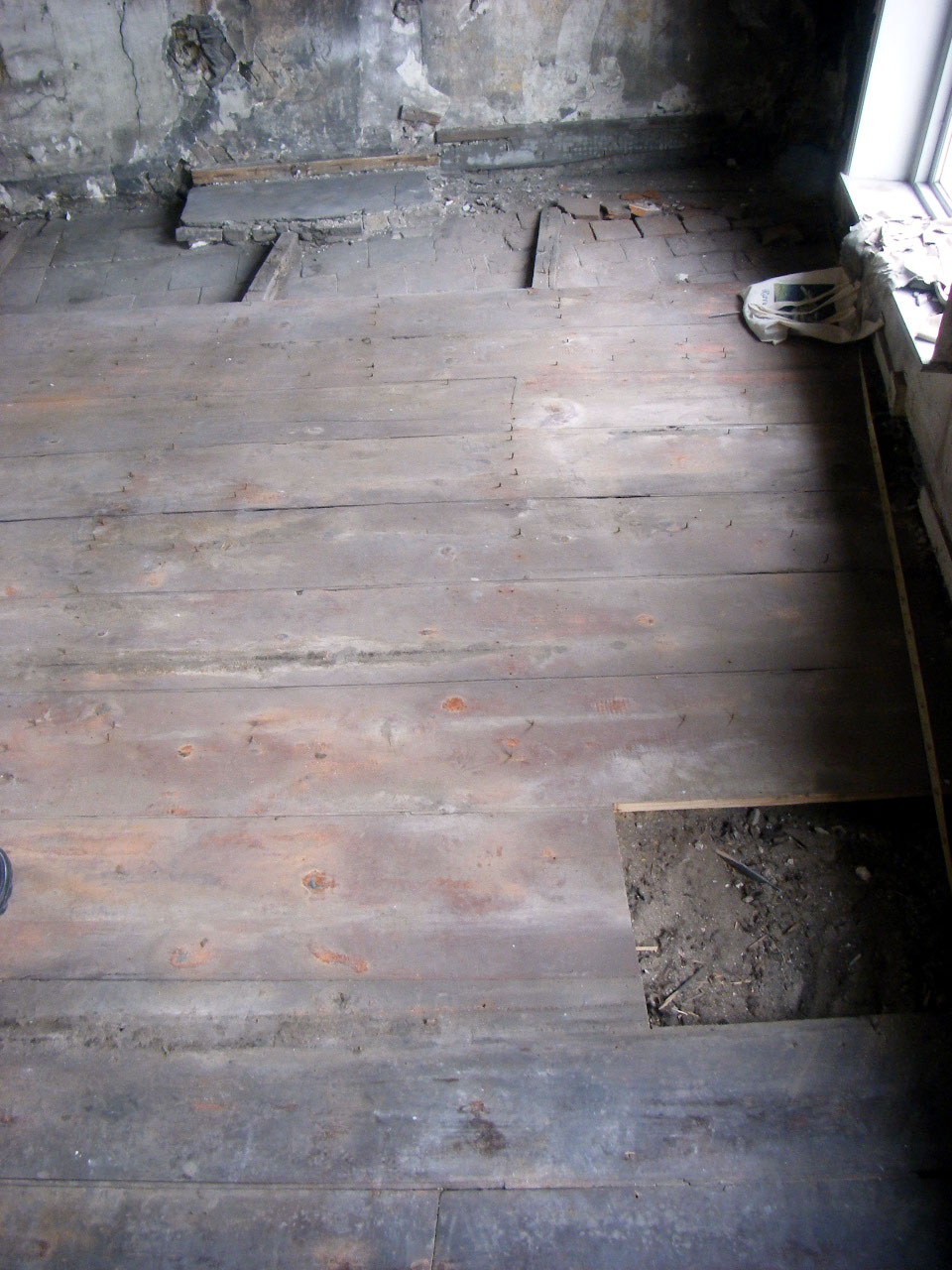
Above: the location under the floorboards where the old playing cards were discovered.
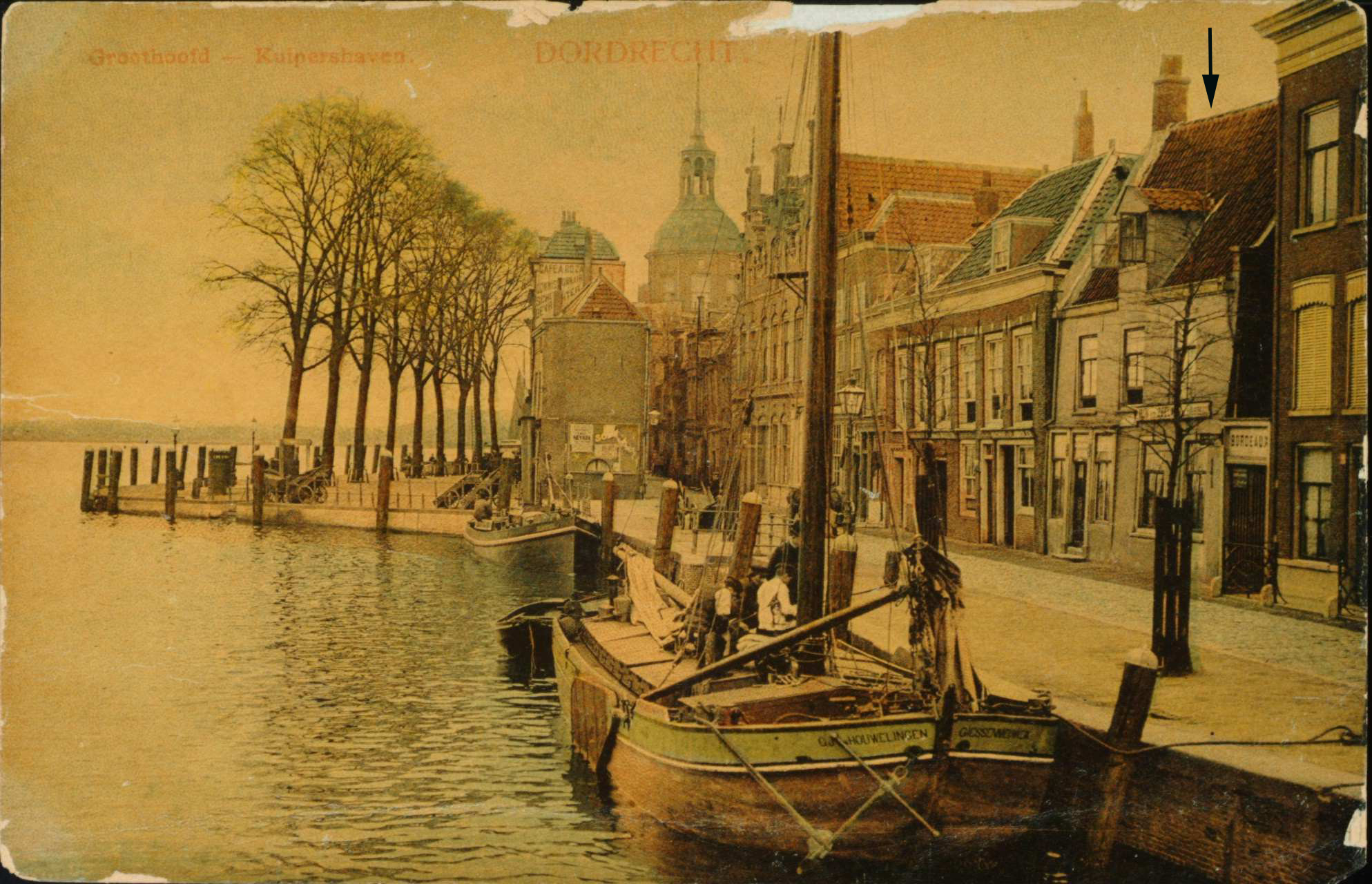
Above: the bar was located at Kuipershaven 11 in Dordrecht. The left-hand view shows the building on an old postcard, dated c.1900-1906, reference: RAD (Regional Archive Dordrecht) inventory nr. 552_402007. The right-hand photo is a picture of Kuipershaven 11 as it is today.
On the first floor there were two floors. The first was a tile floor which can be dated between 1580 and 1688. The second was a raised wooden floor. In between was an open space which served as an “artefact-trap” for all the small items that disappeared between the cracks in the floor. We found a rich find among which are smoking-pipes, coins and playing/game-items such as these cards, dice and wooden game pieces.
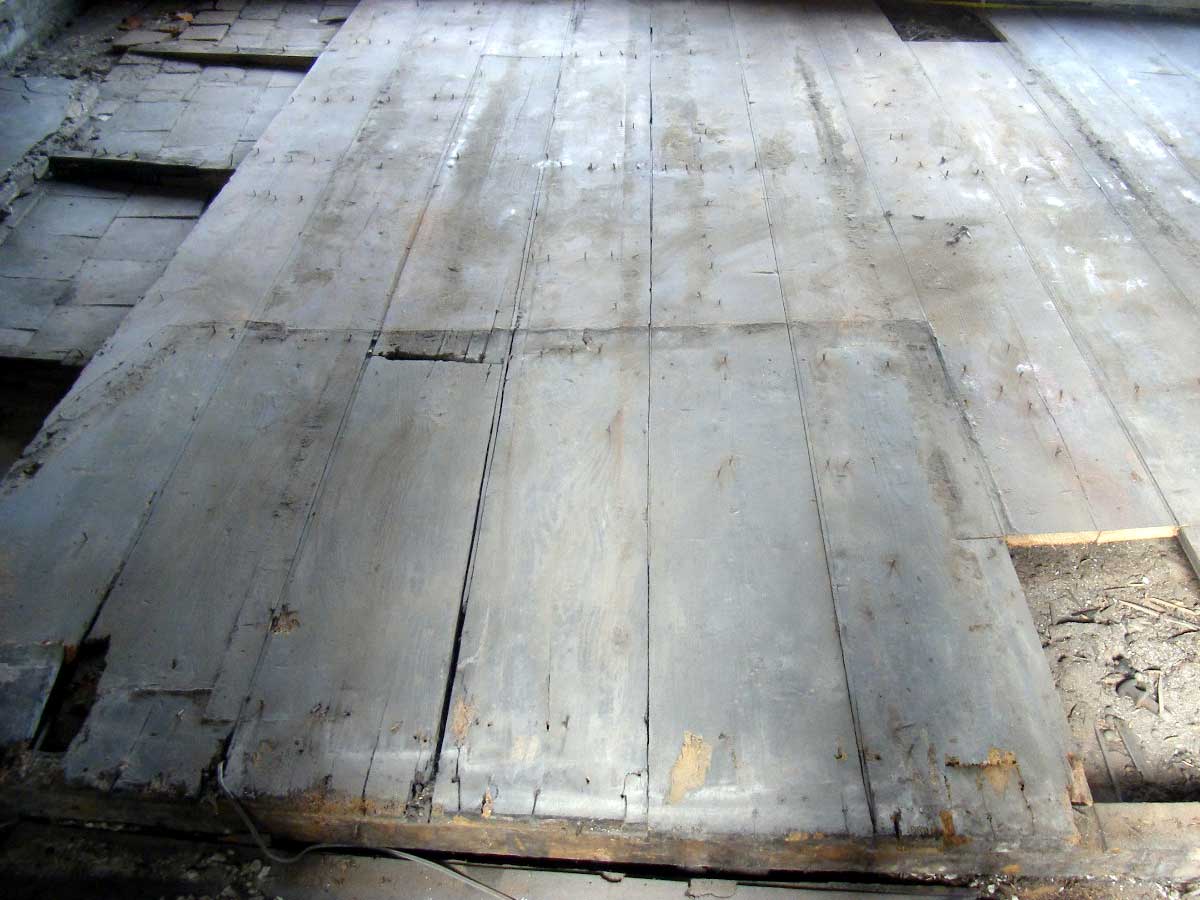
Above: photograph of the situation on the first floor during our research, which shows the older (16th-17th century) tile floor, the subsequent wooden floor (start 18th century - 1939) and the sand/dust layer in between in which the cards were found.
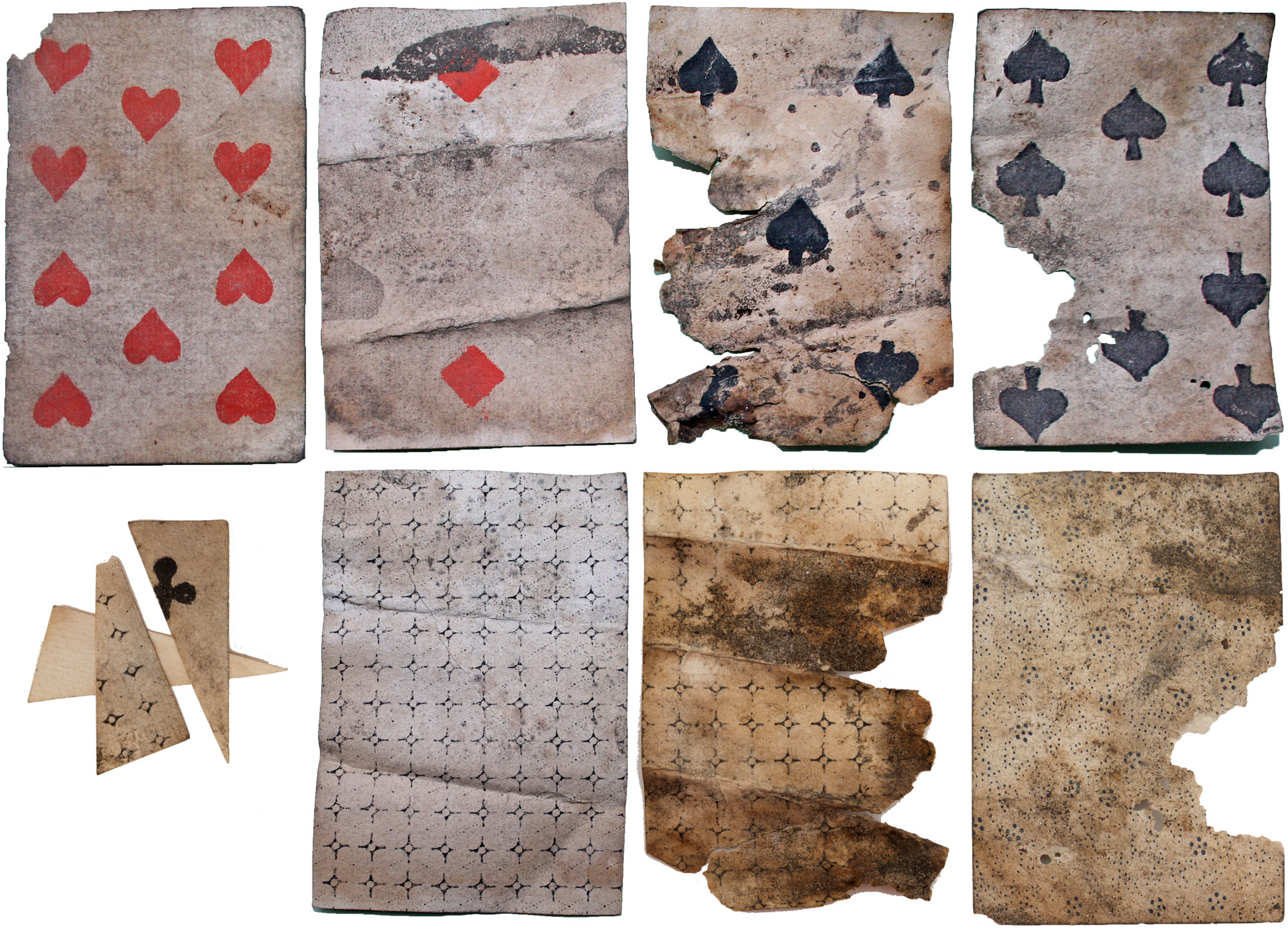
Above: five fragmentary playing cards discovered under the floorboards belonging to two similar decks. (Click image to zoom). The spades symbols have a slightly different shape in each deck. The cards can be dated from the first half of the 19th century, that is 1800 - 1850. The back patterns are repeating motifs produced by a mechanical method, "stars" or "dots-and-stylistic-flowers". The pip cards are double-ended rather than single-ended and without index numbers. Because there is a ten of hearts then we may assume that the complete deck(s) contained 52 cards: A-10, J, Q, K. In the small triangular fragment (bottom left) with a club symbol, the three layers of card have become separated. This is of course the completely normal manufacturing method. Coins from the same context date until the end of the 18th century and we know that this shop/pub was sold in 1807 whereby the first floor most likely was no longer used as a public space. Thanks to Jean Darquenne for assistance with dating the cards.
PHOTO CREDITS: all photos taken by M.C. Dorst of the archaeological service of the municipality of Dordrecht www.archeologiedordrecht.nl→
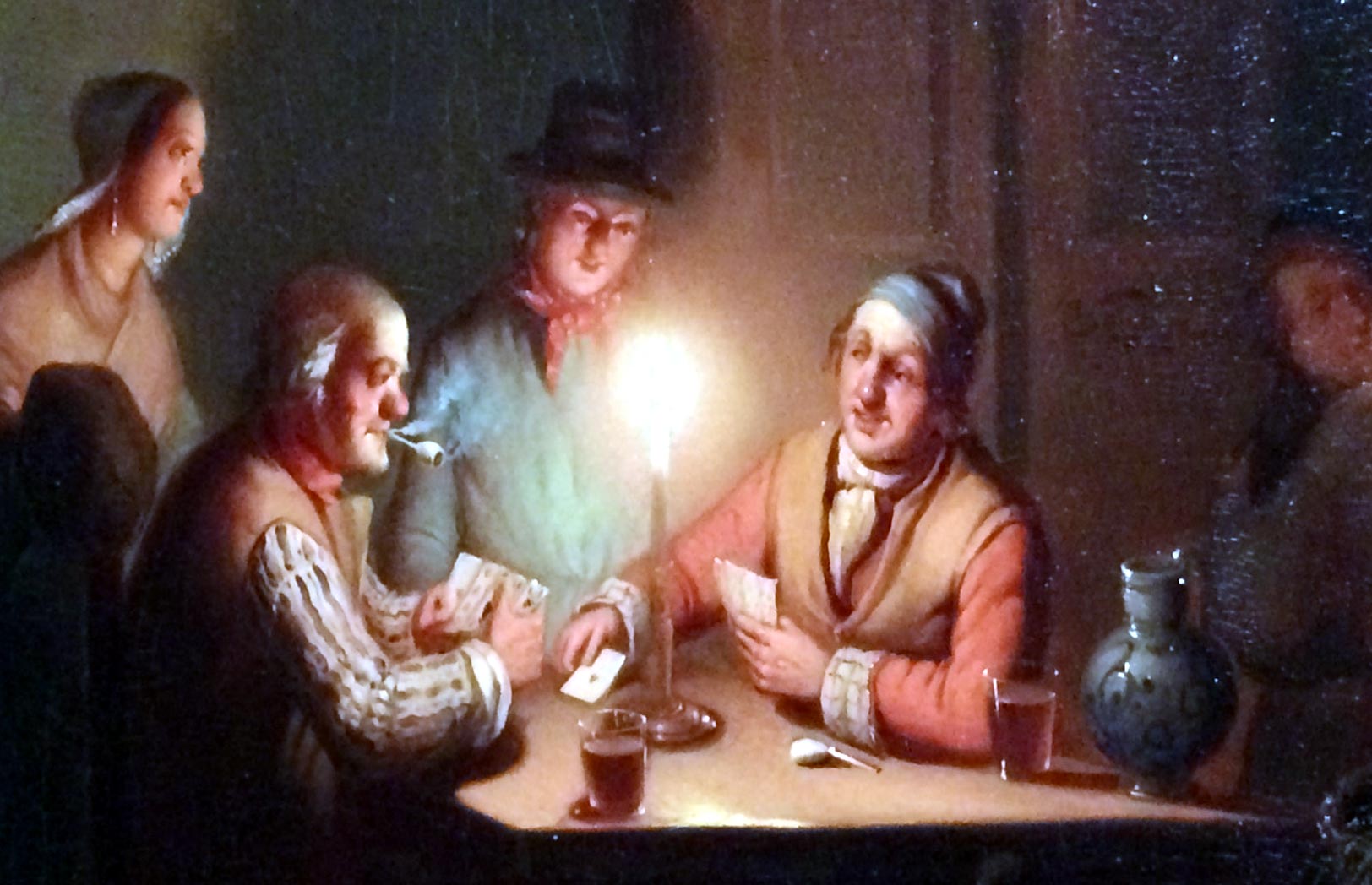
Card Players by Candlelight, Johan Mengels Culverhouse (c.1820-1891).

By Simon Wintle
Spain • Member since February 01, 1996
I am the founder of The World of Playing Cards (est. 1996), a website dedicated to the history, artistry and cultural significance of playing cards and tarot. Over the years I have researched various areas of the subject, acquired and traded collections and contributed as a committee member of the IPCS and graphics editor of The Playing-Card journal. Having lived in Chile, England, Wales, and now Spain, these experiences have shaped my work and passion for playing cards. Amongst my achievements is producing a limited-edition replica of a 17th-century English pack using woodblocks and stencils—a labour of love. Today, the World of Playing Cards is a global collaborative project, with my son Adam serving as the technical driving force behind its development. His innovative efforts have helped shape the site into the thriving hub it is today. You are warmly invited to become a contributor and share your enthusiasm.

Activity for Archaeological find: old playing cards under the floorboards
Sign in to comment or save this article.

Related Articles
La baraja de Almagro
De la chimenea al monumento nacional: la baraja de Almagro y el renacer del corral de comedias.
Ganjifa - Playing Cards from India
Indian playing cards, known as Ganjifa, feature intricate designs with twelve suits and are traditio...
Sevilla 1647 reproduction
Facsimile of Spanish-suited pack produced in Sevilla, Spain, 1647.
73: Fakes, forgeries and Tax Evasion
When there are official taxes to pay, people will find a way to avoid paying them - often illegally....
Dutch costume playing cards from an unknown maker
Another pack of Dutch costume playing cards c.1880.
Playing Cards: A Secret History
Playing Cards: A Secret History

History of Playing Cards explained in 5 Minutes
Video by Art of Impossible. In this video you will get a short overview of the most important histor...
70: Woodblock and stencil : the spade courts
This is a presentation in a more straight forward fashion of the work done by Paul Bostock and me in...
64: The descendants of the French regional patterns: 2
A continuation oF the development of the off-spring of the Paris patterns and a few examples of how ...
Trentine Pattern
Trentine Pattern
Carel de Wagenaer
Facsimile edition of cards first published by Carel de Wagenaer, Amsterdam in c.1698
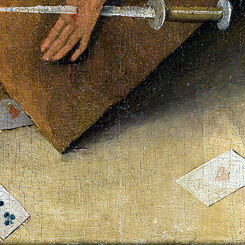
Hidden meanings in painting by Jheronimus Bosch
Medieval View of Gambling in the ‘Garden of Earthly Delights’ by Jheronimus Bosch
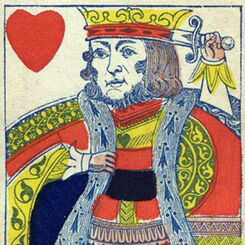
Suicide King
The King of Hearts, holding a sword behind his head, is sometimes nicknamed the “Suicide King”. He c...
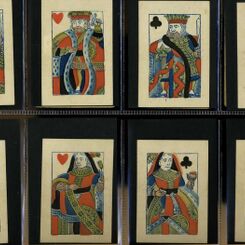
19: 19th Century Breaks with Tradition - Unusual versions of the Standard English Pattern
The centuries-long tradition of English court cards was subject to misinterpretation and in some cas...
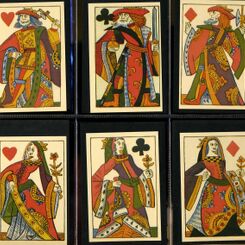
1: Playing Cards and their History: An Introduction and some links to other sites
What was considered the first mention of playing cards in England is in 1463 when Edward I banned th...
Netherlands
Playing cards have been known in the Low Countries since the 14th century
Paris Pattern
The Paris pattern was established as such around the middle of the seventeenth century (based, perha...
Italian Playing Cards
The first reliable evidence that playing cards were being used in Italy is from 1376, when a game ca...
The History of Playing Cards
Playing cards appear in European records in the late 14th century, but their earlier history lies fu...
Early Spanish/Portuguese type
Fragment of a sheet of archaic Spanish-suited 'Dragon' playing cards found during restoration of a h...
Most Popular
Our top articles from the past 60 days


