


Neapolitan Pattern
Cartine da Gioco Vesuvio miniature Neapolitan pattern.
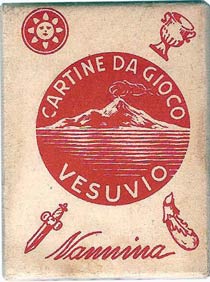
Cartine da Gioco Vesuvio Nannina children's playing cards, 40 cards, size: 48x35 mms. The Naples or Neapolitan pattern has much the same origins as the Sicilian pattern, many figures clearly having Spanish antecedents although not associated with any particular Spanish pack. It has a small format and examples are known from the late 18th century. The Jacks of Swords and Clubs resemble figures in the early Sicilian pattern. The courts stand on coloured platforms and the eagle on the ace of coins is double-headed and uncrowned. The tax stamp normally goes in the lower circle on the ace of coins.
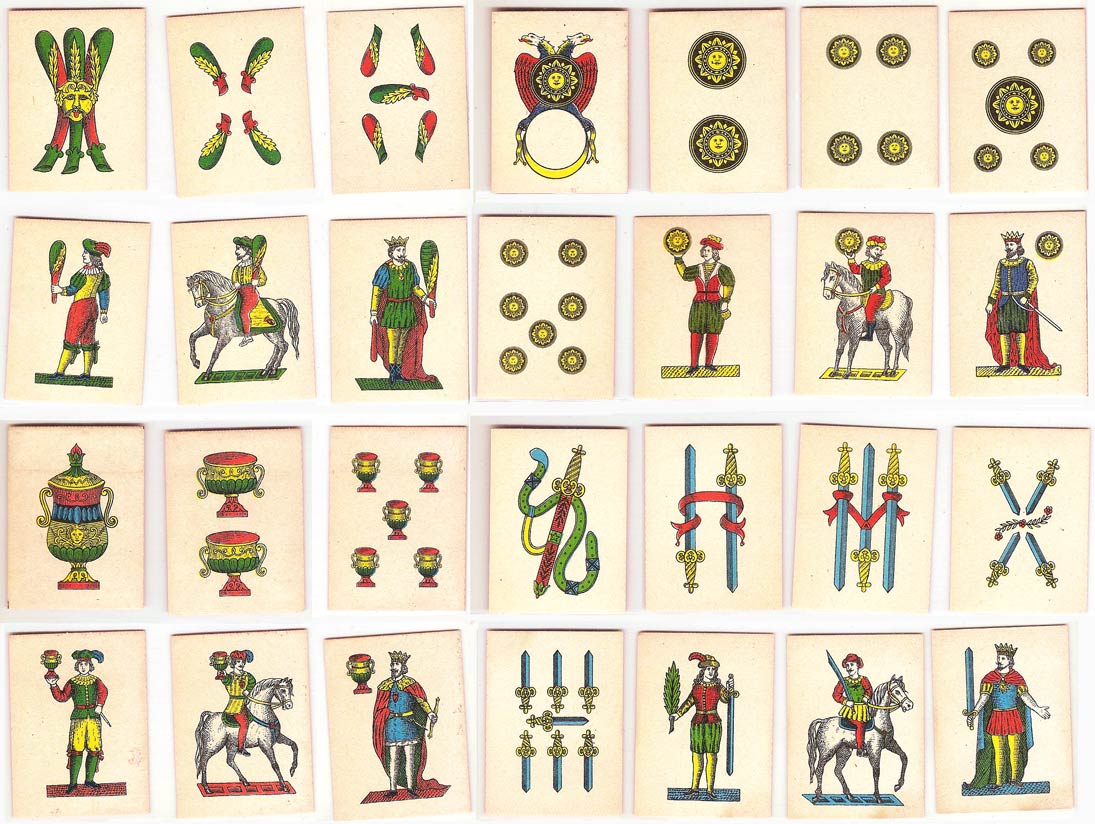
Above: cards from a children's pack, Neapolitan pattern, Italo-Spanish suits, 40 cards. A gargoyle face looks out from the intersection of the 3 of clubs. This pattern is always single-ended: double-ended versions are not known. see also: Napoletane by Modiano→
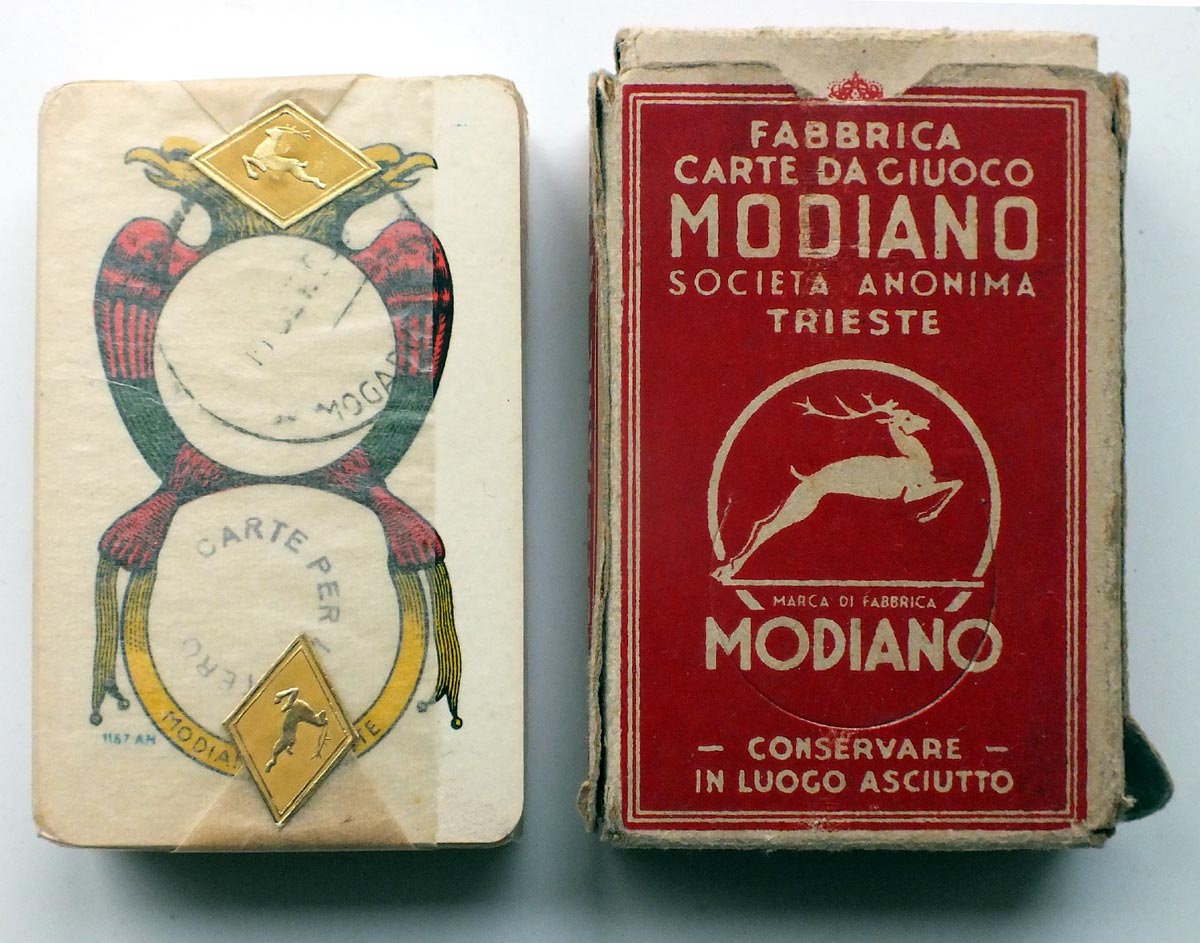
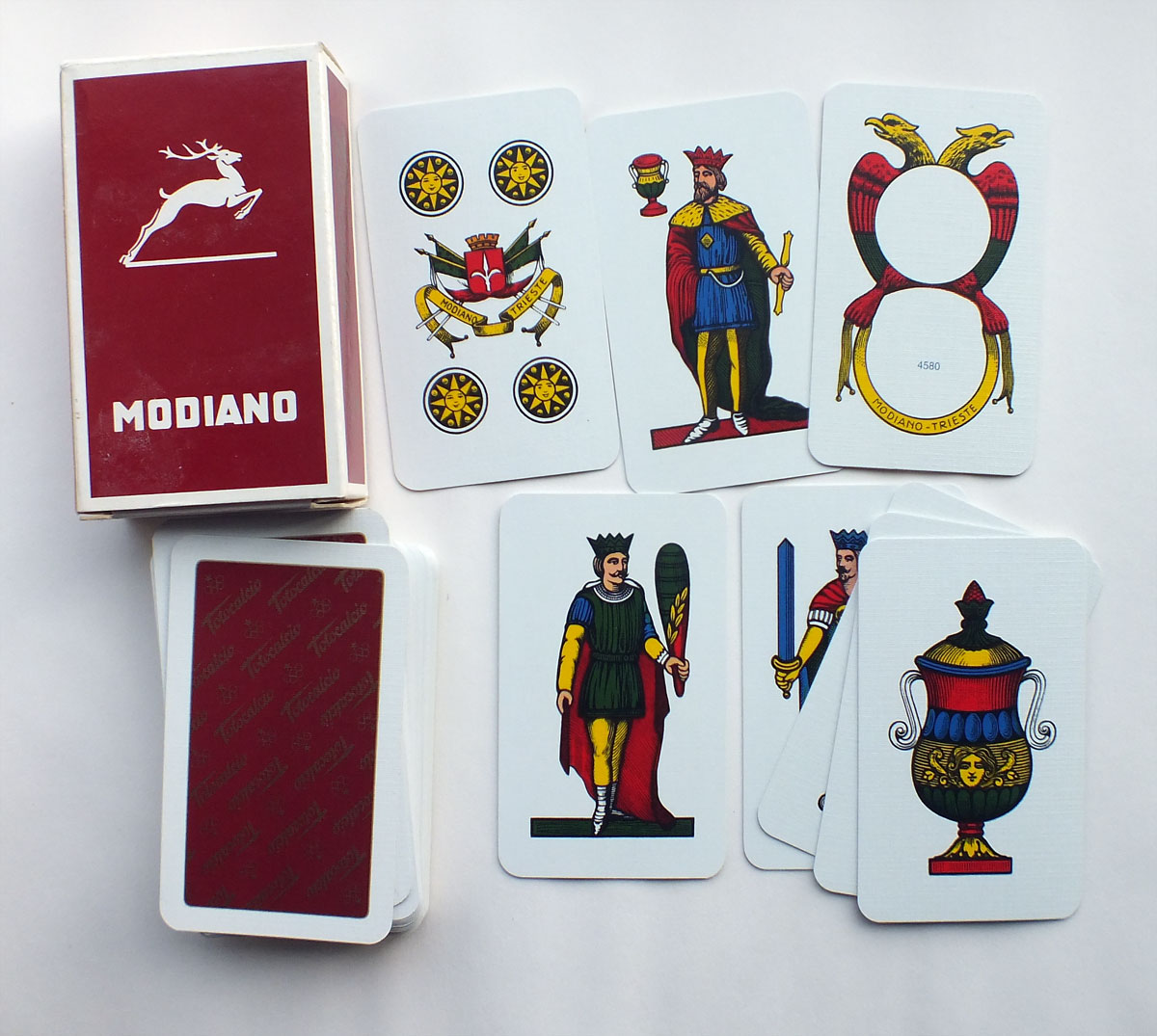
Above: unopened copy of Neapolitan pattern No.97 by Modiano in factory wrapper, export tax stamp visible on the ace, 1958
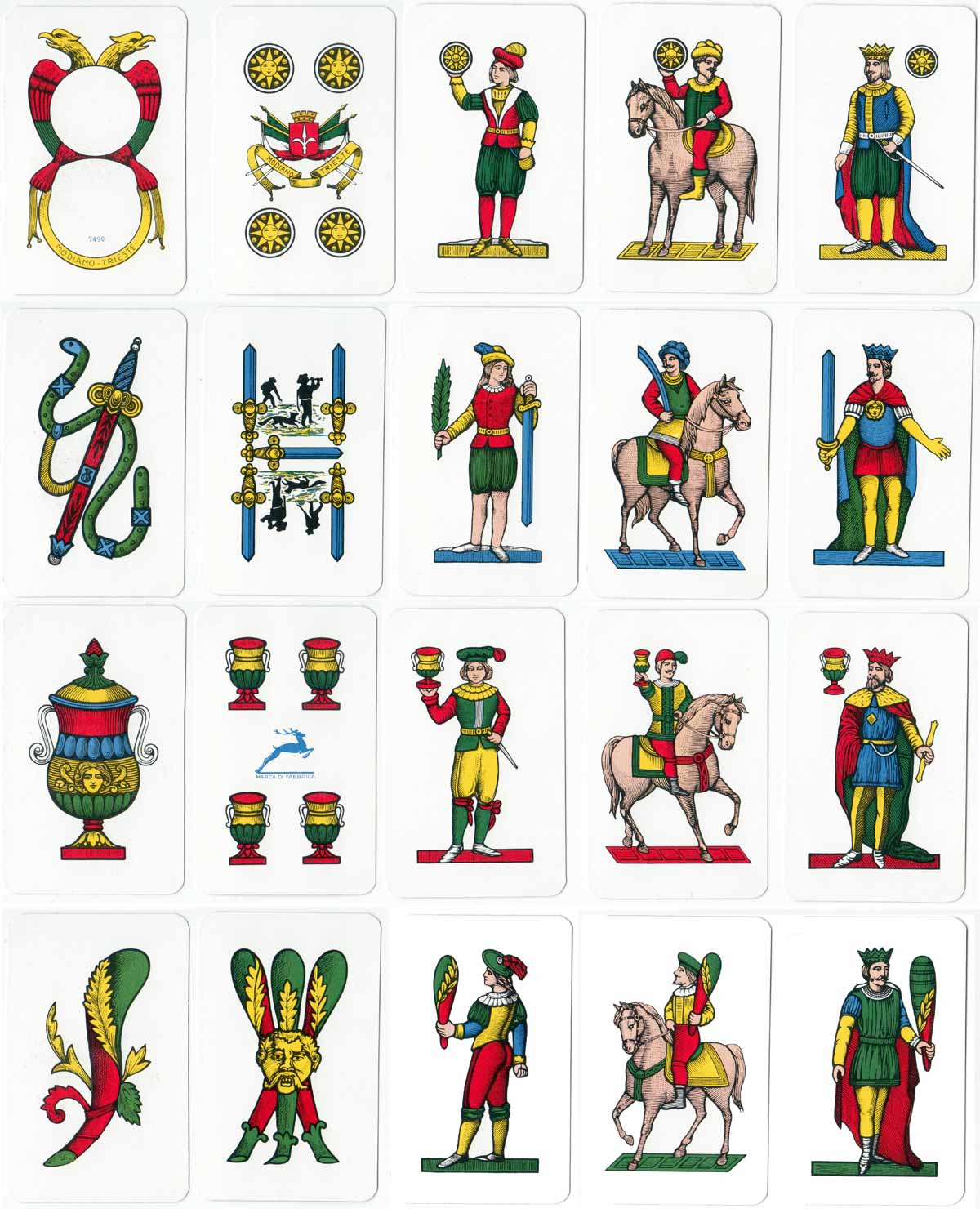
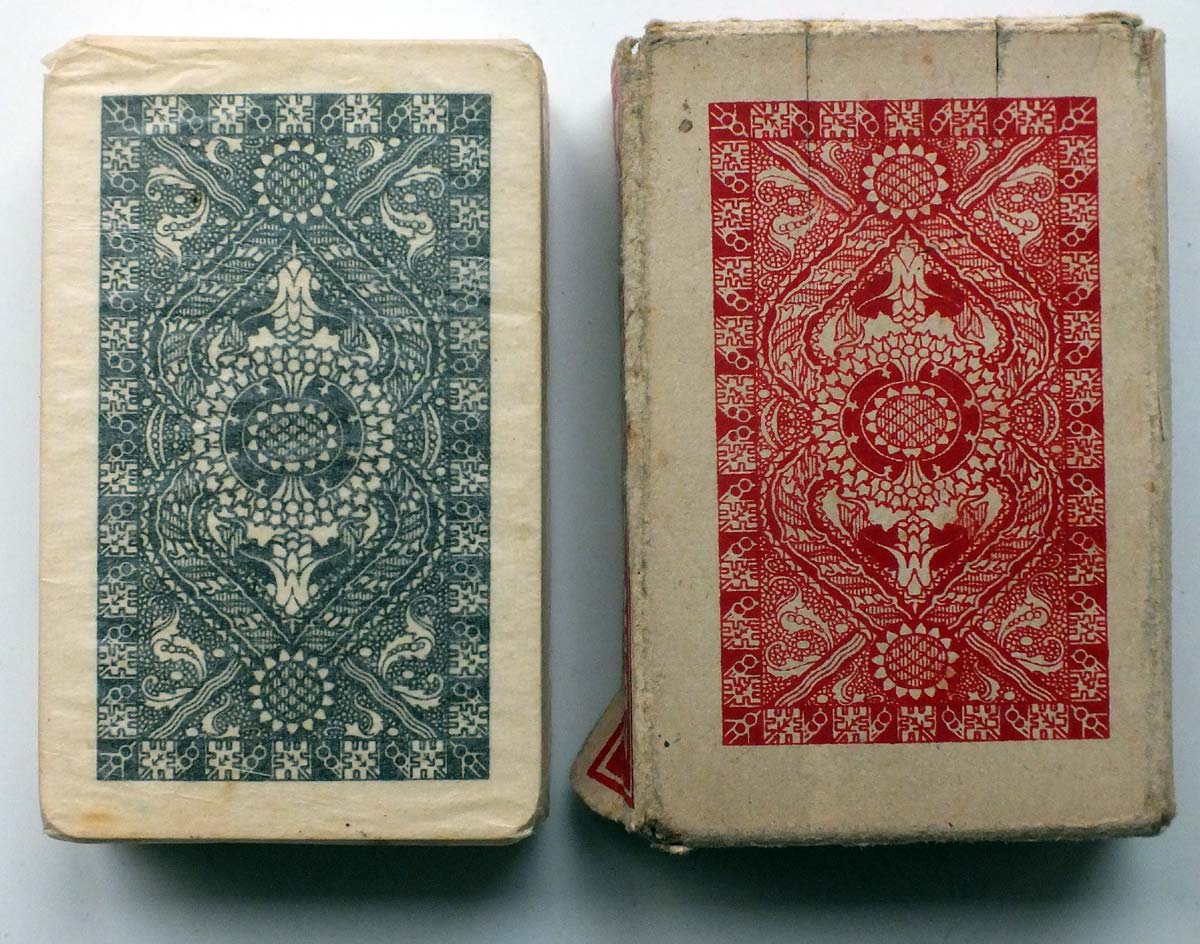
Above: later edition of Napoletane pattern by Modiano. Images courtesy Rex Pitts.
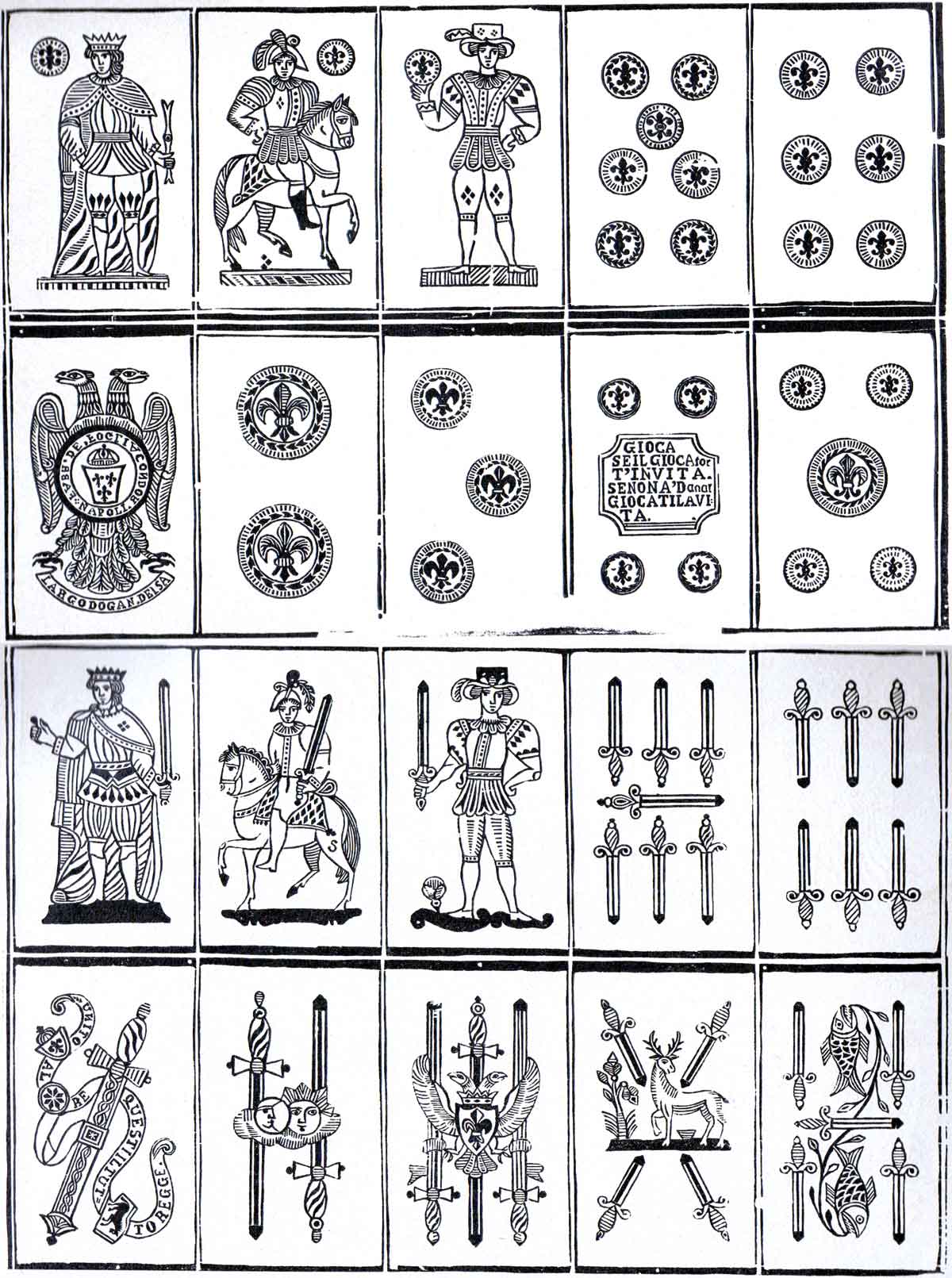
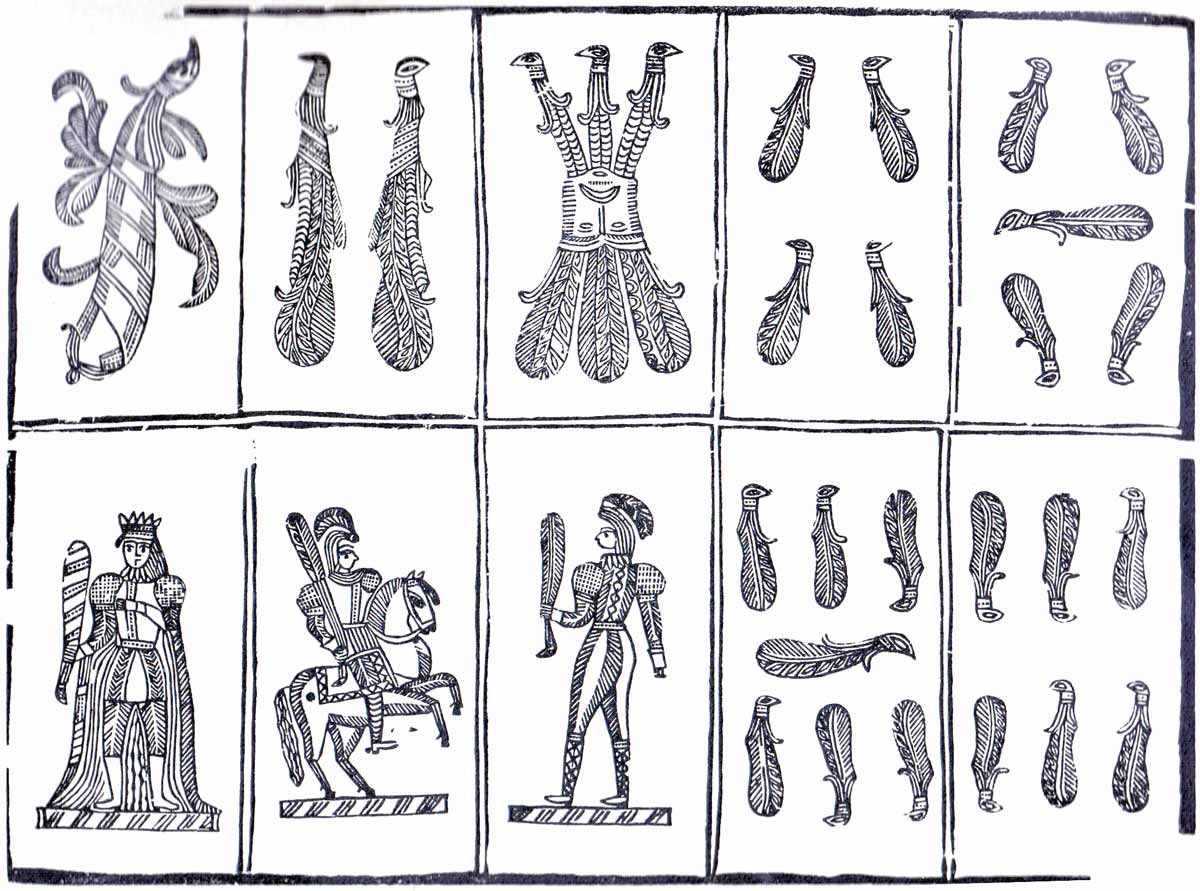
Above: 19th century Napolitan type cards, reprinted from original woodblocks by Vito Arienti, Edizioni del Solleone, 1970.

By Rex Pitts (1940-2021)
United Kingdom • Member since January 30, 2009
Rex's main interest was in card games, because, he said, they were cheap and easy to get hold of in his early days of collecting. He is well known for his extensive knowledge of Pepys games and his book is on the bookshelves of many. His other interest was non-standard playing cards. He also had collections of sheet music, music CDs, models of London buses, London Transport timetables and maps and other objects that intrigued him.
Rex had a chequered career at school. He was expelled twice, on one occasion for smoking! Despite this he trained as a radio engineer and worked for the BBC in the World Service. Later he moved into sales and worked for a firm that made all kinds of packaging, a job he enjoyed until his retirement. He became an expert on boxes and would always investigate those that held his cards. He could always recognize a box made for Pepys, which were the same as those of Alf Cooke’s Universal Playing Card Company, who printed the card games. This interest changed into an ability to make and mend boxes, which he did with great dexterity. He loved this kind of handicraft work.
His dexterity of hand and eye soon led to his making card games of his own design. He spent hours and hours carefully cutting them out and colouring them by hand.

Activity for Neapolitan Pattern
Sign in to comment or save this article.

Related Articles
Modiano Napoletane Cards
From Trieste with Pride – a 150th Anniversary Edition of the Neapolitan Pattern.
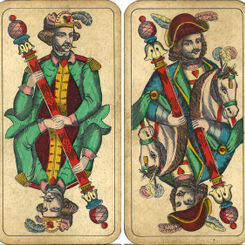
Czech National Patterns by S.D. Modiano
Modiano produced cards with the Prague and Trappola patterns in the early 20th century.
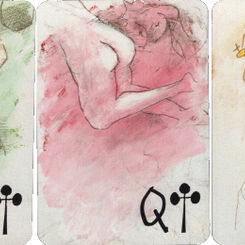
Emilio Tadini playing cards
Beautiful dreamlike playing card designs by Emilio Tadini.
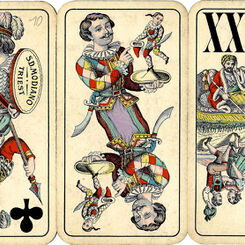
Austrian Tarock by S.D. Modiano
Modiano’s Austrian Tarock with country scenes has been in production for over 100 years.
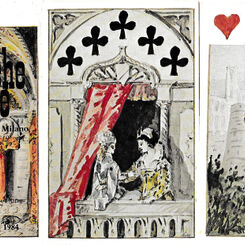
Carte Romantiche Italiane
Scenes of life and the theatre in Milan towards the second half of the 19th century.
Schwarze Katze (or Gioco del Gatto Nero)
Reproduction of a 40-card transformation pack with designs by “WS”, adapted for the game of Black Ca...
Minchiate Fiorentine
Minchiate Fiorentine created by Costante Costantini, published by Edizioni del Solleone.
Italia playing cards
Small, narrow cards designed by Osvaldo Menegazzi, bearing a strong resemblance to a Swedish pattern...
Il Quinto Seme
An Italian pack with a fifth suit of “amici” (“friends”).
Triestine Pattern
The Triestine pattern is derived from the Venetian (Trevisane) pattern but with its own characterist...
Primiera Bolognese
Primiera Bolognese by Modiano, c.1975
Bergamasche Pattern
Bergamasche Pattern by Modiano, 1970s.
Mitelli ‘Gioco di Passatempo’
Il Gioco di Passatempo contains 40 figurative playing cards depicting moral virtues and vices, dated...
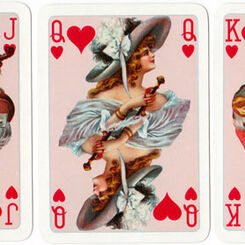
Club Bridge
Modiano’s ‘Club Bridge’ is a new edition of a stylish deck originally published in c.1895.
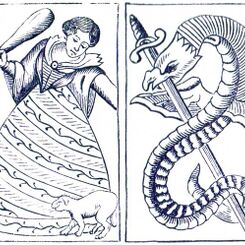
Portuguese pattern
19th century Portuguese pattern, re-printed from original woodblocks.
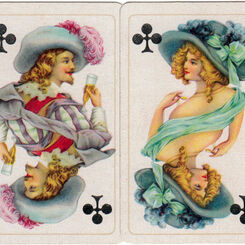
Modiano Patience
Patience cards published by Modiano, c.1945.
Corona Ferrea
Trumps depict historical scenes primarily of the political period known as the Holy Roman Empire fro...
Piacentine Pattern
Piacentine Pattern, several double-ended versions.
Piedmont Pattern
The Piedmont pattern is a very close relative to the French 'Paris' pattern. The courts are not name...
Sicilian Pattern
The Sicilian pack has a similar composition to the Neapolitan pack, and is small and squat in appear...
Most Popular
Our top articles from the past 60 days


Jason Somers
10 June 2026, 06:29SavedSaved this article to Jason Somers's Collection