


Tarocco Indovino
Sergio Ruffolo’s “Tarocco Indovino” is an expanded version of his “Lo Zodiaco” cartomancy deck.
Sergio Ruffolo’s “Tarocco Indovino” is an expanded version of his “Lo Zodiaco” cartomancy deck, with the addition of 22 trumps, 4 Cavallos (knights), two new Consultante cards and a different back. All the figures wear medieval garb but are drawn in a distinctive, modern style using relatively soft colours. The 1980s were marked by a sense of openness to exploring alternative spiritual paths, and a growing interest in integrating New Age spirituality into daily life. Concepts like homeopathy, and herbal medicine, meditation, crystals and astrology began to be encountered at Mind, Body & Spirit fairs.
All the images on the suit cards are the same in both decks, but I've illustrated one Re and Donna to show their changed indices. The indices on the courts have been changed too: Kings become R for Re, Queens become D for Donna, C is for Cavallo, and Jacks become F for Fante. The cards in each suit are numbered from 1 to 14, (with Re being 1, and Asso 14), in a white circle at bottom left; whereas the majors are numbered in a black circle.
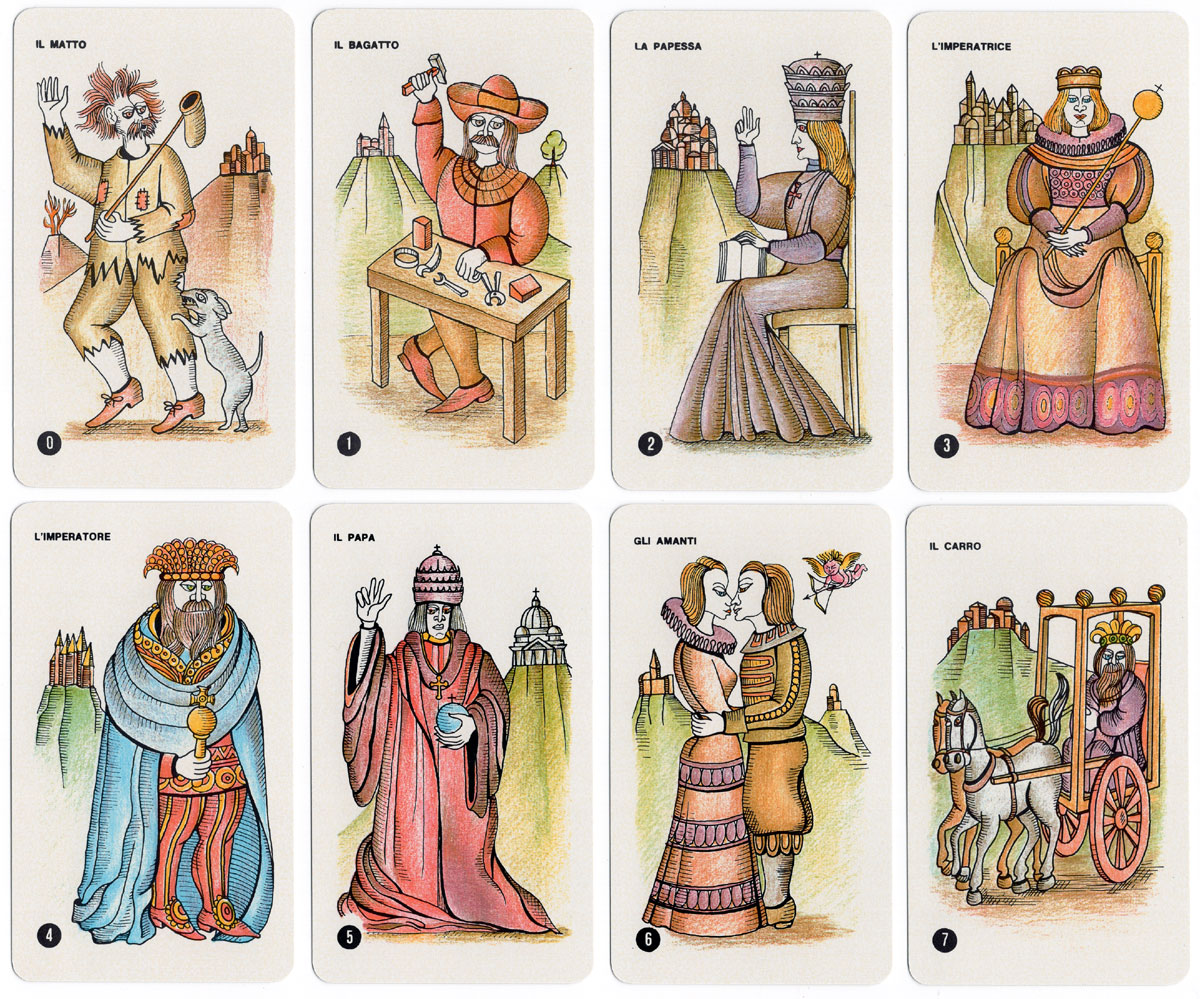
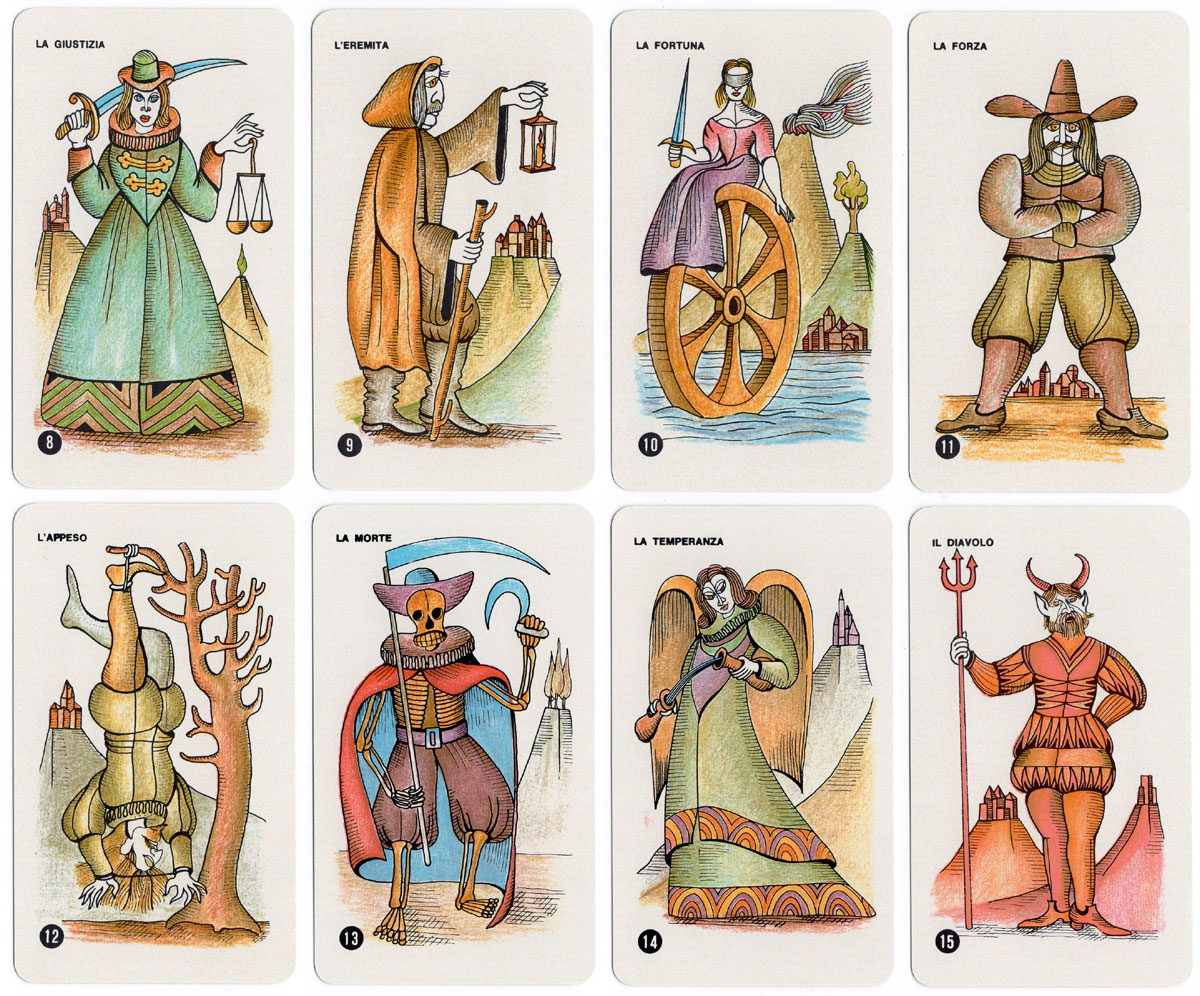
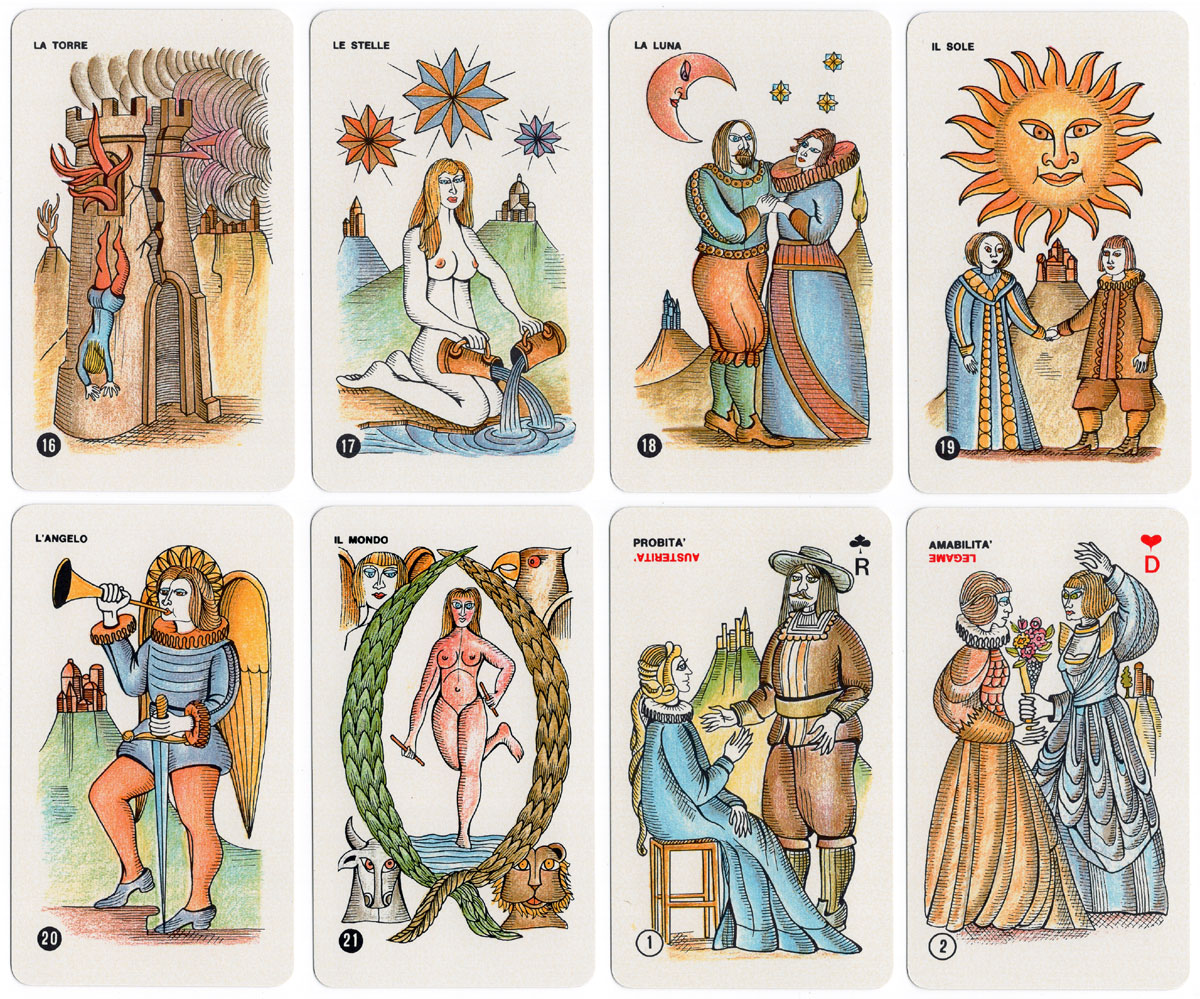
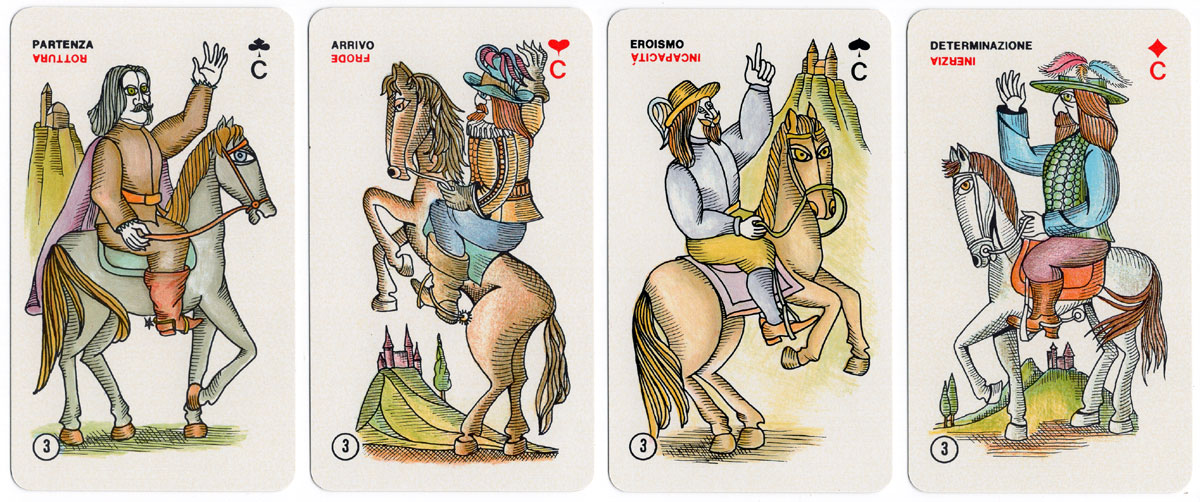
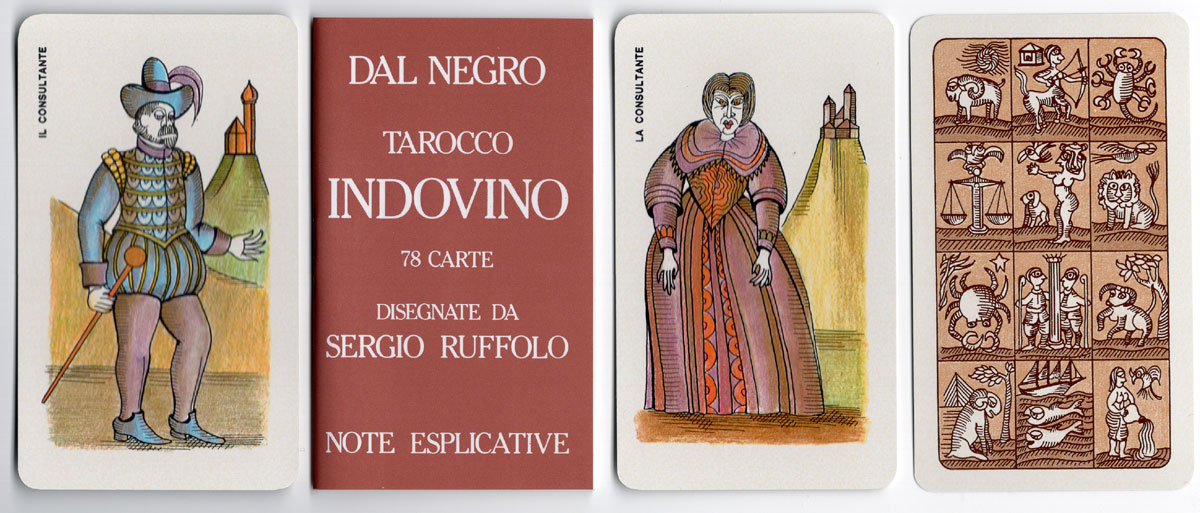
Above: Tarocco Indovino designed by Sergio Ruffolo, produced by Dal Negro, Treviso, Italy, 1979. The deck is housed in a large rectangular hard plastic box with an outer cardboard sleeve, complete with instructions in Italian. Cards measure 106 x 62 mm.

By Adam West-Watson
Australia • Member since September 01, 2014
I have been fascinated by playing cards ever since I can remember, and still have several of the card games I had as a child. And although I had accumulated quite a number of packs of various sorts over the years, it wasn't until I was in my 50s that I began collecting in earnest. My tastes are quite varied, and my collection of 800 or so decks includes:- children's games, standard and non-standard playing cards, adult games, fortune telling and oracle cards, tarot cards, and even cigarette cards.

Activity for Tarocco Indovino
Sign in to comment or save this article.

Related Articles
Murder of Crows Tarot
Corrado Roi’s 2020 tarot pack presents a dark, watchful world of crows and ritual figures.
EFFEGIEFFE
Corporate gift: a non-standard "Venice Carnival" deck by Dal Negro.
Sicilian Playing Cards
Sicilian Playing Cards by Dal Negro (Carte da Gioco).
Le carte da gioco Arcimboldo
Courts and suit-signs inspired by the works of the Italian Renaissance painter, Giuseppe Arcimboldo....
Le carte della Fortuna
Modern Italian fortune-telling pack from 1975, with designs by Sergio Ruffolo.
Carte Bolognesi
New designs reinforcing Bologna’s reputation as the gastronomic capital of Italy.
Lo Zodiaco
French-suited fortune-telling pack with distinctive designs by Italian artist Sergio Ruffolo.

Tarocco Piemontese by Giovanni Rossi
18th c. Piedmont Tarocchi by Giovanni Rossi, Turin.
Venetian Tarot
Scenes from the history of Venice on a set of the major arcana.
Fernando Valenti
Designs by Italian artist Fernando Valenti issued to coincide with an exhibition of his work in 1986...
Dal Negro Bridge set
Dal Negro Bridge set featuring old Vienna pattern courts.
V. F. Solesio Tarot
V. F. Solesio Tarot, Genoa, mid-late 19th century.
Tarocco Siciliano
The highly individual Sicilian Tarot has the Italo-Portuguese suit system with straight, interlockin...
Mitelli Tarocchini
The title refers to “a new form of Tarocchini”. Mitelli's designs are to a high standard of artistic...
Trevisane pattern
The double-ended version of the ‘Trevisane’ pattern originated in the early 19th century.
XV Century Italian Playing Cards
Cards from a pack of an early form of north Italian playing cards, with the swords back-to-back and ...
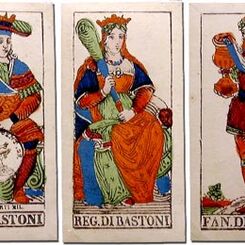
Tarocco Milanesi by Lamperti (Milan) c.1850
Tarocco Milanesi by Lamperti (Milan) c.1850
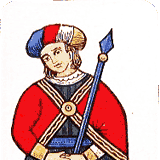
Tarocco Bolognese
Tarocco Bolognese
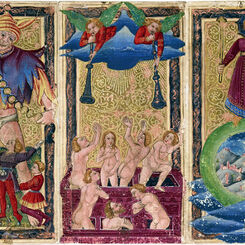
Hand-Painted Tarocchi Cards
Hand-painted Tarocchi cards sometimes known as ‘Charles VI tarot’, North Italy, 1475-1500.
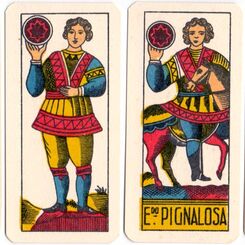
Brescia pattern
The Brescia pattern contains elements which come from a past age.
Most Popular
Our top articles from the past 60 days


