


Sicilian playing cards by Antonio Monasta.
"Il Leon" Sicilian playing cards, 40-card pack based on Spanish designs, made in Sicily by Antonio Monasta, late 17th century.
A modestly produced Italian pack rather than a luxury product: the woodcut designs are relatively simple and somewhat uneven, albeit in a style associated with Madrid ¹. The court figures are lightly drawn, with little attempt at elaborate shading or refinement, and the colouring is crudely done probably using fingertips. Nothing in the pack suggests the resources of a major publishing enterprise; rather a craft industry operating with limited capital and producing on a small scale.
During the seventeenth century, industry which lacked capitalisation did not advance beyond rudimentary artisanal production, compounded by the yet undeveloped market and low purchasing power of the population. The objective was not to create luxury artworks but durable gaming tools that ordinary people could afford. The quality should therefore be judged relative to their intended function and economic context. Despite their simplicity, the cards possess a directness and authenticity that vividly evoke the world of early modern gaming.
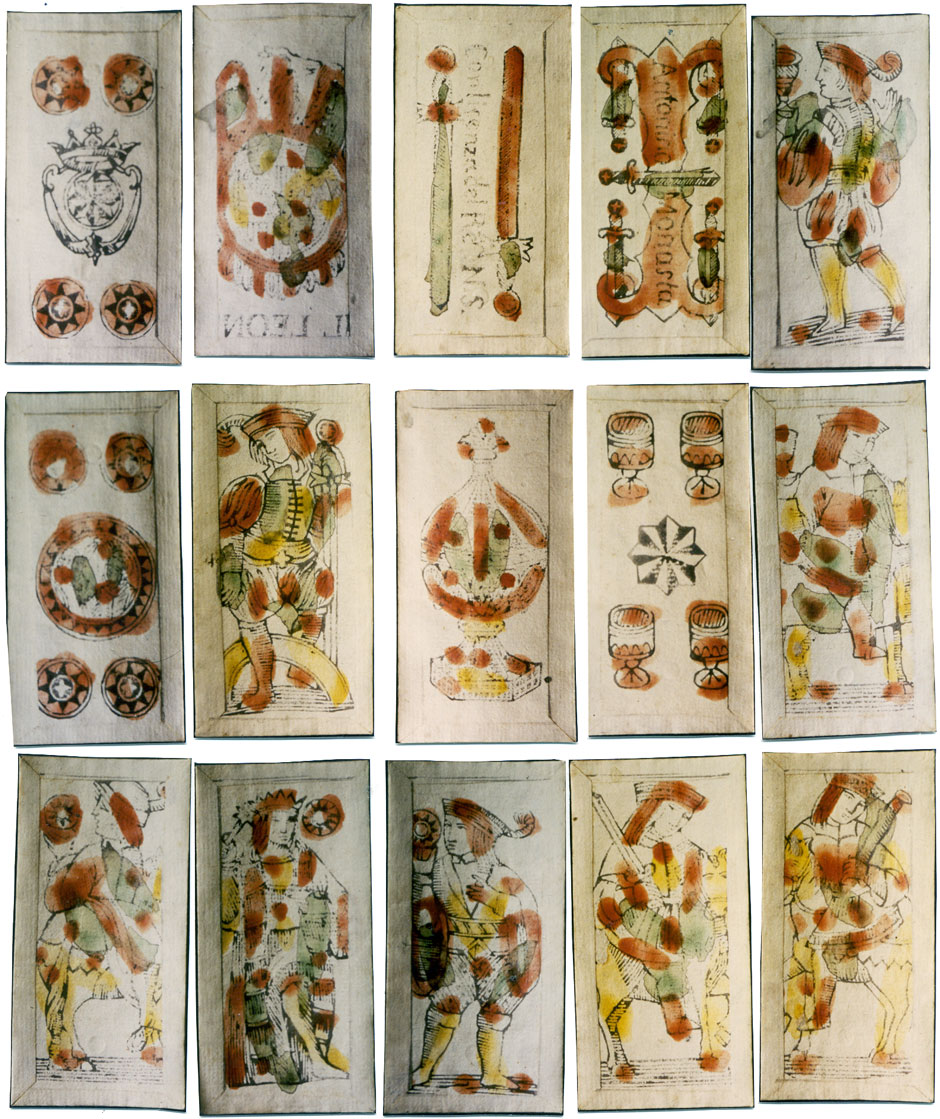
"Il Leon" Sicilian playing cards, 40-card pack based on Spanish designs, made in Sicily by Antonio Monasta, late 17th century. When the Spaniards occupied Sicily, licenses were given to local card makers to manufacture cards, hence the inscription on the two of swords reads "Con licenza del Rey N.S." The colouring is predominantly orange, green and yellow and rather crudely applied as though with the finger tips. The back papers turn over the front edges of the cards, a feature found in Italian cards but not Spanish ones. This pattern was replaced by the modern Sicilian type.
References
1. Pérez González, Alberto : Las barajas de Madrid, La Sota 44, October 2015, p.37.
Salvatore Bonaccorsi, Nicola De Giorgio, Emilia Maggio: The origins of the “Portuguese” suit system for playing cards and tarots in Sicily►

By Simon Wintle
Spain • Member since February 01, 1996
I am the founder of The World of Playing Cards (est. 1996), a website dedicated to the history, artistry and cultural significance of playing cards and tarot. Over the years I have researched various areas of the subject, acquired and traded collections and contributed as a committee member of the IPCS and graphics editor of The Playing-Card journal. Having lived in Chile, England, Wales, and now Spain, these experiences have shaped my work and passion for playing cards. Amongst my achievements is producing a limited-edition replica of a 17th-century English pack using woodblocks and stencils—a labour of love. Today, the World of Playing Cards is a global collaborative project, with my son Adam serving as the technical driving force behind its development. His innovative efforts have helped shape the site into the thriving hub it is today. You are warmly invited to become a contributor and share your enthusiasm.

Activity for Sicilian playing cards by Antonio Monasta.
Sign in to comment or save this article.

Related Articles
La baraja de Almagro
De la chimenea al monumento nacional: la baraja de Almagro y el renacer del corral de comedias.
History of Tarot and Playing Cards: Timeline & Origins
An alternative history of tarot and playing cards – from Mamluk Egypt to the invention of tarot in R...
Luigi Del Pieve Minchiate
Luigi Del Pieve and the “Alli Sorte” Minchiate of Florence.
Ganjifa - Playing Cards from India
Indian playing cards, known as Ganjifa, feature intricate designs with twelve suits and are traditio...
Portuguese-suited cards
Portuguese-suited cards with dragon aces, made in Italy, 1613.
Le Jeu de la Guerre
Facsimile of “Le Jeu de la Guerre” designed by Gilles de la Boissière in 1698.
64: The descendants of the French regional patterns: 2
A continuation oF the development of the off-spring of the Paris patterns and a few examples of how ...
Trentine Pattern
Trentine Pattern
Primiera Bolognese
Primiera Bolognese by Modiano, c.1975
Hermanos Solesio
“Money Bag” pattern by Hermanos Solesi, late 18th c.
Rois de France
Cartes des Rois de France (1644) facsimile edition by Edizioni del Solleone, 1986.
19: 19th Century Breaks with Tradition - Unusual versions of the Standard English Pattern
The centuries-long tradition of English court cards was subject to misinterpretation and in some cas...
1: Playing Cards and their History: An Introduction and some links to other sites
What was considered the first mention of playing cards in England is in 1463 when Edward I banned th...
Agostino Bergallo
Agostino Bergallo Spanish pattern made for South American countries
Giuseppe Cattino
Playing cards manufactured in Italy by Giuseppe Cattino and Paolo Montanar for Spanish markets.
Pedro Bosio
Cards of the Spanish National Pattern manufactured by Pedro Bosio, probably during the 18th century ...
Lombardy (or Milanesi) pattern
The origins of the Lombardy pattern probably lie in the early 19th century when it was a full-length...
XV Century Italian Playing Cards
Cards from a pack of an early form of north Italian playing cards, with the swords back-to-back and ...
Italian Playing Cards
The first reliable evidence that playing cards were being used in Italy is from 1376, when a game ca...
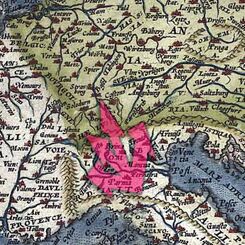
Playing cards in the Upper Rhine region
Documentary evidence suggests that card playing established itself in Italy in 1376, and then spread...
Most Popular
Our top articles from the past 60 days


