


Fox Lake Playing Cards
A Magician’s Perspective.
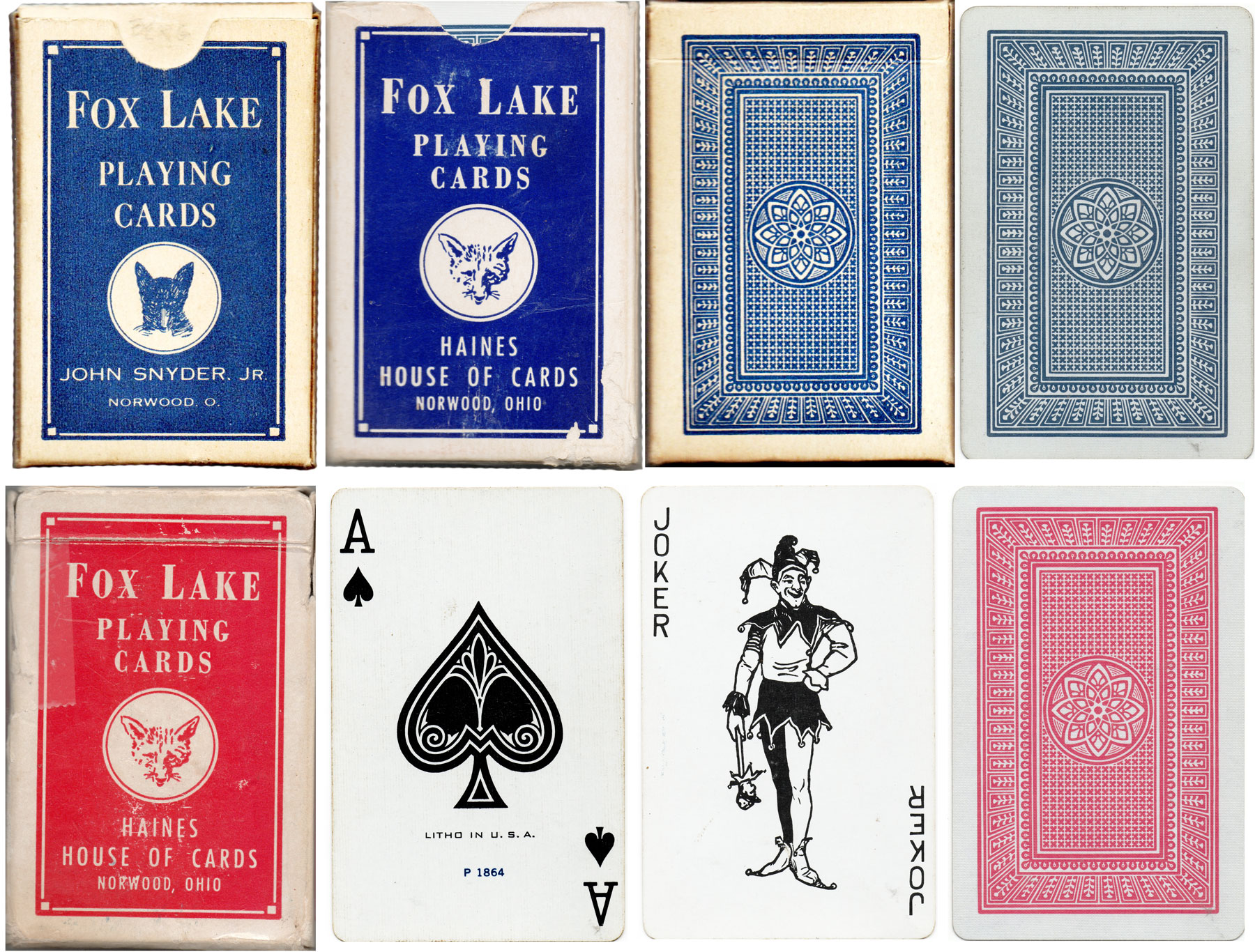
Above: A staple in the world of magic since their inception in the mid-20th century, Fox Lake Playing Cards have been a preferred choice for magicians seeking quality and durability in their performances.
Long before USPCC Bicycle Rider Back Poker 808[1] playing cards became the default cards of choice for magicians, Fox Lake bridge sized cards were the preferred cards. Fox Lake playing cards[2] was the creation of John Snyder Jr(1888 – 1946) [3].
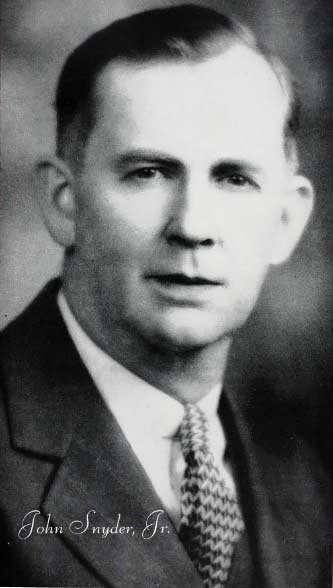
Above: John Snyder Jr (1888 – 1946).
John Snyder Jr’s first job was in the office of W. E. Bundy, the U. S. District Attorney at the age of 15, which was the same year he began his successful career in magic. Snyder was also employed by the government as a mechanic in the U. S. Post Office garage and later started his own Snyder Auto Parts & Service Co. He sold his auto parts company in 1934 and retired from business life to devote his time to magic. In Norwood, Ohio, he had a factory to manufacture magical apparatus. In the 1930s, John Snyder, Jr. arranged with the U.S. Playing Card Company[4] to produce gaffed decks based on the Aviator Bridge deck.
Aviator Playing Cards – Poker No. 914
Introduced in 1927 in commemoration of Charles Lindbergh's trans-Atlantic flight in the Spirit of St. Louis, Aviator poker sized playing cards (stock No. 914) feature a bordered, monochrome back design of predominantly circles. Aviator cards are less expensive compared to Bee and Bicycle as the card stock is thinner and has a smooth finish.
The Aviator bridge sized playing cards are of higher quality and have the Air Cushion Finish and feature the back design as used on the Fox Lake cards. John Snyder Jnr maintained a home in Norwood, Ohio, and a summer retreat in Fox Lake[5], Wisconsin, which he named his Fox Lake cards after. He was also a member of the Houdini Club of Wisconsin[6].
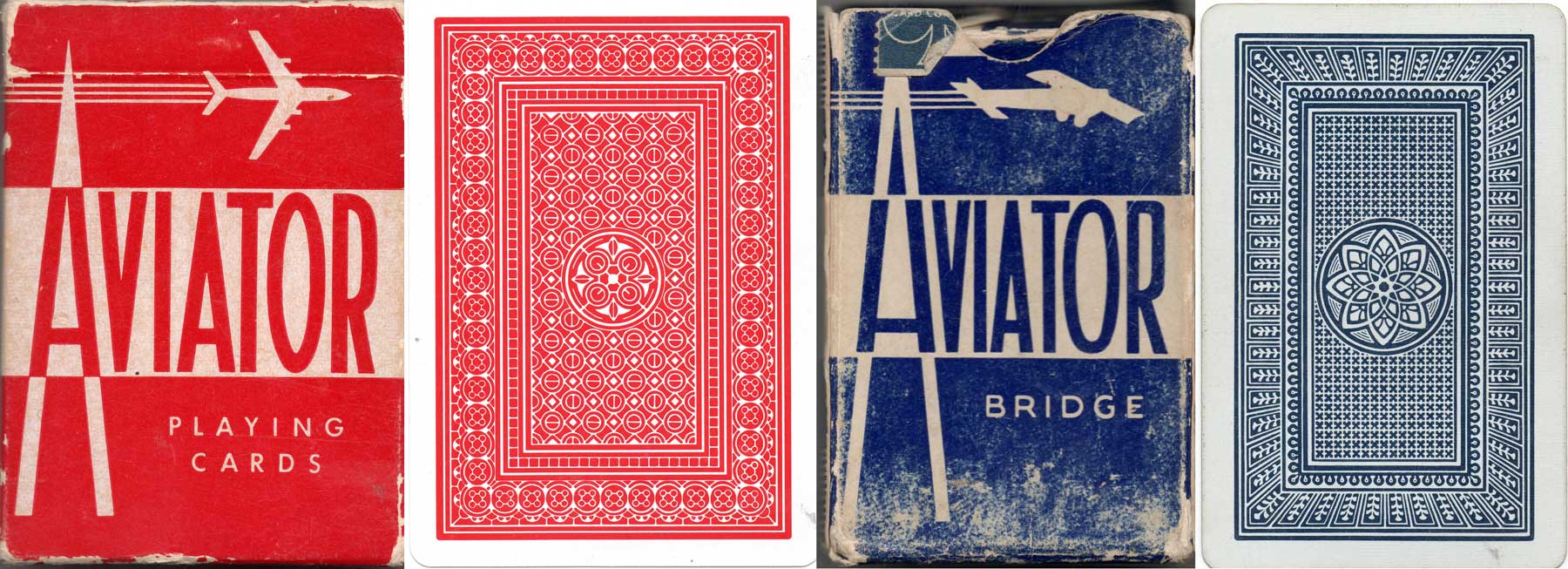
Above: Aviator Playing Cards: Celebrating the Spirit of Flight since 1927, these cards have been a symbol of innovation with their iconic airplane design and have remained a favorite for both magicians and card enthusiasts alike.
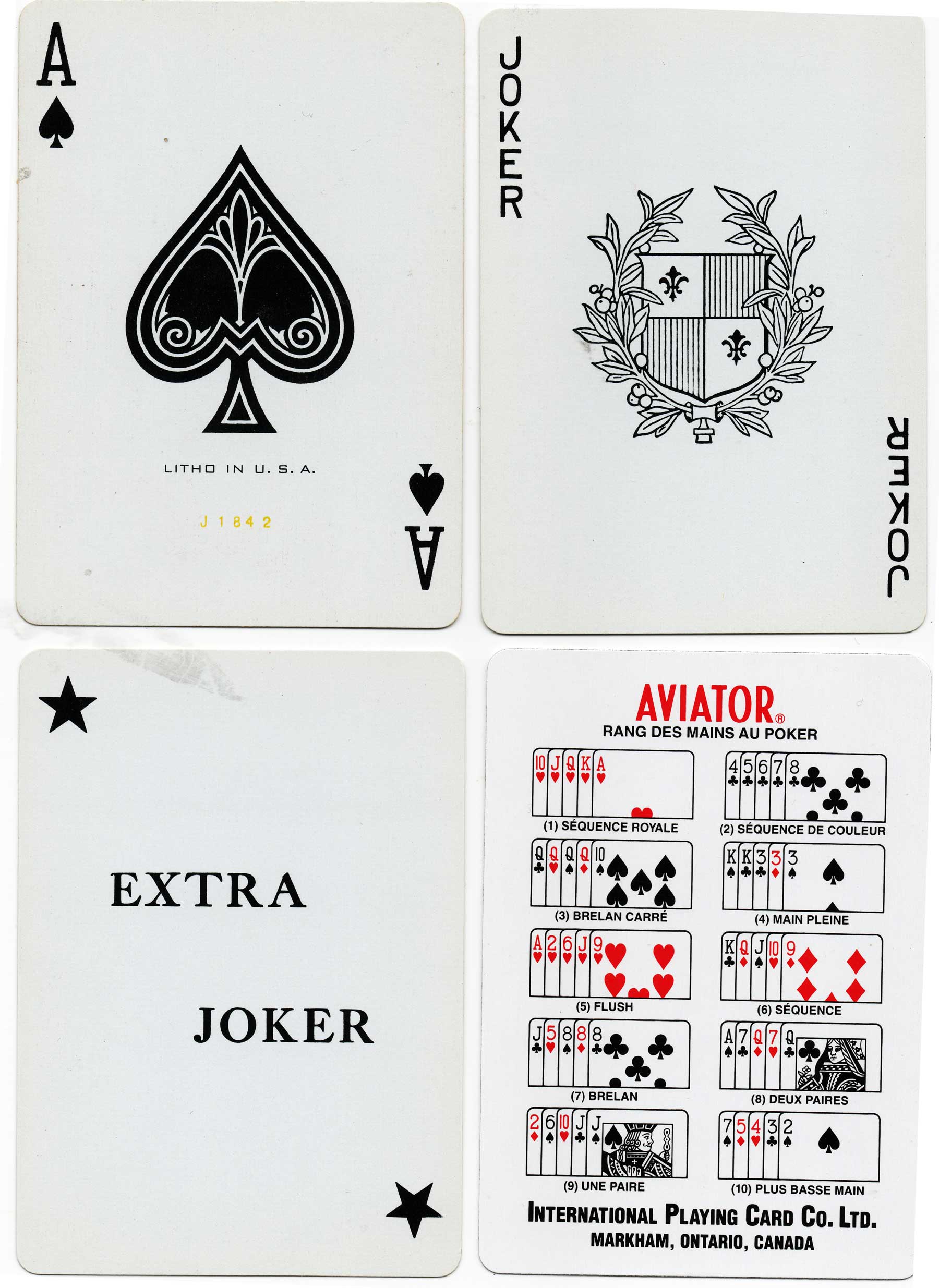
Above: Aviator Playing Cards, marked by the elegant, ornate Ace of Spades and the traditional Joker encircled by a laurel wreath, are accompanied by an additional instruction card detailing poker hand rankings — a testament to their long-standing association with card gaming and magic.
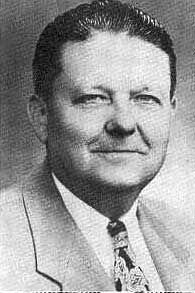
Above: Ronald Haines (1906 – 1974).
He also mentored Don Alan[7] in magic starting at the age of twelve.
During the last illness of John Snyder, Jr. Ronald Haines (1906 – 1974) managed Snyder's Fox Lake Cards. Then after Snyder's death in 1946, Haines purchased the business and renamed it Haines House of Cards in 1947.
After purchasing the company, Haines eventually acquired the exclusive rights to produce all the mechanical decks designed by R.W. Hull[8] (1883 – 1943) as well as other card effects by Hen Fetch[9].
These so called mechanical decks were decks of cards (also known as Gaffed Decks, Trick Decks or Prepared Decks) which have been altered in some way to allow magicians to perform tricks.
The most famous mechanical decks, the Svengali Deck[8], is often credited as the invention of Burling Hull[11] in 1909 however, some doubt exists as to the veracity of these claims[12].
The other very popular mechanical deck, and many claim it to be the very best card trick to perform for laymen (non magicians) is the Invisible Deck[12][14].
The major type of mechanical decks are Forcing Decks, Marked Decks, Stripper Decks, Mene-Tekel Decks, Svengali Decks, Mental Photography Decks, Brainwave Decks, Invisible Decks, Color Changing Decks, and Rising Card Decks.
The Company's success continued for many decades. The Haines House of Cards shipped thousands of Svengali, Stripper and Invisible Decks around the world, George Schindler[15] wrote in 1976, ‘more than any other supplier.’
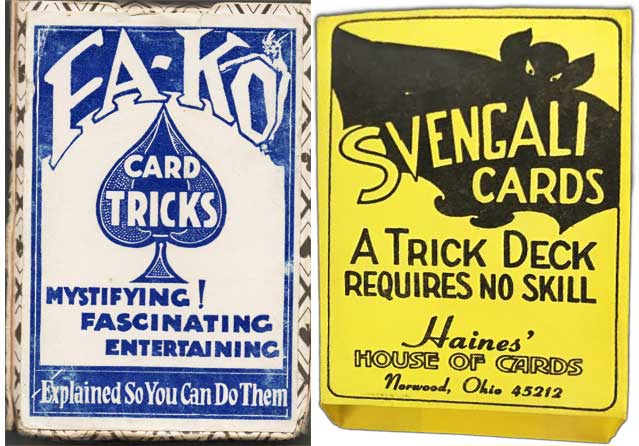
FA-KO Card Tricks and Svengali Cards by Haines House of Cards, pioneered by magic entrepreneur John Snyder Jr., represent innovative developments in gaffed deck design, enabling magicians to perform complex tricks with minimal skill requirements.
Above: FA-KO Card Tricks and Svengali Cards by Haines House of Cards, pioneered by magic entrepreneur John Snyder Jr., represent innovative developments in gaffed deck design, enabling magicians to perform complex tricks with minimal skill requirements.
Along with two FA-KO red decks and one blue deck, my collection of Fox Lake mechanical decks consists of: Electric Deck; Invisible Deck; X Ray Deck; Delirium Tremens Deck; Split Deck; Nudist Deck; Ghost Deck; Miss Coloured Deck.
Ron Haines ran the company for nearly 30 years until his death in 1974.
The store was then run by Betty Winzig (1934 -) and continued to produce the original Svengali; Stripper; Don Alan's Invisible Deck; The Split Deck to name a few.
Not only did Haines House of Cards produce many trick decks, such as Svengali; strippers; Invisible deck; Nudist Deck; Electric Deck and many more they also produced ‘Fa-Ko’ deck of gaffed cards and a booklet ’36 Tricks with Fa-Ko Cards’
Recent information[16] suggests that Betty Winzig has retired. The running of the business was turned over to Joe Farag, but due to personal circumstances including his father's illness and his own diagnosis with cancer, he was unable to continue running the business. Joe Farag died a few months ago (as posted in the Magic Café[17] February 3, 2023). Betty's granddaughter expressed interest in buying the business but lacked the funds and knowledge to run it. As a result, the Haines House of Cards is believed to have closed its doors forever.
References
- Rider - Bicycle Playing Cards
- Propelled Pasteboards: Fox Lake Playing Cards (throwingcards.blogspot.com)
- John Snyder, Jr. - Magicpedia (geniimagazine.com)
- United States Playing Card Company
- Fox Lake (Wisconsin)
- Houdini Club Of Wisconsin
- Don Alan - Magicpedia (geniimagazine.com)
- Ralph W. Hull - Magicpedia (geniimagazine.com)
- Hen Fetsch - Magicpedia (geniimagazine.com)
- Svengali Deck - Magicpedia (geniimagazine.com)
- Burling Hull
- Svengali Deck (Conjuring Credits)
- Invisible Deck - Magicpedia (geniimagazine.com)
- Ask Alexander (Paywall)
- George Schindler - Magicpedia (geniimagazine.com)
- The Magic Cafe Forums - Haines House of Cards
- The Magic Cafe

By Roy Hopwood
Canada • Member since October 15, 2023
I am a 77-year-old retired professional magical entertainer and former occupational health and safety consultant. I was a passive playing card collector for more than 50 years until I moved from Australia to Canada in 2019. Since then I have been moderately active in increasing my eclectic collection to around 735 different decks (packs)

Activity for Fox Lake Playing Cards
Sign in to comment or save this article.

Related Articles
Memento Mori: Genesis
A prismatic meditation on mortality and Genesis, crafted for magic and cardistry.

Mechanical Decks – Part 2
This article examines the Rough and Smooth principle in mechanical decks used in magic, detailing se...
Undressed deck
Undressed deck created by Edi Rudo and Néro Catineau, USA, 2020.
Mechanical Decks – Part 1
This article explores various mechanical decks used in magic, including the long-short principle in ...
Jonathan Hocus Pocus
Two sets of conjuring cards published by G. Martin, 6 Great St Thomas Apostle, London, early 19th ce...
Popular Fine Art Litho Works
A standard English pack and one adapted for magic tricks by Popular Fine Art Litho Works Ltd., Bomba...
Martin Mystère
Martin Mystère based on the comic book by Alfredo Castelli. The cards were designed by Giancarlo Ale...
Conjuring Decks
Conjuring Decks by Universal Playing Card Co (Alf Cooke) and others...
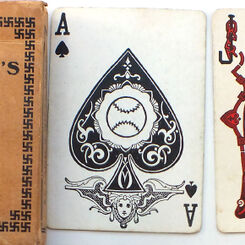
De Land’s Nifty playing cards
De Land’s Nifty playing cards published by S. S. Adams Co, c.1930.
Catalogue of Magic Card Tricks
Gamagic Catalogue of Magic Card Tricks, c.1940. Everyone is familiar with playing cards, which makes...
Magic Poker Cards
“Magic Poker Cards” are often found inside Christmas crackers along with party hats, puzzles and jok...
Secret Magic Cards
‘Secret Magic Cards’ published by Hanky Panky Toys Thailand Ltd., © World Magic International, 2006....
Ridley’s Magic Trick Cards
Ridley’s Magic Trick Cards, 2011.
Mad Jack Miracle Pack
Mad Jack Miracle Pack by Chu’s Magic (Tobar) 1999.

Serpentine
‘Serpentine’ Playing Cards published by Legends P.C.Co., 2014.
The Cardini Playing Cards
Richard Valentine Pitchford, better known as Cardini, is one of that select band of performers who b...
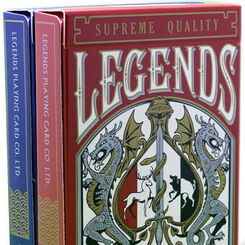
Legends Playing Cards
Legends Playing Card Company (founded 2013) aspires to print the highest quality playing cards and p...
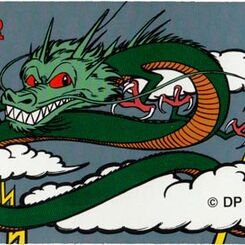
Dragon Fanning Deck
This set of cards published by DP Group Ltd (Japan) allows the performer to create different fans
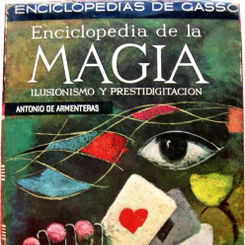
Conjuring and Magic
The art of mystifying people is very old indeed. The first conjurers were priests who obtained power...
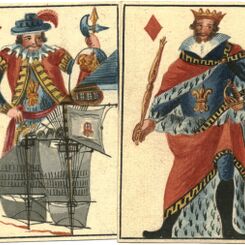
Portuguese Conjuring Playing Cards
Portuguese Conjuring Playing Cards, c.1850.
Most Popular
Our top articles from the past 60 days


Roy Hopwood
19 November 2025, 09:47SavedSaved this article to Roy J Hopwood's Collection