


Tarot of Musterberg
Designed by Cesare Asaro to simulate decks from the 1700s or earlier, the Tarot of Musterberg is based on the traditional Tarot de Marseille but with an imaginary historical background.
Created by Curio & Co., purveyors of products based on fictional history
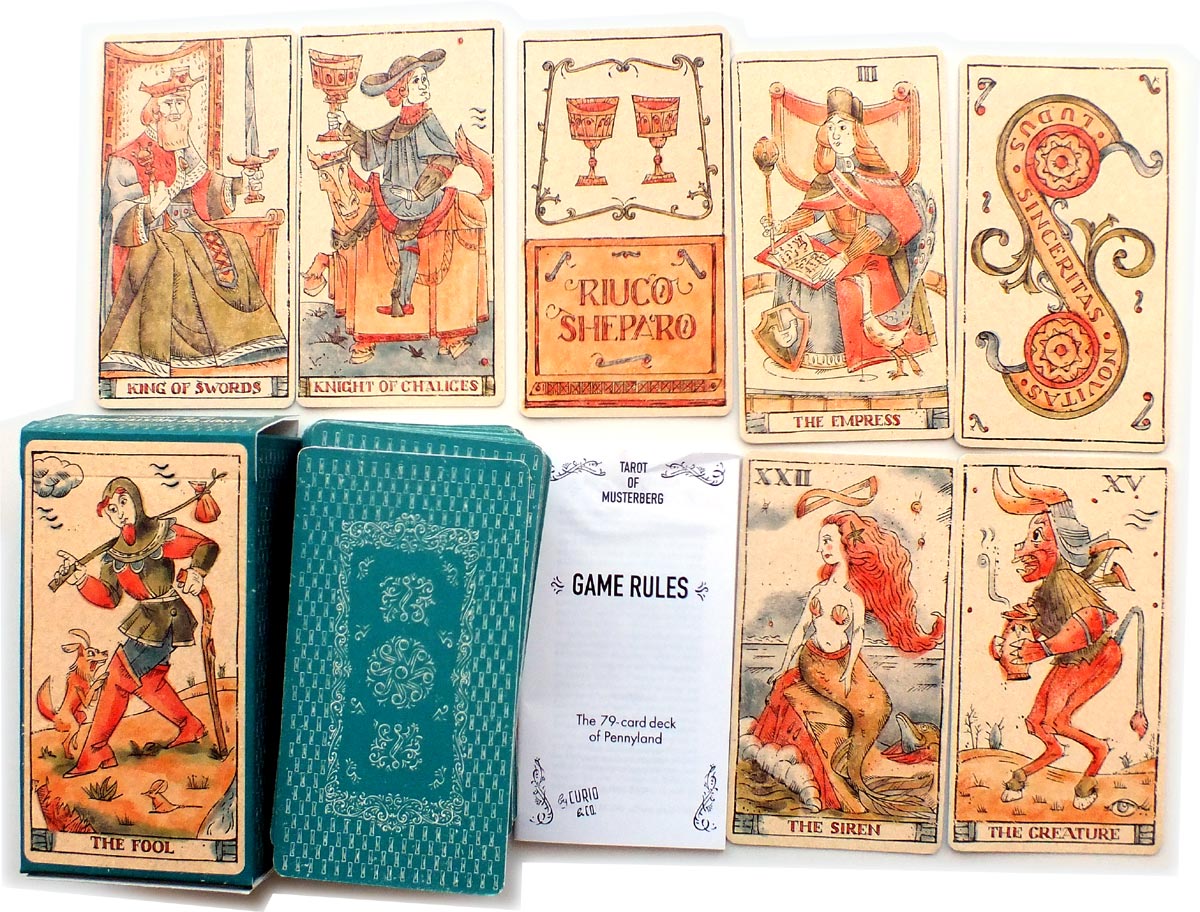
Rather than based on ancient mysteries, elite occultism or New Age spirituality, Cesare Asaro created the Tarot of Musterberg in an alternate, imaginary setting simulating decks from the 1700s or earlier and evoking the power of nostalgia. These are the tarot cards which our grandmother might have used, recalling an imaginary past, discovered hidden in the attic. Inspired by the traditional Tarot de Marseille, together with wear and tear on the back of each card, this entertaining 79 card deck has extra nuances in the iconography including a 23rd trump card: the Siren. The deck is printed on acid free paper (to give the closest feeling of holding original cards from the period) in a small production run and comes complete with an instruction booklet and light-hearted cartomancy guide.
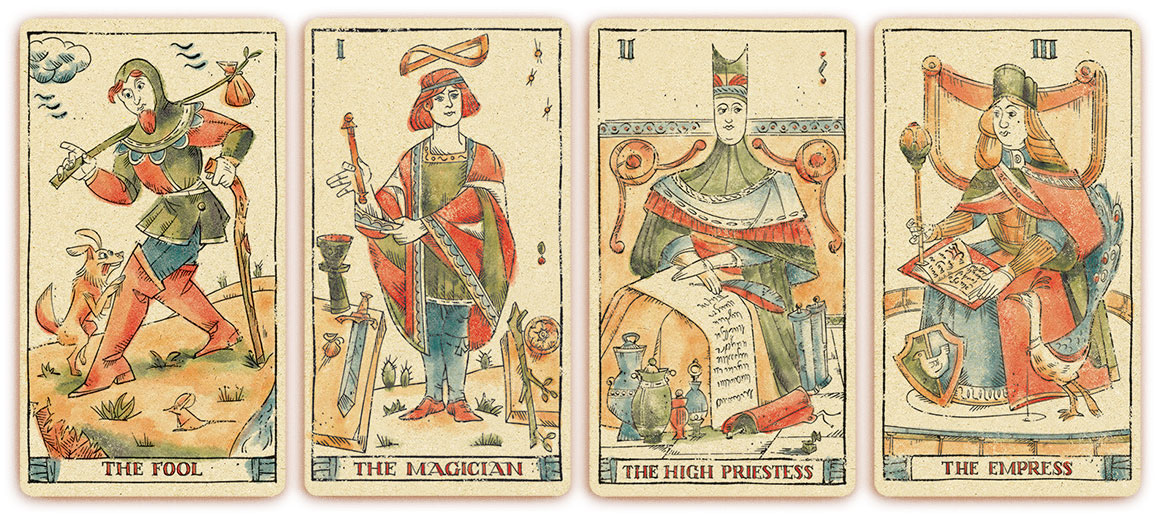
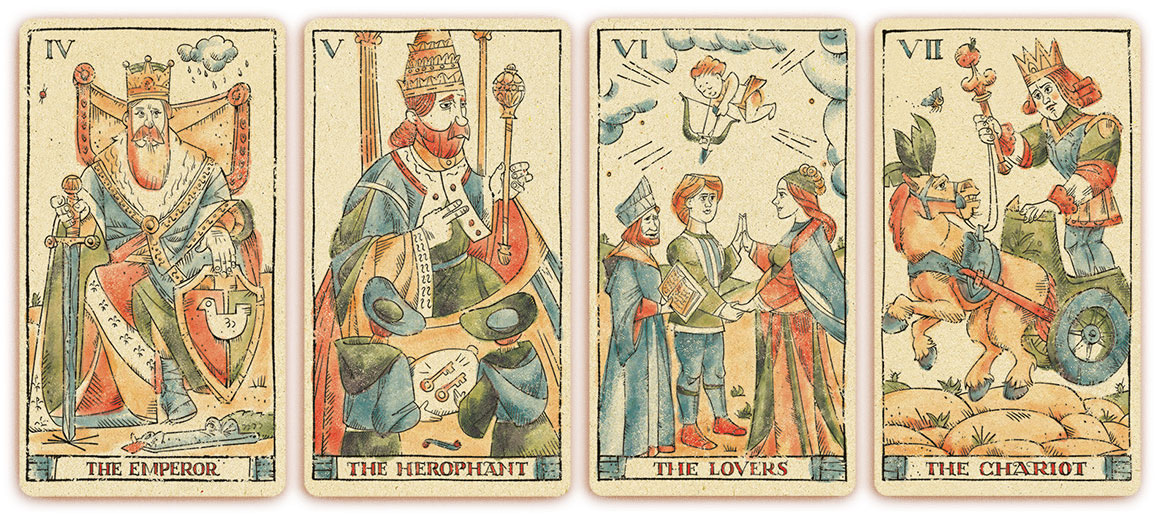
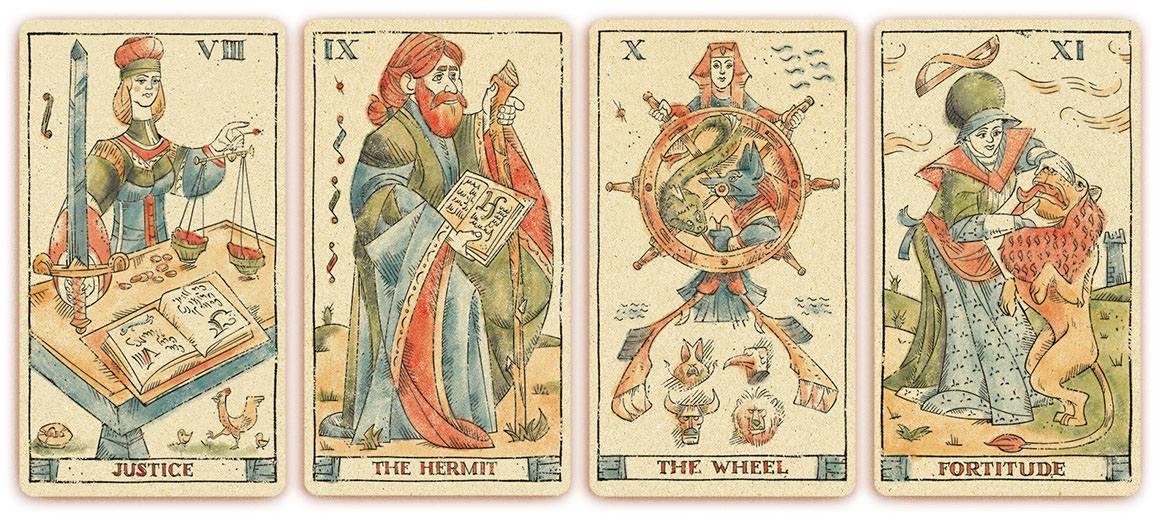
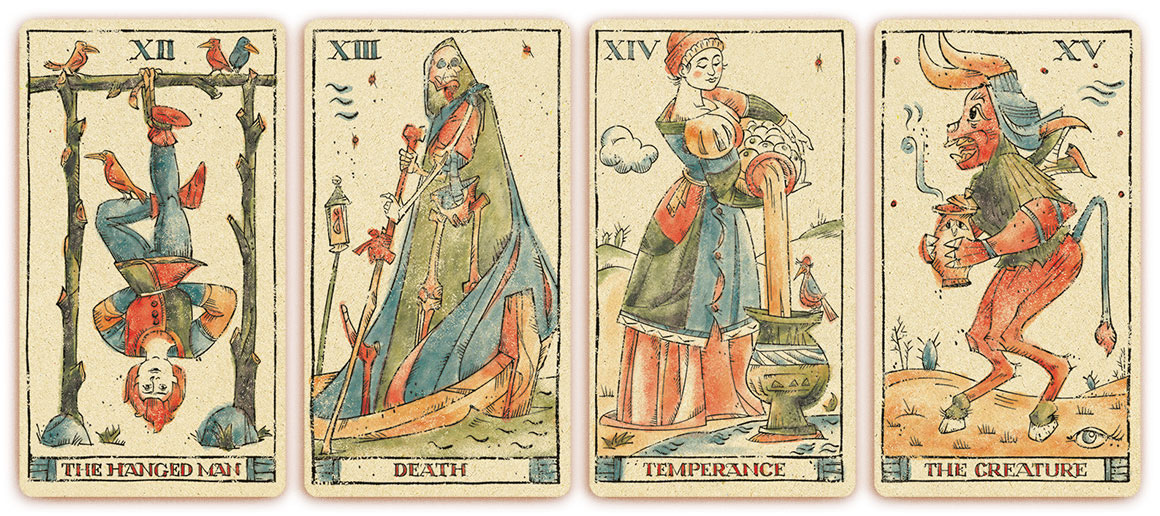
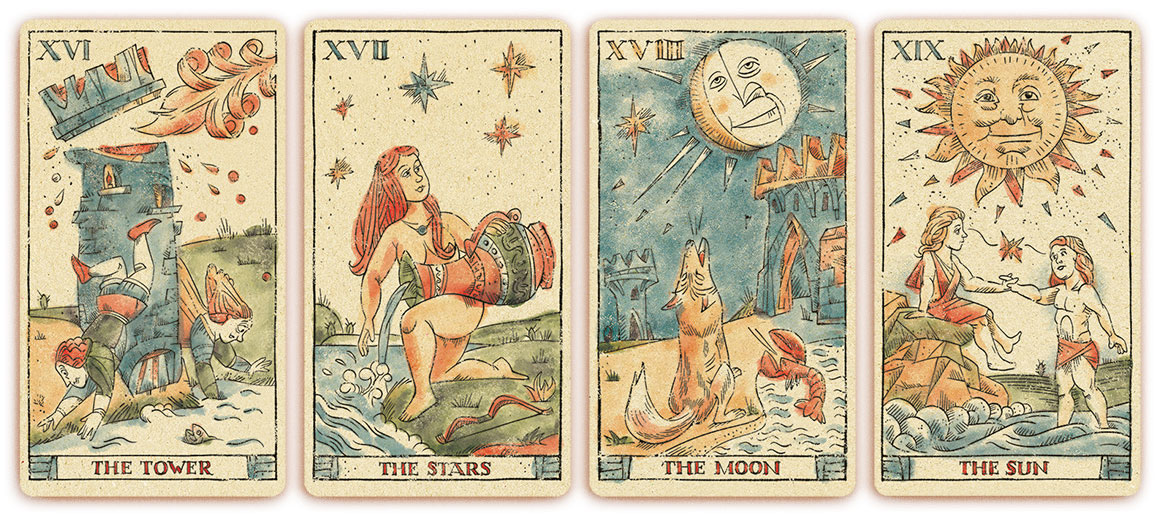
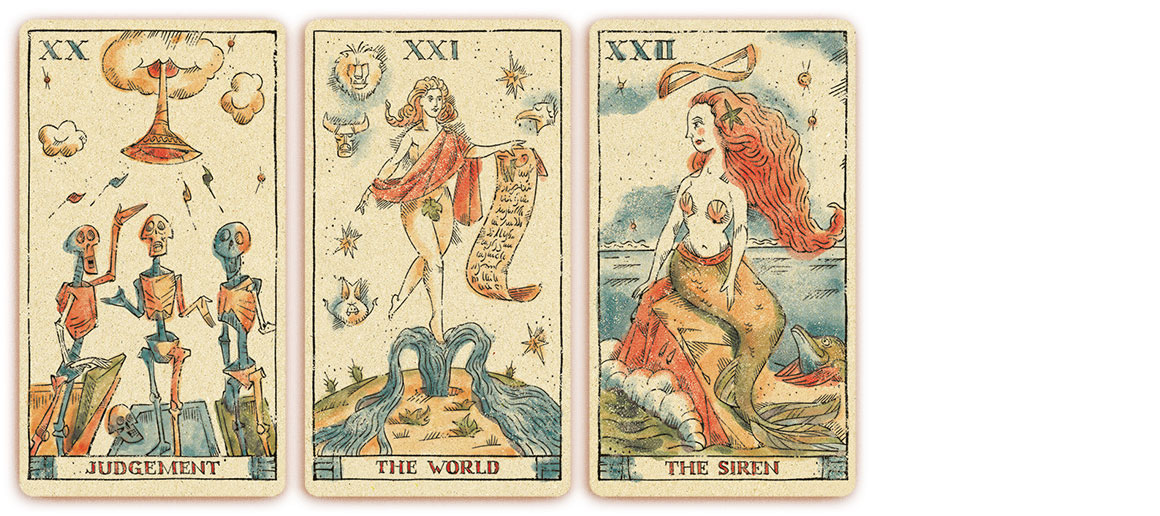
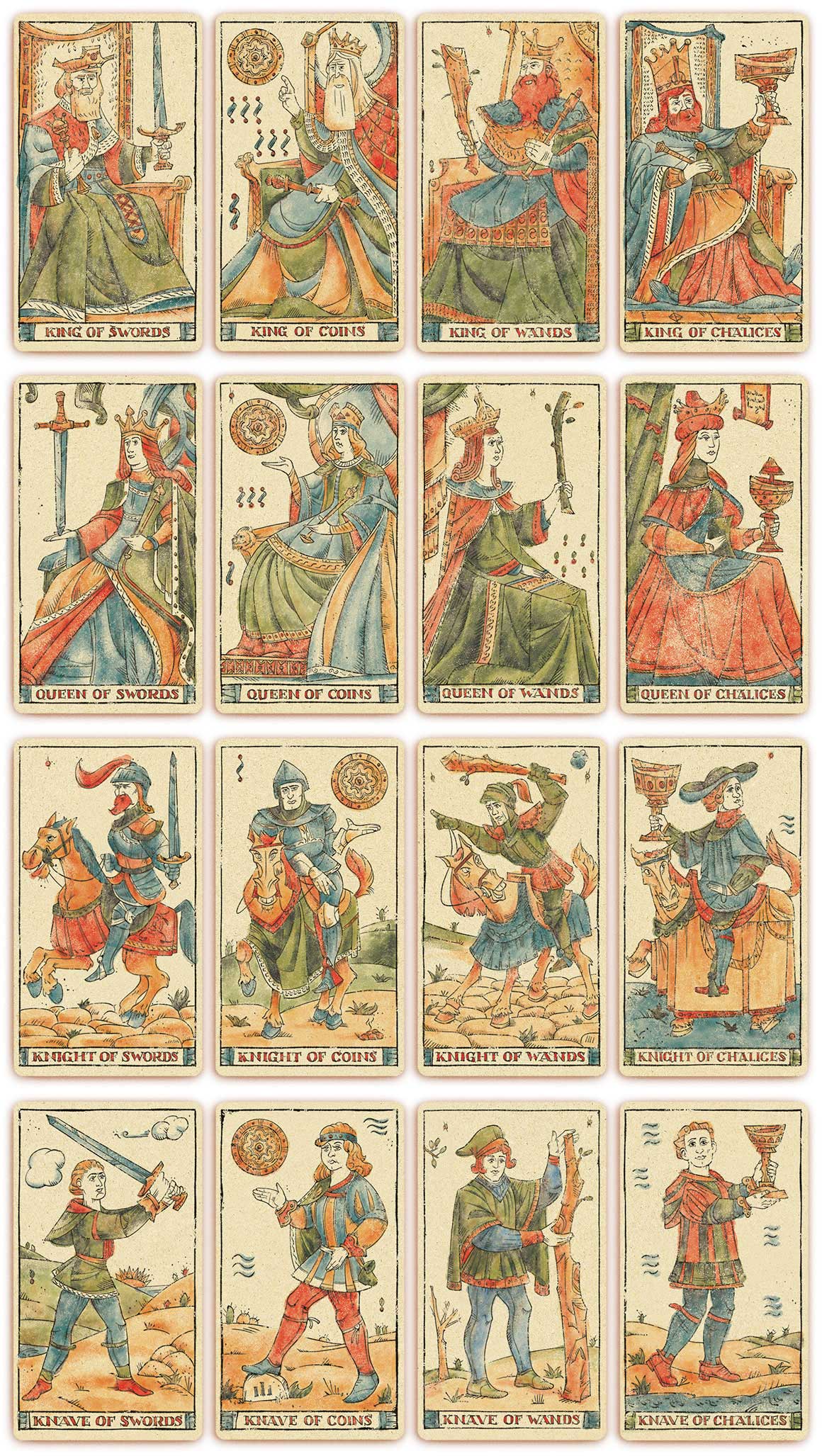
Above: the ‘Tarot of Musterberg’ for card games and cartomancy, 79 cards in box, designed and created by Cesare Asaro of Curio & Co.→

By Simon Wintle
Spain • Member since February 01, 1996
I am the founder of The World of Playing Cards (est. 1996), a website dedicated to the history, artistry and cultural significance of playing cards and tarot. Over the years I have researched various areas of the subject, acquired and traded collections and contributed as a committee member of the IPCS and graphics editor of The Playing-Card journal. Having lived in Chile, England, Wales, and now Spain, these experiences have shaped my work and passion for playing cards. Amongst my achievements is producing a limited-edition replica of a 17th-century English pack using woodblocks and stencils—a labour of love. Today, the World of Playing Cards is a global collaborative project, with my son Adam serving as the technical driving force behind its development. His innovative efforts have helped shape the site into the thriving hub it is today. You are warmly invited to become a contributor and share your enthusiasm.

Activity for Tarot of Musterberg
Sign in to comment or save this article.

Related Articles
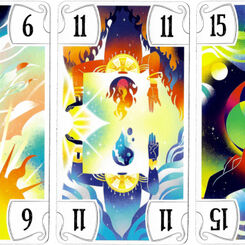
Tarot by IELLO Games
A modern French tarot deck designed by Charlène Ingouff with radiant Art Nouveau echoes.
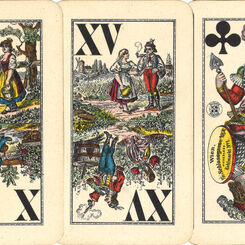
Julius Berndl and his Austrian tarock
Josef Glanz's Tarock: a classic deck with artistic innovation by Julius Berndl.
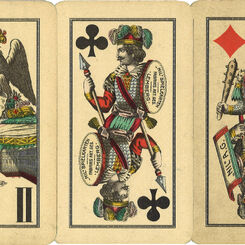
Tarock Cards by NIL Spielkartenfabrik
A deck of tarock cards from the eastern end of the ending Austro-Hungarian Empire.
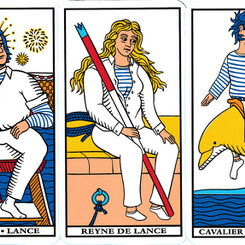
Le Tarot de Sète
Reinterpretation of the Tarot de Marseille by Julien Labat, an artist from Sète.
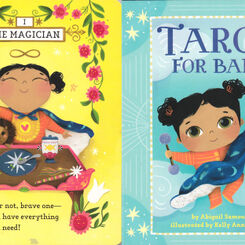
Tarot for Baby
This board book simplifies tarot archetypes into accessible affirmations for young children.
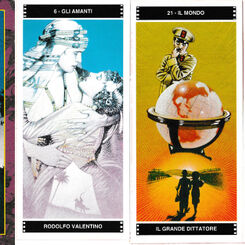
I Tarocchi del Cinema (di Sesar)
A set of Tarot trumps on the subject of the cinema, with designs by Sergio Sarri.
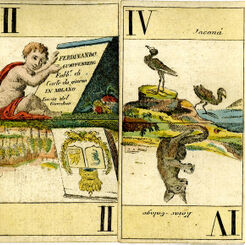
Natural History Tarocchi
Natural History Tarocchi by Ferdinando Gumppenberg, Milan.
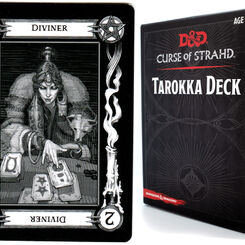
Dungeons & Dragons “Curse of Strahd” Tarokka Deck
Enhance your Dungeons & Dragons game with the Tarokka Deck, a tarot-inspired set of cards that bring...
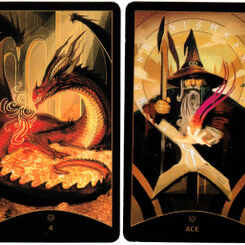
Dungeons and Dragons Tarot
This 78-card officially licensed Dungeons & Dragons (D&D) tarot deck offers a visually appealing var...
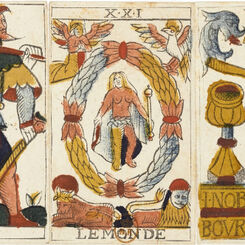
Jean Noblet Tarot de Marseille
Jean Noblet: the oldest known ‘Tarot de Marseille’ deck, Paris, c.1650.
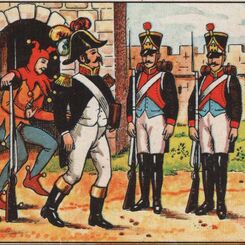
Bourgeois Tarot by Piatnik 1987
Piatnik’s ‘Bourgeois Tarot’ in a version published in 1987 with nice quality images, especially the ...
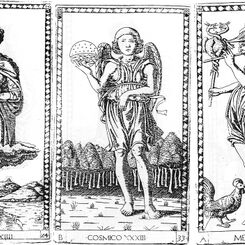
Tarocchi di Mantegna, c.1465
The so-called Tarocchi di Mantegna (c.1465) reflect an ideological structure bringing to mind the so...
Perspectives on the History of Tarot
From a Renaissance Card Game to a Medium of Spiritual Meaning and Identity.
Sola-Busca Tarocchi
The Sola-Busca Tarocchi, c.1491
The Playing Card Oracles
The Picture Book of Ana Cortez is an original work of art designed to facilitate Divination.
Charles Cheminade Tarot
Marseille Tarot cards by Charles Cheminade of Grenoble, France, early 18th century.
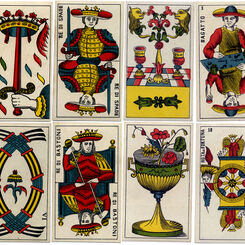
Tarocco Piedmontese, Buenos Aires c.1900
Tarocco Piedmontese by Fabrica de Naipes La Primitiva, Moreno 248, Buenos Aires c.1900
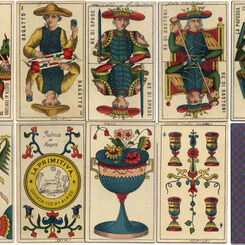
Tarocco Piedmontese by Fabrica de Naipes La Primitiva, Bs Aires
Tarocco Piedmontese by Fabrica de Naipes La Primitiva, Defensa 125, Buenos Aires c.1890.
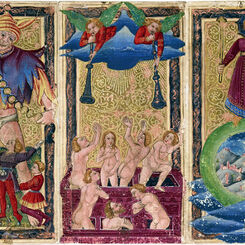
Hand-Painted Tarocchi Cards
Hand-painted Tarocchi cards sometimes known as ‘Charles VI tarot’, North Italy, 1475-1500.
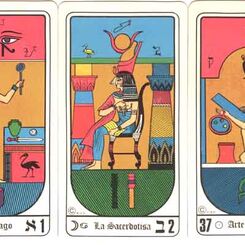
Tarots Egipcios Kier
The “Tarots Egipcios” was first published by Editorial Kier S.A. in c.1971 with Spanish titles, with...
Most Popular
Our top articles from the past 60 days


