


Le Jeu de Marseille
Having deconstructed traditional, bourgeois playing card symbolism they produced new, liberated designs expressing their own beliefs and values. The court cards were persons expressing new, revolutionary ideals.
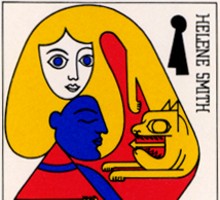
“Le Jeu de Marseille” ~ myth, dreams & imagination...
In the 1940s André Breton and a group of his Surrealist friends (Wifredo Lam, Max Ernst, Jacqueline Lamba, Oscar Dominguez, Victor Brauner, Jacques Hérold, André Masson and Frédéric Delanglade) were stranded in the French port of Marseilles whilst attempting to escape Nazi-occupied Europe and gain passage to America. Having deconstructed traditional, bourgeois playing card symbolism they produced new, liberated designs expressing their own beliefs and values. The court cards were persons representing new, revolutionary ideals. As Breton was a Communist, the conventional court hierarchy denoting military power and rank was unacceptable: these were re-named Genius, Siren and Magus...
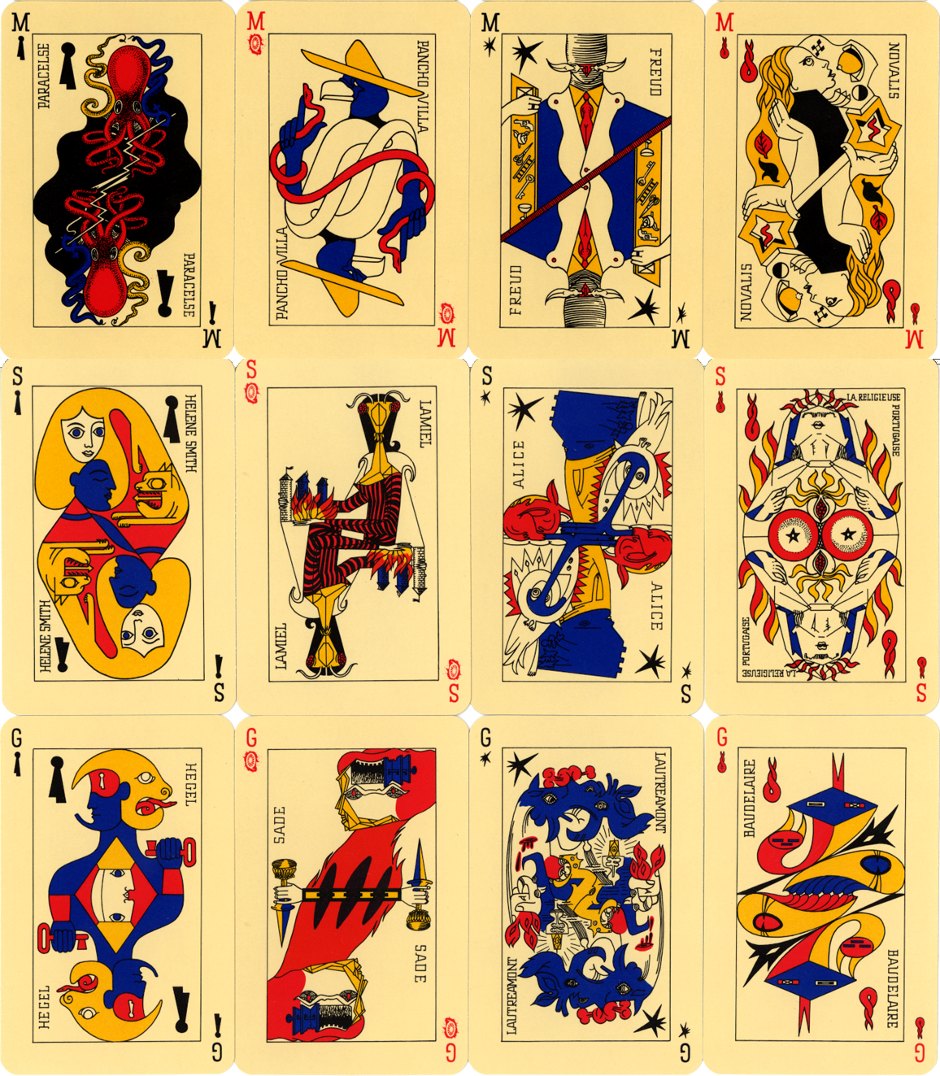
Above: cards from “Le Jeu de Marseille” published by Grimaud, Paris, 1983. The designs were first published in VVV Magazine (devoted to the dissemination of Surrealism), New York in 1943. Images courtesy Barney Townshend.
Having deconstructed traditional playing card designs, Breton wanted a thorough reinvention along Surrealist principles. The suits were renamed: Locks (black) for knowledge, Wheels (red) for revolution, Stars (black) for dreams and Flames (red) for love and desire. Surrealist ideas inspired many young artists to move away from conventional views of artistic composition towards abstract expressionism.
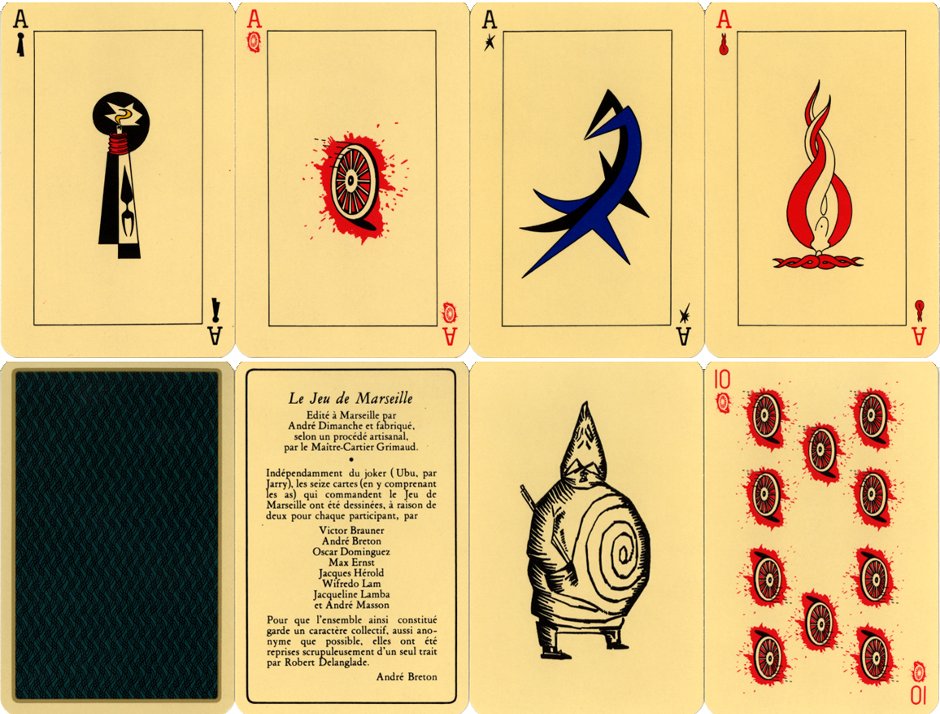
The “Jeu de Marseille” was eventually produced as a full deck of cards (with the original sketches being reworked slightly) in 1983 and has been reprinted several times. • See also: Salvador Dalí Surrealist Playing Cards →

By Barney Townshend
United Kingdom • Member since October 06, 2015
Retired Airline Pilot, interested in: Transformation Playing Cards, Karl Gerich and Elaine Lewis. Secretary of the EPCS. Treasurer of the IPCS.

Activity for Le Jeu de Marseille
Sign in to comment or save this article.

Related Articles
Les Amoureux de Peynet
An iconic cartoon veers from cute to sexual with no stops in between.
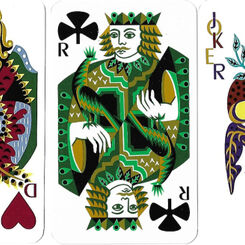
Les Quatre Saisons
A lyrical cycle of the seasons woven into the language of playing cards.
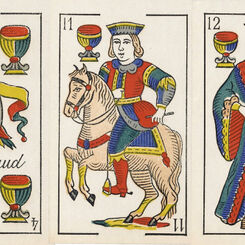
Catalan pattern by B.P Grimaud
Standard Spanish Catalan pattern deck made in Paris by B.P Grimaud.
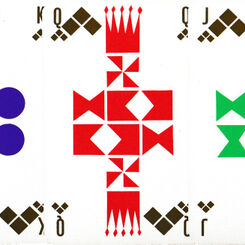
Knoll International
Geometric designs by the French artist Jean Garçon for Knoll International, the furniture company.
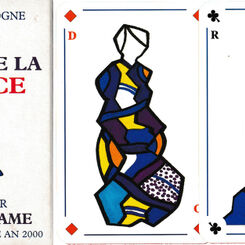
Le Jeu de la Chance
Original designs by French artist Jean Vérame, with clubs replaced by four-leaf clovers to bring goo...
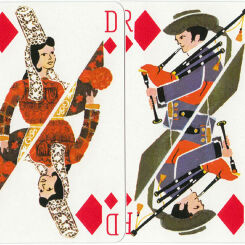
Bretagne
Bretagne (Brittany) playing cards, Grimaud, c.1970.
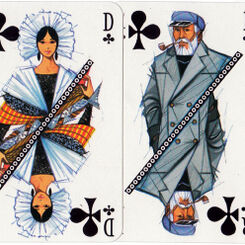
Boulogne-sur-Mer Chamber of Commerce
Boulogne-sur-Mer Chamber of Commerce & Industry playing cards illustrated by James Hodges, c.1974.

Versailles
Sumptuous ‘Versailles’ playing cards created by Matéjà and printed by B. P. Grimaud, c.1970
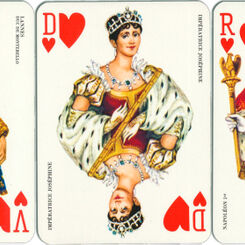
Jeu de Cartes Napoléon
Deck created by Matéja celebrating the bicentenary of the birth of Napoleon (1769-1969)

1900 Jeu de Cartes
‘Jeu de Cartes 1900’ designed by Marie Christine Schira in the Art Nouveau or Jugendstil style, 1979...
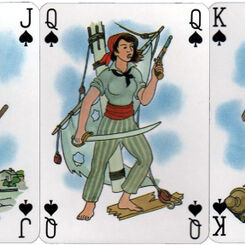
Pirates et Corsaires
“Pirates et Corsaires” playing cards illustrated by Jean Bruneau, 1984.

Jeu Moyen Age
Quénioux believed that aesthetic feelings are the highest values: “C’est précisément cet amour de l’...
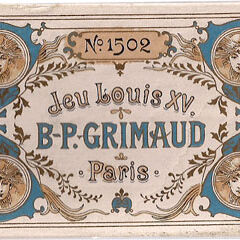
Jeu Louis XV
B.P. Grimaud of Paris issued this very ornate costume deck called “Jeu Louis XV No.1502” in c.1895. ...
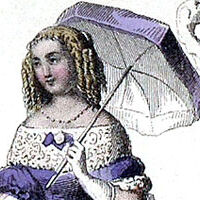
Jeu des Rois de France
This beautifully engraved and pleasing deck designed in 1856 has French Kings and consorts as the Ki...
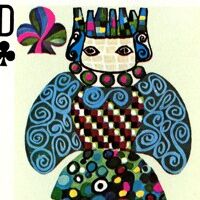
Geneviève Lirola
Stylish modern designs by the painter, decorator and ceramist Geneviève Lirola, featuring unity of c...
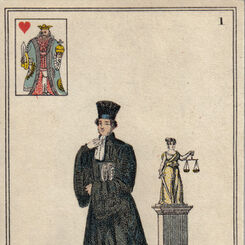
Livre du Destin
Livre du Destin / The Book of Fate, c.1900, entire deck (32 cards)
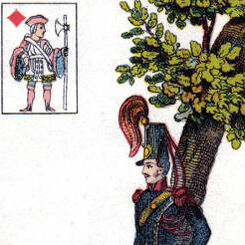
Livre du Destin
Livre du Destin or Book of Fate, printed by B.P.Grimaud, Paris, c.1900.
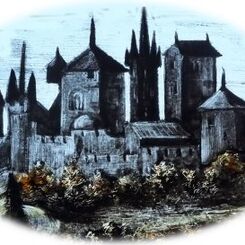
French Playing Cards
Some of the oldest cards still in existence come from France. During the 16th and 17th centuries Fra...
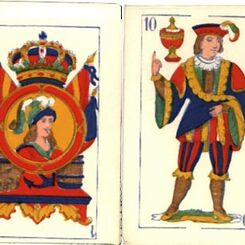
Grimaud Spanish pattern
Grimaud Spanish pattern, c.1880
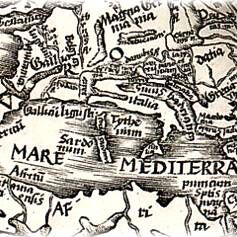
The History of Playing Cards
Playing cards appear in European records in the late 14th century, but their earlier history lies fu...
Most Popular
Our top articles from the past 60 days


mixhead
27 January 2026, 19:10SavedSaved this article to mixhead's Collection