Iranian Popular Art
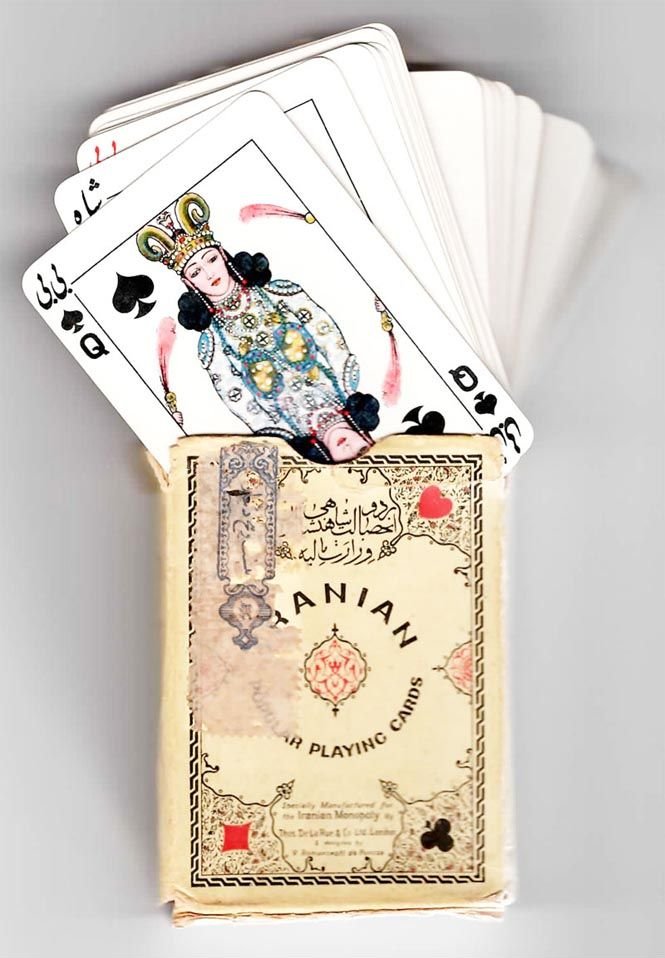
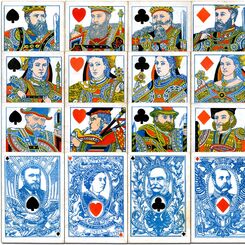
Representing Iranian culture and history and intended for a Persian market, these playing cards were designed by V. Romanowski de Boncza, ordered by the Iranian government playing card monopoly at the time and printed by Thomas De la Rue & Co., Ltd, c.1937.
Iranian Popular Art Playing Cards
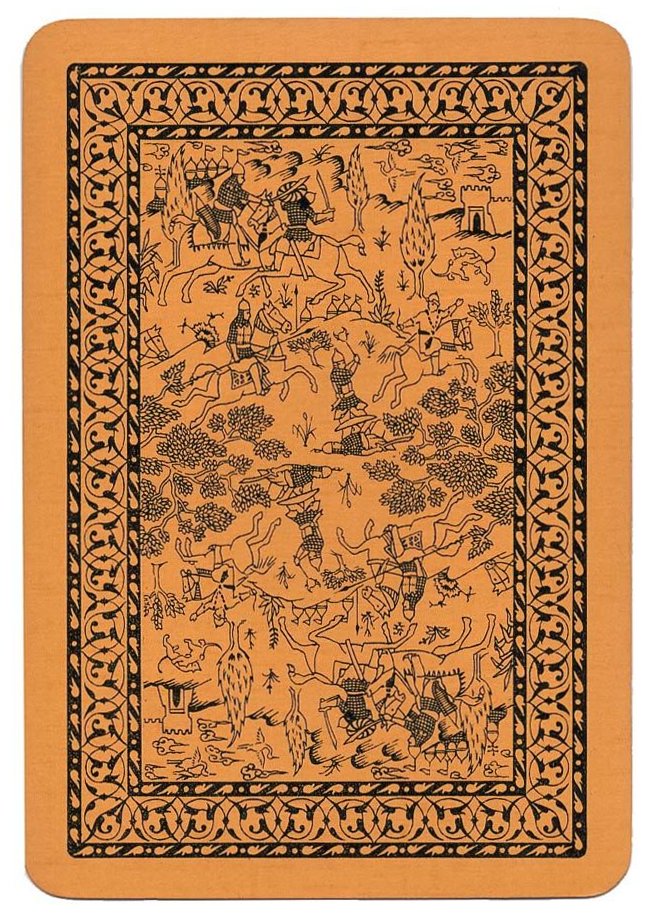
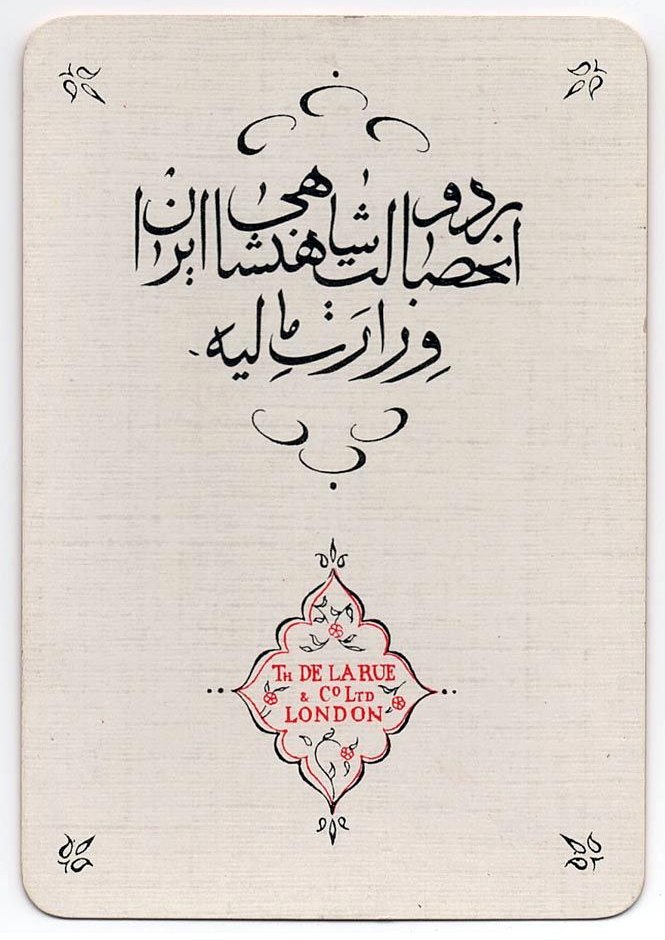
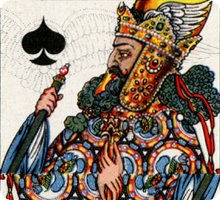
Representing Iranian culture and history and intended for a Persian market, these playing cards were designed by V. Romanowski de Boncza. The deck was commissioned by the Royal Iranian Government Playing Card Monopoly (Ministry of Finance) at the time and printed by De la Rue & Co., Ltd, c.1937. The double-ended court figures are wearing exotic Persian costumes from different dynasties.
Click to see: box ♣ reverse ♥ extra card.
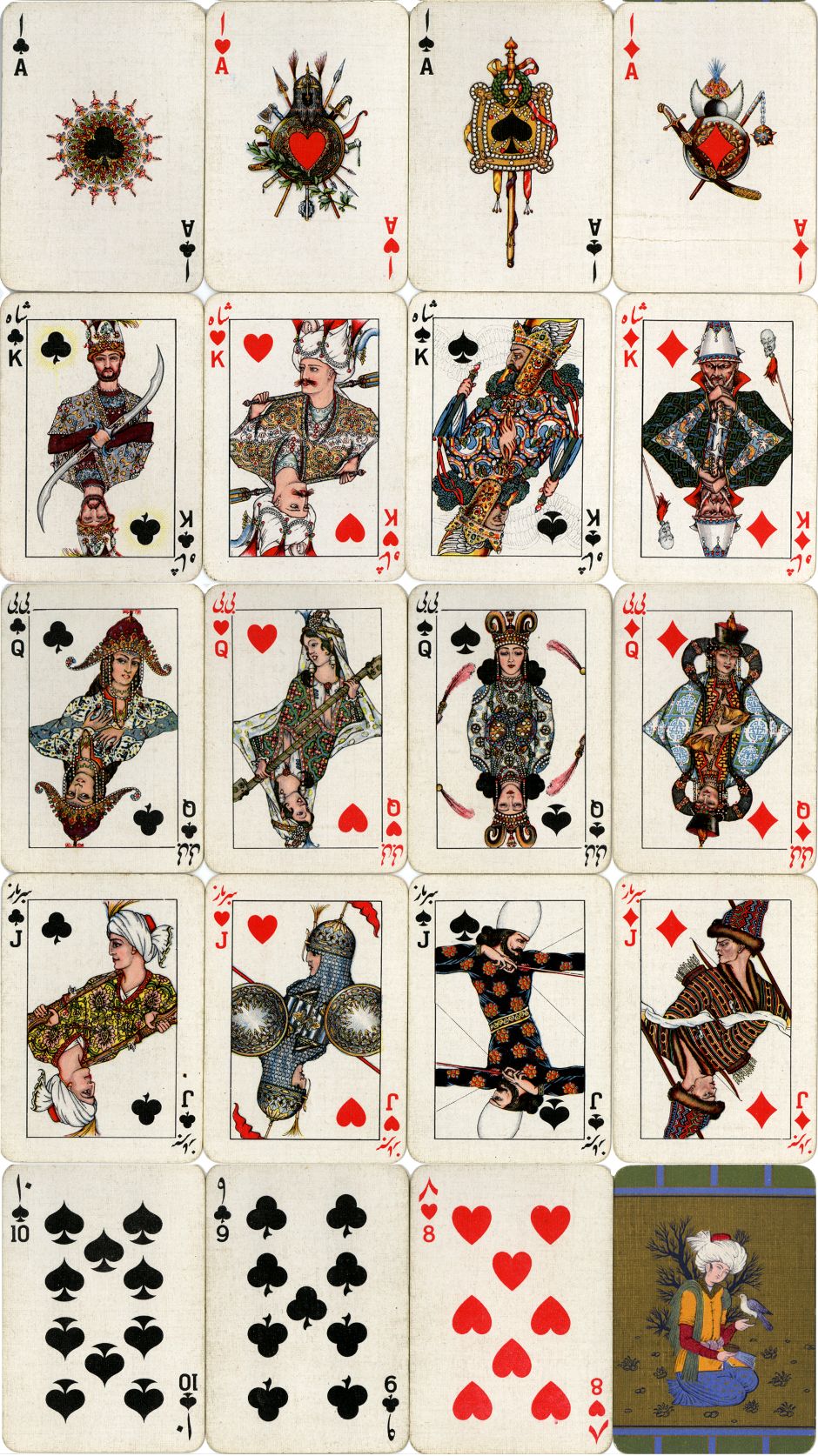
Above: 'Iranian' playing cards designed by V. Romanowski de Boncza and first printed by De la Rue in c.1937. The cards incorporate Iranian motifs and there appear to have been more than one back design as well as a patience sized version; the cards were also re-printed by Fournier in c.1962 and again at a later date with some modifications. Images courtesy Barney Townshend and Mehdi Soozande.
Reference:
Collett, Maurice: "Iranian Playing Cards" in the Newsletter of the English Playing Card Society, Vol.23 No.83, June 2005, pp.45-47.
Update from Peter Burnett
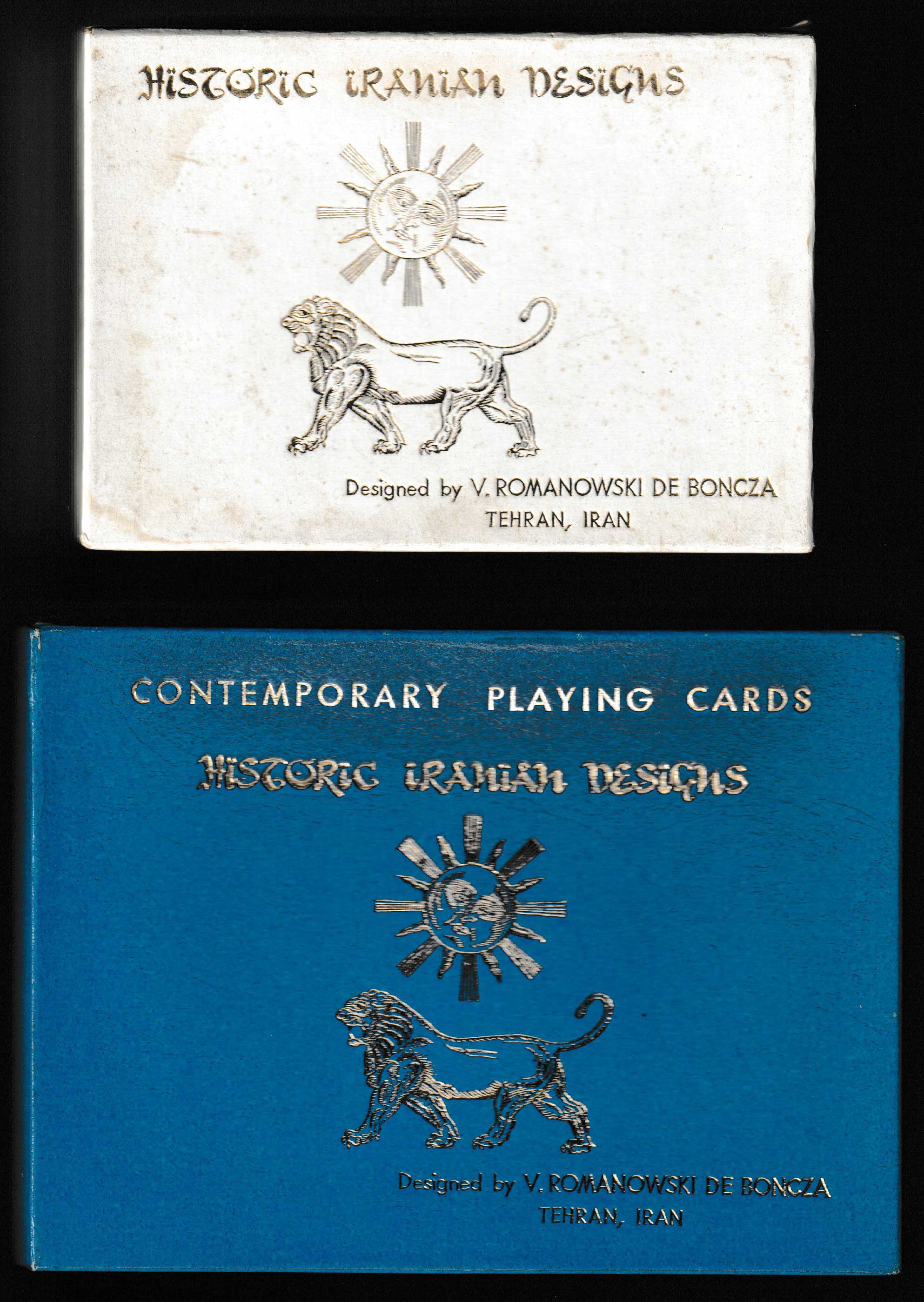
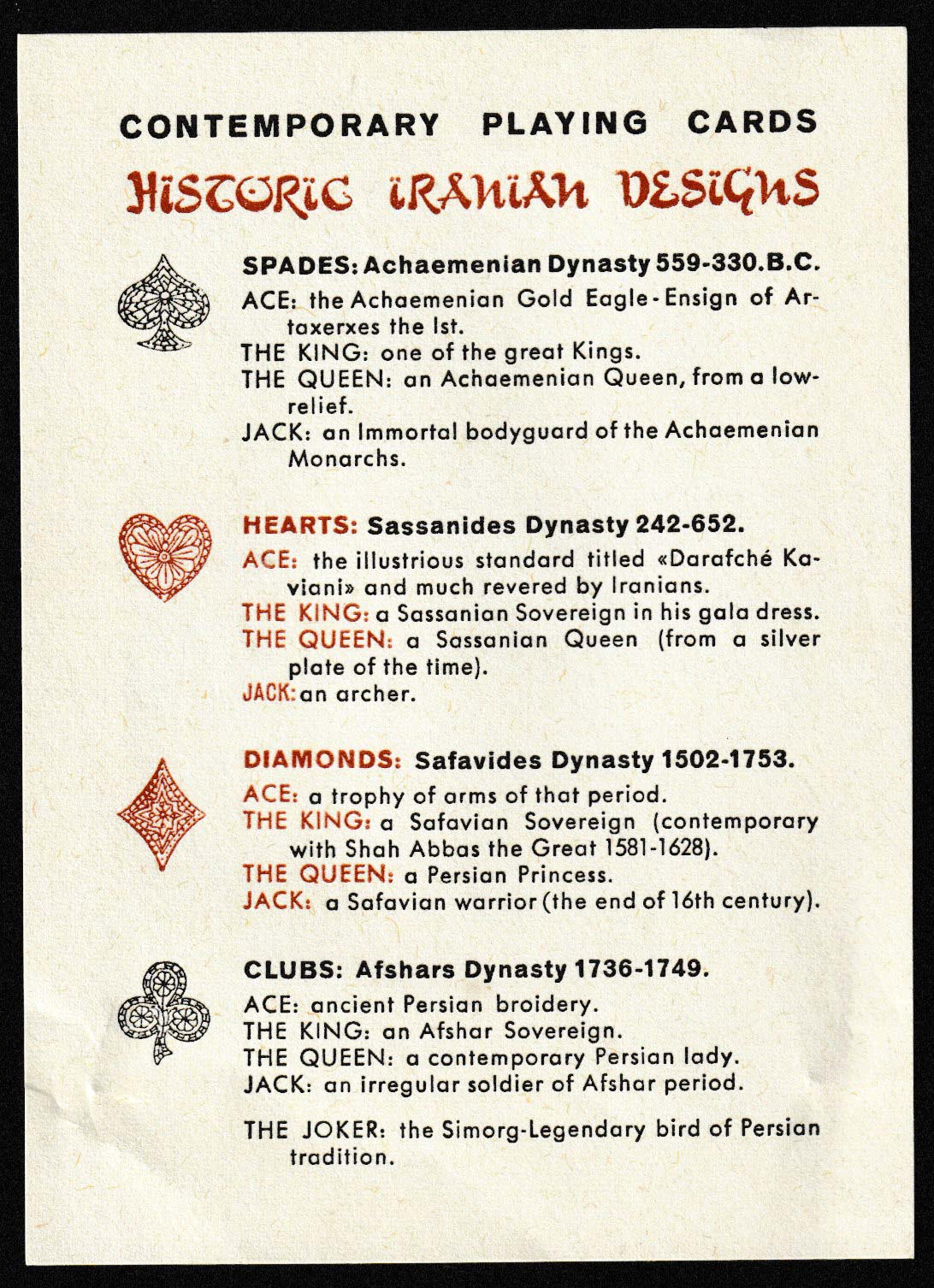
I'm attaching scans of a Fournier reprint which clearly shows the differences/modifications to the court cards (e.g KS becomes KH; QH becomes QD; new spade suit, etc.) Fournier's 1962 reprint was not a slavish copy of the De La Rue original. Many of the cards were given a 'lighter' look, e.g., KC - eyes and beard lightened, crown slightly cropped; JD - outline of chin lightened and face generally more pink. A later reprint is from c.1979 with the title "Historic Iranian Designs". The single pack also contained a leaflet►
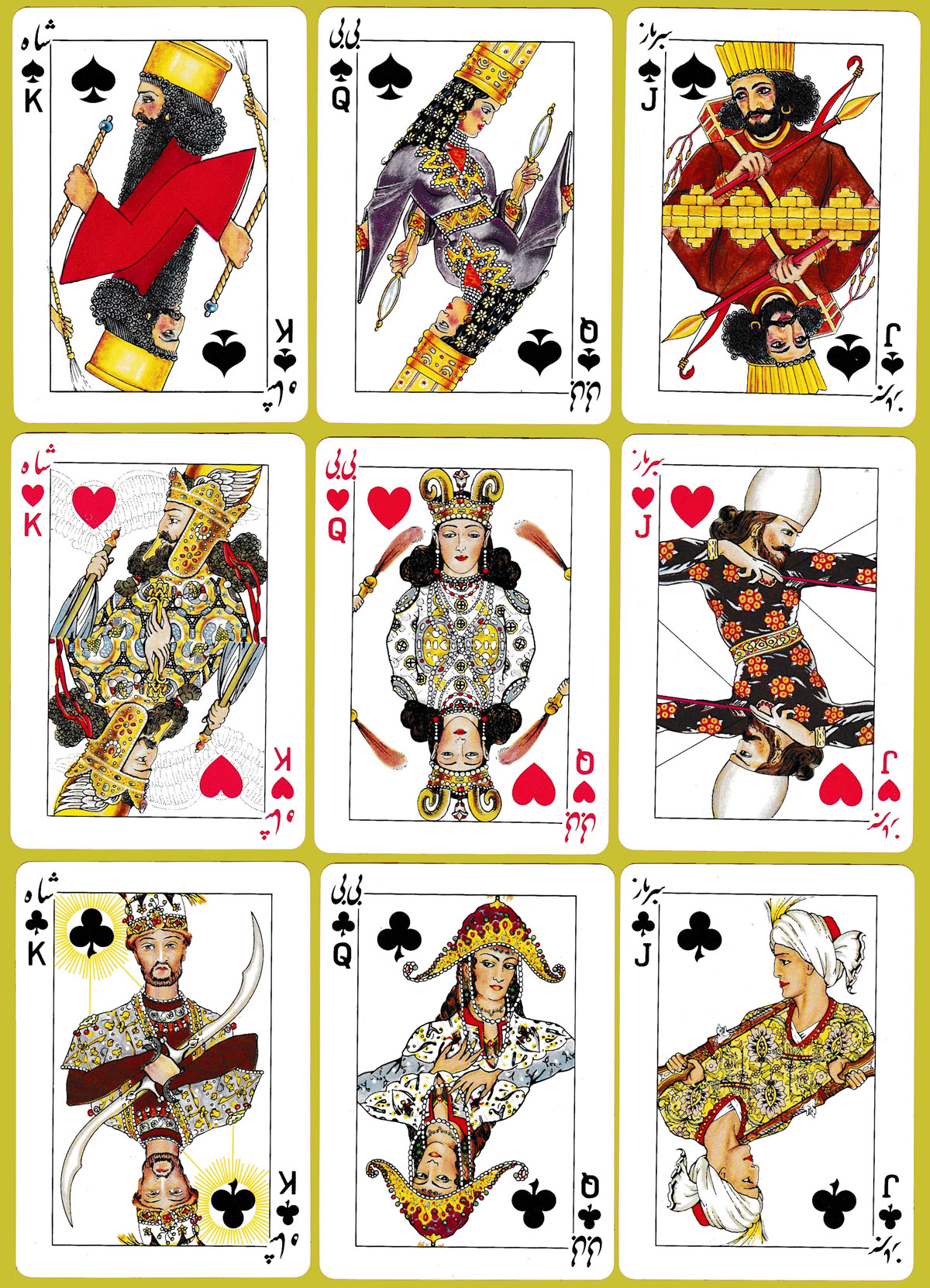
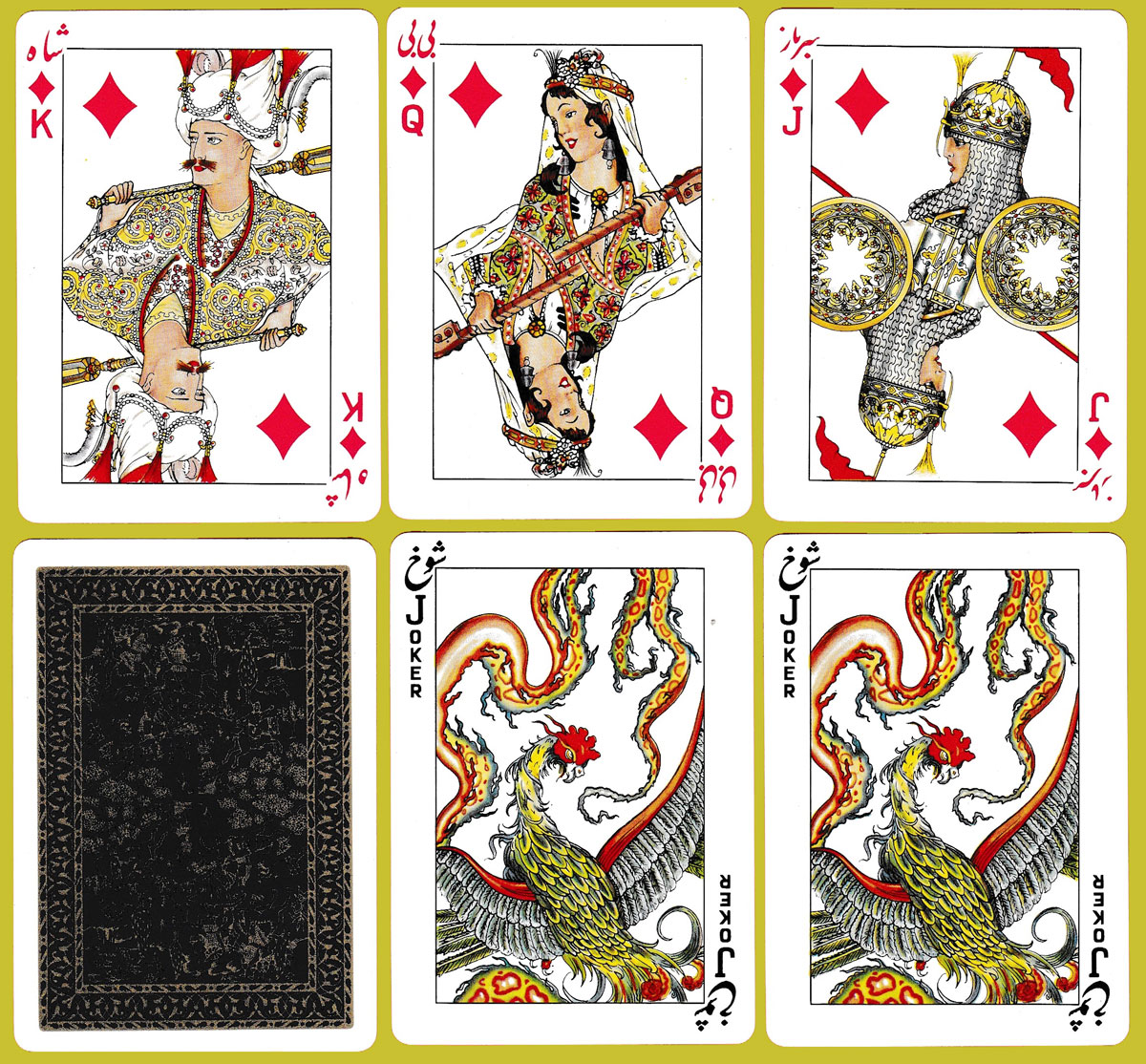
Above: Fournier reprint of Iranian playing cards. Image courtesy Peter Burnett.
What are the differences between the two reprints?
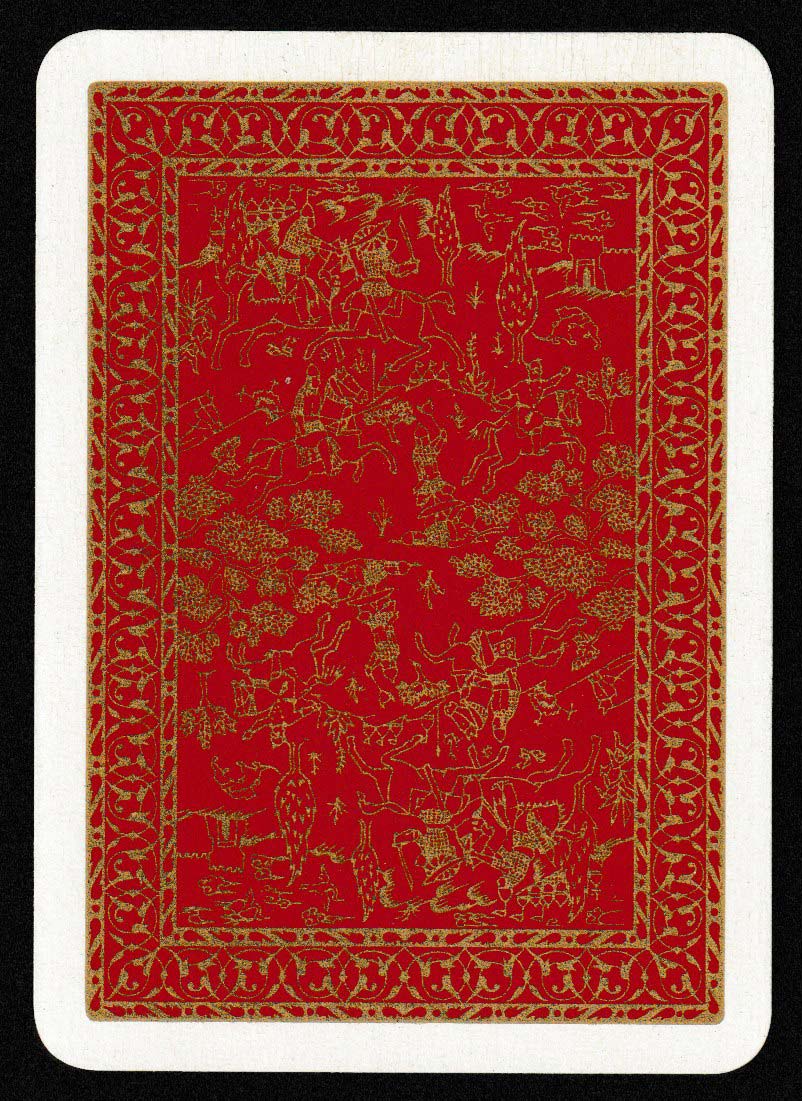
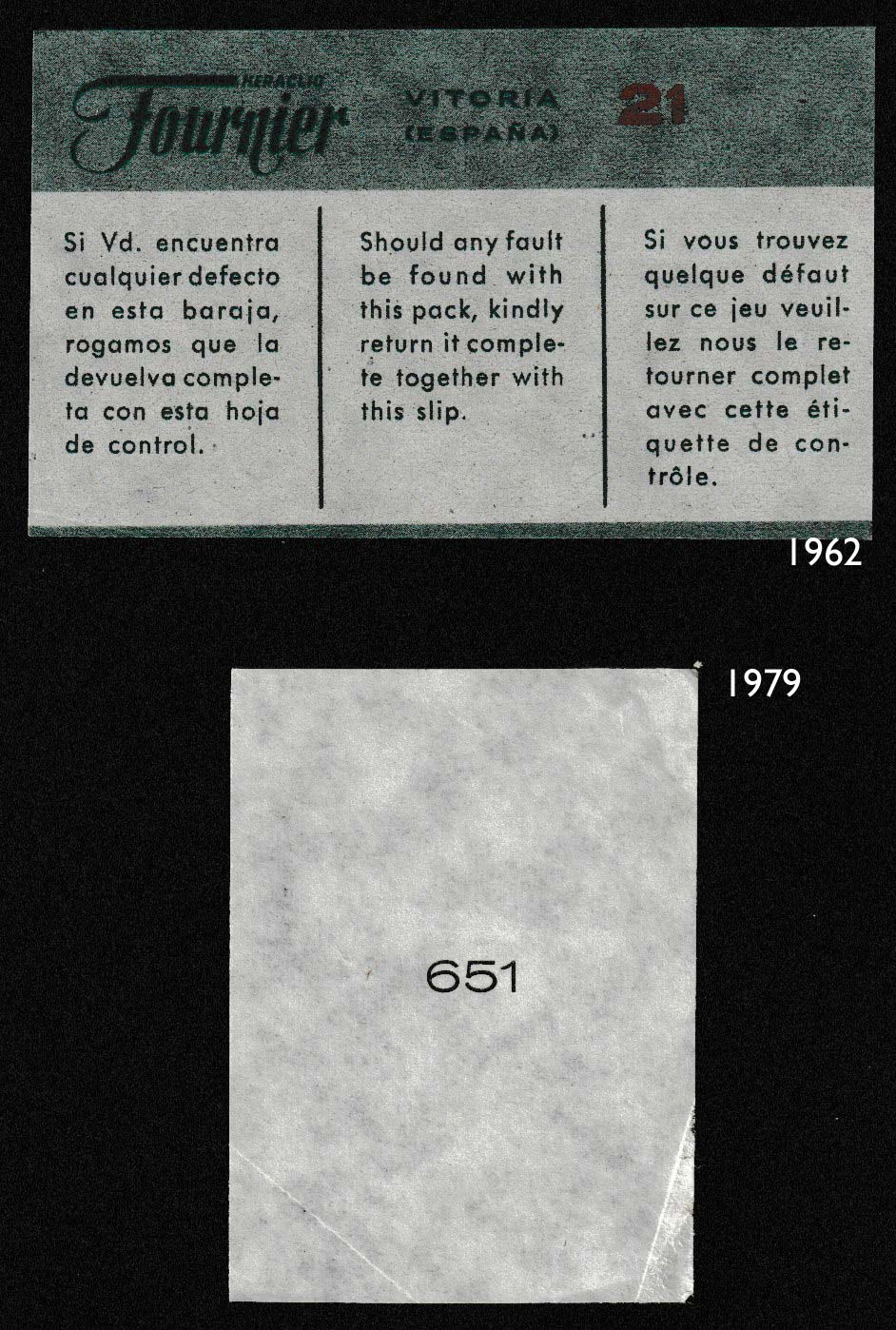
The Hearts courts and Ace were switched to Diamonds; the Diamonds courts and Ace were dropped completely; the Spades courts and Ace were switched to Hearts; the Clubs courts and Ace remained the same. Totally new designs were introduced for the 1979 Spades courts and Ace. The 1962 pack was on slightly creamier card than the 1979 one. The corners were more rounded and had more gilding than on the later pack. The 1962 pack lies flat, whereas the 1979 pack has a tendency to curve slightly over time. On the 1962 AS, one can read "MADE IN SPAIN" just above the design, whereas this is absent from the 1979 AH. On the 4C, the number '419' has been added at the foot of the design in the 1979 reprint. The back design remained the same (mine is red). Lastly, the design of the packing/control slip changed from an elaborate to a simple one - R.S.
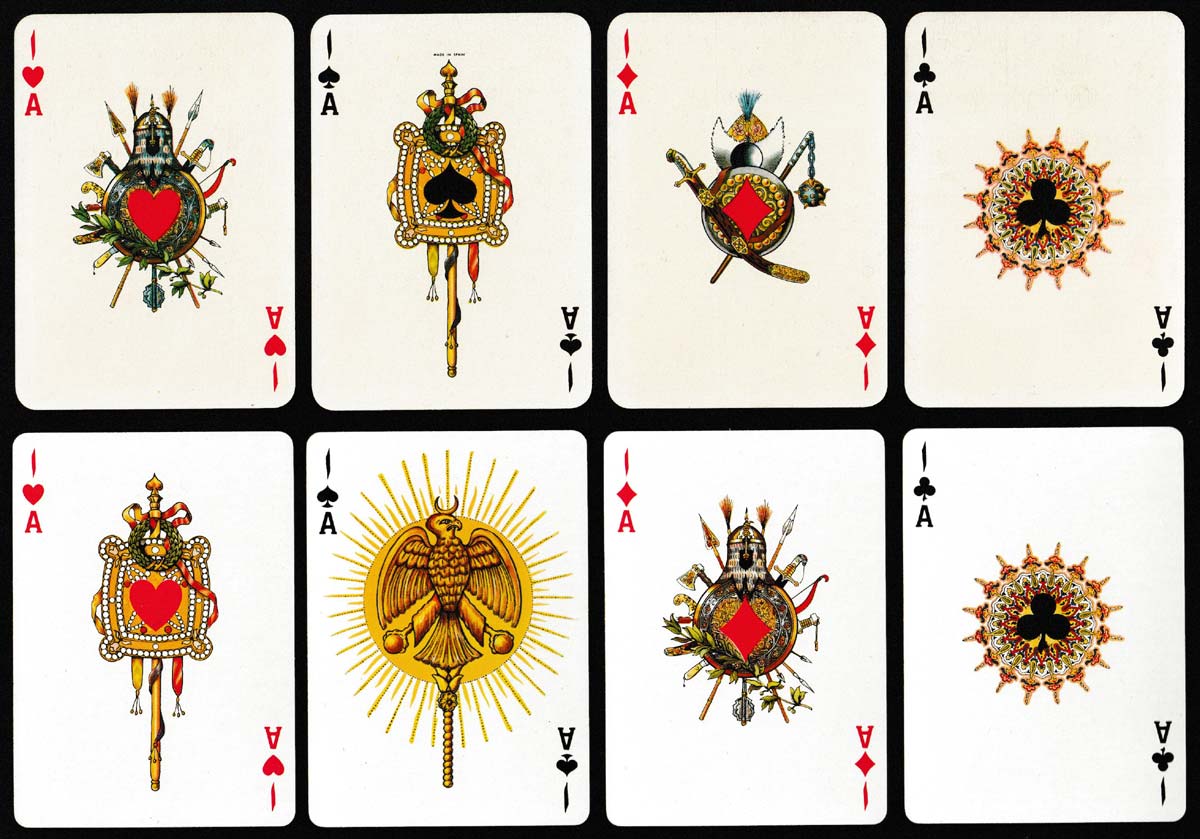
Above: Historic Iranian (1962 Aces above, 1979 Aces below). Images and notes courtesy Roddy Somerville.

By Barney Townshend
United Kingdom • Member since October 06, 2015 • Contact
Retired Airline Pilot, interested in: Transformation Playing Cards, Karl Gerich and Elaine Lewis. Secretary of the EPCS. Treasurer of the IPCS.

Leave a Reply

Your Name
Just now Your comment here. Your comment here. Your comment here. Your comment here. Your comment here. Your comment here. Your comment here. Your comment here. Your comment here. Your comment here. Your comment here. Your comment here. Your comment here. Your comment here. Your comment here. Your comment here. Your comment here. Your comment here. Your comment here. Your comment here. Your comment here. Your comment here. Your comment here. Your comment here. Your comment here. Your comment here. Your comment here. Your comment here. Your comment here. Your comment here. Your comment here. Your comment here.
Related Articles
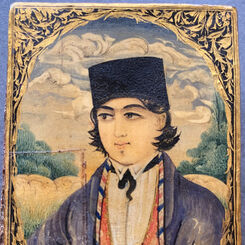
Âs Nas playing cards with box
Hand made cards from Persia
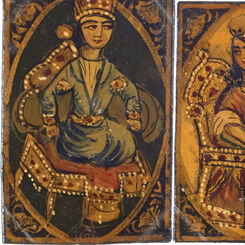
Âs Nas
Âs Nas type playing cards from Persia.
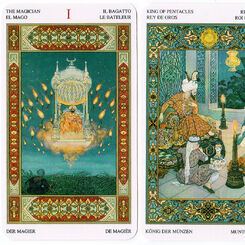
Tarot of the Thousand and One Nights (1001 Nights Tarot)
This tarot deck captures the idealised Eastern world's magic from the eighteenth and nineteenth cent...
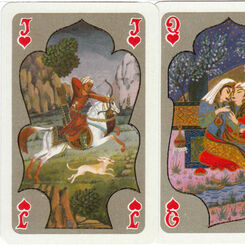
Persian Miniatures
Persian Miniatures, made in Hungary c.1990.
Qajar Dynasty playing cards
Qajar Dynasty playing cards, Iran, 19th century.
A Pair of Transformation Packs
Two similar but fascinatingly different hand-drawn transformation decks by the same artist, c.1875
Hafez Fortune Telling Cards
Fortune Tellers use the Hafez Cards by interpreting the Hāfez poems printed on the card backs when c...
International Playing Cards
Designed by Reuben Townroe (1835-1911), the artist who designed the ornamented terra cotta work on t...
Paramount Film Stars
Promotional playing cards for the Paramount film company with film stars on the court cards.
Film Star Playing Cards
Promotional playing cards for the Metro-Goldwyn-Mayer film company with film stars on the court card...
Karl Gerich No.16: “Patience Indien”
Karl Gerich's “Patience Indien No.16”, published in 1991, is adapted from Grimaud's “Whist Indienne”...
5: De La Rue
In December 1831 Thomas de la Rue was granted his patent for printing playing cards by letterpress.
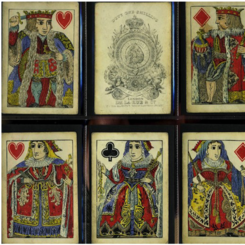

Tunisia
Playing Cards in Tunisia. Chkobba is one of the most popular card games in Tunisia, mainly played by...
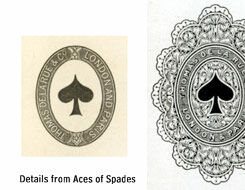
De La Rue Continental
During the latter part of the nineteenth century De La Rue produced two special packs of cards for t...

Heraclio Fournier S.A.
Founded in 1868, today it is part of Cartamundi.
De La Rue
De La Rue introduced letter-press printing into playing card production and his patent was granted i...
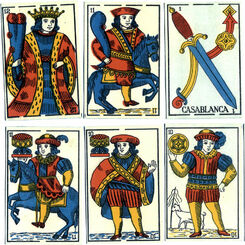
Casablanca playing cards from Morocco
Moroccan cards with the legend 'Casablanca'.
History of Danish Playing Cards
The earliest mention of playing-cards in Denmark dates from 1487 when King Hans, who reigned from 14...
Most Popular
Our top articles from the past 60 days