Irish Legendary
Irish Legendary deck featuring figures in the Legends of Ireland, designed by Rachel Arbuckle, 1990.
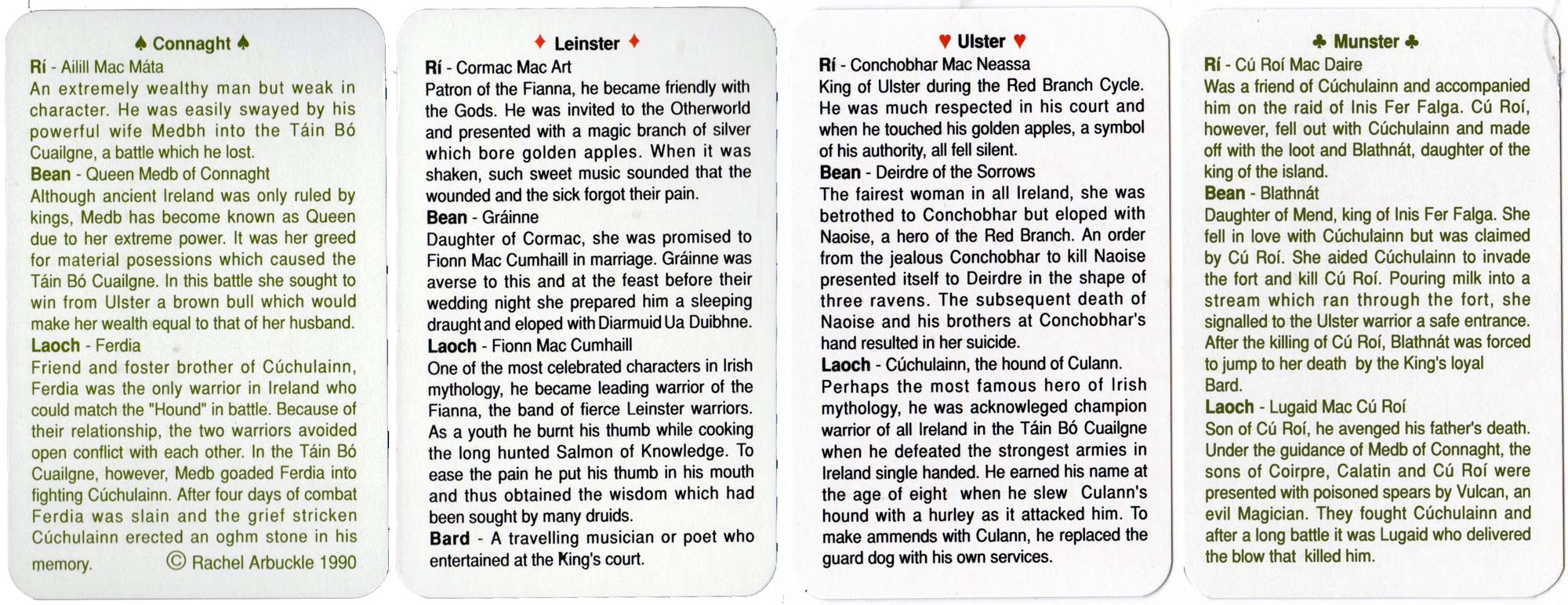
Irish Legendary playing cards featuring figures in the Legends of Ireland, designed by Rachel Arbuckle, 1990. The four suits represent the four provinces of Ireland and the Shield of each Province is illustrated on the Ace of each suit. The picture cards feature the Kings, Queens and Warriors of the province as in the Celtic legends. The Gaelic terms for these are used on the cards: Ri for King, Bean for the principal woman of the Province and Laoch for the Chief Warrior. The Gaelic Bard takes the place of the traditional Joker. Further details on the extra cards►
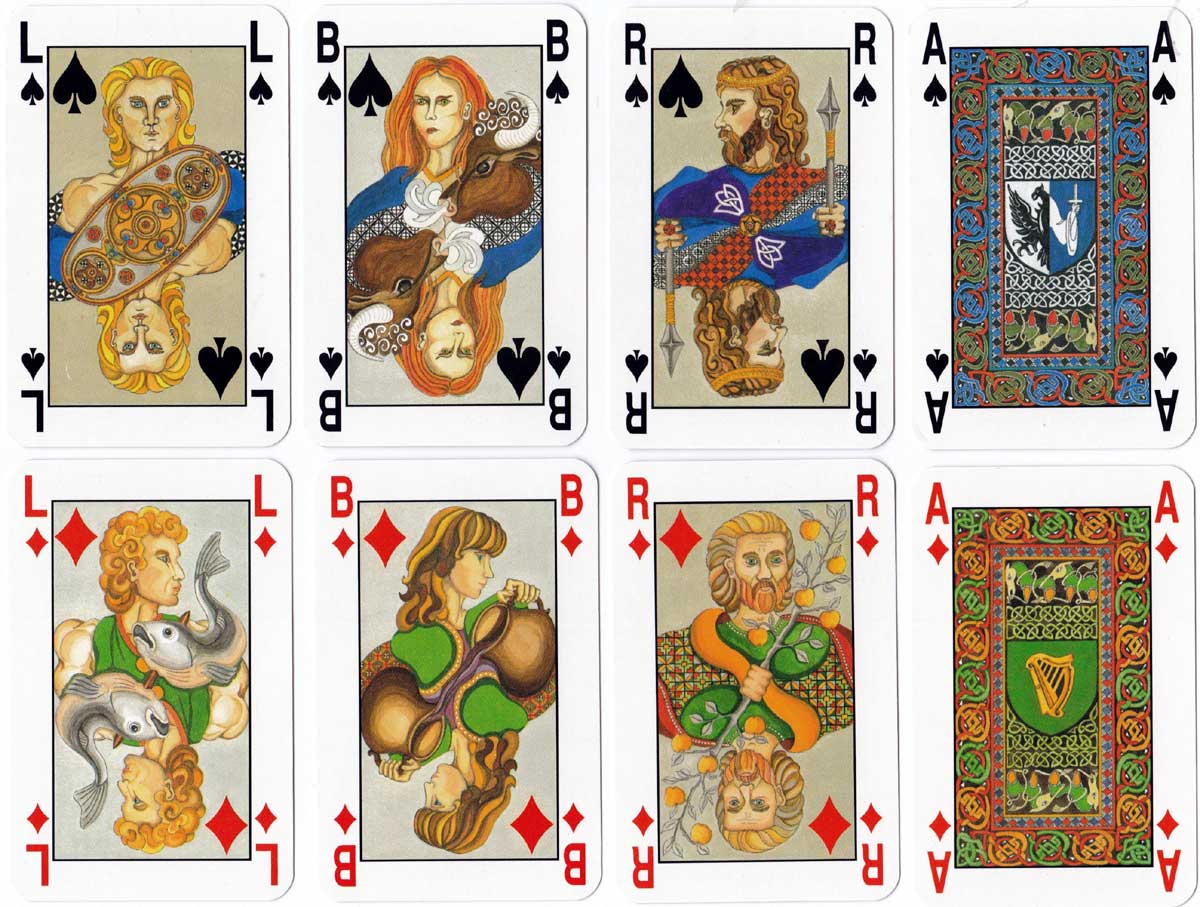
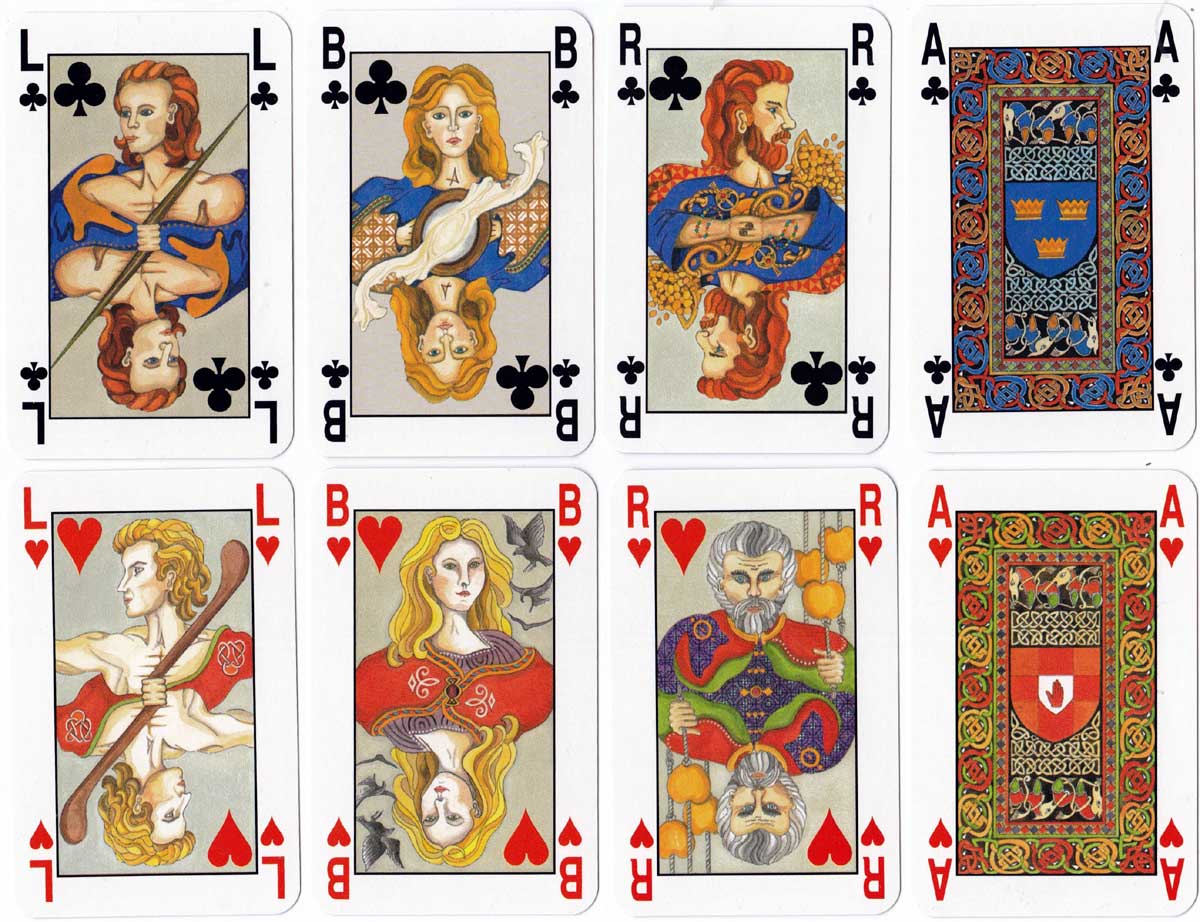
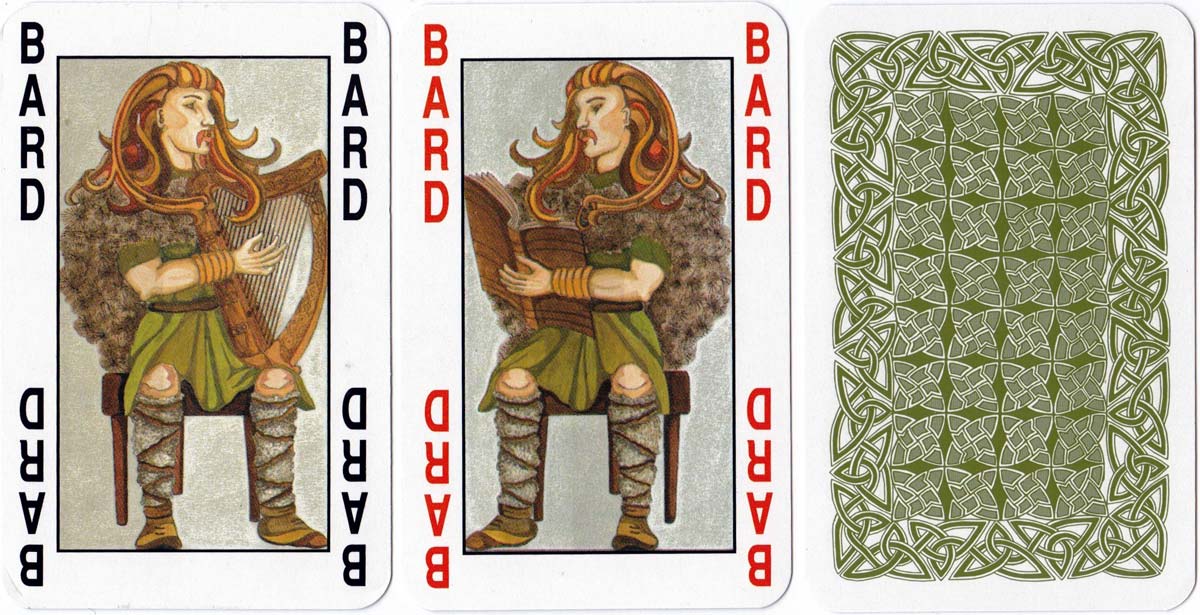
Above: Irish Legendary playing cards designed by Rachel Arbuckle, 1990.

By Rex Pitts (1940-2021)
United Kingdom • Member since January 30, 2009
Rex's main interest was in card games, because, he said, they were cheap and easy to get hold of in his early days of collecting. He is well known for his extensive knowledge of Pepys games and his book is on the bookshelves of many. His other interest was non-standard playing cards. He also had collections of sheet music, music CDs, models of London buses, London Transport timetables and maps and other objects that intrigued him.
Rex had a chequered career at school. He was expelled twice, on one occasion for smoking! Despite this he trained as a radio engineer and worked for the BBC in the World Service. Later he moved into sales and worked for a firm that made all kinds of packaging, a job he enjoyed until his retirement. He became an expert on boxes and would always investigate those that held his cards. He could always recognize a box made for Pepys, which were the same as those of Alf Cooke’s Universal Playing Card Company, who printed the card games. This interest changed into an ability to make and mend boxes, which he did with great dexterity. He loved this kind of handicraft work.
His dexterity of hand and eye soon led to his making card games of his own design. He spent hours and hours carefully cutting them out and colouring them by hand.

Activity for Irish Legendary
Sign in to comment or save this article.

Related Articles
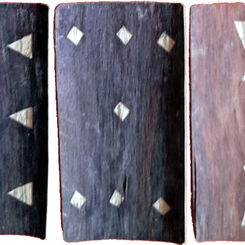
Ubo cards
Traditional Ubo cards from the Philippines made from tree bark.
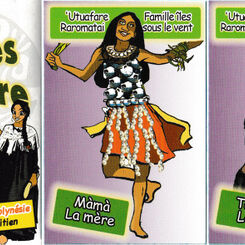
Le jeu des 7 Familles ’Utuafare
Colourful Happy Families game from Tahiti depicting costumes from different archipelagoes.
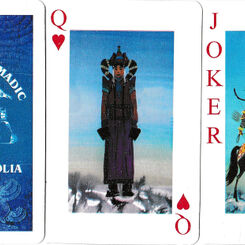
Traditional Nomadic Life of Mongolia
Playing cards depicting paintings of Traditional Nomadic Life of Mongolia.
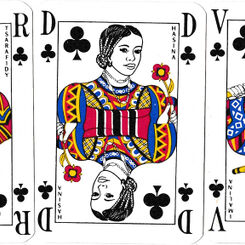
Tanisa cartes à jouer
“Tanisa cartes à jouer” published by Colormad, Madagascar.
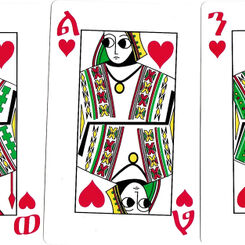
Habesha playing cards
Habesha playing cards published by “Ethiopian Reflection”
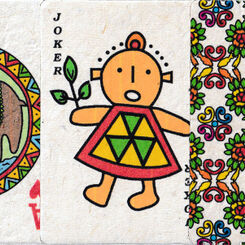
Happy Playing Cards
Cheerful, colourful designs on handmade paper from Nepal.
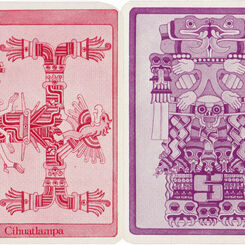
Tonalamatl
Baraja Tonalamatl Mexican Aztec playing cards based on the prehispanic Codex Borgia manuscript.
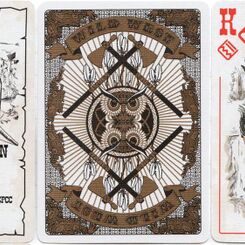
Native American Warriors
Native American Warriors from the Wild West Series published by SPCC, 2018.
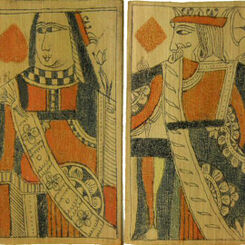
Banana Leaf Cards
English Standard pack hand drawn & coloured on banana leaf, c.1820.
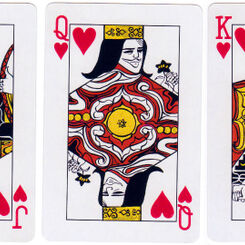
Ainu culture
A terrific deck of cards made by Nintendo c.1979 with original designs on every card showing the Ain...
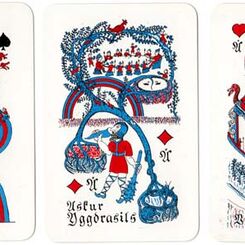
Iceland Mythological Playing Cards
Iceland Mythological Playing Cards designed by Sigurlinna Pétursson, 1958
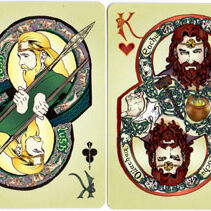
Cultúrlán
Celtic myth playing cards inspired by the rich Celtic pantheon of mythological Gods, Goddesses, and ...
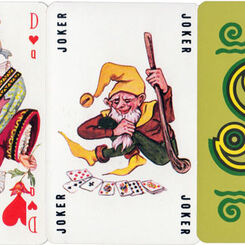
Bretagne
Jeu de Cartes “Bretagne” conveying their cultural identity.
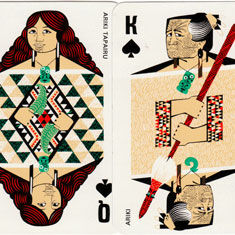
Maori
Maori themed playing cards from New Zealand depicting Maori Kings, Queens and Chiefs
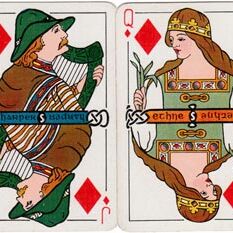
Irish Historic
Irish Historic Playing Cards celebrating history and art, 1920.
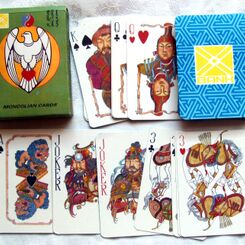
Mongolian Playing Cards
Mongolian Playing Cards.
Celtic Journey
Celtic Journey playing cards - where art and culture meet - designed by Carmen G. Carballeira, 2011
Playing Cards from Ireland
During the nineteenth century playing cards were being produced in Dublin, Cork and Limerick.
Irish Playing Cards
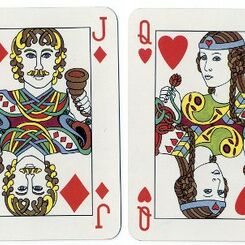
Playing card designs based on motifs from early Irish manuscripts and metalwork.
Irish Heroic
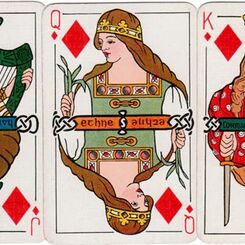
The costumes and details of this pack are in the spirit of "The Heroic Period of Irish History".
Most Popular
Our top articles from the past 60 days