Tonalamatl
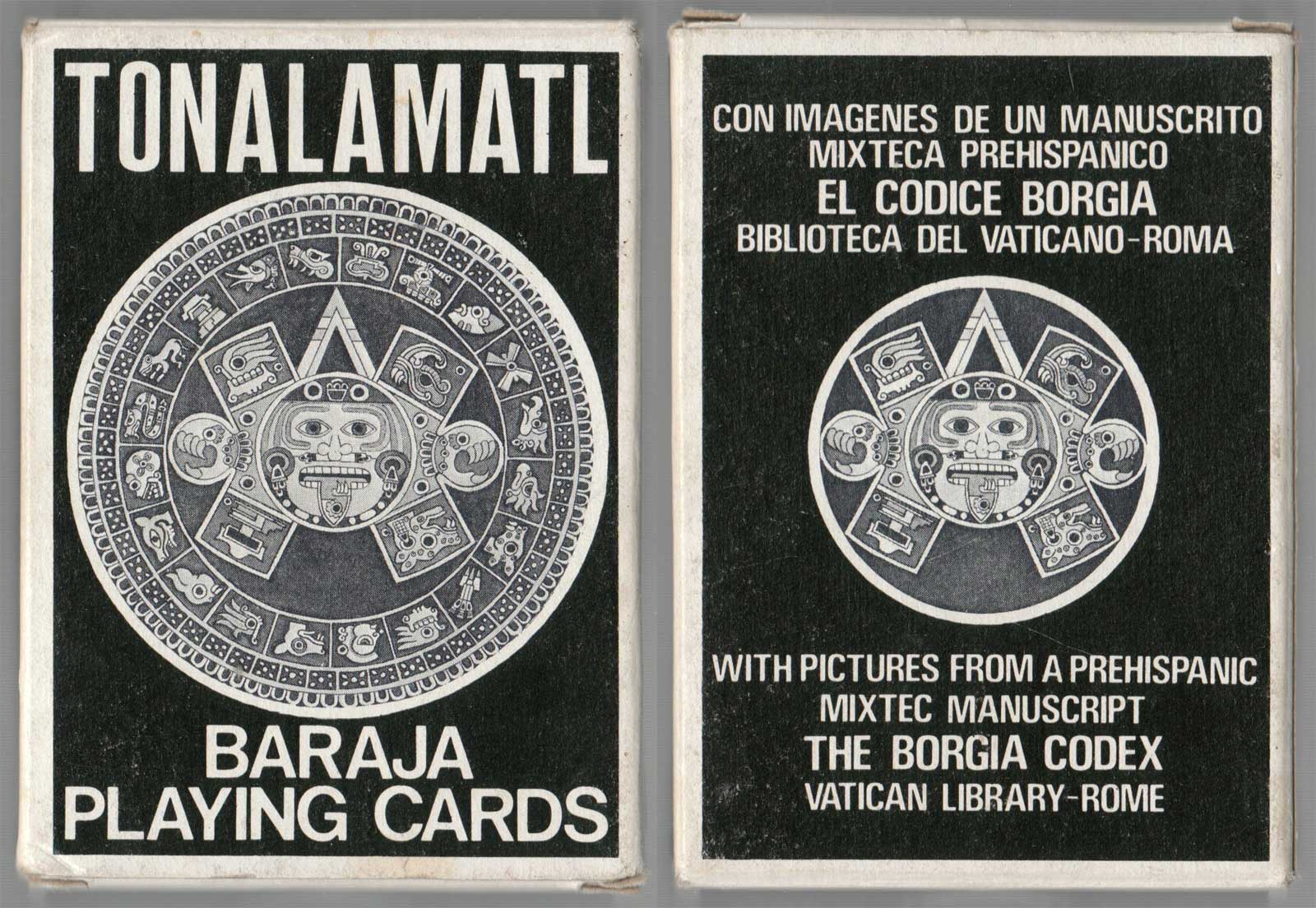
Baraja Tonalamatl Mexican Aztec playing cards based on the prehispanic Codex Borgia manuscript.
Baraja Tonalamatl Mexican Aztec playing cards based on the prehispanic Codex Borgia manuscript - “A synthesis of Mesoamerican Cosmogonical, Chronometrical, Astronomical and Mathematical thought”. The cards run from 1 - 13 in each colour, plus 20 violet cards and six extra cards, making a total of 78 cards. See the Box►
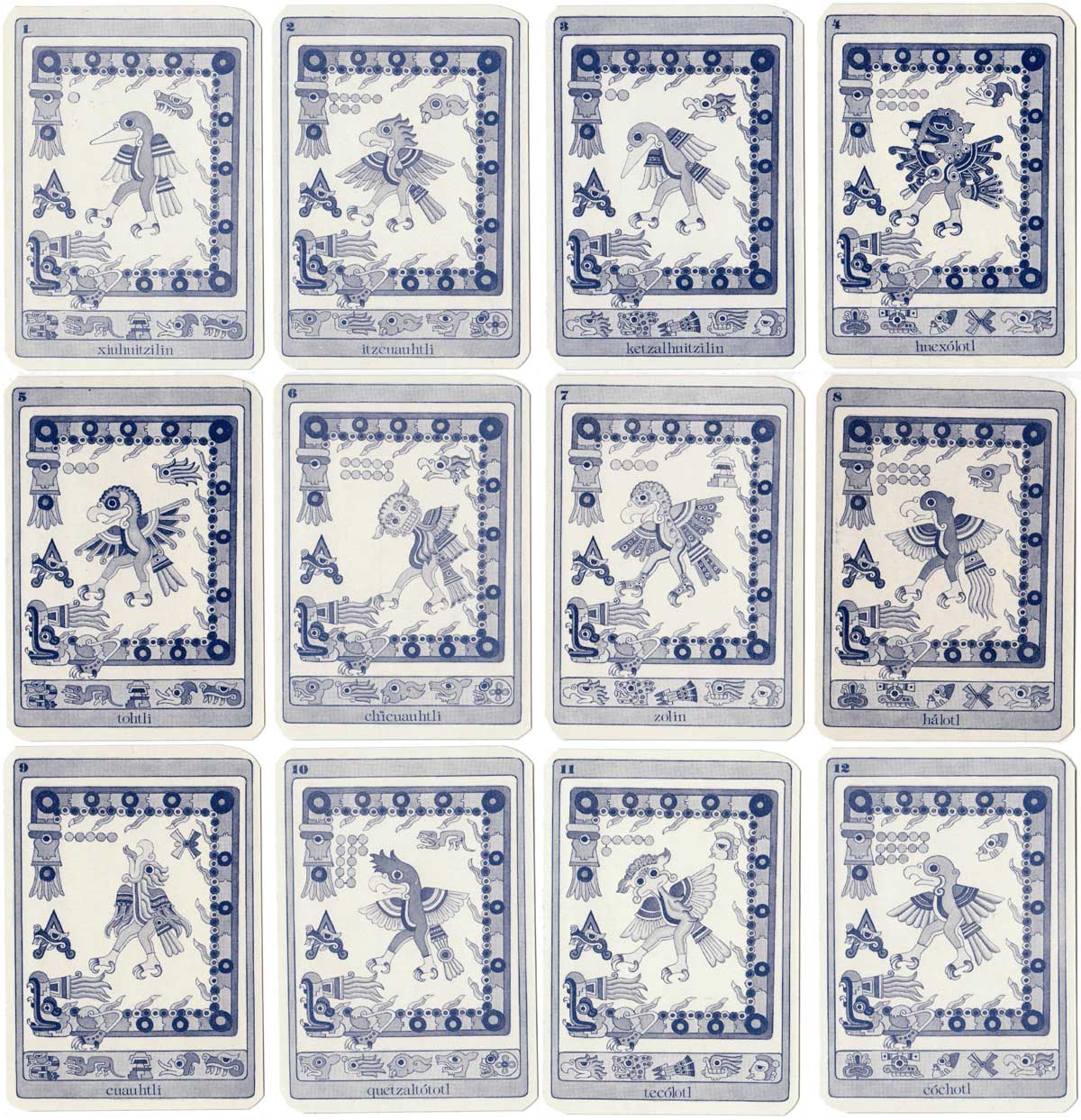
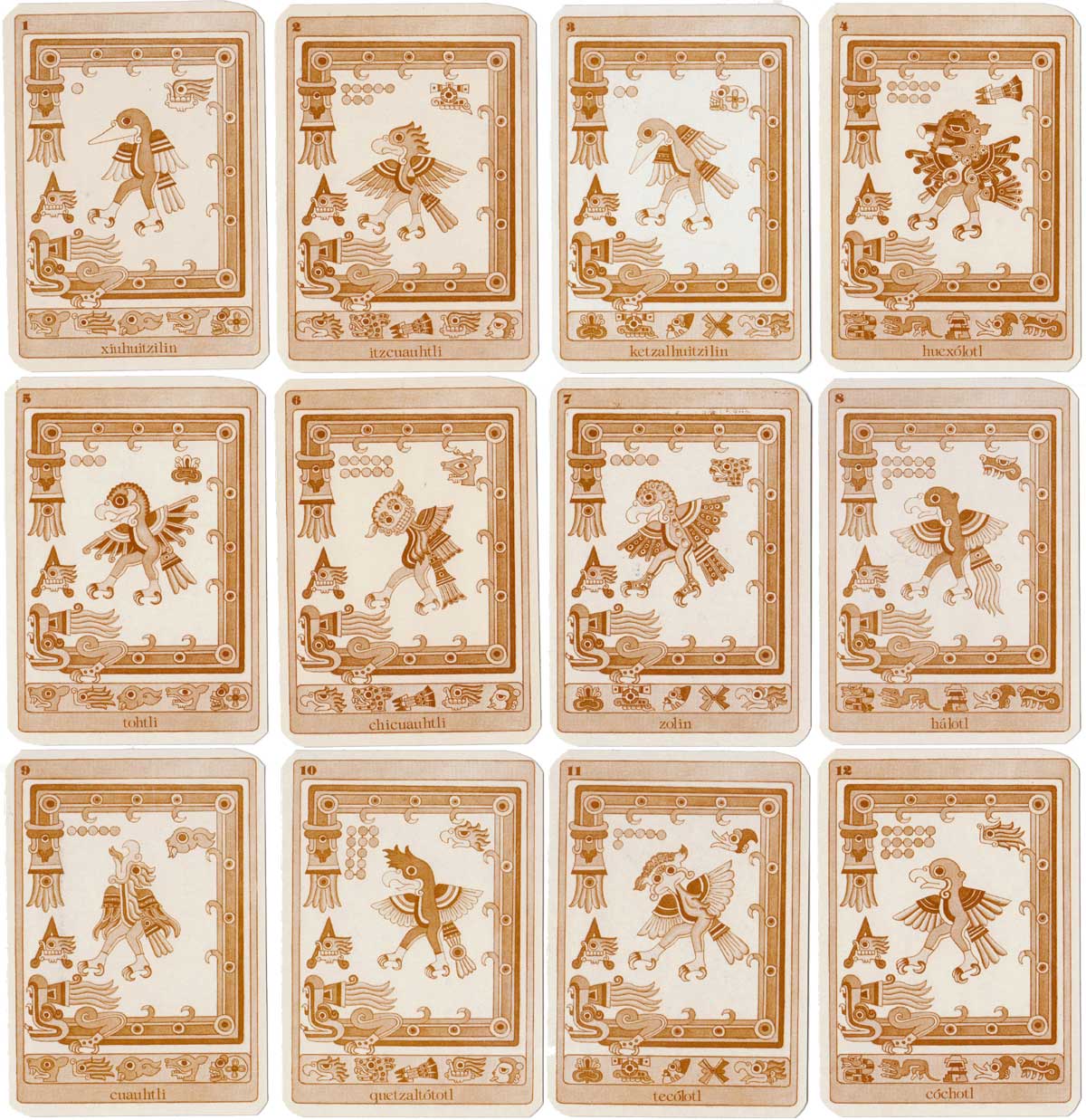
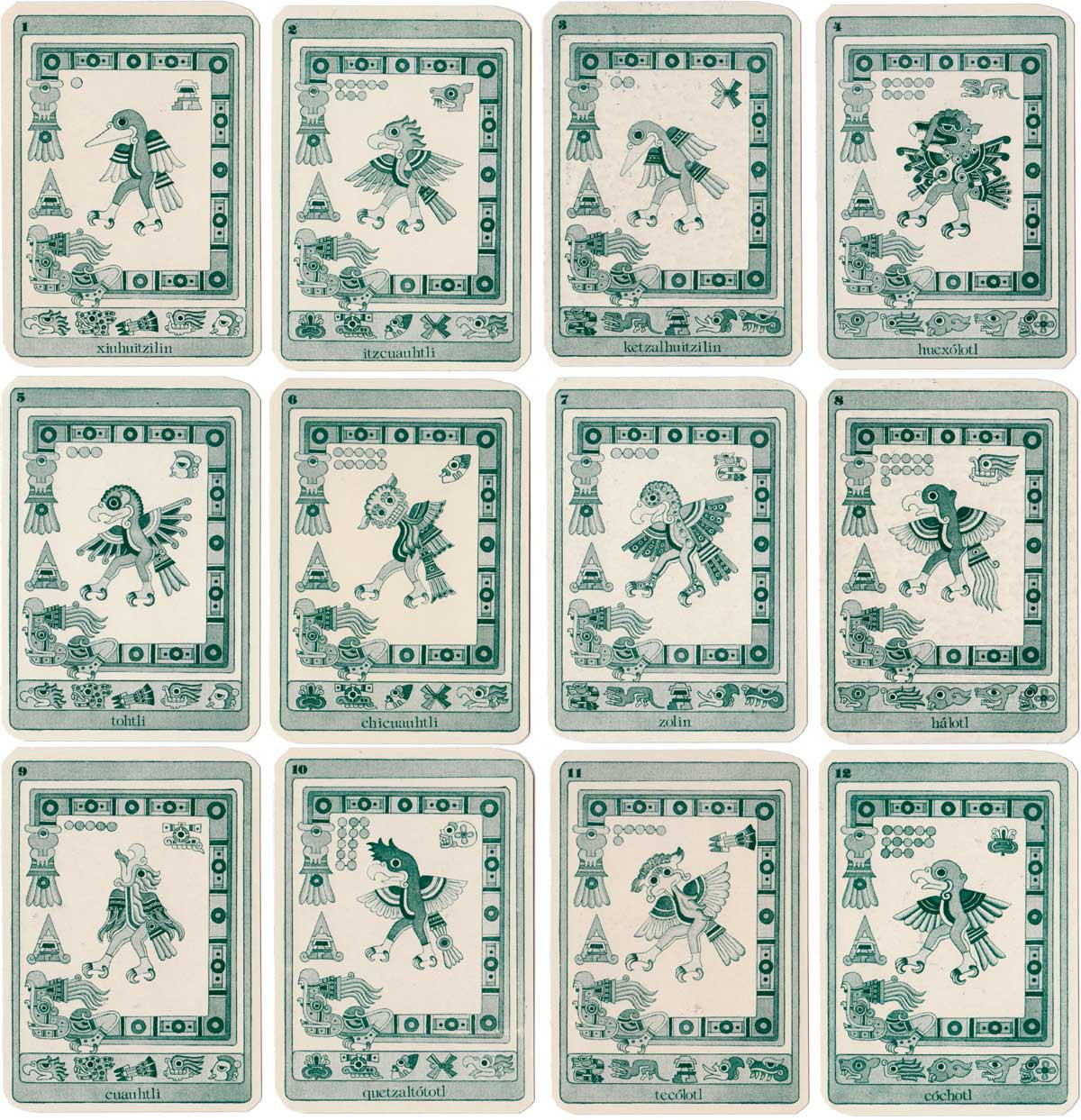
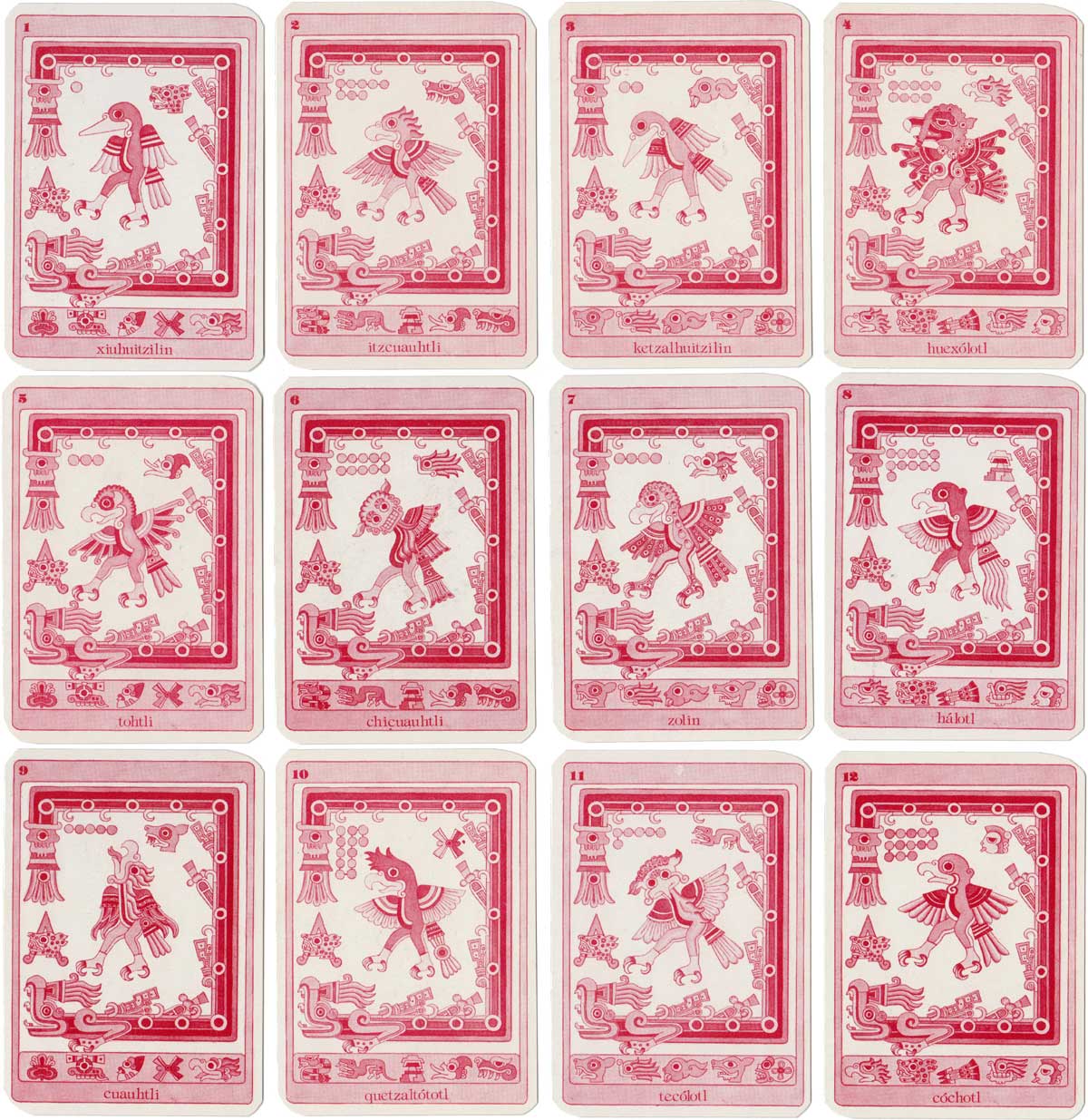
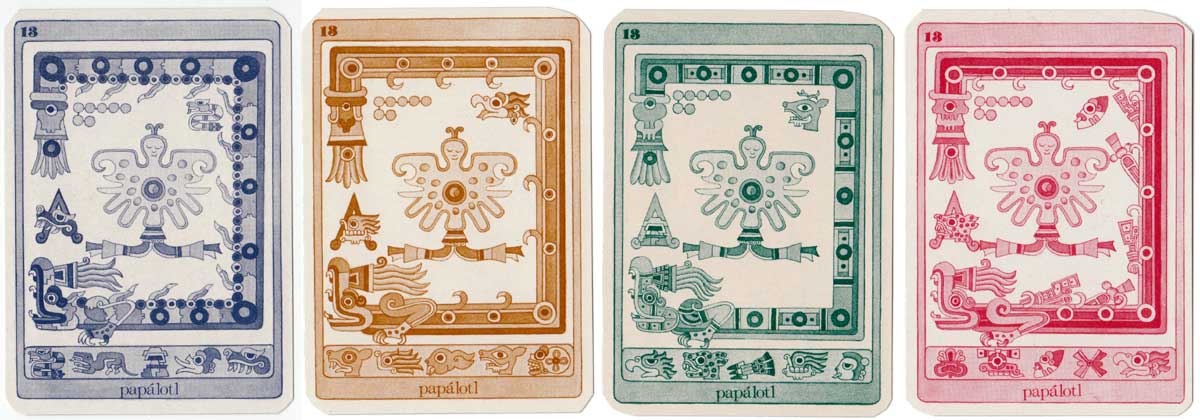
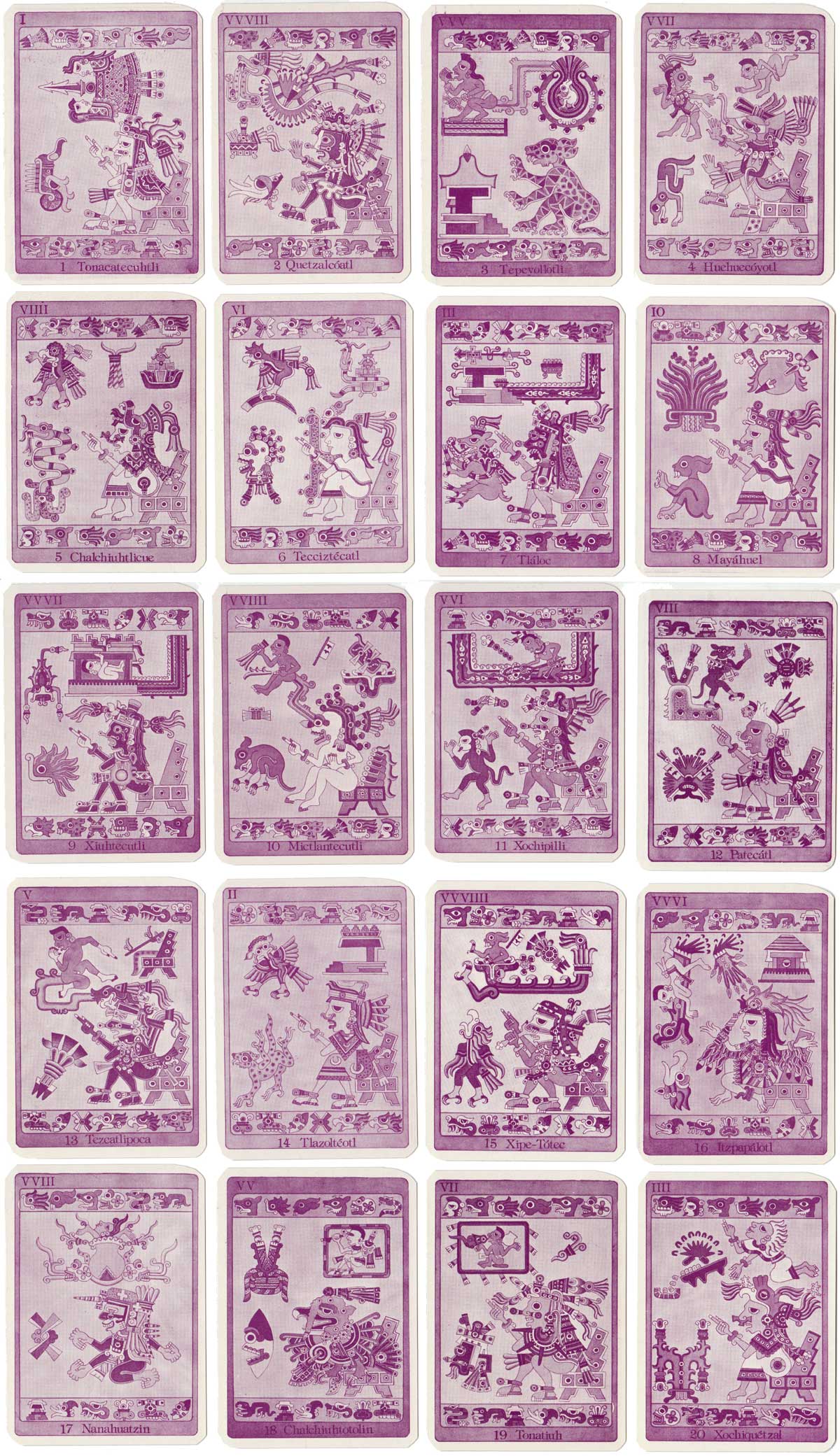
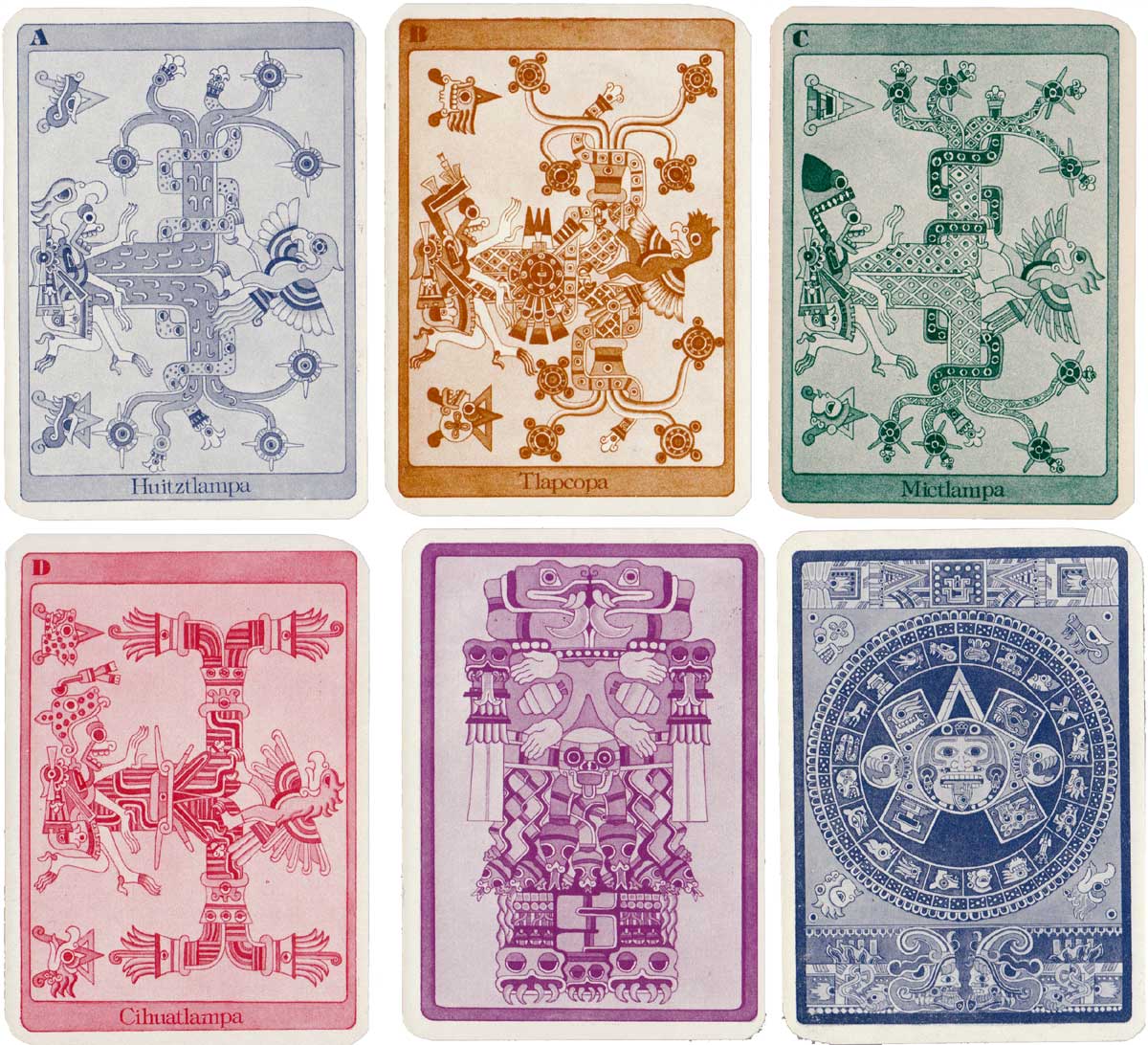
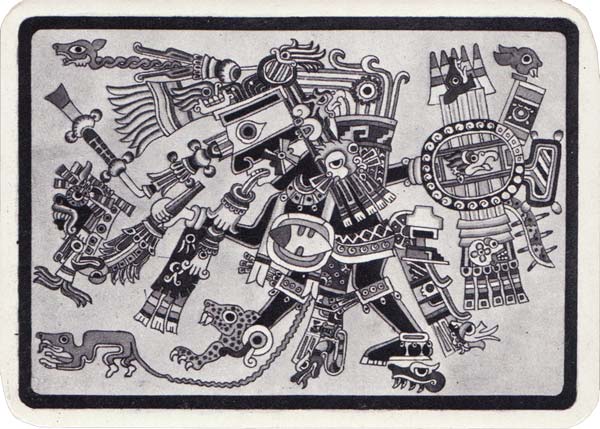
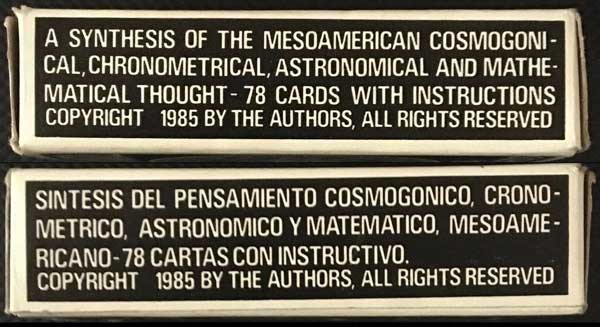
Above: cards from Baraja Tonalamatl Mexican Aztec playing cards based on the prehispanic Codex Borgia manuscript, 78 cards in box, unknown publisher / manufacturer, copyright 1985. Because it contains 78 cards it has also been regarded as a tarot deck. The violet cards are numbered from 1 to 20 using the numbers printed in the bottom panel, although the top panels have a completely different order. The unnumbered violet card which has no number could be construed to be the number 0 Fool card from a tarot deck. There are no clues on the box and we don't have any instructions.

By Rex Pitts (1940-2021)
United Kingdom • Member since January 30, 2009
Rex's main interest was in card games, because, he said, they were cheap and easy to get hold of in his early days of collecting. He is well known for his extensive knowledge of Pepys games and his book is on the bookshelves of many. His other interest was non-standard playing cards. He also had collections of sheet music, music CDs, models of London buses, London Transport timetables and maps and other objects that intrigued him.
Rex had a chequered career at school. He was expelled twice, on one occasion for smoking! Despite this he trained as a radio engineer and worked for the BBC in the World Service. Later he moved into sales and worked for a firm that made all kinds of packaging, a job he enjoyed until his retirement. He became an expert on boxes and would always investigate those that held his cards. He could always recognize a box made for Pepys, which were the same as those of Alf Cooke’s Universal Playing Card Company, who printed the card games. This interest changed into an ability to make and mend boxes, which he did with great dexterity. He loved this kind of handicraft work.
His dexterity of hand and eye soon led to his making card games of his own design. He spent hours and hours carefully cutting them out and colouring them by hand.

Activity for Tonalamatl
Sign in to comment or save this article.

Related Articles
Baraja Mexicana Calendárica
Scholarly Mexican playing cards with Aztec and Maya calendar motifs.
Aónikenk playing cards
Ethnographic playing cards made by members of the Aónikenk culture from Patagonia.
Mexican ethnic playing cards
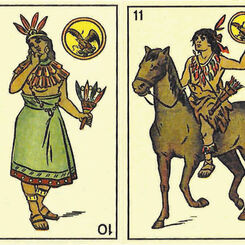
Mexican ethnic groups depicted on playing cards by Fábrica de Naipes Cuauhtemoc.
Baraja Maya
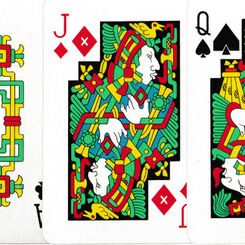
Original designs inspired by Mayan art and culture published by Fernando Güemes, Mexico.
Irish Legendary
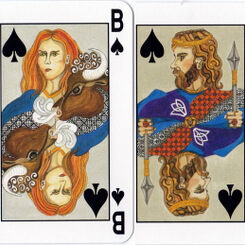
Irish Legendary deck featuring figures in the Legends of Ireland, designed by Rachel Arbuckle, 1990....
Papua New Guinea
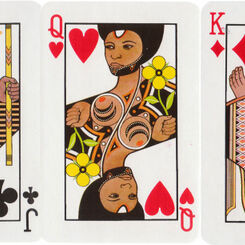
Souvenir playing cards from the culturally diverse southwestern Pacific island of Papua New Guinea. ...
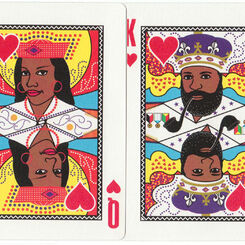
Trinidad Carnival Playing Cards
“Allfours Carnival Playing Cards” designed by Gabby Woodham, Trinidad, 1995
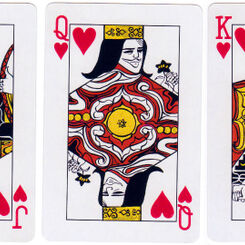
Ainu culture
A terrific deck of cards made by Nintendo c.1979 with original designs on every card showing the Ain...
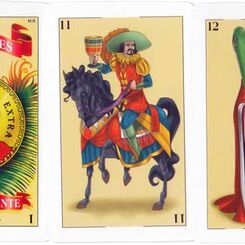
As Vencedores
Two colourful Mexican packs by an anonymous manufacturer titled “As Vencedores” on the ace of coins,...
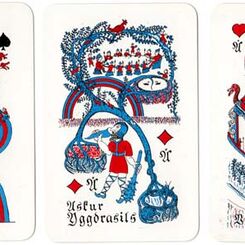
Iceland Mythological Playing Cards
Iceland Mythological Playing Cards designed by Sigurlinna Pétursson, 1958
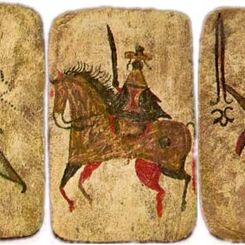
Apache Playing Cards
Apache Indian Playing Cards made on rawhide, first recorded 1875.
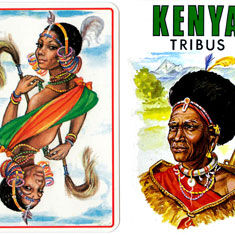
Kenya Tribes Playing Cards
“Kenya Tribus” playing cards published by Sapra, Mount Kenya Sundries Ltd, Nairobi, 1991
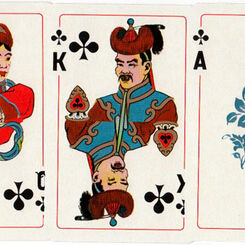
Mongol Playing Cards
Mongol Playing Cards with courts in traditional costume.
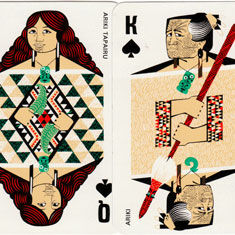
Maori
Maori themed playing cards from New Zealand depicting Maori Kings, Queens and Chiefs
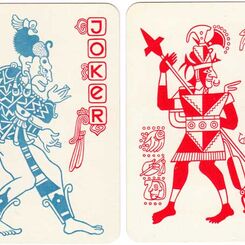
Maya
“Maya” playing cards designed by Russian artist V. M. Sveshnikov and first published by The Colour P...
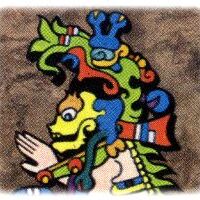
Maya Playing Cards
The designs of Mayan artists shown here give a general idea of their enormous artistic and cultural ...
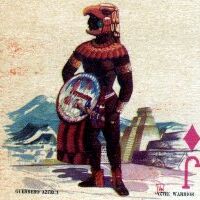
Aeronaves de Mexico
Special pack for Aeronaves de Mexico S.A., designed by Ramón Valdiosera Berman, mid-1960s.
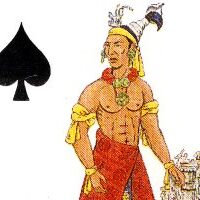
Mexican Poker
Mexican Poker cards made by Juegos y Fichas, S.A. de C.V., Mexico, 1991
Naipes Nacionales
Naipes Nacionales designed by Manuel Bayardi and published by Clemente Jacques y Cia, Mexico c.1940....
Playing Cards in Mexico
MEXICO shares a long tradition with Spain in the field of playing cards and also merges two complete...
Most Popular
Our top articles from the past 60 days