


Pedro Bosio, 2
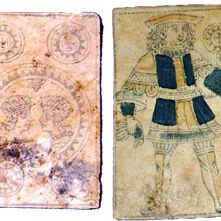
Cards of the Spanish National Pattern manufactured by Pedro Bosio, Genova (Italy) during the 18th century for export to South America.
Pedro Bosio, Genova
Spanish National Pattern, made in Italy, 18th century.
Genovese cardmakers enjoyed a lucrative business during the 18th and 19th centuries manufacturing Spanish-suited cards for territories in South America, probably in defiance of the Spanish monopolies in those territories. In this example, the Ace of Coins has a central disc enclosing an eagle with the arms of Spain, with baroque cartouches above and below which read “Pedro Bosio Estanquero In Ghenova”. The Five of Coins features the facing profiles of Ferdinand and Isabella, and the Four of Coins has a six-pointed star which contains the initials P.B. This derivative of the Spanish National pattern seems to have had a history outside of Spain itself and this example, originally produced in Italy, has come to light in a Chilean collection. See another example by Pedro Bosio►
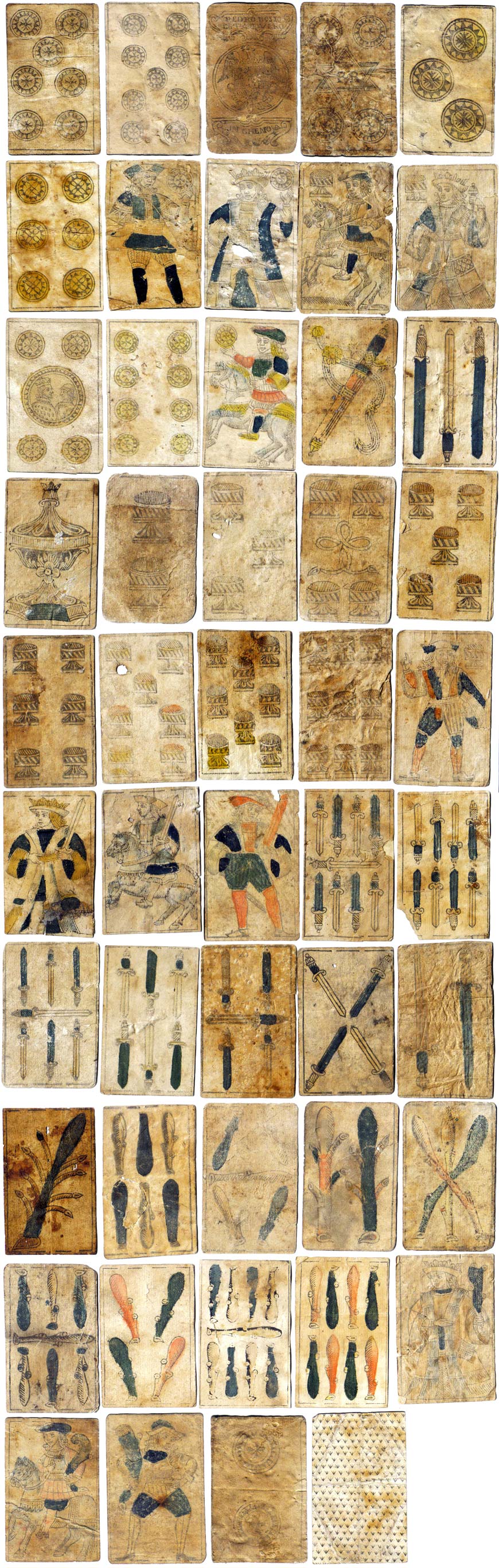
Above: cards manufactured by Pedro Bosio, Genova (Italy) during the 18th century and probably for export to South America. The design corresponds closely to the Spanish National pattern. The cavalier of cups lacks the usual inscription of ‘Ahí Va’ and instead the ground is shaded beneath him. The cards are printed from woodblocks and hand-coloured using stencils. Images courtesy Alberto Campos.

By Simon Wintle
Spain • Member since February 01, 1996
I am the founder of The World of Playing Cards (est. 1996), a website dedicated to the history, artistry and cultural significance of playing cards and tarot. Over the years I have researched various areas of the subject, acquired and traded collections and contributed as a committee member of the IPCS and graphics editor of The Playing-Card journal. Having lived in Chile, England, Wales, and now Spain, these experiences have shaped my work and passion for playing cards. Amongst my achievements is producing a limited-edition replica of a 17th-century English pack using woodblocks and stencils—a labour of love. Today, the World of Playing Cards is a global collaborative project, with my son Adam serving as the technical driving force behind its development. His innovative efforts have helped shape the site into the thriving hub it is today. You are warmly invited to become a contributor and share your enthusiasm.

Activity for Pedro Bosio, 2
Sign in to comment or save this article.

Related Articles
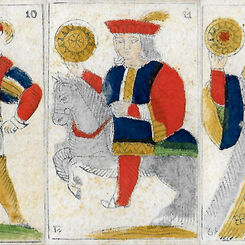
A Spanish Deck in Transition by Hermanos Bosio
A Spanish National pattern refracted through Mediterranean influence from early 19th-century Genoa. ...
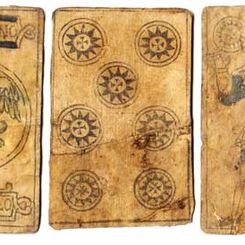
Agostino Bergallo
Agostino Bergallo Spanish pattern made for South American countries
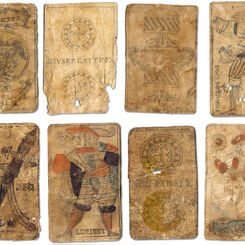
Giuseppe Cattino
Playing cards manufactured in Italy by Giuseppe Cattino and Paolo Montanar for Spanish markets.
Pedro Bosio
Cards of the Spanish National Pattern manufactured by Pedro Bosio, probably during the 18th century ...
Most Popular
Our top articles from the past 60 days


