


DWYN
Dwyn - a card game about Welsh history designed by Simon Grennan and Christopher Sperandio, 2006.
Dwyn is “a mixed-up game of Welsh history for 2 to 6 players” designed by artists Simon Grennan and Christopher Sperandio [www.kartoonkings.com/] in 2006.. It is played with a custom six-suited poker deck divided into three colours, red, black and green, with figures drawn from Welsh history and popular culture. Characters include Owain Glyndwr, Captain Henry Morgan, Nest verch Rhys, a princess of Deheubarth, renowned for her beauty and Cerridwen, the Celtic goddess of inspiration. The six suits are: miner’s tools, shield, rugby, leaf, castle, skull. Each suit has a head, torso, feet card plus numbers X, 2, 3, 4 and 5. In addition the deck contains three “steal” cards (double hands), six doublesided wild Dwyn cards and the “krown” card. The aim of Dwyn (Welsh for steal or take) is to get rid of all cards in hand and to lay a complete body (head, torso + feet) along with the “krown” card on the table.
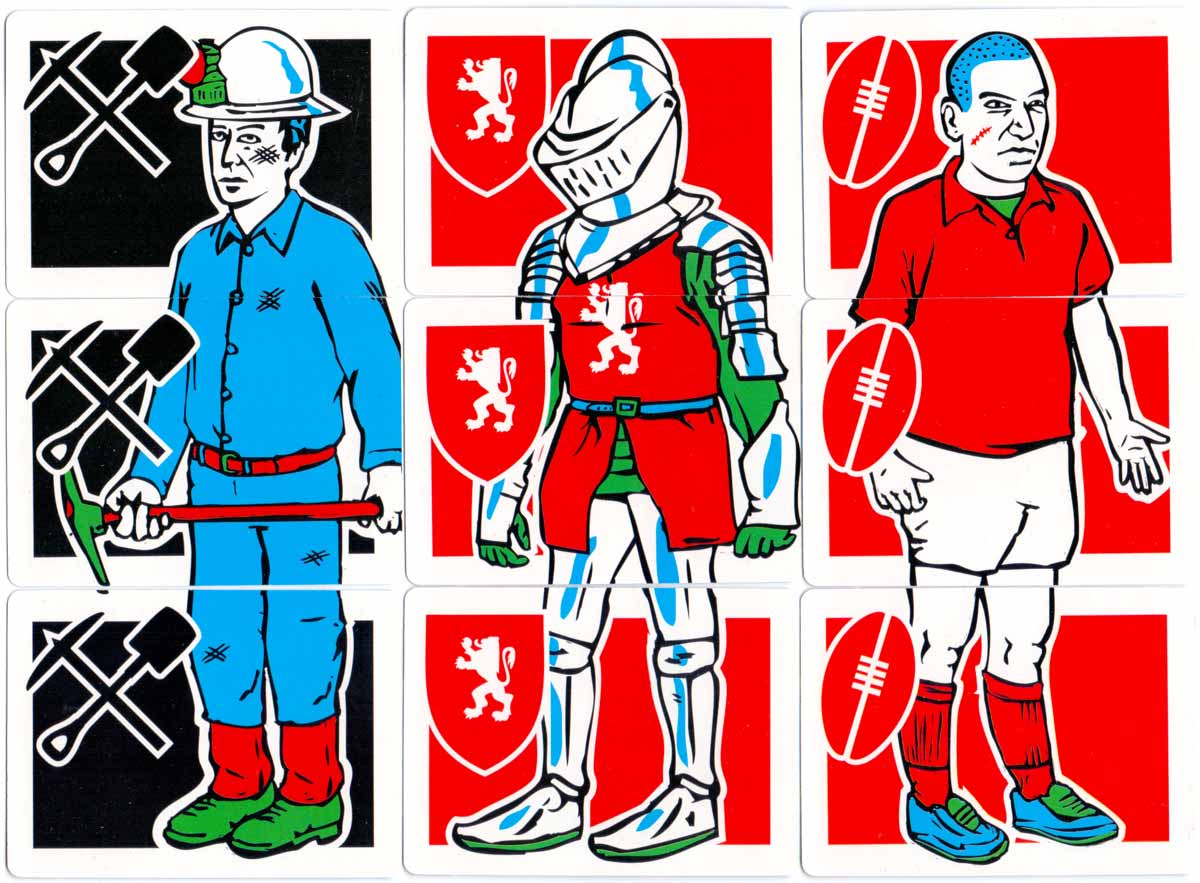
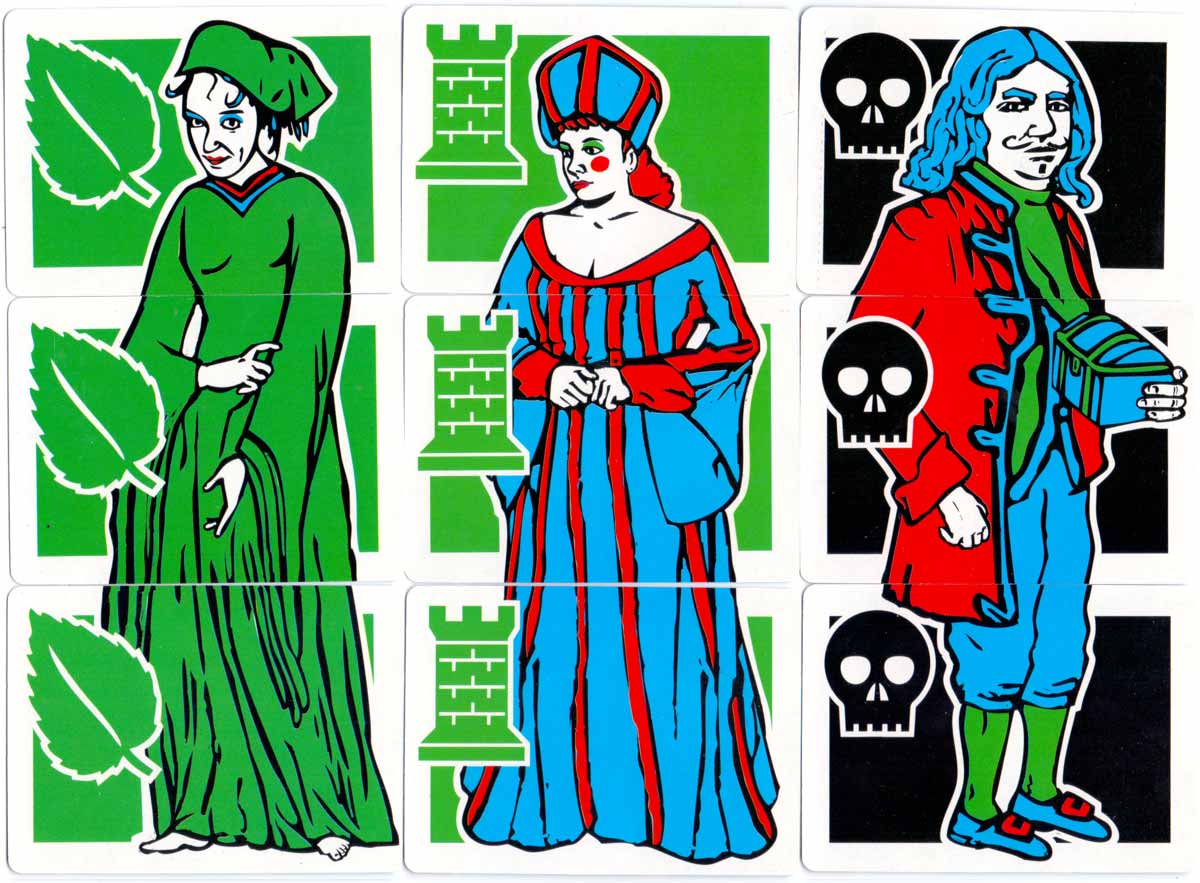
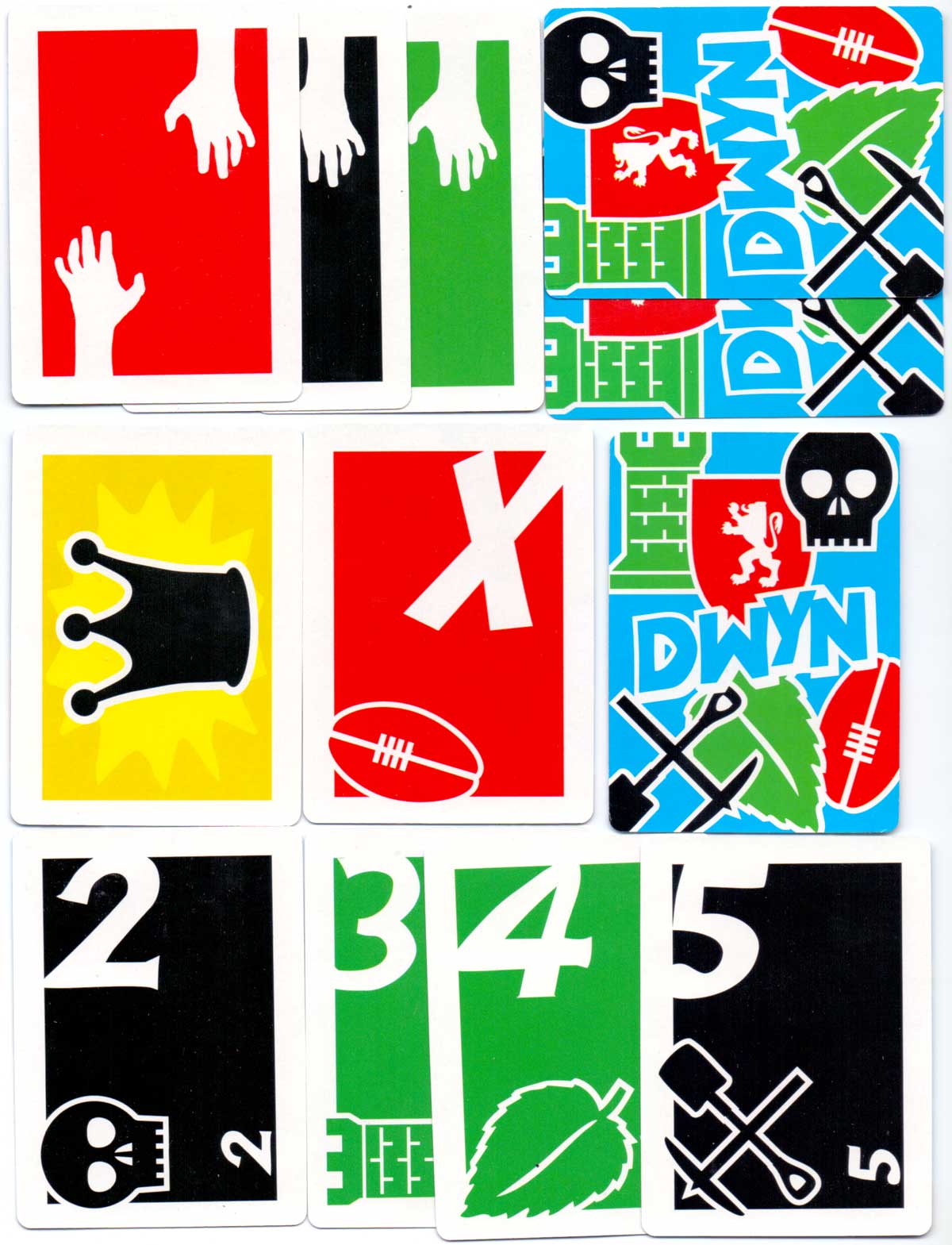
Above: Dwyn - a card game about Welsh history designed by Simon Grennan and Christopher Sperandio, 2006. 60 cards in box. The creation of Dwyn was supported by Cywaith Cymru - Artworks Wales as part of May You Live In Interesting Times, Cardiff`s Festival of Creative Technology developed between Chapter and Bloc: Creative Technology Wales.

By Simon Wintle
Spain • Member since February 01, 1996
I am the founder of The World of Playing Cards (est. 1996), a website dedicated to the history, artistry and cultural significance of playing cards and tarot. Over the years I have researched various areas of the subject, acquired and traded collections and contributed as a committee member of the IPCS and graphics editor of The Playing-Card journal. Having lived in Chile, England, Wales, and now Spain, these experiences have shaped my work and passion for playing cards. Amongst my achievements is producing a limited-edition replica of a 17th-century English pack using woodblocks and stencils—a labour of love. Today, the World of Playing Cards is a global collaborative project, with my son Adam serving as the technical driving force behind its development. His innovative efforts have helped shape the site into the thriving hub it is today. You are warmly invited to become a contributor and share your enthusiasm.

Activity for DWYN
Sign in to comment or save this article.

Related Articles
Learning to play Cribbage
I learned to pay cribbage when I was very young, aged around six or seven.
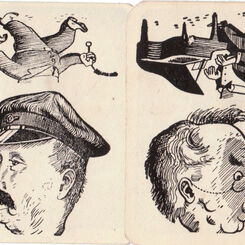
Hats-Off!
Hats-Off! miniature card game published by E. S. & A. Robinson, c.1930s.
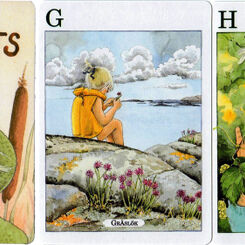
Majas Alfabets Spel
Majas Alfabets Spel beautifully illustrated by Lena Andersson, 1980s.
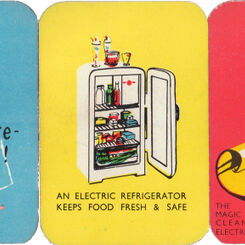
Electric Snap
Electric Snap by the South Wales Electricity Board, 1950s.
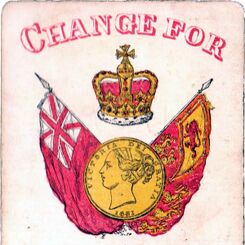
Change for a Sovereign
Change for a Sovereign published by J Evans & Sons and printed by Kronheim & Co.
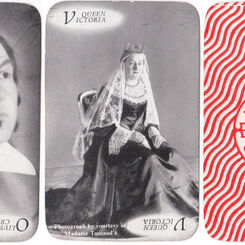
Have A Go
Have A Go card game published by Photo-Briton Ltd featuring photographs of waxwork figures from Mada...
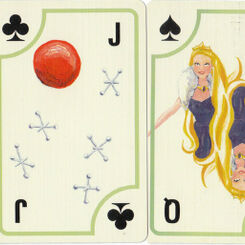
Holiday Games
IE Design Holiday Games, c.1990s.
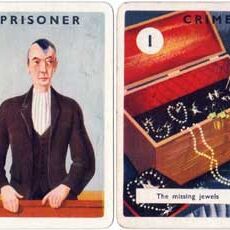
Alibi
“Alibi” the thrilling card game by Haytor, Tor Productions, 1930s.
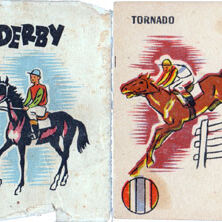
Derby
‘Derby’ card game from Czechoslovakia.
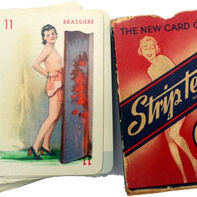
Strip Tease
‘Strip Tease’ card game featuring characters involved in the performance and subsequent prosecution ...
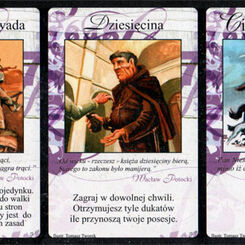
Veto
‘Veto’ is a Polish CCG game. Players compete for power and influence. The game is set in 17th centur...
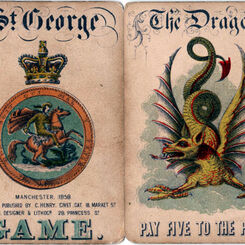
St George Game
St George Game, 1858, depicting St George and other saints engaged in battle slaying the dragon to s...
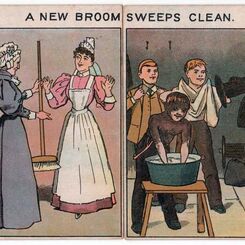
Picture Proverbs
Picture Proverbs was a Victorian card game illustrating popular proverbs which were seen as words of...
Waddy Productions
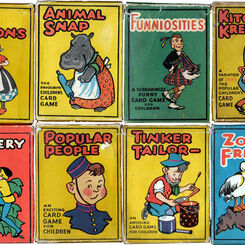
Waddy Productions Ltd was a member of the giant Amalgamated Press group and only published card game...
Animal Snap
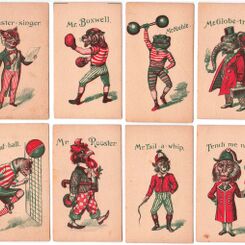
The full set of this 'Snap' card game is believed to have 9 characters in sets of four, making a tot...
4: Some Card Games
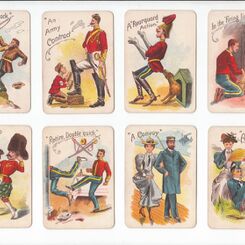
Yet another strand of the playing card world is that of card games, packs of cards usually designed ...
Dartex
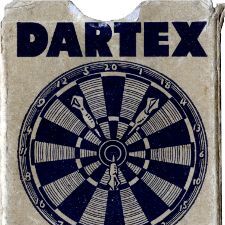
Dartex, the Thrilling New Card Game of Skill (1938) based on the traditional pub game where darts ar...
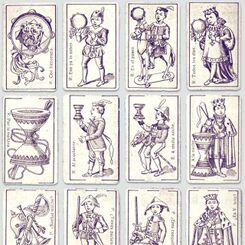
Baraja Infantil made in Cuba
cards from a 40-card children's "Questions and Answers" game. The Spanish suit signs have been chang...
Standard and Non-standard Playing Cards
Standard playing cards are based upon traditional designs and are used for card games.
Collecting English Playing Cards & Games
The History of English Playing Cards dates probably from the mid 15th century, the first documentary...
Most Popular
Our top articles from the past 60 days


